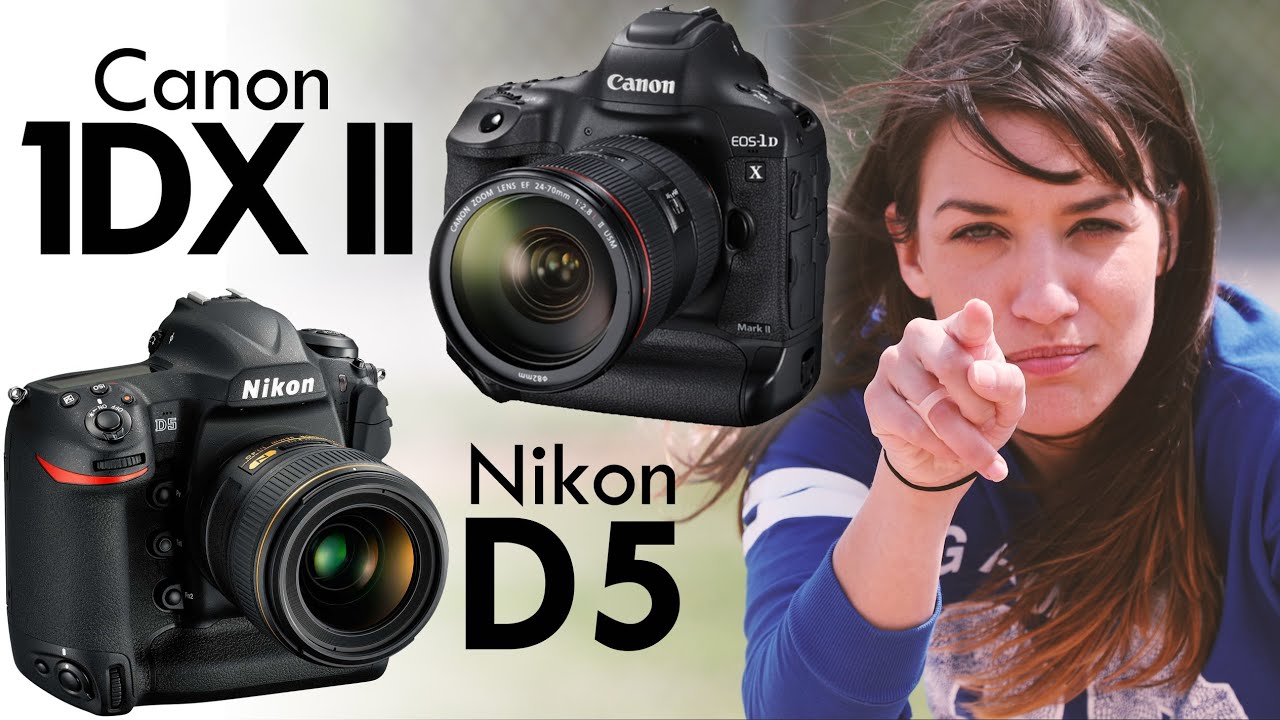
Every time I see someone drop $6,000 on a flagship sports body, I want to pull up a spreadsheet. Not to shame them, but because the numbers rarely tell the whole story on the spec sheet. I grew up shooting on gear most professionals would laugh at, and that experience made me obsessive about understanding exactly what you’re paying for before you pay it. So when Tony and Chelsea Northrup put the Canon 1DX Mark II and the Nikon D5 through a serious head-to-head review, I watched the whole thing twice and took notes. Watch the full tutorial on YouTube before or after reading this, because the real-world footage they captured is worth seeing directly.
What makes their breakdown useful is that they didn’t stop at controlled tests. They shot soccer. They shot flying birds. They argued on camera. And they landed on a conclusion that a lot of gear influencers won’t say out loud: you might not need either of these cameras. Here’s how to follow their thinking step by step.
Step 1: Understand What Frame Rate Actually Buys You
 Tony comparing frame rates between Canon and Nikon bodies
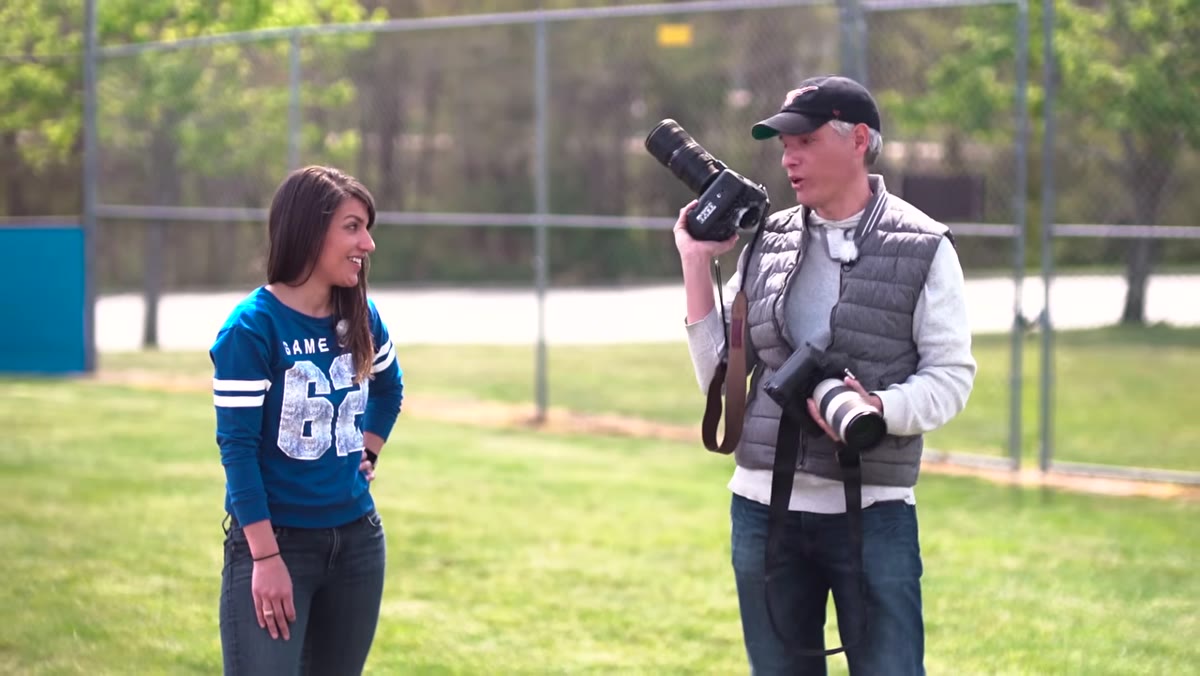
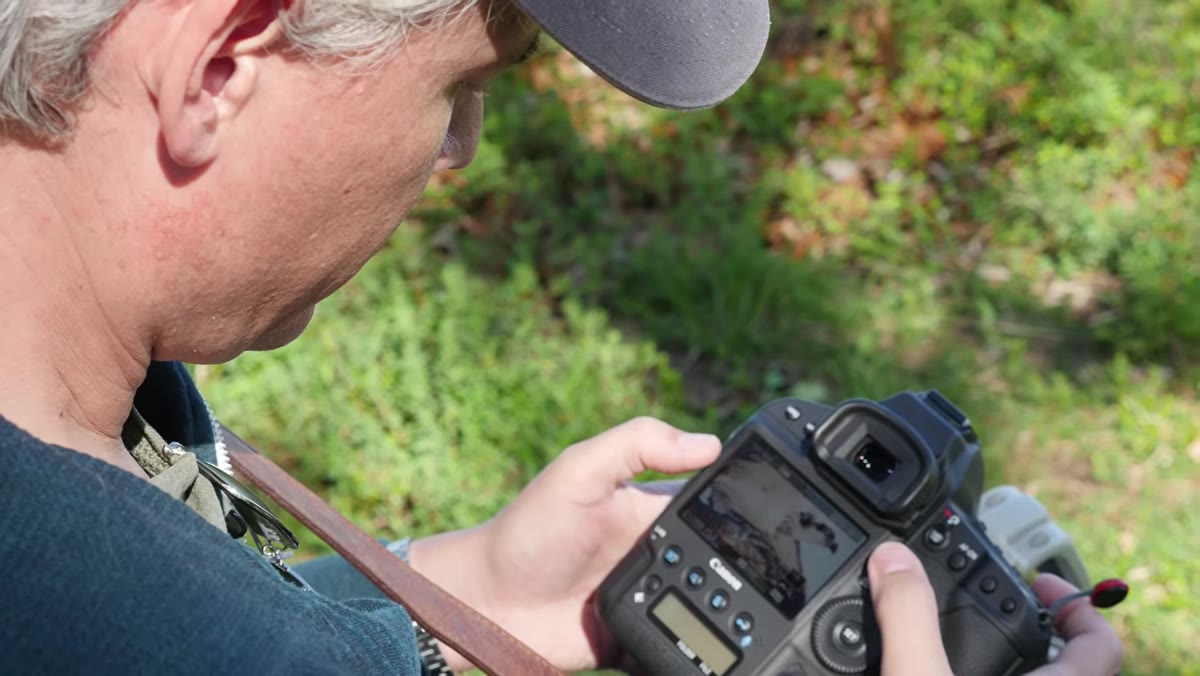
The 1DX Mark II shoots at 16 frames per second in its high-speed mode, which locks the mirror up and disables the optical viewfinder. The D5 maxes out at 14 fps under the same conditions. On paper, two extra frames per second sounds minor. In practice, Northrup’s team found it makes a real difference, not just in raw count, but in how quickly you can review images after a burst. The Canon shows frames back to you almost in real time on the rear screen. The Nikon introduces a noticeable lag. When you’re tracking a ball or a bird across a field and you need to adjust your framing, that lag costs you.
Tony comparing frame rates between Canon and Nikon bodies
The 1DX Mark II shoots at 16 frames per second in its high-speed mode, which locks the mirror up and disables the optical viewfinder. The D5 maxes out at 14 fps under the same conditions. On paper, two extra frames per second sounds minor. In practice, Northrup’s team found it makes a real difference, not just in raw count, but in how quickly you can review images after a burst. The Canon shows frames back to you almost in real time on the rear screen. The Nikon introduces a noticeable lag. When you’re tracking a ball or a bird across a field and you need to adjust your framing, that lag costs you.
The Canon also focuses significantly faster in live view. If you ever shoot with the rear screen rather than the viewfinder, that gap matters in a real session.
Step 2: Test Autofocus Tracking in Good Light First
 Both cameras tracking a moving subject on a field
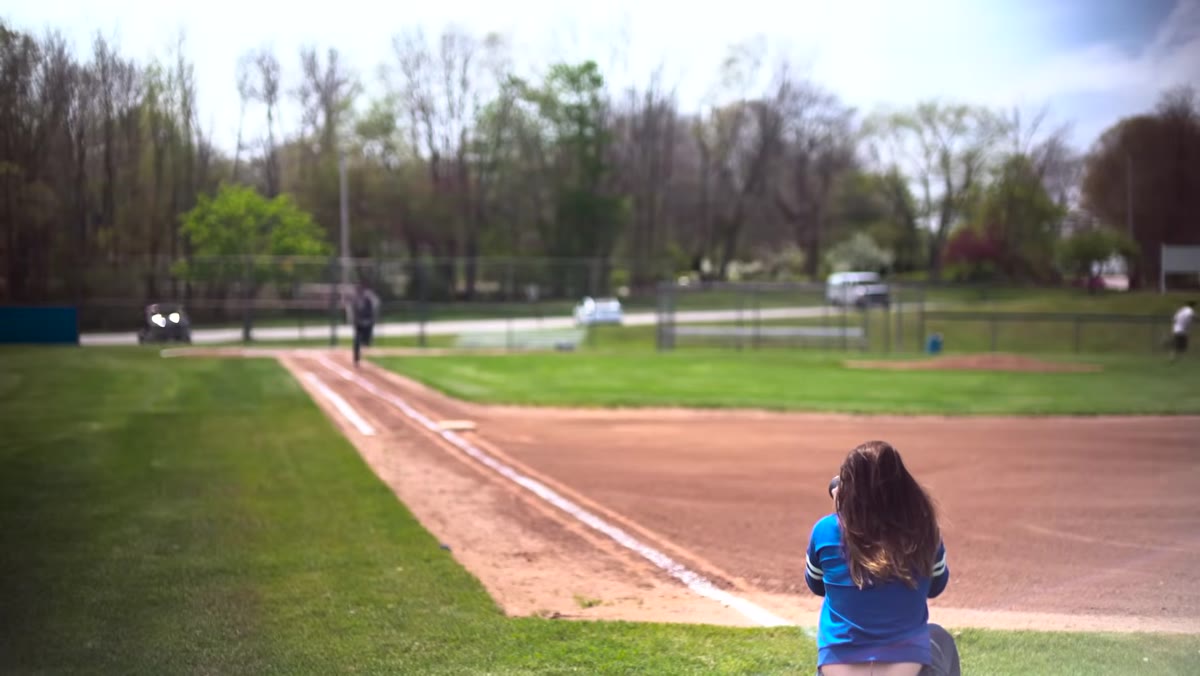
In solid daylight, both cameras are basically equal. Northrup’s team found that each body nailed close to 100% of shots in focus while tracking a moving subject. If you’re shooting under good light, you cannot use autofocus performance to justify choosing one over the other. That’s a useful reality check, because marketing for both systems leans heavily on AF claims.
Both cameras tracking a moving subject on a field
In solid daylight, both cameras are basically equal. Northrup’s team found that each body nailed close to 100% of shots in focus while tracking a moving subject. If you’re shooting under good light, you cannot use autofocus performance to justify choosing one over the other. That’s a useful reality check, because marketing for both systems leans heavily on AF claims.
The Canon’s slightly higher frame rate does produce a few extra sharp images per burst, which statistically gives you better odds of catching a peak moment. But the margin is smaller than the spec sheet suggests.
Step 3: Factor In the Nikon’s 3D Tracking Advantage
 Nikon 3D tracking system following a subject across the frame
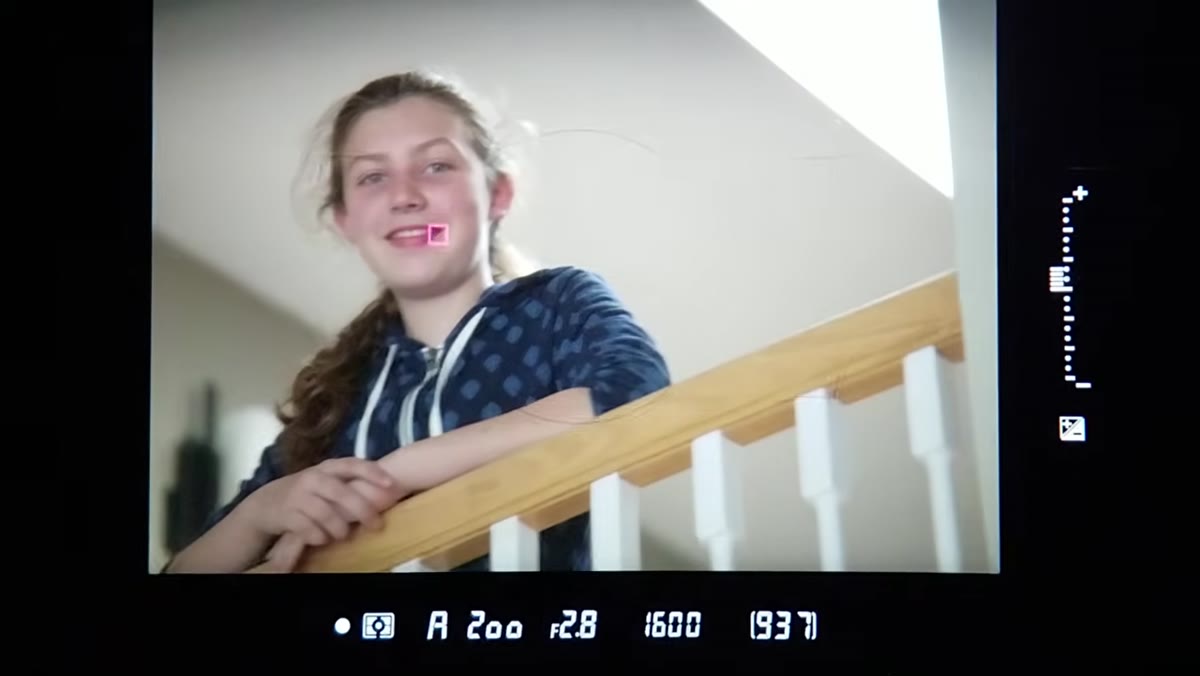
Here’s where the Nikon fights back. The D5 includes a 3D tracking system that follows a subject across the entire frame automatically, without requiring you to manually shift your focus point. When Northrup’s team shot actual soccer in the field, not a controlled test, they found 3D tracking consistently more effective than chasing subjects manually. For sports where athletes are constantly cutting and changing direction, that matters.
Nikon 3D tracking system following a subject across the frame
Here’s where the Nikon fights back. The D5 includes a 3D tracking system that follows a subject across the entire frame automatically, without requiring you to manually shift your focus point. When Northrup’s team shot actual soccer in the field, not a controlled test, they found 3D tracking consistently more effective than chasing subjects manually. For sports where athletes are constantly cutting and changing direction, that matters.
Their verdict: autofocus goes to Nikon on real-world sports shooting. If you’re covering fast team sports where subjects move unpredictably across the frame, the D5’s tracking system reduces the mental load enough to make a genuine difference in keeper rate.
Step 4: Push Both Cameras Into Low Light
 Low-light bird tracking stress test with both camera systems
When Northrup’s team moved to a controlled low-light stress test, the 1DX Mark II edged ahead. It captured a slightly higher percentage of in-focus shots than the D5, which in turn outperformed the D500 and 7D Mark II. The gap is not dramatic, but if you’re shooting indoor arenas, dusk wildlife sessions, or evening sporting events without supplemental lighting, Canon holds a slight advantage in the hardest conditions.
Low-light bird tracking stress test with both camera systems
When Northrup’s team moved to a controlled low-light stress test, the 1DX Mark II edged ahead. It captured a slightly higher percentage of in-focus shots than the D5, which in turn outperformed the D500 and 7D Mark II. The gap is not dramatic, but if you’re shooting indoor arenas, dusk wildlife sessions, or evening sporting events without supplemental lighting, Canon holds a slight advantage in the hardest conditions.
This is the kind of difference that only shows up when you’re already pushing the limits of the system. In typical working conditions, you’re unlikely to notice it.
Step 5: Confront the Megapixel Problem for Wildlife
 Cropped osprey image showing resolution limits at 2.5 megapixels
This is where the review gets genuinely surprising. Both the 1DX Mark II and the D5 are 20-megapixel full-frame cameras. That sounds fine until you’re shooting wildlife and you need to crop. Northrup shot an osprey at 700mm and still needed to apply a 3x crop to fill the frame usefully. The resulting image was roughly 2.5 megapixels. Add the softening effect from the anti-aliasing filters both cameras use, and you’re left with an image good enough for Instagram but not for print sales or stock licensing.
Cropped osprey image showing resolution limits at 2.5 megapixels
This is where the review gets genuinely surprising. Both the 1DX Mark II and the D5 are 20-megapixel full-frame cameras. That sounds fine until you’re shooting wildlife and you need to crop. Northrup shot an osprey at 700mm and still needed to apply a 3x crop to fill the frame usefully. The resulting image was roughly 2.5 megapixels. Add the softening effect from the anti-aliasing filters both cameras use, and you’re left with an image good enough for Instagram but not for print sales or stock licensing.
He compared the same owl scene shot with a 50-megapixel Canon 5DS R alongside the 1DX Mark II, and the resolution difference was visible even handheld, without harsh light, without a teleconverter. Both images were in focus. Megapixels still matter when you’re cropping heavily, and wildlife photographers almost always are.
Step 6: Consider the Alternatives Before You Buy
 Nikon D500 presented as recommended wildlife alternative
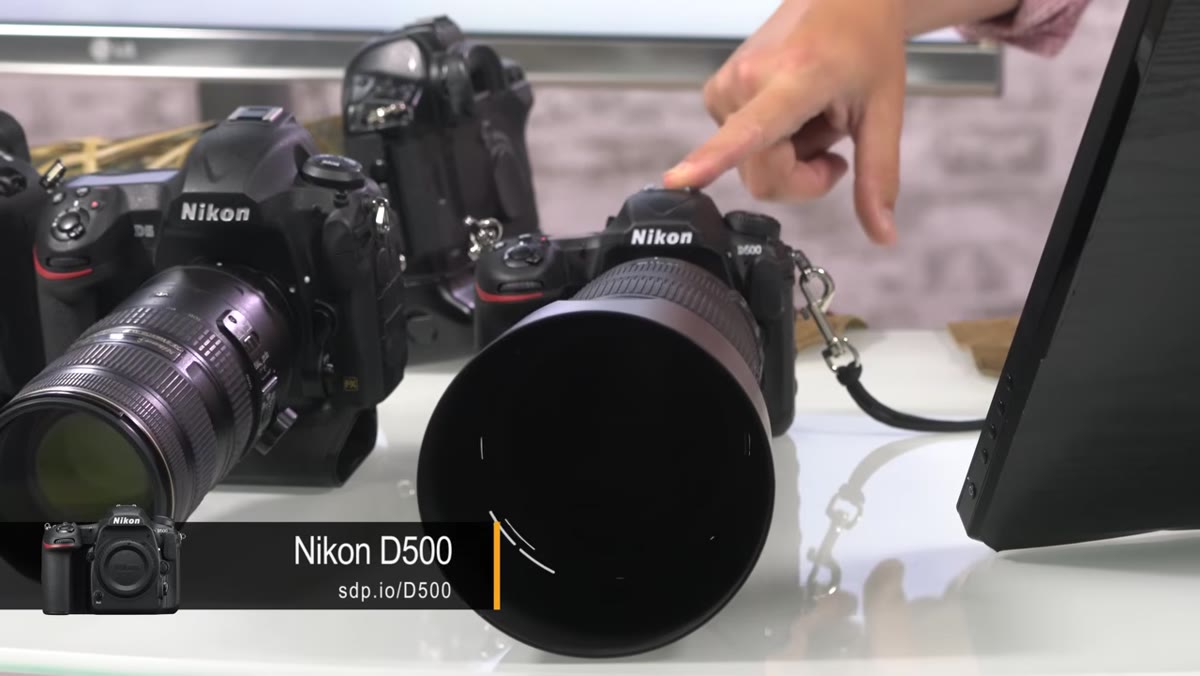
Northrup’s final recommendation is the one that catches most viewers off guard. For wildlife, he says skip both flagships. The Nikon D500 is an APS-C body that shoots 10 frames per second, has a smaller pixel pitch that effectively extends your reach without cropping as aggressively, and costs significantly less. The crop factor actually works in your favor when you’re trying to fill a frame with a distant bird.
Nikon D500 presented as recommended wildlife alternative
Northrup’s final recommendation is the one that catches most viewers off guard. For wildlife, he says skip both flagships. The Nikon D500 is an APS-C body that shoots 10 frames per second, has a smaller pixel pitch that effectively extends your reach without cropping as aggressively, and costs significantly less. The crop factor actually works in your favor when you’re trying to fill a frame with a distant bird.
For sports, the Canon 1DX Mark II wins the head-to-head, largely because of frame rate, live view speed, and low-light AF. But knowing that the wildlife use case points to a completely different camera is exactly the kind of guidance you need before spending five figures on a system.
What I’d Add: The Resale Math Nobody Talks About
I’ve been deep in gear pricing long enough to know that flagship bodies depreciate hard. The 1DX Mark II and D5 were both near $6,000 new. Used prices have dropped considerably, which makes the calculus interesting. But the D500 has also aged well in the used market and delivers more practical wildlife reach for a fraction of the price. If you’re building a wildlife setup today and your goal is sellable prints rather than bragging rights, the money you save on the body goes straight toward glass, and glass is where image quality actually lives.
The honest takeaway from this entire comparison is that the best sports camera is the one matched to your specific subject. Frame rate favors Canon. Tracking breadth favors Nikon. Pixel density for wildlife favors neither flagship. That’s not a cop-out conclusion. It’s the kind of specific guidance that saves you from an expensive mistake.
Watch the full tutorial on YouTube to see the actual tracking footage and image comparisons that back up every point above.
Comments (2)
Tried this technique this morning. Game changer for real.
Finally someone explains this in a way that actually makes sense.
Leave a Comment