Olympus's Last Lens Is a $7,500 Mistake (And the Sony FX6 Might Be the Pro Video Camera I've Been Waiting For)

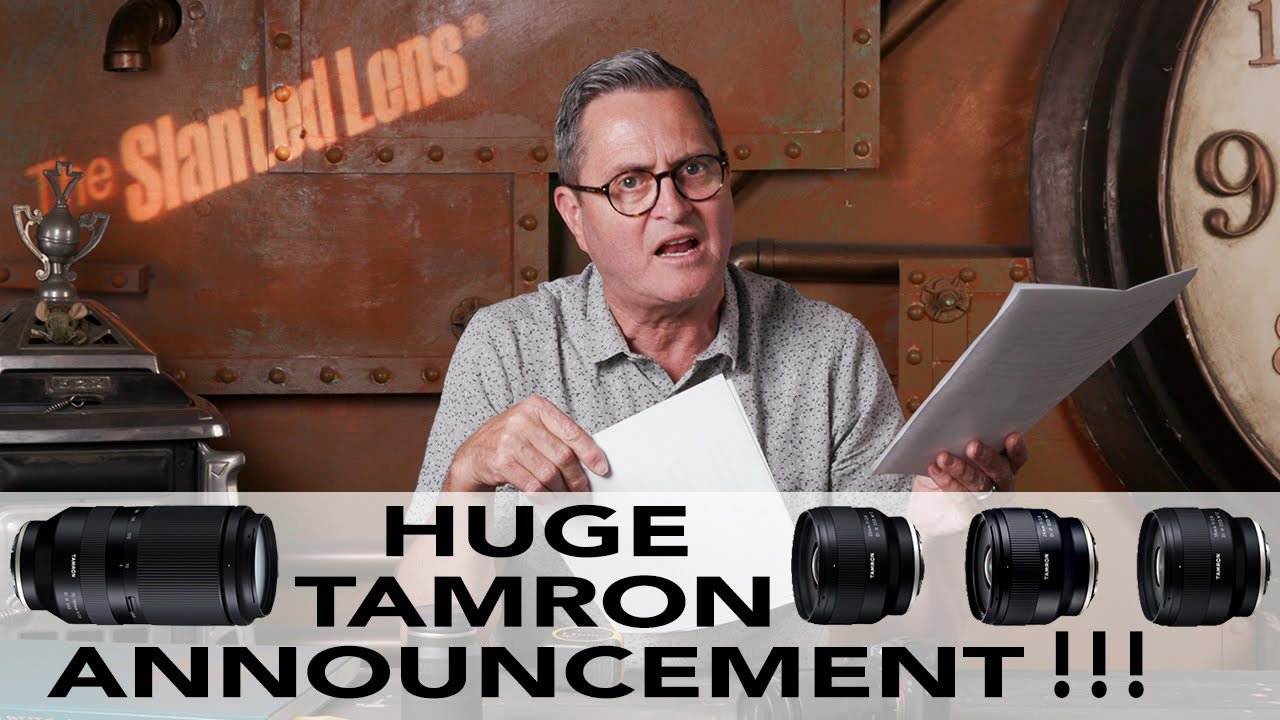
Olympus's Last Lens Is a $7,500 Mistake (And the Sony FX6 Might Be the Pro Video Camera I've Been Waiting For)

I spend a lot of mornings doing something most photographers don’t bother with: running the actual math on gear before I get excited about it. Manufacturer spec sheets are written to make things sound impressive, and that gap between “sounds impressive” and “is actually worth your money” is exactly where bad purchasing decisions live. When I watched the latest Tony & Chelsea Northrup tutorial covering Olympus’s final-ever lens release and the newly announced Sony FX6, I had that familiar feeling of someone else doing the homework I would have done anyway.

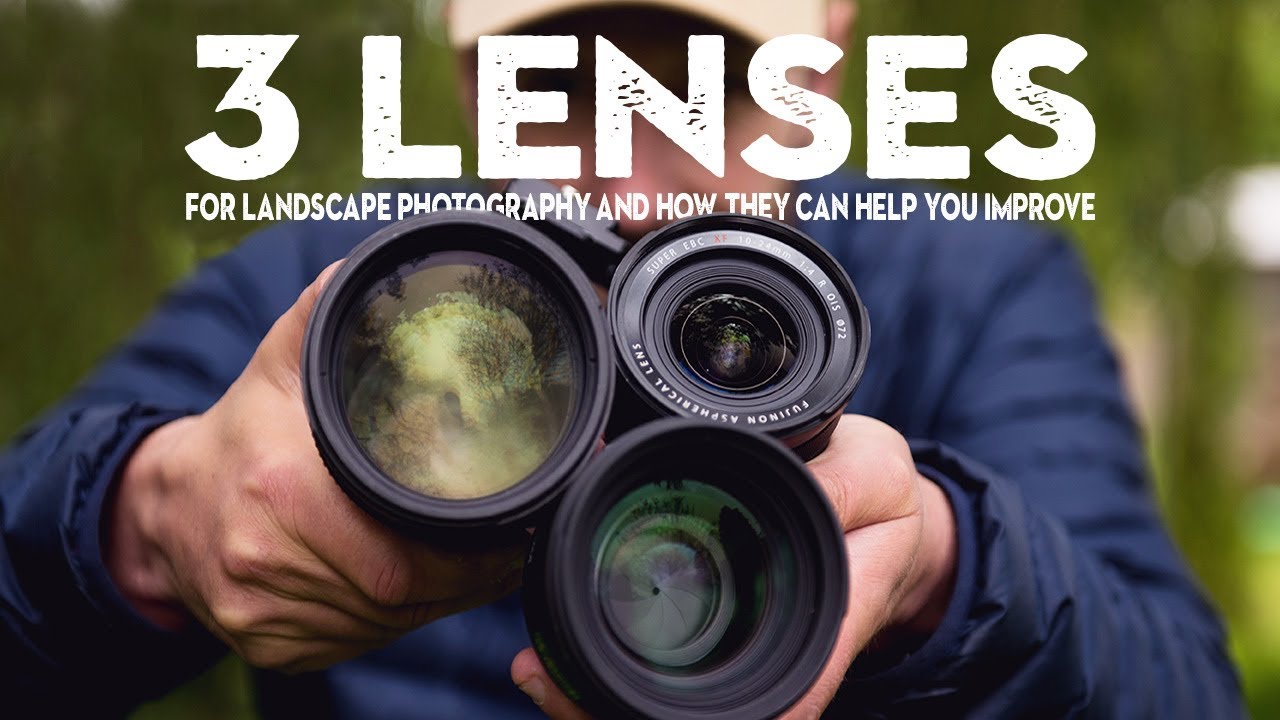
How to Actually Use a Telephoto Lens for Landscape Photography (Without Wasting Its Best Features)

How to Actually Use a Telephoto Lens for Landscape Photography (Without Wasting Its Best Features)

I came up through the budget-gear world convincing people that a kit lens could do more than they thought. And for years, I kind of overlooked the telephoto as a landscape tool because it felt like a specialty item, something wildlife shooters needed, not landscape photographers. Then I sat down with William Patino’s tutorial on making the most of your telephoto lens, and it reframed how I think about the whole focal length category.

Is the Panasonic Lumix 100-500mm the Wildlife Lens Budget Shooters Have Been Waiting For?

Is the Panasonic Lumix 100-500mm the Wildlife Lens Budget Shooters Have Been Waiting For?

Finding a wildlife lens that won’t destroy your bank account while still delivering usable results is genuinely hard. The sweet spot everyone is hunting for - enough reach, fast enough autofocus, light enough to actually carry - keeps moving just out of reach depending on your budget. I’ve been tracking telephoto options in my lens comparison spreadsheet for a while now, and the $2,100 Panasonic Lumix 100-500mm F5-7.1 recently jumped to the top of my “keep watching” list.

The Slanted Lens Holiday Mega Giveaway: Everything You Need to Know to Enter and Win

The Slanted Lens Holiday Mega Giveaway: Everything You Need to Know to Enter and Win

Every year around the holidays, I start getting the same question in my inbox: “Tyler, where’s the best place to score deals on gear right now?” My honest answer is usually the same mix of deal sites, open-box sections, and refurb listings I check before my first cup of coffee. But occasionally something comes along that makes all of that irrelevant, because the gear is just free. That’s exactly what The Slanted Lens has pulled off with their Holiday Mega Giveaway, and it’s worth paying attention to.

What Happens When You Shoot Portraits With a 600mm f/4 Lens (And What It Actually Teaches You)

What Happens When You Shoot Portraits With a 600mm f/4 Lens (And What It Actually Teaches You)

Most of my work is built around a pretty simple argument: the gear ceiling for great photos is a lot lower than the industry wants you to think. I’ve got a spreadsheet with every budget lens I’ve tested, and the pattern is consistent. Past a certain point, you’re paying for bragging rights, not better pictures. So when I came across this Tony & Chelsea Northrup tutorial where Tony hauls a 600mm f/4 telephoto out into a field to shoot portraits, my first instinct was to roll my eyes.

Canon 1DX Mark II vs Nikon D5 vs Sony a7R II: Which 4K Camera Actually Wins for Video Work?

Canon 1DX Mark II vs Nikon D5 vs Sony a7R II: Which 4K Camera Actually Wins for Video Work?

I’ll be straight with you: I spend most of my time in the sub-$1,000 camera world. That’s my lane, and I’m happy in it. But every so often a comparison comes along that’s worth studying even if you’re not the target buyer, because the trade-offs at the top of the market expose what camera manufacturers actually think matters. When I stumbled across this Tony & Chelsea Northrup comparison of the Canon 1DX Mark II, Nikon D5, and Sony a7R II, I watched the whole thing with a notebook open.

3 Wildlife Photography Tricks That Will Make You a Better Landscape Shooter (Yes, Really)

3 Wildlife Photography Tricks That Will Make You a Better Landscape Shooter (Yes, Really)

I shoot mostly landscapes. Cityscapes, mountain trails around Colorado, the occasional golden-hour field that makes my Instagram followers forget I mostly post budget gear breakdowns. Wildlife has always felt like a different sport entirely, one that requires patience I don’t have and glass I can’t afford. So when I watched Nigel Danson, a landscape photographer known for his disciplined, deliberate style, throw himself into a full wildlife shoot in the woods, I expected to learn some autofocus tricks and move on.

Canon 5D Mark IV Dual Pixel RAW: A Cool Feature You'll Probably Never Use

Canon 5D Mark IV Dual Pixel RAW: A Cool Feature You'll Probably Never Use

I’ll be straight with you: when Canon announced Dual Pixel RAW as the headline feature of the 5D Mark IV, I was genuinely excited. The idea of being able to nudge focus or shift bokeh after the fact in post-processing sounds like the kind of thing that could save a portrait session. Miss focus on a shoot? Fix it later. Wrong eye sharp on a close-up? No problem. As someone who has always believed that smart technique beats expensive gear, a software-level fix like this felt like it was built for photographers who actually work for a living.

The Tamron 28-75mm f/2.8 G2 Is the Lens I'd Buy If I Had to Start Over

The Tamron 28-75mm f/2.8 G2 Is the Lens I'd Buy If I Had to Start Over

The hardest question I get from readers is some version of: “I have $800 to spend on a lens, what do I actually buy?” Not “what’s the best lens money can buy,” but what delivers the most usable image quality for real shooting situations without burning through your whole budget. That question used to take me 20 minutes to answer. Now I send them one link. In this The Slanted Lens tutorial, Jay P.

Stop Fighting Crooked Architecture Photos — Photoshop's Guided Upright Actually Fixes Them

Stop Fighting Crooked Architecture Photos — Photoshop's Guided Upright Actually Fixes Them

Wide-angle lenses are some of the best value in photography. A 28mm prime for a couple hundred bucks will outperform kit glass on architecture, interiors, and street work all day long. But anyone who shoots buildings with a wide lens knows the tax you pay for that field of view: vertical lines that lean, columns that taper, whole walls that look like they’re about to fall over. I’ve shot interiors with a $180 lens that produced images I was genuinely proud of, and every single one needed some geometry work before it was ready to share.

Irix 11mm f/4 Blackstone Review: Is This Ultra-Wide Worth the Premium Price Tag?

Irix 11mm f/4 Blackstone Review: Is This Ultra-Wide Worth the Premium Price Tag?

There’s a question I get more than almost any other from photographers stepping up their landscape game: “What’s the widest I can go before my images start looking like a funhouse mirror?” It’s a fair concern. Ultra-wide lenses are either revelatory or a regret, and there isn’t much middle ground. When I came across this review from First Man Photography covering the Irix 11mm f/4 Blackstone, I paid close attention, because this lens sits in a price bracket that gets real consideration from shooters who aren’t ready to drop a mortgage payment on a first-party prime.

Are Camera Reviews Actually Worth Your Time? Here's an Honest Answer from Someone Who Makes Them

Are Camera Reviews Actually Worth Your Time? Here's an Honest Answer from Someone Who Makes Them

I’ll be straight with you: I got into deals and gear content because I was spending more time researching prices than actually shooting. At some point I had to ask myself whether all that research was making me a better photographer or just a more anxious one. That tension is exactly what Tony and Chelsea Northrup dig into in their Picture This Podcast episode, and it’s worth a serious look, especially if you’ve ever fallen into a rabbit hole at 11pm comparing two cameras that cost $50 apart.