Latest Articles

Forget the Fancy Gear: Sean Tucker's Food Photography Tips Actually Work in a Real Kitchen

Forget the Fancy Gear: Sean Tucker's Food Photography Tips Actually Work in a Real Kitchen

I shoot gear for a living. Tripods, lenses, light modifiers — I’ve tested more budget versions of those things than I care to admit. But food photography kept humbling me, and for a long time I couldn’t figure out why. I’d have a decent camera, decent light, and the result still looked like a cafeteria tray. It wasn’t a gear problem. I just didn’t understand what actually makes food photography work.

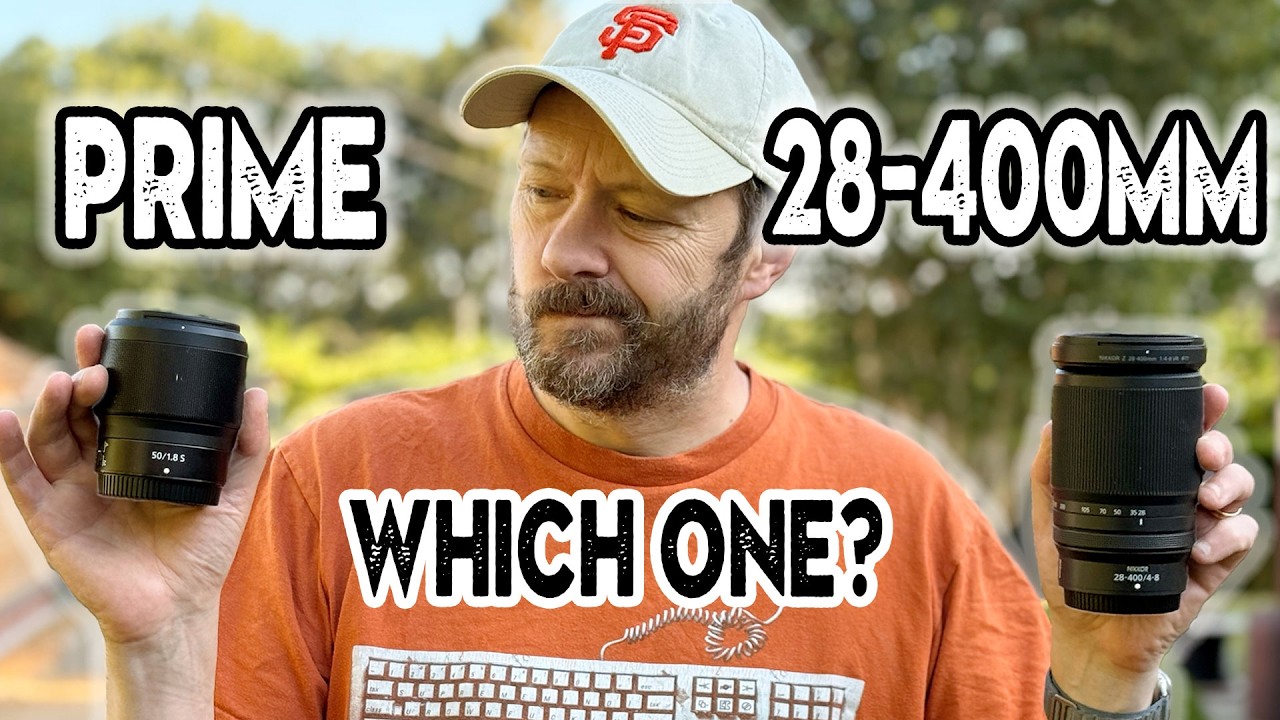
Why I'd Swap a Heavy Zoom for a Tiny Prime on Any Travel Trip (And You Probably Should Too)

Why I'd Swap a Heavy Zoom for a Tiny Prime on Any Travel Trip (And You Probably Should Too)

There’s a version of gear ownership where the “best” lens becomes a liability. I’ve watched it happen to shooters who carry a $2,000 zoom to a street market and spend more energy protecting the glass than actually shooting. The lens wins. The photos lose. In this Pierre T. Lambert tutorial, Pierre walks through a decision he’d been wrestling with for over a year: leaving his Sony 70-200mm f/2.8 at home for a trip to Tulum, Mexico, and replacing it with the Sony 85mm f/1.

Tamron 24-70 f/2.8 vs Nikon 24-70 f/2.8: The $600 Question Every Nikon Shooter Needs to Answer

Tamron 24-70 f/2.8 vs Nikon 24-70 f/2.8: The $600 Question Every Nikon Shooter Needs to Answer

Every time I put together a lens buying guide, someone in the comments asks some version of the same question: “Is the name-brand version actually worth the premium, or am I just paying for the logo?” With standard zooms, that question hits hardest in the 24-70 f/2.8 range, because these are working lenses. Photographers buy them to shoot weddings, events, portraits, travel – the stuff that actually pays or matters. The price gap between the Nikon and Tamron versions of this focal range sits around $600 at most price points, which is not rounding error money.

Tamron's 24mm and 35mm f/2.8 Primes Are the Budget Travel Lenses I've Been Waiting For

Tamron's 24mm and 35mm f/2.8 Primes Are the Budget Travel Lenses I've Been Waiting For

I have a spreadsheet. It has every budget lens I’ve tested going back three years, with columns for sharpness, bokeh quality, flare resistance, minimum focus distance, and price-per-feature. I built it because the gear market is loud and most reviews are written by people who aren’t actually flinching at the price tag. So when Tamron dropped two new compact primes for Sony mirrorless systems, both sitting under $350, I paid attention fast.

Google Pixel 5 vs iPhone 11 Pro Max: What a $700 Phone Actually Gets You

Google Pixel 5 vs iPhone 11 Pro Max: What a $700 Phone Actually Gets You

I run my whole content operation on the idea that the price tag on your gear matters a lot less than how well you understand what it can and can’t do. That philosophy got put to the test when Google sent Tony and Chelsea Northrup a Pixel 5 to review. At $700, it sits in an interesting spot: not a bargain-bin phone, but nearly $400 cheaper than the iPhone 12 Pro Max that launched around the same time.

Five Photographers Redefining Their Craft (And Why Their Gear Choices Matter)

Five Photographers Redefining Their Craft (And Why Their Gear Choices Matter)

Five Photographers Redefining Their Craft (And Why Their Gear Choices Matter) I recently had the chance to spend time with a diverse group of photographers and videographers at Sony’s Kando event in Vermont. Here’s the thing: while everyone loves talking about the latest camera body or lens announcement, the real story isn’t about new gear—it’s about what people are actually doing with the tools they already have. That’s what made this gathering genuinely refreshing.

5 Pieces of Photography Gear That Actually Earn Their Keep (And One Is Under $100 Used)

5 Pieces of Photography Gear That Actually Earn Their Keep (And One Is Under $100 Used)

I’ll be straight with you: I’m suspicious of gear lists. Most of them are just wishlists dressed up as advice, full of $3,000 lenses that nobody asking the question can actually afford. So when I watched Adam’s recent video over at First Man Photography, I wasn’t expecting much. What I got instead was a genuinely honest breakdown of five things he’s actually used, not just unboxed, over the past year or more.

How Tony & Chelsea Northrup Recreated Girl With a Pearl Earring (And What Every Portrait Shooter Can Steal From It)

How Tony & Chelsea Northrup Recreated Girl With a Pearl Earring (And What Every Portrait Shooter Can Steal From It)

I spend a lot of my time thinking about constraints. Budget constraints, gear constraints, time constraints. What I don’t think about enough is using art as a creative constraint, and that’s exactly what flipped a switch for me when I watched this tutorial. There’s a specific problem portrait photographers run into constantly: shooting something that looks intentional rather than accidental. Replicating a painting forces every decision to have a reason. The angle of light, the color of fabric, the tilt of the head.

The Canon 5DS/5DSR for Wildlife: 50 Megapixels Sounds Amazing Until You Actually Think It Through

The Canon 5DS/5DSR for Wildlife: 50 Megapixels Sounds Amazing Until You Actually Think It Through

I’ll be honest - when Canon dropped the 5DSR with 50 megapixels and no anti-aliasing filter, my first instinct was to add it to a wishlist. More megapixels for wildlife cropping? That sounds like exactly the kind of upgrade that changes everything. But I’ve learned the hard way that specs on paper have a way of falling apart when you’re standing in a field at 5am waiting for an osprey to move.

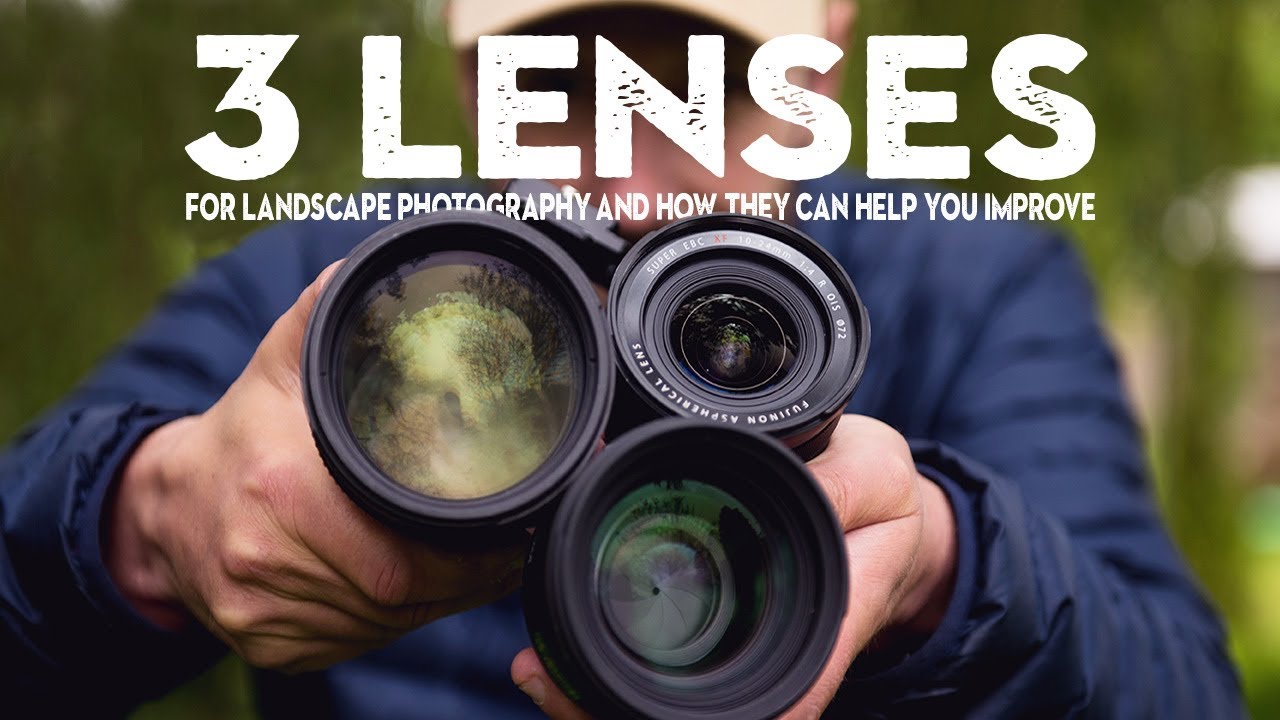
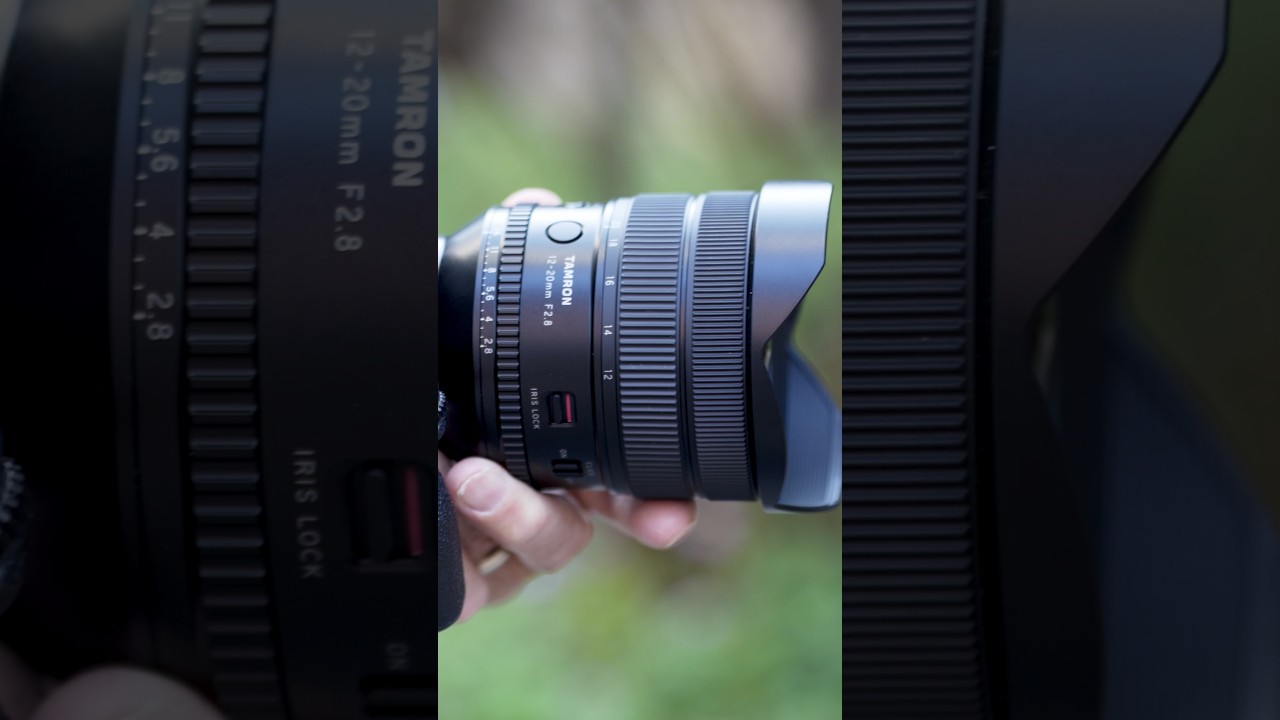
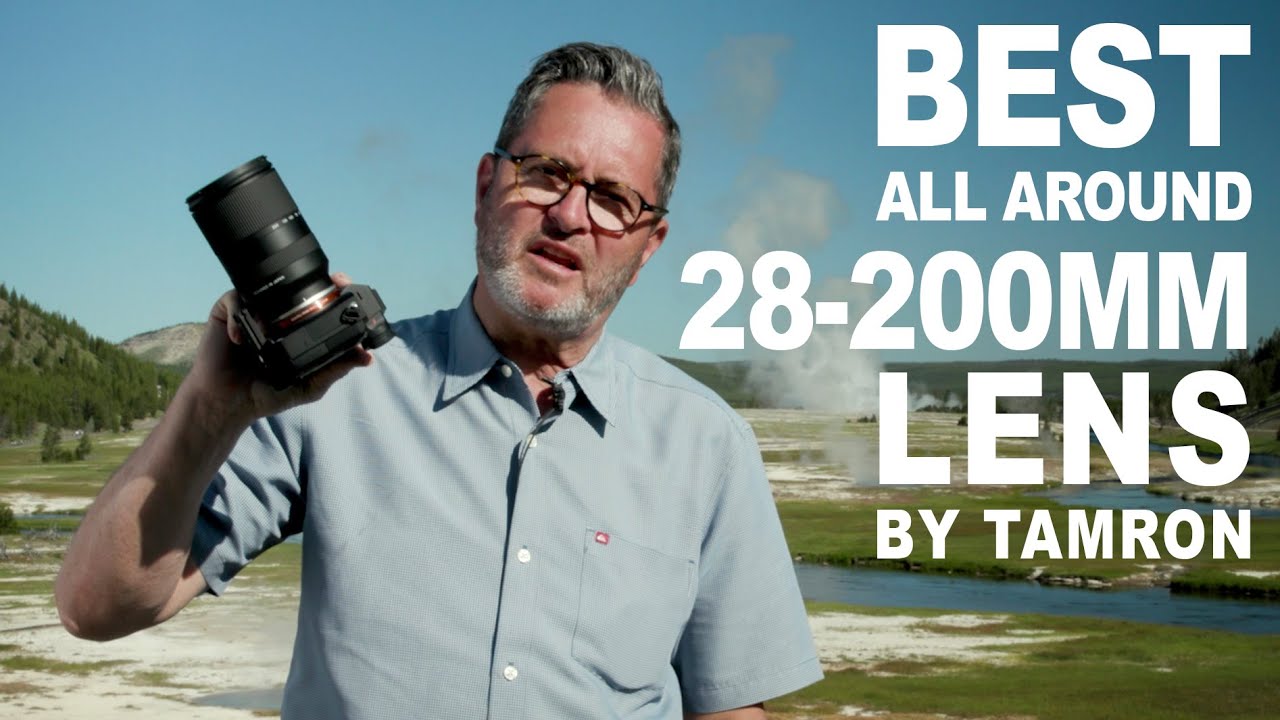
Tamron's 12-20mm f/2.8 Is the Wide-Angle Zoom I've Been Waiting For (And It Won't Break You)

Tamron's 12-20mm f/2.8 Is the Wide-Angle Zoom I've Been Waiting For (And It Won't Break You)

Every time I start pricing out ultra-wide lenses for a landscape or astro shoot, I end up closing seventeen browser tabs in frustration. The options under $1,000 are either optically soft, plasticky, or so stripped of controls that you’re basically buying a fixed aperture kit lens with a fancy name. The options over $1,000 are great, obviously, but spending that kind of money on a specialty focal length that lives in your bag for maybe 20% of your shoots is a hard sell when you’re trying to run a lean kit.

Apple's New Mac Mini and Mac Studio: More Power, Less Value for Photographers

Apple's New Mac Mini and Mac Studio: More Power, Less Value for Photographers

Apple’s New Mac Mini and Mac Studio: More Power, Less Value for Photographers I’ll be direct: I’m not thrilled about Apple’s latest desktop pricing, and neither should you be if you’re a photographer watching your budget. The new Mac Mini and Mac Studio both landed with faster chips—the M4 and M4 Pro/Max respectively. On paper, they’re genuinely better machines. Faster rendering, quicker exports, smoother Lightroom workflows. If you’re sitting in front of a three-year-old Mac, the performance jump is real.

Apple's M6 Mac Mini and Studio: Powerful Processors, Painful Price Tags

Apple's M6 Mac Mini and Studio: Powerful Processors, Painful Price Tags

The Specs Are Impressive. The Prices? Not So Much. I’ve been watching Apple’s desktop lineup for years, and I have to be honest: the new M6 chips powering the refreshed Mac Mini and Mac Studio are genuinely impressive pieces of engineering. They’re faster, more capable, and better equipped to handle the kinds of computational tasks that creative professionals—including photographers—rely on daily. But here’s where I have to pump the brakes: these machines have lost their value proposition.

Never Miss a Tutorial

Join our newsletter and get weekly tips, tutorials, and exclusive content.

Subscribe Now