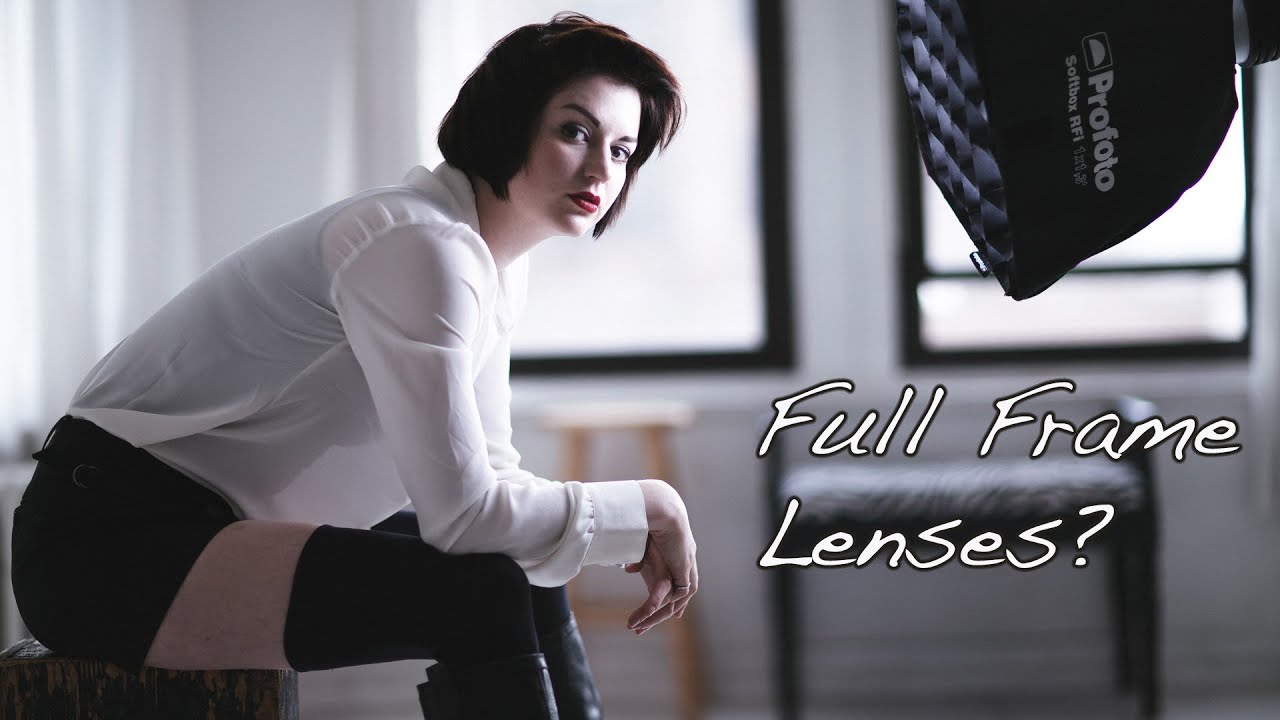
Every few weeks someone emails me asking some version of the same question: “I’m still on a crop sensor but should I just start buying full frame lenses now so I’m ready when I upgrade?” I’ve been dodging a complete answer because the honest truth is more complicated than a yes or no. Turns out Daniel Norton, a working photographer out of New York, laid out the clearest framework I’ve seen for thinking through this decision. In this Daniel Norton Photographer tutorial, he walks through the real tradeoffs between APS-C and full frame glass, and it reframed how I think about building a lens kit from scratch.
Watch the full tutorial on YouTube
What I appreciate most is that Norton doesn’t sell you on an upgrade. He’s a full frame shooter himself and he still makes the case that sticking with crop sensor lenses is sometimes the right call. That kind of honest framing is rare, and it’s exactly what most photographers buying their second or third lens actually need to hear.
Step 1: Be Honest About Whether You Actually Need Full Frame
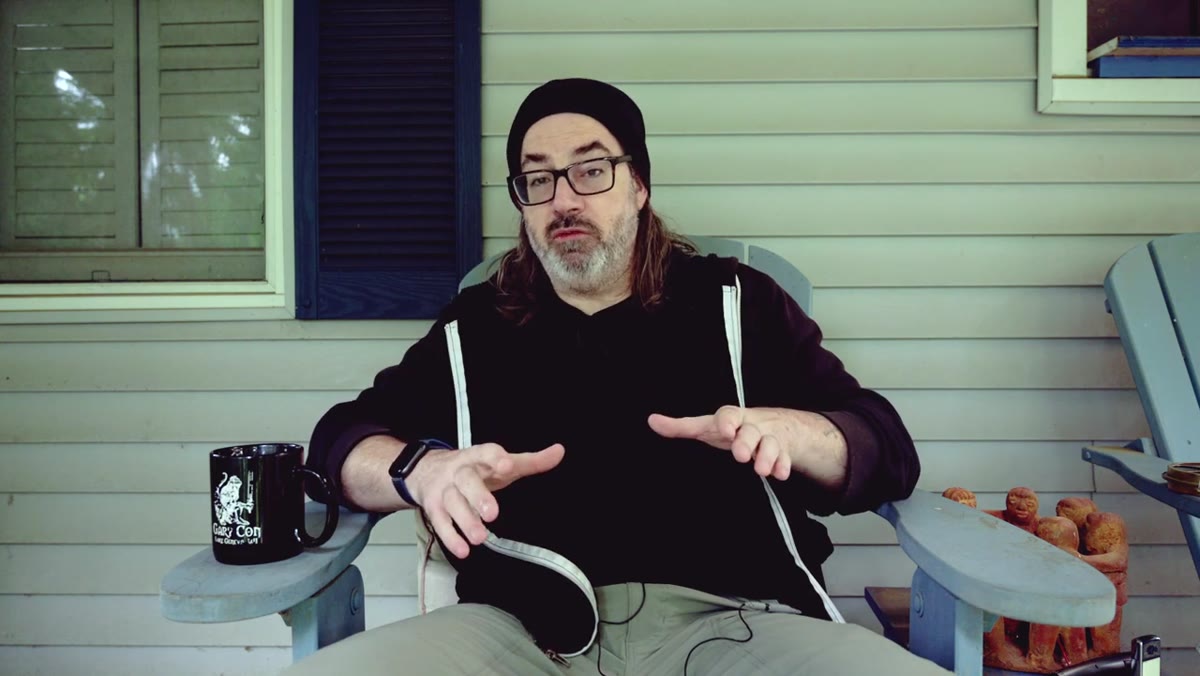 Daniel on porch discussing whether full frame is necessary
Before you touch a lens, Norton says you need to get real with yourself about your upgrade timeline. Not “I’ll probably go full frame eventually” vague, but actually: do you have a date and a budget set aside? If the answer is no, then buying full frame lenses as a hedge is basically pre-spending money on a future you might never arrive at. A lot of photographers want full frame because of the hype around it, not because it’s solving an actual problem they’re hitting in their work.
Daniel on porch discussing whether full frame is necessary
Before you touch a lens, Norton says you need to get real with yourself about your upgrade timeline. Not “I’ll probably go full frame eventually” vague, but actually: do you have a date and a budget set aside? If the answer is no, then buying full frame lenses as a hedge is basically pre-spending money on a future you might never arrive at. A lot of photographers want full frame because of the hype around it, not because it’s solving an actual problem they’re hitting in their work.
The gear decision only makes sense once you’ve settled the camera decision. If you’re earning money with an APS-C camera right now and it’s working, that’s not a failure state you need to escape. Norton is direct about this: full frame doesn’t automatically unlock better results or more income. The lens strategy follows from the camera plan, not the other way around.
Step 2: Weigh the Real Cost and Size Differences
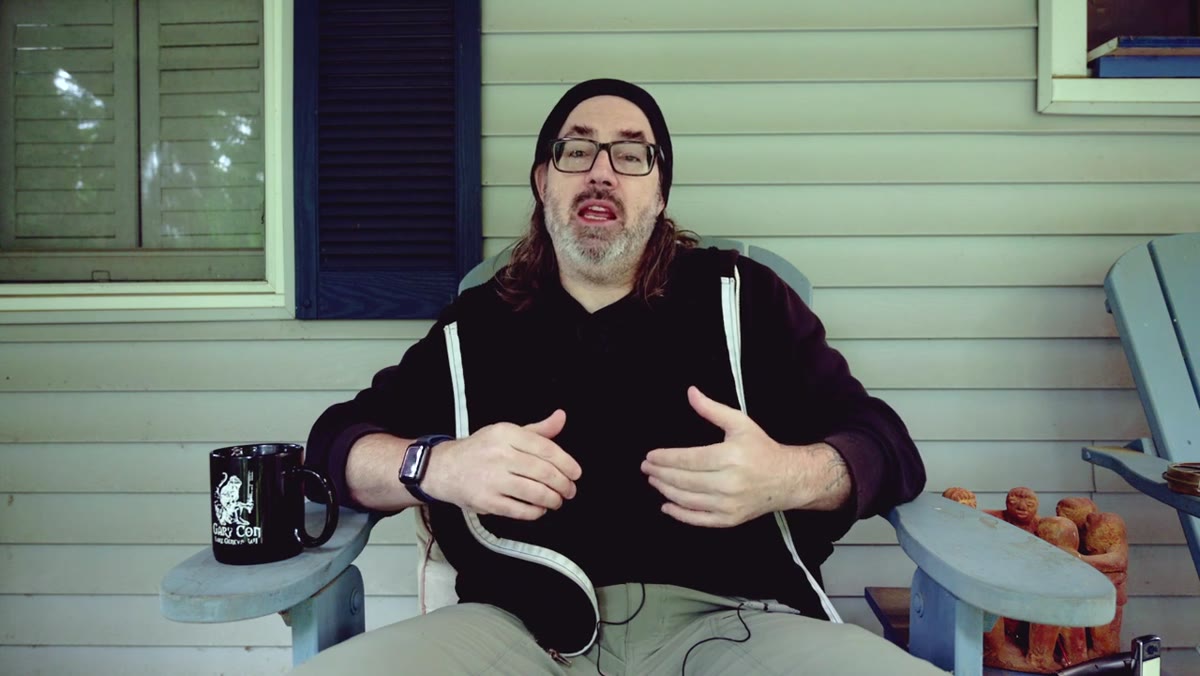 Norton explaining lens size and cost tradeoffs
APS-C lenses are almost always cheaper and physically smaller than their full frame counterparts. That’s not a minor footnote, it’s a significant part of your total kit cost. If you’re buying a wide, a standard zoom, and a portrait prime, the price gap between crop-specific and full frame versions of those lenses can easily run into hundreds of dollars. Norton makes the point that for someone on a realistic budget, that gap matters.
Norton explaining lens size and cost tradeoffs
APS-C lenses are almost always cheaper and physically smaller than their full frame counterparts. That’s not a minor footnote, it’s a significant part of your total kit cost. If you’re buying a wide, a standard zoom, and a portrait prime, the price gap between crop-specific and full frame versions of those lenses can easily run into hundreds of dollars. Norton makes the point that for someone on a realistic budget, that gap matters.
Size compounds this. A smaller sensor system with matching lenses means a lighter bag, which means you actually bring the camera more often. A lens that stays home because it’s too heavy to bother with isn’t serving you, no matter how sharp it is. This is where you have to be honest about how you actually shoot, not how you imagine yourself shooting.
Step 3: Match the Lens System to How You Use the Camera
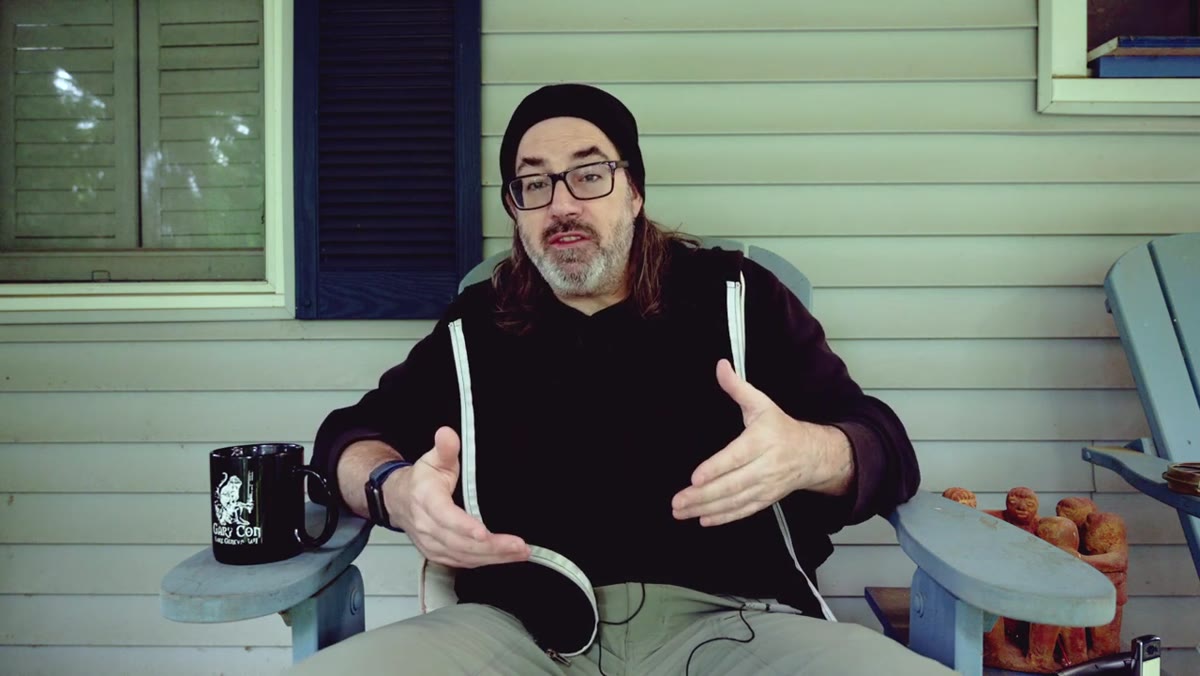 Norton comparing Z50 and Z6II side by side in bag
Norton uses a Nikon Z50 as his video camera, which is an APS-C body. He could mount his full frame lenses on it, and sometimes does for specific shots, but day to day he uses the native APS-C lens. His reason is simple: he grabs that camera because it’s small. The moment you add a large full frame lens to a compact crop body, you’ve defeated the whole point of carrying the smaller system.
Norton comparing Z50 and Z6II side by side in bag
Norton uses a Nikon Z50 as his video camera, which is an APS-C body. He could mount his full frame lenses on it, and sometimes does for specific shots, but day to day he uses the native APS-C lens. His reason is simple: he grabs that camera because it’s small. The moment you add a large full frame lens to a compact crop body, you’ve defeated the whole point of carrying the smaller system.
He describes stacking the Z50 with its 16-50mm kit lens next to the Z6 II with the 24-70mm f/4 in a bag. The full frame combo takes roughly twice the space. If you’re a hiker, a traveler, or someone who shoots street and values discretion, that size difference is not abstract. It’s the difference between leaving the camera at home and taking it with you.
Step 4: Identify the Cases Where Full Frame Glass on a Crop Body Actually Makes Sense
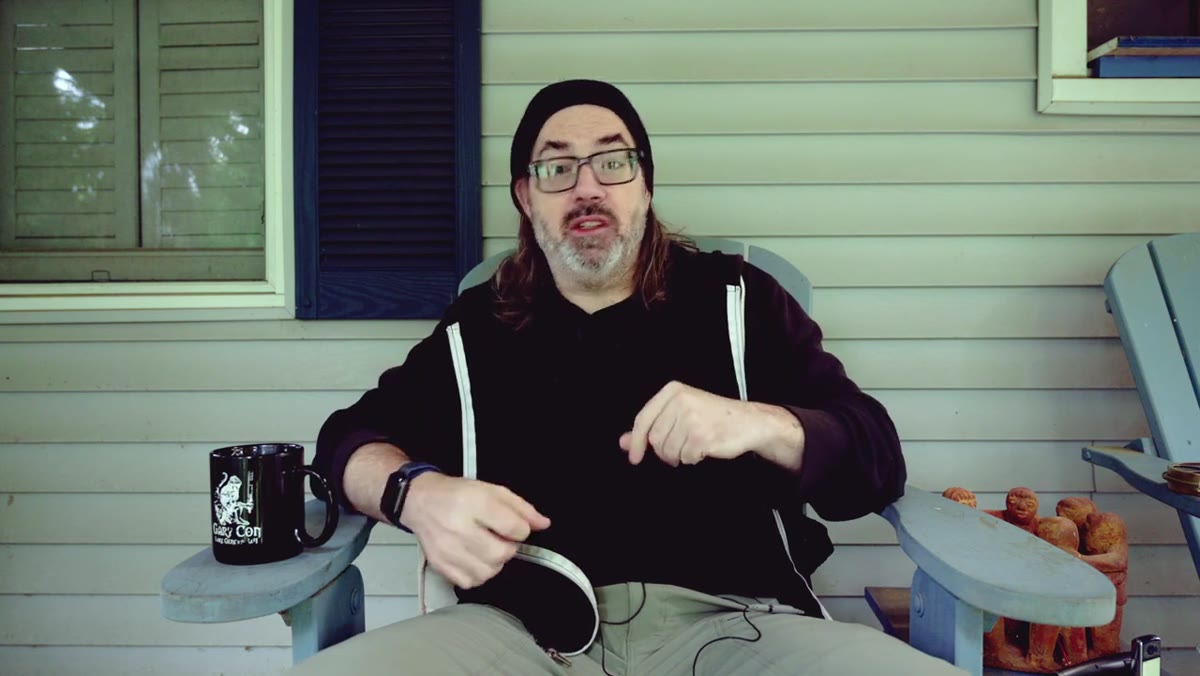 Norton shifting to reasons to buy full frame lenses
Here’s where the advice gets more nuanced. If you’re working professionally, have a concrete plan to move to full frame within a defined timeframe, and your budget allows it, buying full frame glass now is a reasonable investment. Good full frame lenses hold their value, they’ll transfer directly to your next body, and you avoid the situation where you’ve built out a nice APS-C lens collection that becomes dead weight the day you upgrade.
Norton shifting to reasons to buy full frame lenses
Here’s where the advice gets more nuanced. If you’re working professionally, have a concrete plan to move to full frame within a defined timeframe, and your budget allows it, buying full frame glass now is a reasonable investment. Good full frame lenses hold their value, they’ll transfer directly to your next body, and you avoid the situation where you’ve built out a nice APS-C lens collection that becomes dead weight the day you upgrade.
Norton also points toward optical quality as a factor. Some full frame lenses, particularly in systems where the crop lineup is thin or underdeveloped, are simply better glass. If you need a specific focal length or maximum aperture and the only strong option lives in the full frame lineup, it can make sense to buy that lens now even on a crop body. The image circle more than covers the smaller sensor, so optically there’s no downside.
Step 5: Consider the Long-Term Value of Your Lens Ecosystem
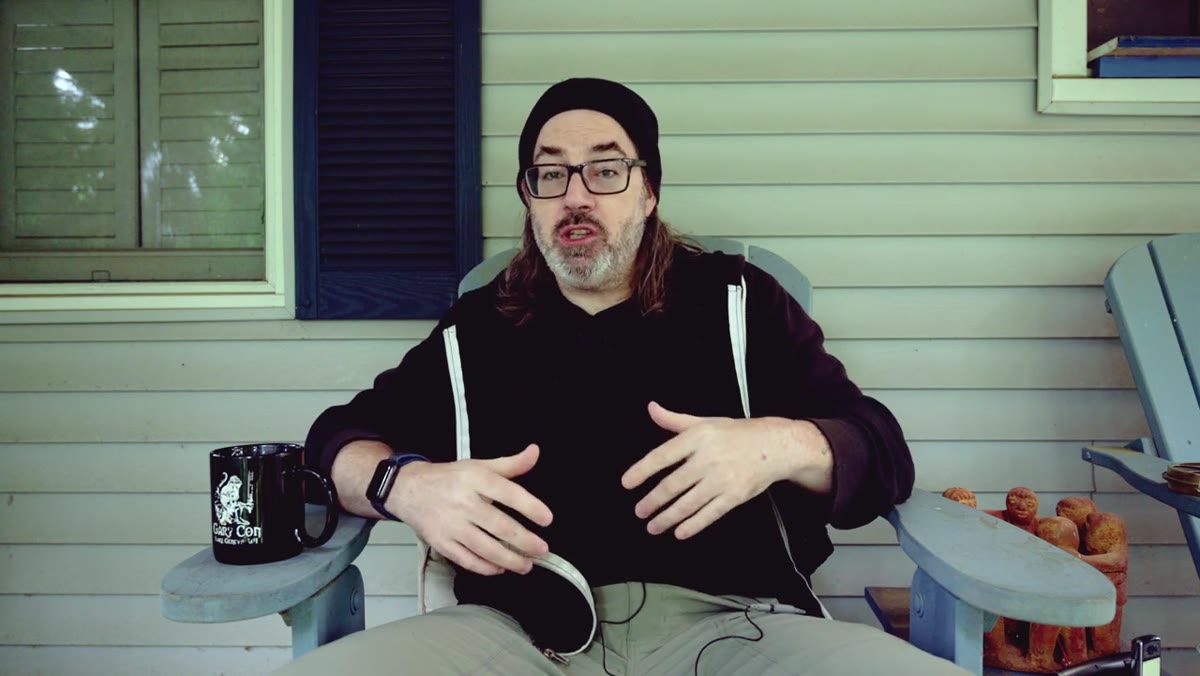 Discussion of planning lenses on a professional budget
The final filter Norton applies is brand and mount ecosystem stability. If you’re shooting a system where the full frame and APS-C bodies share the same mount, your glass is portable between bodies and you’re not locked into a choice. That makes full frame lenses a smarter long-term bet in those systems. If the mounts are different, you’re essentially committing to one path or the other.
Discussion of planning lenses on a professional budget
The final filter Norton applies is brand and mount ecosystem stability. If you’re shooting a system where the full frame and APS-C bodies share the same mount, your glass is portable between bodies and you’re not locked into a choice. That makes full frame lenses a smarter long-term bet in those systems. If the mounts are different, you’re essentially committing to one path or the other.
Think about lens resale value too. Full frame lenses from major manufacturers tend to hold value better than crop-specific lenses, particularly as APS-C systems get refreshed or discontinued. If you’re someone who cycles through gear (and I absolutely am), resale value is a real part of the total cost equation.
My Take: The Spreadsheet Doesn’t Lie
I’ve tested a lot of budget lenses across both sensor sizes, and the honest conclusion I keep landing on is that the best lens is the one matched to the system you’re actually using today. Buying ahead is a form of gear anxiety disguised as planning. I started this whole reviews side of things after realizing I was spending more time researching prices than actually shooting, and the APS-C vs full frame lens question is exactly the kind of rabbit hole that eats hours.
If you’re on a crop sensor and you love it, buy the best APS-C lens in your budget and shoot with it. Upgrade the body when you have a genuine reason and the funds to do it cleanly. Don’t let the idea of a future camera make your current camera feel like a compromise.
The single most useful thing Norton says in this tutorial is also the simplest: look at yourself realistically. Not where you want to be, not where you think serious photographers are supposed to be. Where you actually are, what you actually shoot, and what you can actually afford. Lens decisions get a lot easier from that starting point.
Watch the full tutorial on YouTube and hear Norton work through the full breakdown in his own words. He covers more scenario-specific examples that are worth your time if you’re actively staring down this decision.
Comments (2)
Tried this technique this morning. Game changer for real.
Just used this on a wedding shoot edit. Client was thrilled.
Leave a Comment