I’ll be honest. I spent way too long convinced that my images were soft or flat because of my glass. I’d pull up my shots next to sample images from photographers I admired and immediately start mentally pricing out lenses. That spreadsheet I keep with every budget lens I’ve tested? Half the entries exist because I was chasing a look that had nothing to do with the lens at all.
It was light. It was always light.
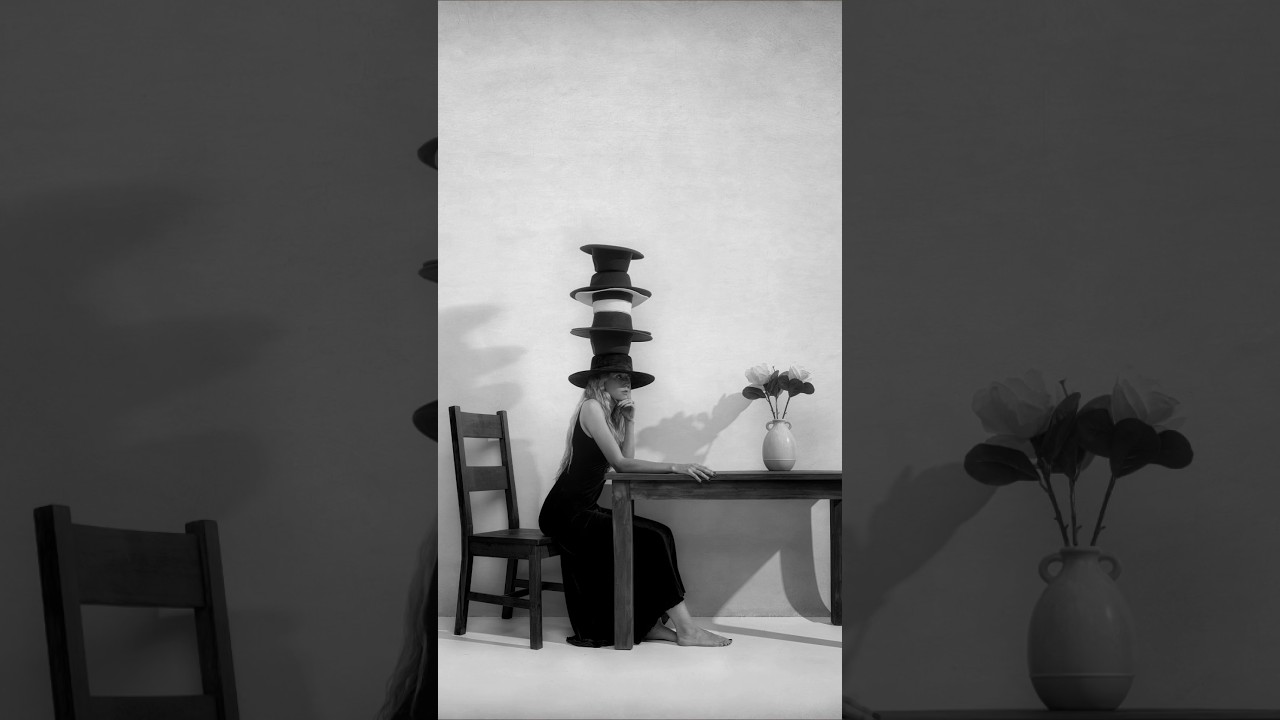
That realization hit harder after watching this short from Joel Grimes, where he demonstrates in real time how changing the angle of a light source completely transforms the same subject with the same lens. No gear swap. No new body. Just moving light.
The Setup Is Simpler Than You’d Expect
Grimes keeps the demonstration tight and visual, which is exactly why it works as a short. He’s working with a single light source and a subject, and the whole point is to show what happens as that light moves around the subject rather than staying flat and frontal.
The core idea is that flat, frontal light kills dimension. When light hits a face or object straight on, you lose shadows, and shadows are what create the sense of depth and three-dimensionality that separates a compelling image from a snapshot. This isn’t a new concept, but watching Grimes demonstrate it live makes it click in a way that reading about it in a tutorial article (yes, including this one) doesn’t always do.
What Happens When You Move the Light
The technique he’s demonstrating is essentially a walk around the subject with the light source, observing how shadows fall and shift. As the light moves to the side, you start to see form emerge. Move it further and you get dramatic split lighting. Pull it slightly behind the subject and you’re into rim or edge lighting territory, where the subject separates from the background with a thin line of light.
Here’s how to replicate this on your own, even if you’re working with cheap gear:
Start with your subject in a neutral position. Use a single continuous light source, a speedlight with a shoot-through umbrella, a window, even a desk lamp pointed at a white foam board for bounce. Place it directly in front of the subject and shoot a frame. Then move the light to roughly 45 degrees to one side and shoot again. Then 90 degrees (side lighting), and finally somewhere between 90 and directly behind the subject.
Look at those four frames side by side. The subject didn’t change. The lens didn’t change. The only variable is the angle of incidence for the light, and the difference between the flattest and most dramatic frame will be significant enough to surprise you if you haven’t done this exercise before.
Grimes’s point, and it’s a good one, is that understanding this relationship is foundational. Before you worry about modifiers, before you worry about power ratios, before you definitely worry about which lens you’re using, you need to understand what direction does.
Where This Connects to Lens Obsession (And Why It’s a Trap)
Here’s where I want to be direct with people who spend time on this site looking for the next deal on glass. I am one of those people. I check deal aggregators before I’ve had coffee. I have opinions about budget 50mm lenses that most people reserve for things that actually matter.
But I’ve done blind tests. At a local photography meetup I brought prints from two different camera systems, one setup costing around $500 total, one closer to $2000, and nobody in the room could reliably tell which was which. The shots that looked better weren’t from the more expensive rig. They were lit better.
That’s the trap Grimes is implicitly calling out. When your images look flat or uninspiring, the instinct is to blame the tool. The lens is soft. The sensor is noisy. The kit zoom isn’t fast enough. Sometimes those things are true. But light direction costs nothing to change, and it has a bigger impact than most lens upgrades you could make under $300.
One Place This Technique Gets Complicated
Where I’d push back slightly, or at least add nuance, is in outdoor and run-and-gun situations where you can’t reposition the light because the light is the sun. The principle still applies, but now instead of moving the light, you’re moving your subject or adjusting your shooting time and position.
I’ve been in situations shooting outdoor portraits where the light was harsh and overhead, and no amount of knowing “move the light to 45 degrees” helps you when you can’t touch the light source. In those cases, a reflector or a cheap LED panel as a fill becomes the workaround. You can’t move the sun, but you can add a secondary source that modifies how the existing shadows read. Same principle, different application.
For anyone shooting events, street, or documentary work, the Grimes framework is still useful as a way of reading available light before you position yourself. Where is the light coming from? What angle is it hitting my subject? Can I reposition the subject or myself to get more dimension? Those questions, asked quickly, will improve your hit rate more than a new lens.
The One Thing to Walk Away With
Light direction is a variable you control even when everything else is fixed. Master that before you spend another dollar on glass.
Watch the full Joel Grimes video to see the visual demonstration. Seeing the shadows shift in real time is worth more than any written breakdown, including this one.
Comments
Leave a Comment