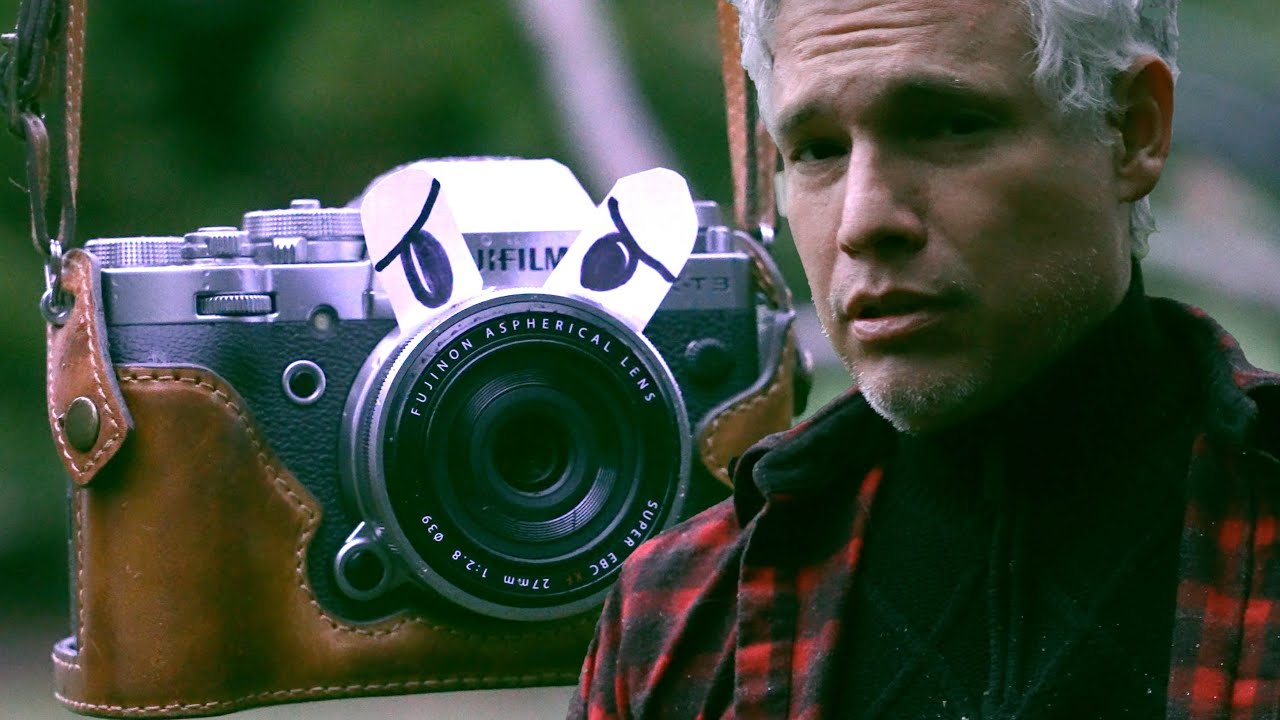
I have a problem that I suspect a lot of gear-focused photographers share: I research and buy equipment constantly, which means I also have a slowly growing pile of stuff I no longer use. A Canon body here, a kit lens there, a drone I flew twice. For a long time I told myself I’d list everything on Facebook Marketplace “eventually.” That eventually never came, because dealing with flaky buyers, lowball offers, and the paranoia of shipping expensive glass to strangers is genuinely exhausting. So the gear sits.
That’s exactly why I found this Watch the full tutorial on YouTube Tony and Chelsea Northrup video so useful. Tony actually walks through a live virtual appraisal session with KEH Camera, one of the most established used gear buyers in the country, and shows you the entire process in real time. No theory, no vague promises. You see the questions, the gear inspection, and the actual dollar offer on screen. If you have anything collecting dust right now, this is the process worth knowing.
The core insight here is that KEH offers a virtual video appraisal option where a buyer looks at your gear through your webcam or phone camera and gives you a price on the spot. No shipping anything blind. No waiting days for an email. You see the offer before you commit to anything.
Step 1: Book the Virtual Appraisal Appointment
 Tony explaining the online appointment booking process
Head to the KEH website and set up a virtual video appointment. This is different from the standard online quote tool, which just has you fill out a form. The virtual option connects you live with an actual buyer via a video call, similar to a Zoom meeting. Tony books his session this way and notes that you can also get a quote through their website if you prefer to skip the live call, but the real-time session removes a lot of the uncertainty because you get to ask questions and hear the reasoning behind the offer.
Tony explaining the online appointment booking process
Head to the KEH website and set up a virtual video appointment. This is different from the standard online quote tool, which just has you fill out a form. The virtual option connects you live with an actual buyer via a video call, similar to a Zoom meeting. Tony books his session this way and notes that you can also get a quote through their website if you prefer to skip the live call, but the real-time session removes a lot of the uncertainty because you get to ask questions and hear the reasoning behind the offer.
Step 2: Set Up Good Lighting Before the Call
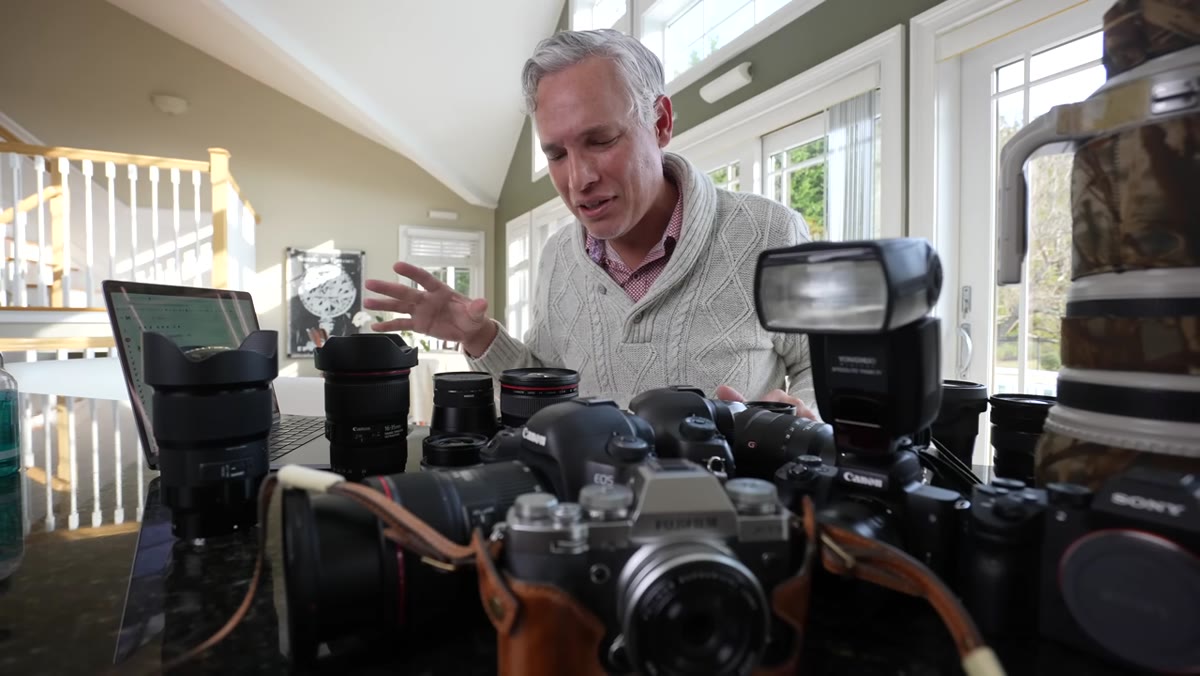 Tony on video call showing gear to KEH buyer Brian
This one sounds minor but the KEH buyer, Brian, specifically calls it out during the call: be in a well-lit room. The appraiser is making grading decisions based on what they can see through your camera. If your background is dark or your gear is backlit, they cannot accurately assess cosmetic condition. Natural window light or a simple desk lamp pointed at your shooting surface makes a real difference. You want them to see exactly what you have, because accurate grading is what gets you an accurate offer.
Tony on video call showing gear to KEH buyer Brian
This one sounds minor but the KEH buyer, Brian, specifically calls it out during the call: be in a well-lit room. The appraiser is making grading decisions based on what they can see through your camera. If your background is dark or your gear is backlit, they cannot accurately assess cosmetic condition. Natural window light or a simple desk lamp pointed at your shooting surface makes a real difference. You want them to see exactly what you have, because accurate grading is what gets you an accurate offer.
Step 3: Understand How KEH Grades Gear
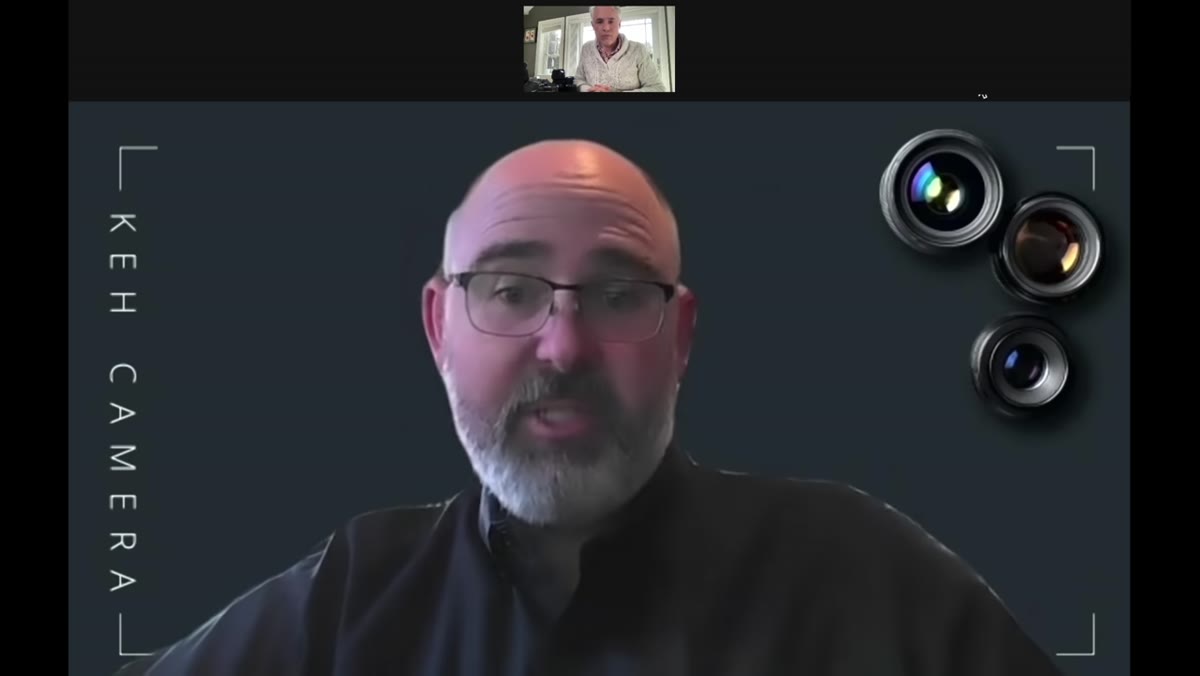 Brian explaining grading criteria and aesthetics
KEH’s grading system comes down to two main factors: functionality and aesthetics. Brian explains that once they confirm the camera or lens works properly and there are no issues like haze or fungus in the glass, the offer is almost entirely based on cosmetic condition. How close does it look to brand new? Tony’s Canon 5DSR has some light scratching on the mode dial and brassing along the top edges, which places it in a used but solid condition tier. Knowing this in advance helps you be honest with yourself about what your gear is actually worth before the call starts.
Brian explaining grading criteria and aesthetics
KEH’s grading system comes down to two main factors: functionality and aesthetics. Brian explains that once they confirm the camera or lens works properly and there are no issues like haze or fungus in the glass, the offer is almost entirely based on cosmetic condition. How close does it look to brand new? Tony’s Canon 5DSR has some light scratching on the mode dial and brassing along the top edges, which places it in a used but solid condition tier. Knowing this in advance helps you be honest with yourself about what your gear is actually worth before the call starts.
Step 4: Show the Gear Clearly on Camera
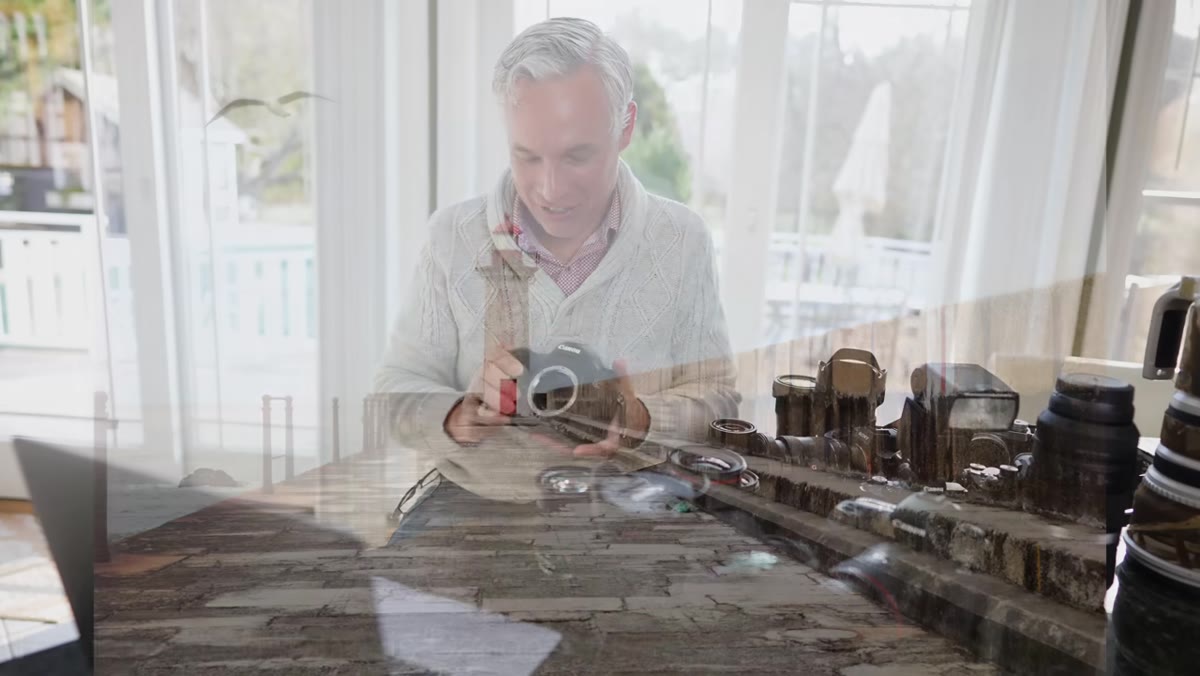 Tony holding Canon 5DSR up and rotating it for inspection
Hold each piece of gear up close to your camera and rotate it slowly so the appraiser can see all sides. Bottom, top, front, back. Tony does this with his 5DSR and Brian walks him through what he is looking for in real time. You do not need a fancy camera for this. Tony is using a standard webcam and Brian confirms that phones and tablets work fine too. The goal is just clear visibility. If there are scratches or dings, do not try to hide them. KEH grades on what they see when they receive the item, and if the condition is worse than described, the offer gets adjusted after the fact anyway.
Tony holding Canon 5DSR up and rotating it for inspection
Hold each piece of gear up close to your camera and rotate it slowly so the appraiser can see all sides. Bottom, top, front, back. Tony does this with his 5DSR and Brian walks him through what he is looking for in real time. You do not need a fancy camera for this. Tony is using a standard webcam and Brian confirms that phones and tablets work fine too. The goal is just clear visibility. If there are scratches or dings, do not try to hide them. KEH grades on what they see when they receive the item, and if the condition is worse than described, the offer gets adjusted after the fact anyway.
Step 5: Get the Offer and Decide With Zero Pressure
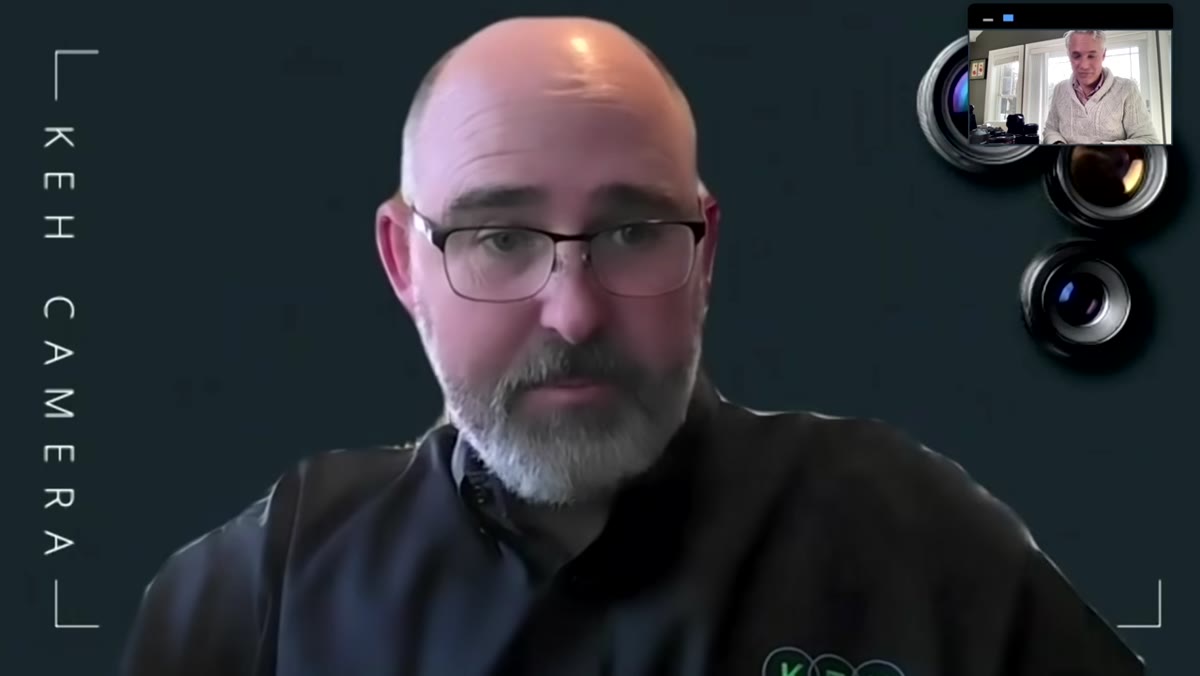 Brian offering $825 for the Canon 5DSR body
Once the appraiser has seen the gear, they give you a number right there on the call. Tony’s 5DSR gets an $825 offer. At this point you can accept, decline, or move on to the next item in your pile. There is no obligation. If you ship gear to KEH and the physical condition turns out to be worse than what showed on camera, they adjust the offer and give you the option to get everything sent back at no charge. That two-way no-risk structure is what makes this worth doing over a private sale for a lot of people.
Brian offering $825 for the Canon 5DSR body
Once the appraiser has seen the gear, they give you a number right there on the call. Tony’s 5DSR gets an $825 offer. At this point you can accept, decline, or move on to the next item in your pile. There is no obligation. If you ship gear to KEH and the physical condition turns out to be worse than what showed on camera, they adjust the offer and give you the option to get everything sent back at no charge. That two-way no-risk structure is what makes this worth doing over a private sale for a lot of people.
Step 6: Know What Else KEH Buys (and What to Skip)
 Tony asking about flashes, tripods, bags, and drones
Tony asks specifically about accessories beyond cameras and lenses, and the answers are worth knowing before you pull everything out of your closet. KEH does buy flashes, some tripods, and drones. They are selective about bags and tend to focus on higher-end ones. They do not buy everything, so it is worth checking their site or asking on the call before you get your hopes up about a basic kit bag or a cheap monopod. Also, Tony asks whether having original boxes adds value. The answer is basically no unless the gear is virtually brand new. Clear out that shelf guilt-free.
Tony asking about flashes, tripods, bags, and drones
Tony asks specifically about accessories beyond cameras and lenses, and the answers are worth knowing before you pull everything out of your closet. KEH does buy flashes, some tripods, and drones. They are selective about bags and tend to focus on higher-end ones. They do not buy everything, so it is worth checking their site or asking on the call before you get your hopes up about a basic kit bag or a cheap monopod. Also, Tony asks whether having original boxes adds value. The answer is basically no unless the gear is virtually brand new. Clear out that shelf guilt-free.
Step 7: Understand the Trade-Off on Price
 Brian explaining 65-70% of retail pricing and hassle-free convenience
KEH typically offers around 65 to 70 percent of what they plan to sell the item for. Tony asks about this directly and gets a straight answer. You could make more selling privately on eBay or Facebook Marketplace, full stop. But KEH handles the shipping, covers you against return fraud, and pays you immediately once the deal is done. For anyone who has dealt with a buyer claiming a lens arrived broken three weeks after delivery, that protection has real dollar value. It is a convenience trade-off, not a scam.
Brian explaining 65-70% of retail pricing and hassle-free convenience
KEH typically offers around 65 to 70 percent of what they plan to sell the item for. Tony asks about this directly and gets a straight answer. You could make more selling privately on eBay or Facebook Marketplace, full stop. But KEH handles the shipping, covers you against return fraud, and pays you immediately once the deal is done. For anyone who has dealt with a buyer claiming a lens arrived broken three weeks after delivery, that protection has real dollar value. It is a convenience trade-off, not a scam.
My Take: The Math Actually Works Out Better Than It Looks
I ran some rough numbers on a lens I was debating selling last year. After eBay fees, PayPal fees, shipping materials, and the one buyer I refunded because they changed their mind, the private sale route would have netted me maybe 10 to 15 percent more than a KEH offer. For a $300 item that is $30 to $45. For the time I spent dealing with messages and packaging, that works out to a bad hourly rate. If the gear is worth over $1,000 the math shifts a little, but for the mid-range bodies and lenses that make up most people’s “someday I’ll sell this” pile, KEH’s convenience is closer to a wash than people assume.
The single most important thing to take away here is that KEH’s virtual appraisal removes every excuse for letting old gear sit unused. You get a real offer, in real time, with no obligation and no upfront risk. If the number works for you, great. If it does not, you lost nothing but 20 minutes. Watch the full process including Tony’s live session with Brian here: Watch the full tutorial on YouTube
Comments (3)
This saved me so much time on my last edit. Wish I'd found this sooner.
The tip about how to sell your old camera ge was the missing piece for me. Thank you.
Couldn't agree more. I've seen this make a huge difference in retouching work specifically.
Leave a Comment