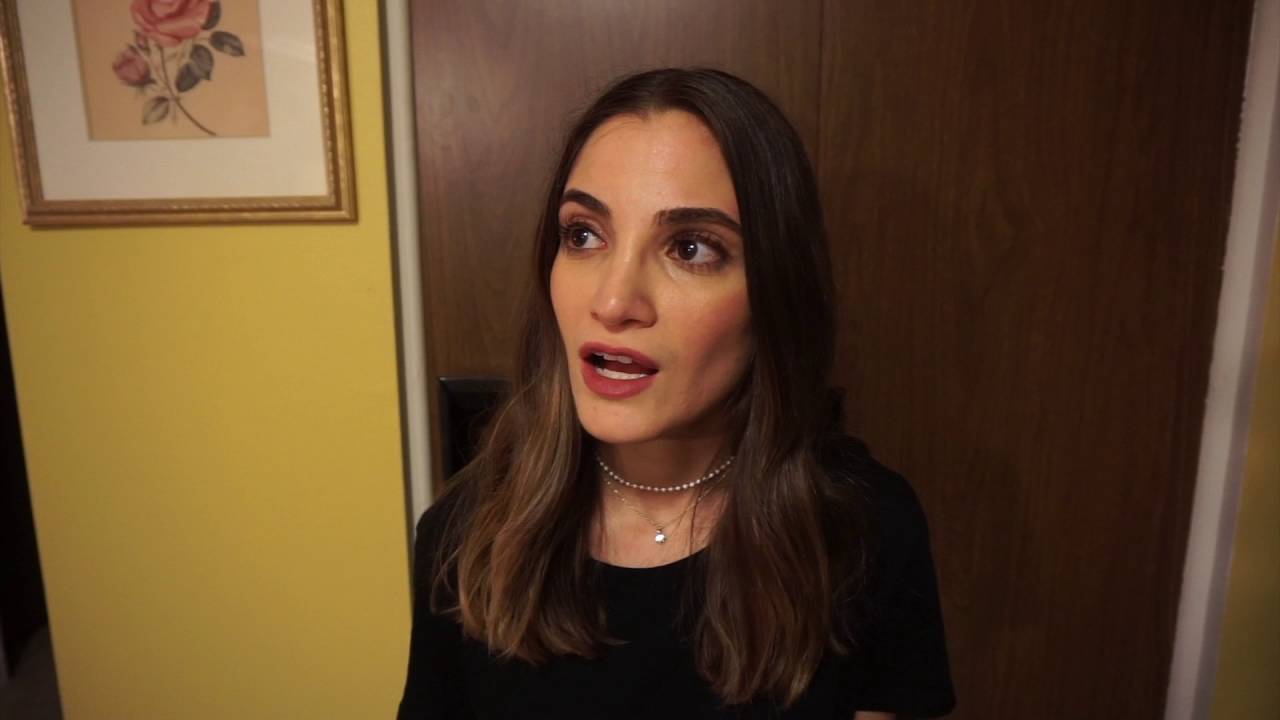
Rejection doesn’t care how good your gear is. I learned that early. I started this whole path with a $300 camera kit, shot a wedding on a shoestring, and got those photos published in a local magazine. But before that win, I got ghosted by potential clients, turned down for collaborations, and ignored by people I cold-emailed. The gear was never the obstacle. My ability to shake it off and keep moving was.
That’s exactly why this Jessica Kobeissi tutorial hit me harder than most photography content I’ve watched this year. Watch the full tutorial on YouTube. It’s not about lighting ratios or color grading. It’s about the part of a photography career nobody puts in a gear review: how you mentally handle the constant stream of no’s, cancellations, and quiet failures that come with doing this professionally. Kobeissi is blunt, personal, and practical. That combination is rare.
What follows is my breakdown of the framework she walks through, translated into steps you can actually apply the next time things go sideways on a shoot or a pitch.
Step 1: Acknowledge That Rejection Is a Volume Game, Not a Personal Verdict
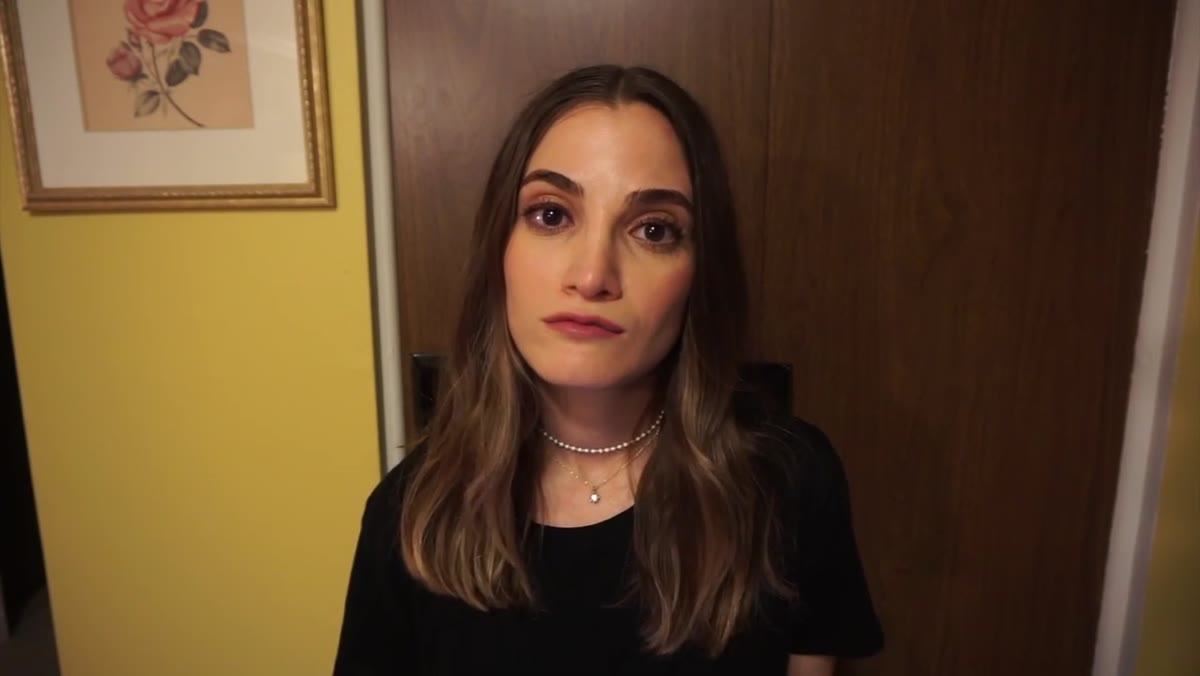 Jessica speaking directly to camera about being rejected countless times
Kobeissi is upfront: she has been rejected an enormous number of times. Not a few. Not occasionally. Constantly, across her whole career. The first mental shift she pushes is separating the rejection from your identity as a photographer. Getting a “no” from a client or a collaborator is data. It tells you something about fit, timing, or circumstance. It doesn’t tell you whether you’re talented or whether your career has a future.
Jessica speaking directly to camera about being rejected countless times
Kobeissi is upfront: she has been rejected an enormous number of times. Not a few. Not occasionally. Constantly, across her whole career. The first mental shift she pushes is separating the rejection from your identity as a photographer. Getting a “no” from a client or a collaborator is data. It tells you something about fit, timing, or circumstance. It doesn’t tell you whether you’re talented or whether your career has a future.
This sounds obvious until you’re sitting in your car after a client passes on your quote and you start questioning whether you should have bought a different lens. You didn’t need a different lens. You need to reframe what just happened.
Step 2: Let Yourself Feel It, Then Set a Hard Stop
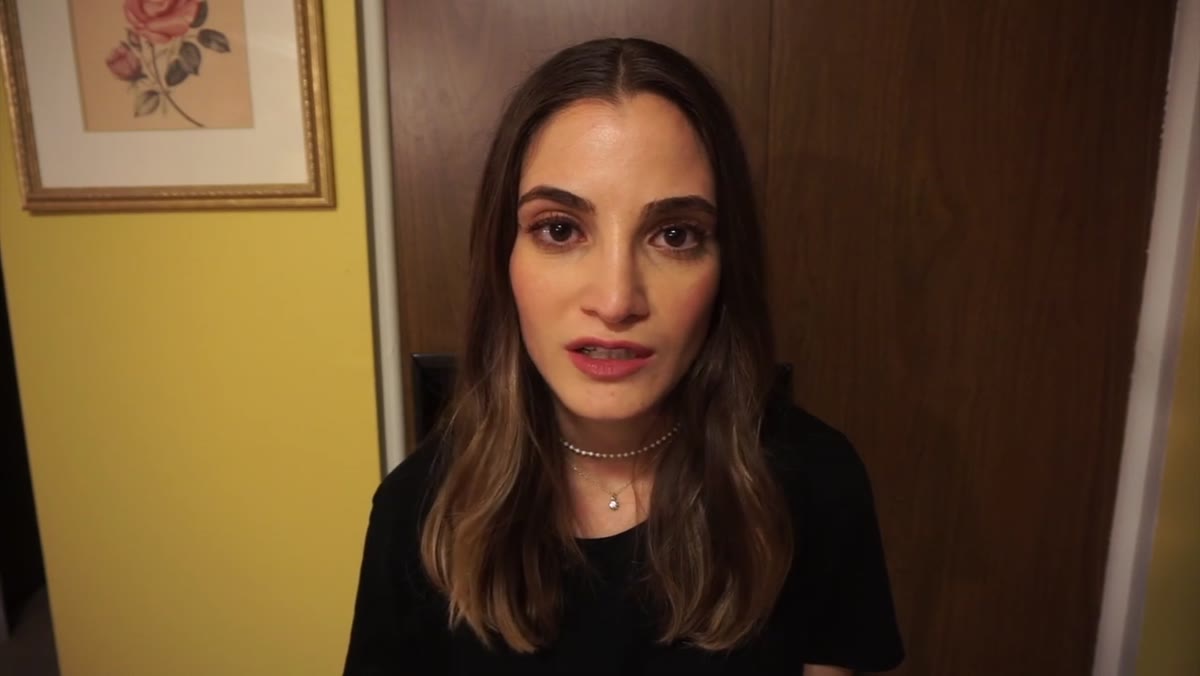 Jessica recounting the moment she cried after a job rejection
Kobeissi doesn’t tell you to suppress the emotion. She talks openly about crying after a major rejection, specifically a job she wanted badly that slipped away while she was grinding through years of retail work. The important distinction she makes is that feeling the disappointment and being paralyzed by it are two completely different things.
Jessica recounting the moment she cried after a job rejection
Kobeissi doesn’t tell you to suppress the emotion. She talks openly about crying after a major rejection, specifically a job she wanted badly that slipped away while she was grinding through years of retail work. The important distinction she makes is that feeling the disappointment and being paralyzed by it are two completely different things.
Give yourself a window. Feel the frustration. Be honest about the fact that it stings. Then draw a line and decide what you’re doing next. Kobeissi’s approach: she cried, then she got up and started contacting people. That gap between “this hurt” and “okay, what now” is the actual skill being trained here.
Step 3: Reinterpret the Closed Door as Redirection
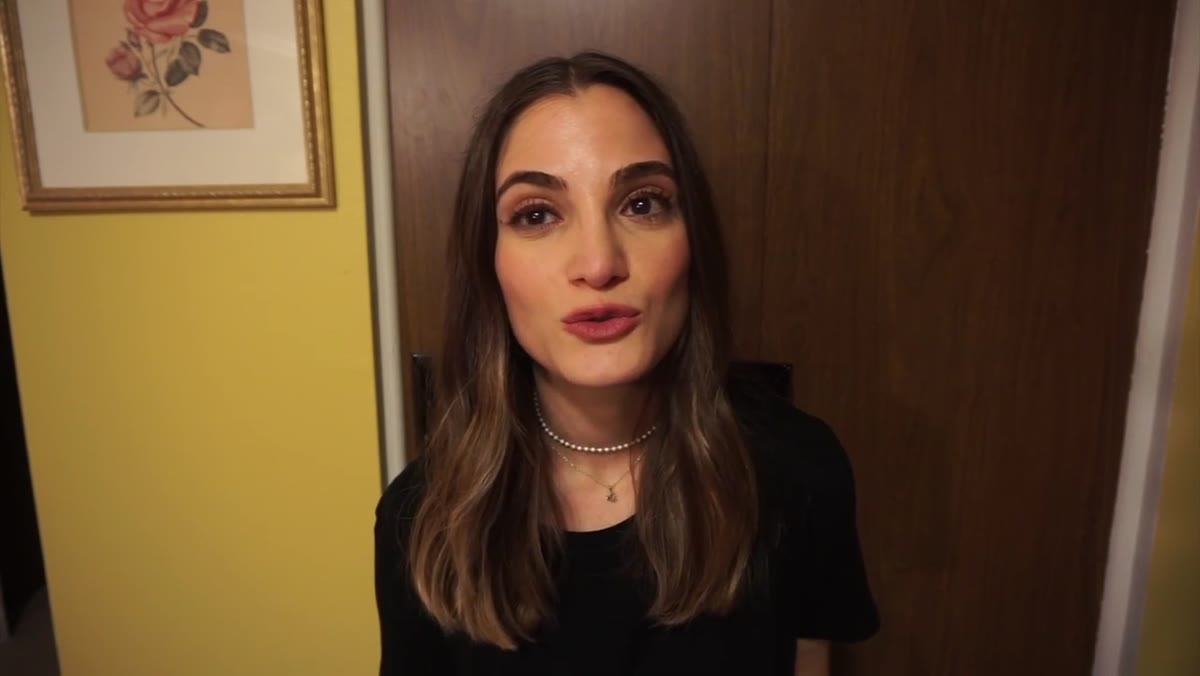 Jessica explaining how a rejected job led her into photography
This is where Kobeissi gets specific about her own story. The job she didn’t get pushed her toward a different path, and that path led her directly into photography. She’s not spinning a motivational poster here. She’s pointing at a real, documented pivot in her own life where a rejection forced a decision that turned out to be better.
Jessica explaining how a rejected job led her into photography
This is where Kobeissi gets specific about her own story. The job she didn’t get pushed her toward a different path, and that path led her directly into photography. She’s not spinning a motivational poster here. She’s pointing at a real, documented pivot in her own life where a rejection forced a decision that turned out to be better.
The practical takeaway: when something falls through, resist the impulse to immediately chase the exact same thing again. Ask whether the closed door is pointing somewhere else. Sometimes the replacement opportunity is worse. But sometimes, as in Kobeissi’s case, it’s the whole career.
Step 4: Treat Every Cancellation as a Problem to Solve, Not a Reason to Stop
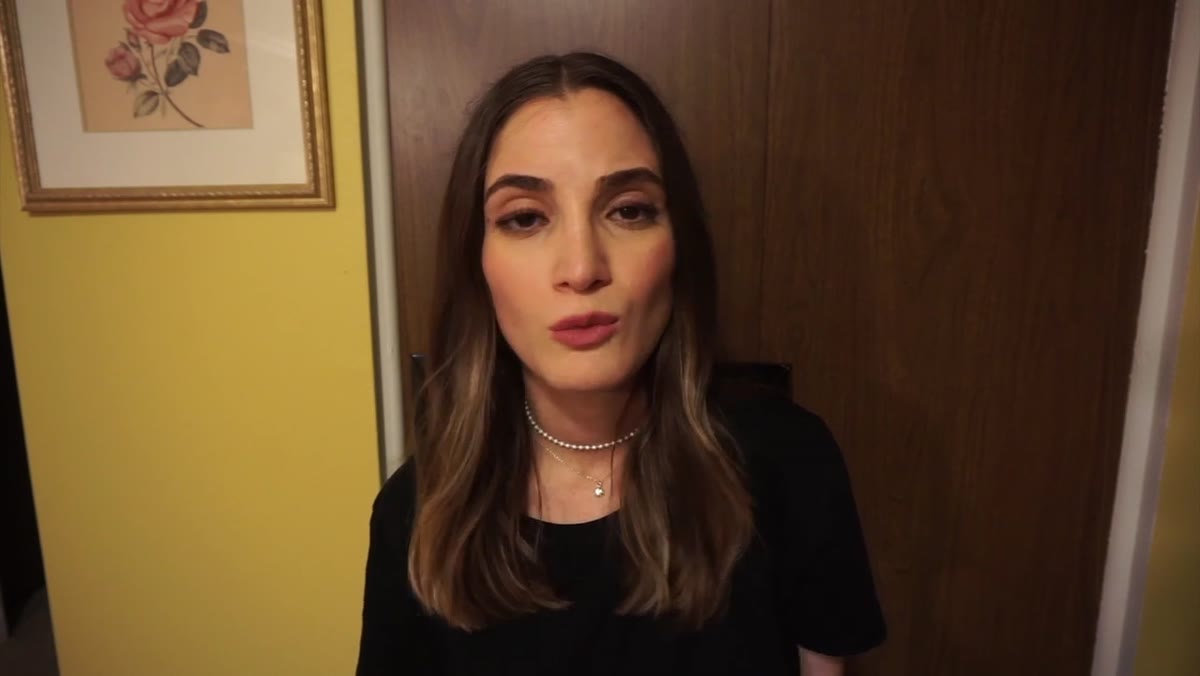 Jessica talking about models canceling shoots last minute
Last-minute cancellations from models, makeup artists, or second shooters are going to happen. Kobeissi’s framework here is simple: your goal doesn’t end because one person dropped out. The shoot still needs to happen. Your job is to figure out how.
Jessica talking about models canceling shoots last minute
Last-minute cancellations from models, makeup artists, or second shooters are going to happen. Kobeissi’s framework here is simple: your goal doesn’t end because one person dropped out. The shoot still needs to happen. Your job is to figure out how.
She gives concrete examples. Makeup artist canceled? Learn the basics yourself, or have the model do their own. The point isn’t that you should become a licensed esthetician. It’s that resourcefulness is a professional skill, and every time you find a workaround instead of canceling the whole project, you’re building that skill. I’ve replaced a $200 brand-name product with a $12 Amazon find for a shoot before. Same logic: the constraint forced a creative solution that actually worked.
Step 5: Build a “Find Someone Else” Reflex
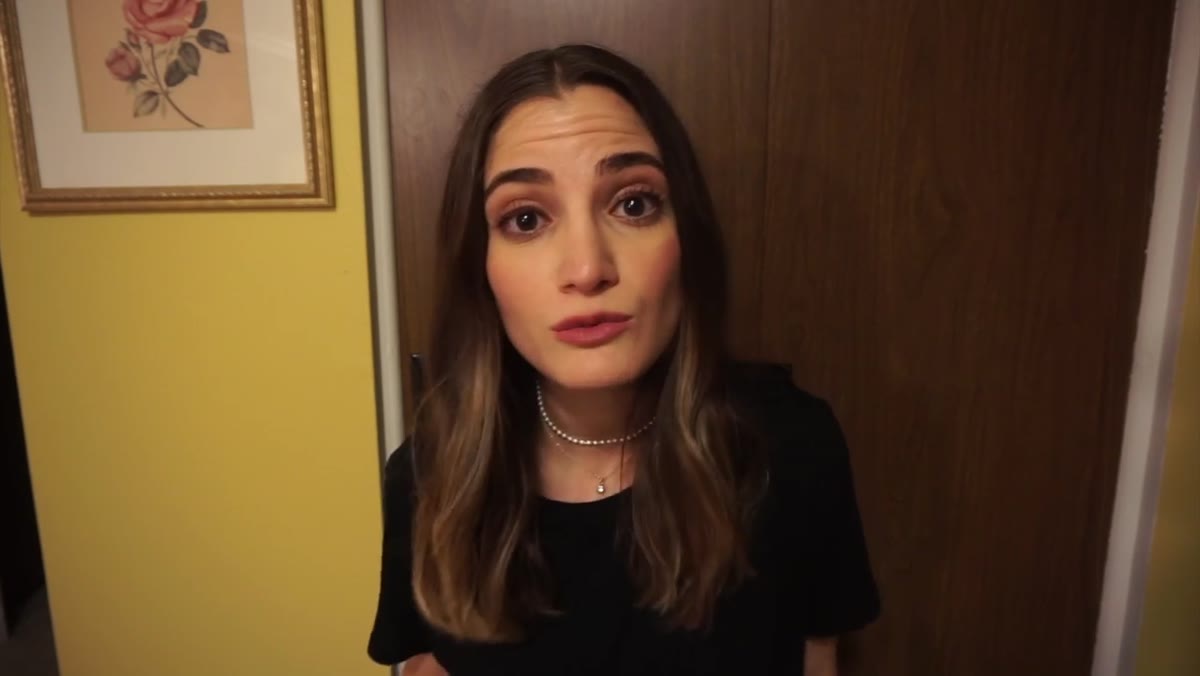 Jessica describing her mindset when someone won’t collaborate
When a potential collaborator says no, Kobeissi’s internal response is immediate: fine, I’ll find someone else. Not resentment. Not second-guessing the ask. Just a pivot to the next option. She’s explicit that her goals are not contingent on any single person’s participation.
Jessica describing her mindset when someone won’t collaborate
When a potential collaborator says no, Kobeissi’s internal response is immediate: fine, I’ll find someone else. Not resentment. Not second-guessing the ask. Just a pivot to the next option. She’s explicit that her goals are not contingent on any single person’s participation.
This is a reflex you build deliberately. Start keeping a running list of photographers, models, makeup artists, and other creatives you’d want to work with. Update it regularly. When someone falls through, you don’t start from zero because you already have five other names queued up. The list is the system. The system is what keeps you moving.
Step 6: Use the Record of Failure as Fuel, Not a Wound
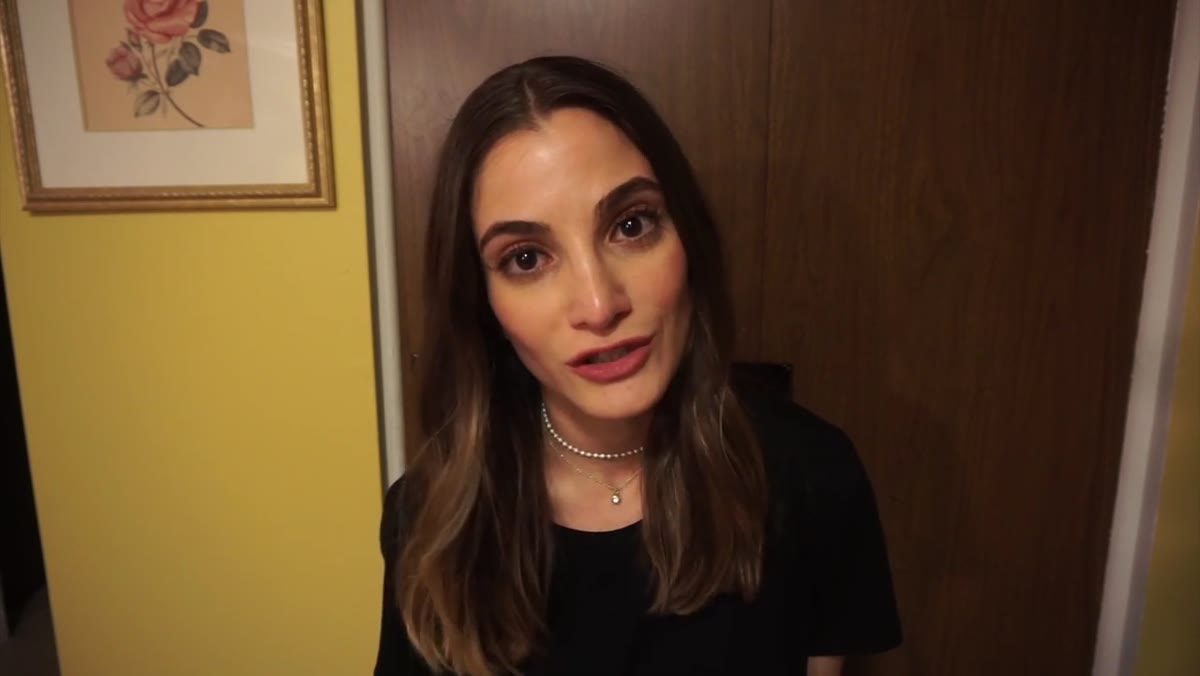 Jessica admitting she still has the rejection email saved in Gmail
Kobeissi mentions that she still has a rejection email saved in her Gmail, years later. She didn’t delete it. She didn’t pretend it didn’t happen. She kept it. That’s a choice, and it says something about how she uses her history of failure as motivation rather than burying it.
Jessica admitting she still has the rejection email saved in Gmail
Kobeissi mentions that she still has a rejection email saved in her Gmail, years later. She didn’t delete it. She didn’t pretend it didn’t happen. She kept it. That’s a choice, and it says something about how she uses her history of failure as motivation rather than burying it.
You don’t need to archive every painful email, but you do need to stop treating your failures as evidence that you should quit. They’re a record of how many times you stayed in the game. Every rejection you survived is proof that you’re still here.
What I’d Add From My Own Experience
Kobeissi’s framework is strong, but there’s a gear-specific layer to this that I think is worth naming for photographers who are just starting out. A lot of early rejection comes wrapped in a story we tell ourselves: “If I had better equipment, I’d have gotten that client.” I’ve tested that assumption directly. At a local meetup, I ran a blind test where nobody could identify which shots came from a $500 camera versus a $2,000 one. Nobody. The rejection you’re experiencing almost certainly has nothing to do with your gear, and buying a new body to cope with it is just expensive avoidance.
The real variable is what Kobeissi is talking about: persistence, adaptability, and the willingness to get back to work after a hard day. Those don’t cost anything. They just require showing up again tomorrow.
The single most useful thing to take from this tutorial is that your response to failure is a skill, not a personality trait you either have or don’t. Kobeissi built it. You can build it. The framework is: feel it briefly, reframe it honestly, solve the immediate problem, and keep the list of alternatives ready before you need them.
Watch the full tutorial on YouTube and hear Kobeissi walk through this in her own words. It’s worth the 20 minutes.
Comments (4)
Just subscribed. If the rest of your content is this good, I'm in.
This is fantastic. I've been recommending this approach to my readers too.
Printing this out and pinning it next to my monitor. That good.
Love how you break down complex stuff into manageable steps.
Leave a Comment