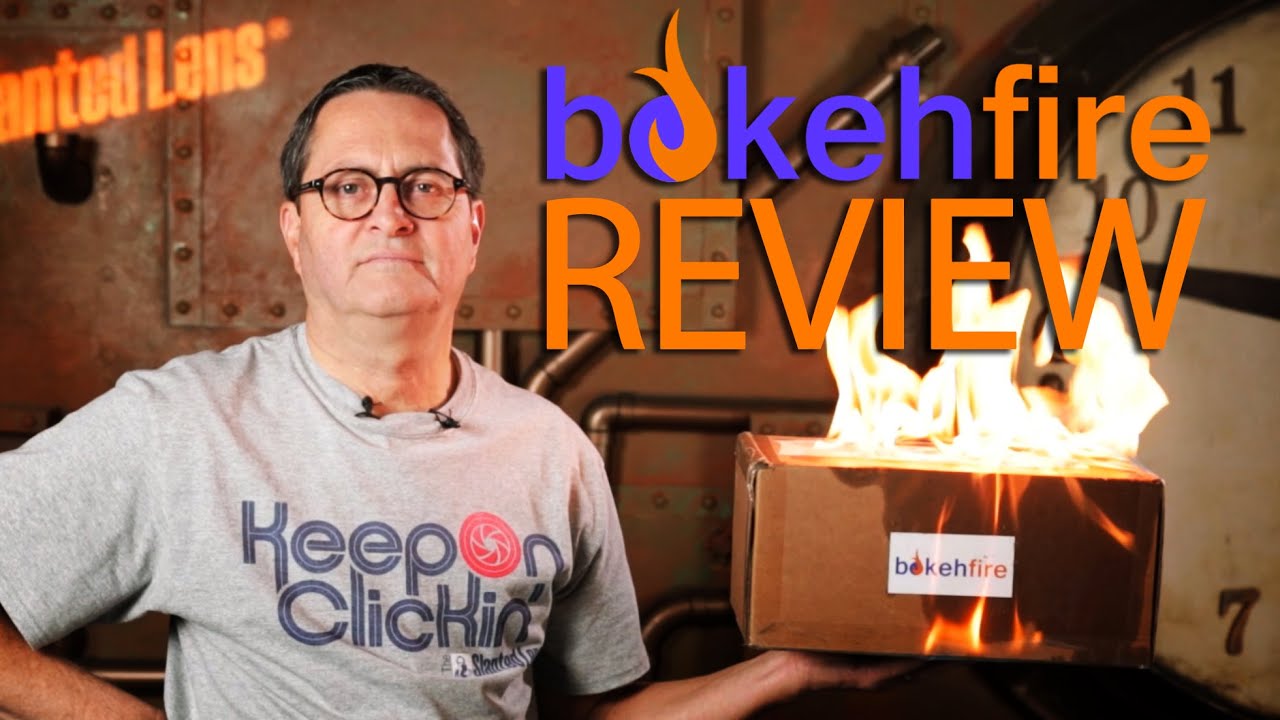
I’ve spent a lot of money on lenses I barely use. There’s a tilt-shift sitting on my shelf right now that I’ve touched maybe four times in two years. Every time I look at it, I do the math: what that thing cost divided by the number of shoots it’s actually appeared on. It’s not a flattering calculation. So when JP Morgan over at The Slanted Lens dropped a review of a service called Bokeh Fire, I watched it twice. Not because it’s flashy, but because it directly addresses the most boring and painful part of building a lens kit: spending a lot upfront on something you might not actually need long-term.
Watch the full tutorial on YouTube
In this The Slanted Lens tutorial, JP walks through how Bokeh Fire works as a monthly lens subscription. The pitch is simple: instead of buying a lens outright, you pay a monthly fee, they ship you a lens, you use it, box it back up, and request the next one. It’s the Netflix model applied to glass, and once JP started actually using it on set, he found himself rethinking which lenses he actually needed to own versus which ones he just needed access to occasionally. That’s a distinction worth taking seriously.
Step 1: Sign Up and Pick a Subscription Tier
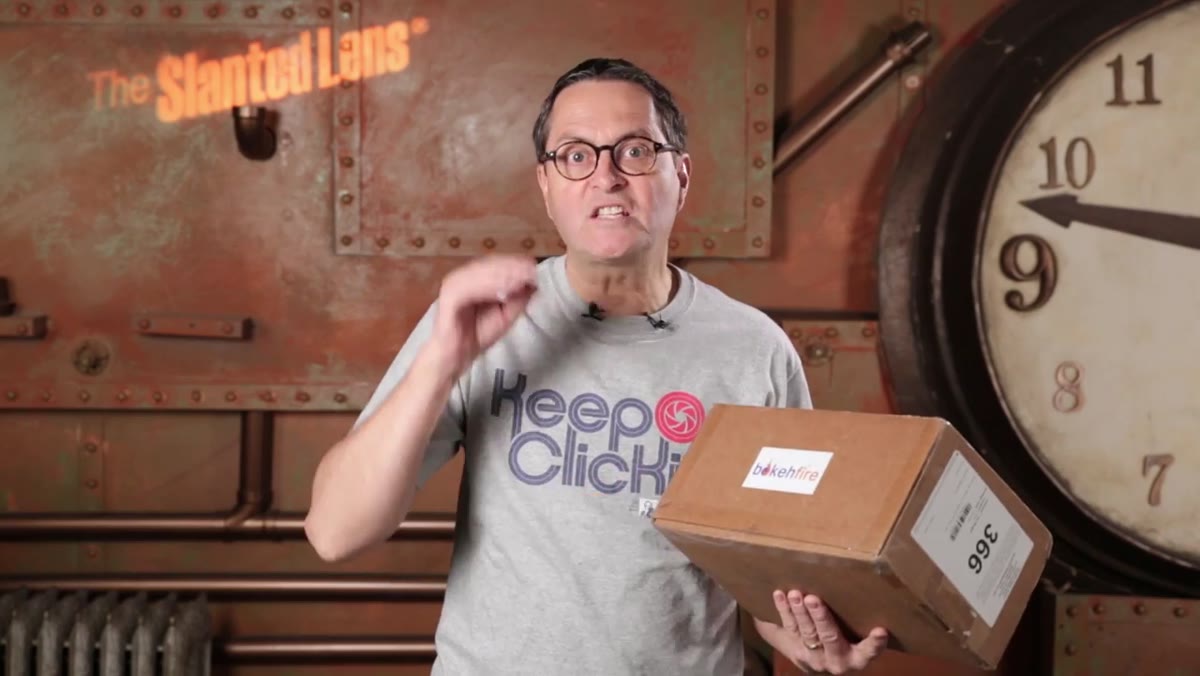 JP explaining the Netflix-for-lenses concept at camera
The first thing you do is head to Bokeh Fire’s website and create an account. You’ll enter your information, add a credit card, and choose a monthly subscription plan. There are two tiers: a Basic level and a Pro level. Basic covers solid everyday lenses, while Pro opens up access to higher-end, professional-grade glass. JP is clear that both tiers have genuinely useful lenses. The tier you choose should match the kind of work you’re actually doing, not the kind you wish you were doing.
JP explaining the Netflix-for-lenses concept at camera
The first thing you do is head to Bokeh Fire’s website and create an account. You’ll enter your information, add a credit card, and choose a monthly subscription plan. There are two tiers: a Basic level and a Pro level. Basic covers solid everyday lenses, while Pro opens up access to higher-end, professional-grade glass. JP is clear that both tiers have genuinely useful lenses. The tier you choose should match the kind of work you’re actually doing, not the kind you wish you were doing.
If you’re a working photographer who occasionally needs a specialty lens for a specific job, Basic will probably cover most situations. If you’re regularly shooting editorial or commercial work where clients expect a specific look from a specific piece of glass, Pro makes more sense. Don’t overbuy the tier just because the higher one sounds better.
Step 2: Choose Your First Lens
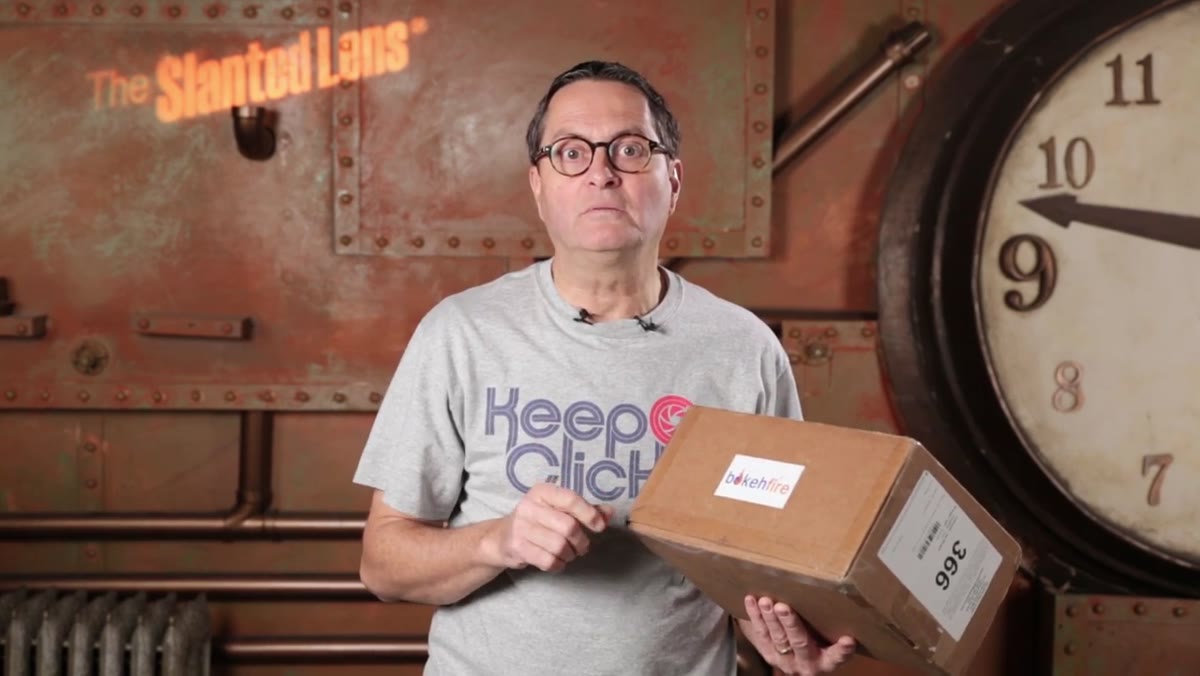 JP describing selecting a lens to have shipped
Once your account is set up, you log in and browse the available inventory. You pick the lens you want, and Bokeh Fire ships it directly to you. At the time of this tutorial, the platform carries Canon and Nikon lenses. JP notes that Sony support seems like a natural next step, though it wasn’t available yet when he recorded this. If you’re a Sony shooter, that’s a real limitation worth factoring in before you subscribe.
JP describing selecting a lens to have shipped
Once your account is set up, you log in and browse the available inventory. You pick the lens you want, and Bokeh Fire ships it directly to you. At the time of this tutorial, the platform carries Canon and Nikon lenses. JP notes that Sony support seems like a natural next step, though it wasn’t available yet when he recorded this. If you’re a Sony shooter, that’s a real limitation worth factoring in before you subscribe.
Think about what you actually have on your calendar before you choose. JP used his first lens slot on a 24mm tilt-shift he wanted to experiment with. That’s a smart use of the service: it’s a lens that costs serious money to buy outright, gets used infrequently, and doesn’t make financial sense to own unless architecture or product work is your primary income.
Step 3: Receive the Lens and Shoot With It
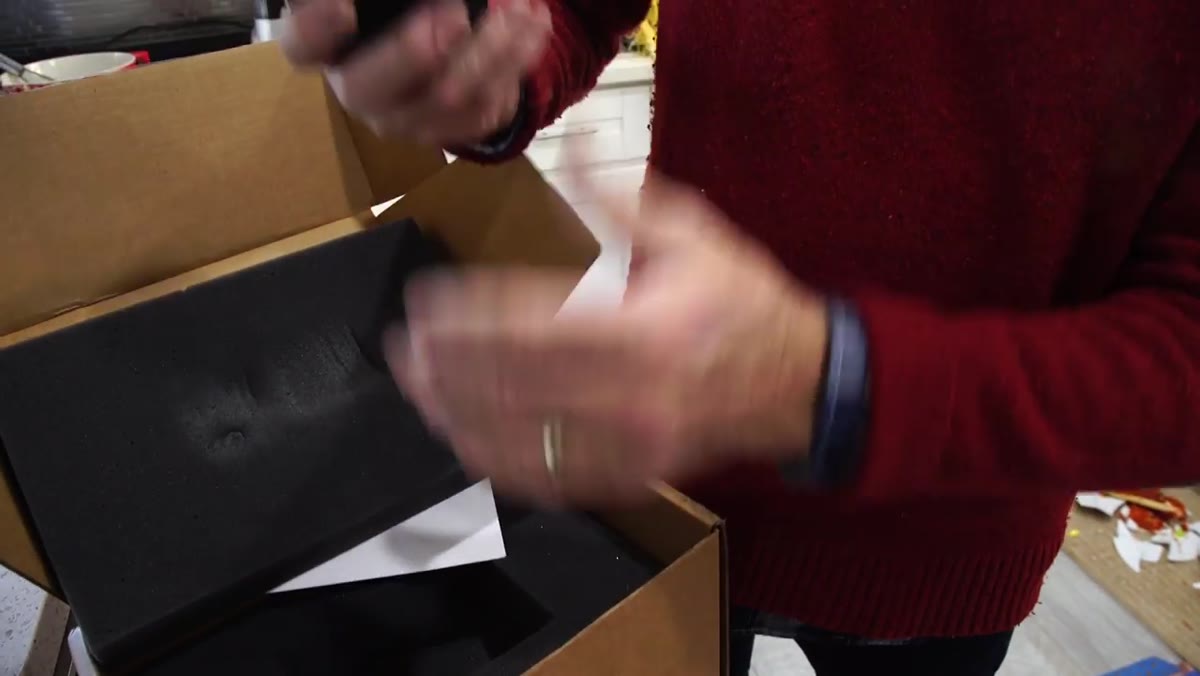 JP opening the shipping box to reveal a lens
The lens arrives in a box, ready to use. You’ve got the full month to shoot with it, or you can send it back earlier if you’ve already gotten what you needed from it. JP was running multiple camera setups during his review and had a 24-70mm from the service in active rotation on set. The lens didn’t sit on a shelf waiting for a “right moment.” It went straight to work.
JP opening the shipping box to reveal a lens
The lens arrives in a box, ready to use. You’ve got the full month to shoot with it, or you can send it back earlier if you’ve already gotten what you needed from it. JP was running multiple camera setups during his review and had a 24-70mm from the service in active rotation on set. The lens didn’t sit on a shelf waiting for a “right moment.” It went straight to work.
This is where the value becomes practical rather than theoretical. If you’ve got a second shooter joining you for a wedding or event, you can rent them a matching focal length instead of scrambling to borrow one. If you’re testing whether a certain lens actually improves your portraits before dropping a thousand dollars or more on it, this is a much cheaper way to find out.
Step 4: Box It Up and Ship It Back
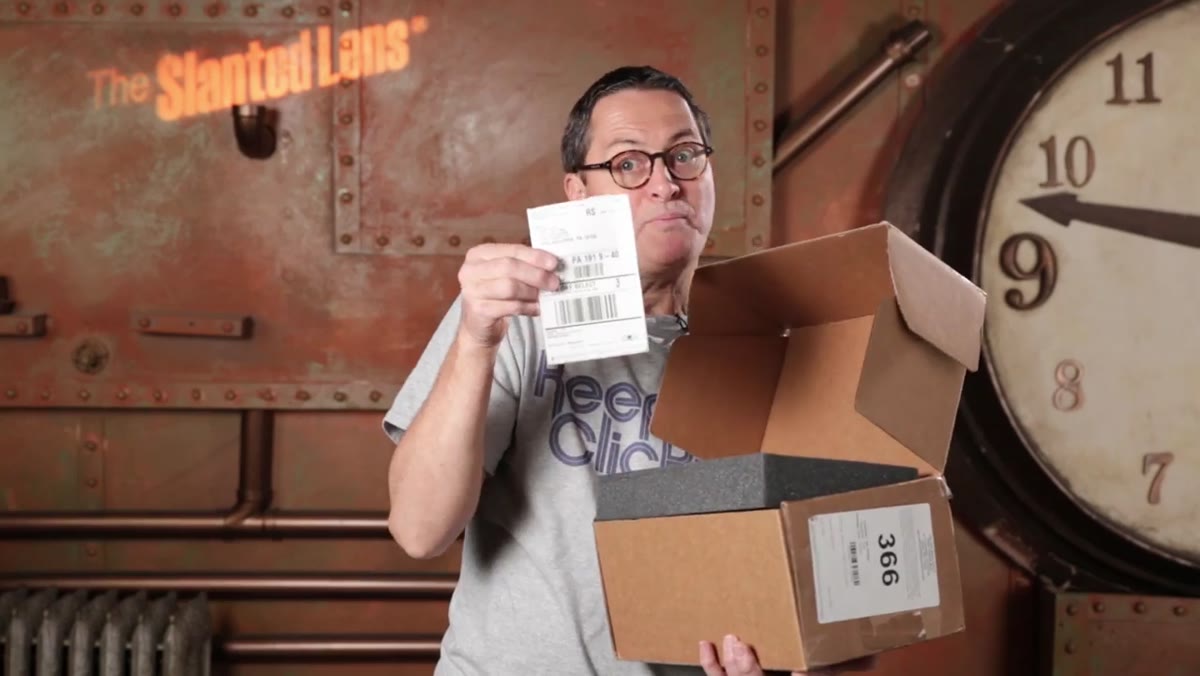 JP showing the prepaid return label on the box
When you’re done, you don’t need to print a label or pay for shipping. A prepaid return label comes with the box. You repack the lens, stick the label on, and drop it off. JP makes the point that the box stays usable across multiple rounds, so you’re not hunting for packaging every time. Shipping both directions is included in the subscription, meaning there are no per-return fees eating into the value.
JP showing the prepaid return label on the box
When you’re done, you don’t need to print a label or pay for shipping. A prepaid return label comes with the box. You repack the lens, stick the label on, and drop it off. JP makes the point that the box stays usable across multiple rounds, so you’re not hunting for packaging every time. Shipping both directions is included in the subscription, meaning there are no per-return fees eating into the value.
The key habit to build: don’t wait until the last minute to ship it back. If you want the next lens to arrive before an upcoming shoot, give yourself enough lead time for the return to process and the new lens to ship out.
Step 5: Request Your Next Lens
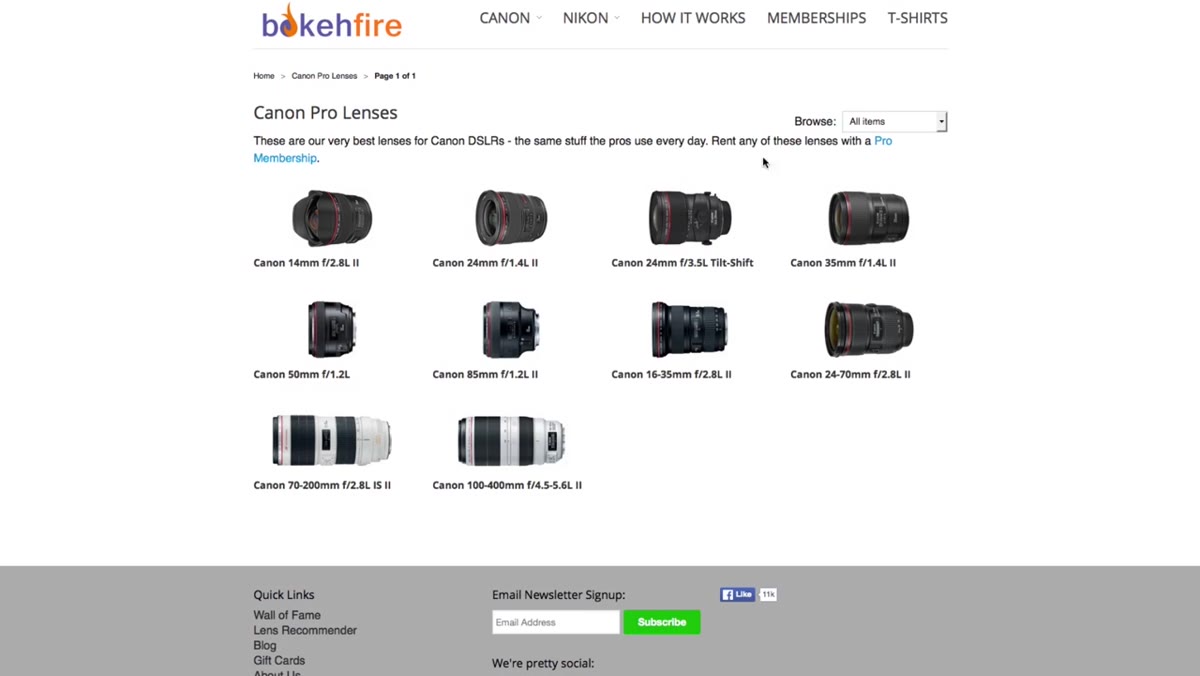 JP describing cycling to the next lens like Netflix
As soon as you drop the return in the mail, you log back into your account and select the next lens you want. The cycle repeats. JP went from his tilt-shift to a 24-70 for active set use, with plans to request a long telephoto next for wildlife work. In a single month, he was on his second lens with a third queued up.
JP describing cycling to the next lens like Netflix
As soon as you drop the return in the mail, you log back into your account and select the next lens you want. The cycle repeats. JP went from his tilt-shift to a 24-70 for active set use, with plans to request a long telephoto next for wildlife work. In a single month, he was on his second lens with a third queued up.
This is where the service stops being a rental and starts functioning more like a rotating gear bag. You’re not locked into one piece of glass for 30 days. You move through lenses based on what your schedule actually demands, not based on what you happened to buy six months ago.
My Take: Useful Mostly When You Know What You’re Testing
I’ll be honest. My first reaction was skepticism. I’ve been known to buy five versions of the same product just to find the best one, so the idea of cycling through lenses methodically is genuinely appealing to me. But the service only makes financial sense if you go in with a plan.
The mistake most photographers will make is using it passively. They’ll pick a lens they already sort of have access to, not push the subscription, and end the month wondering why they bothered. The people who will get real value out of Bokeh Fire are the ones who use it to stress-test lenses before buying, cover specific jobs they can’t justify buying for, or expand a second shooter’s kit without a capital investment. Use it with intention and it’s a genuinely smart tool. Use it casually and it’s just another subscription draining your account.
Bokeh Fire flips the question every photographer eventually asks themselves. Instead of “should I buy this lens?” the question becomes “do I actually need to?” That reframe alone is worth sitting with. If you want to see the full breakdown from JP, including his live on-set use of the service, go watch it yourself.
Watch the full tutorial on YouTube
Comments (2)
Printing this out and pinning it next to my monitor. That good.
This is the kind of content that keeps me coming back.
Leave a Comment