There’s a version of this industry that nobody puts in a gear review. It’s the part where you realize the thing you’ve been building, the channel, the brand, the identity, has started to feel less like a calling and more like a contract you didn’t remember signing. I’ve been shooting and writing about budget gear long enough to know that the camera bag doesn’t make you a photographer. But I’ve also started to wonder, more than I’d like to admit, whether constantly chasing the next deal or the next review has anything to do with why I actually picked up a camera in the first place.
That’s why when Mango Street dropped Watch the full tutorial on YouTube this video, I didn’t scroll past it. Rachel and Daniel have been making photography education content for years, the kind of clean, practical, accessible stuff that genuinely helped a lot of us figure out lighting and composition without spending a fortune. So when they sit down and say, essentially, “this chapter is closing and we don’t know what comes next,” that’s worth paying attention to. Not as gossip. As a case study in what creative transition actually looks like when you’re honest about it.
This isn’t a technique video. There are no Lightroom sliders here. But for anyone building a creative career, whether you’re monetizing a photography blog, grinding through affiliate reviews, or trying to figure out if YouTube fits your life, the conversation in this video is more instructive than most tutorials I’ve watched this year.
Step 1: Name the Transition Before It Names You
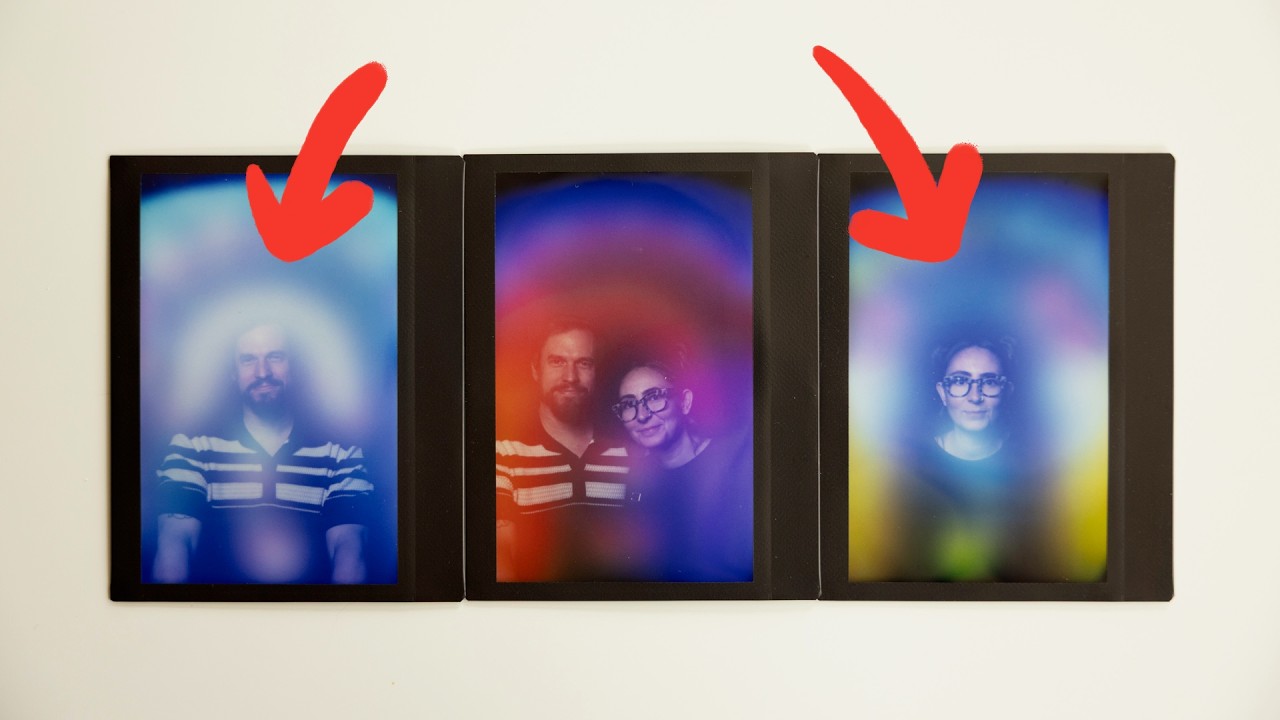
 Rachel and Daniel speaking candidly about feeling a sense of transition
The video opens with both of them acknowledging something most creators avoid saying out loud: they’re in a period of change and they don’t fully understand it yet. Daniel describes feeling “untethered,” like a lot of things have ended at once without something new clearly replacing them. That honesty is the first move.
Rachel and Daniel speaking candidly about feeling a sense of transition
The video opens with both of them acknowledging something most creators avoid saying out loud: they’re in a period of change and they don’t fully understand it yet. Daniel describes feeling “untethered,” like a lot of things have ended at once without something new clearly replacing them. That honesty is the first move.
If you’re a working photographer or creator, transitions tend to sneak up on you. You don’t get a meeting where someone officially tells you your old approach isn’t working anymore. You just start noticing that the thing you used to love feels different. Naming that, even imprecisely, is more useful than pretending it isn’t happening. Say it out loud to yourself or write it down. “Something has shifted and I don’t know what yet” is a complete and legitimate starting point.
Step 2: Separate Identity From Output
 Daniel reflecting on whether making videos online defined his identity
Daniel makes a point that I’ve been chewing on since I watched this. He says he never thought of himself as a “YouTuber,” but now that the channel is winding down, it feels like an identity shift anyway. The label didn’t stick consciously, but the activity had quietly become load-bearing in how he understood himself.
Daniel reflecting on whether making videos online defined his identity
Daniel makes a point that I’ve been chewing on since I watched this. He says he never thought of himself as a “YouTuber,” but now that the channel is winding down, it feels like an identity shift anyway. The label didn’t stick consciously, but the activity had quietly become load-bearing in how he understood himself.
This is a trap that catches a lot of photographers and creators. If your identity is “the person who posts reviews every Thursday” or “the person who shoots portraits on film,” and then you stop, you can feel like you’ve lost a version of yourself. The practical fix is to ask what the output served. Was it connection? Creative problem-solving? Teaching? Those things don’t disappear when the format does. The format was just one delivery mechanism.
Step 3: Let Things Fall Away Without Calling It Failure
 Rachel talking about things slipping away and making room for something new
Rachel reframes something important here. Instead of describing the end of Mango Street’s current form as a loss, she describes it as things moving out of the way to make room. That’s not denial or toxic positivity. It’s a functional lens for working through transitions without getting stuck in a grief loop.
Rachel talking about things slipping away and making room for something new
Rachel reframes something important here. Instead of describing the end of Mango Street’s current form as a loss, she describes it as things moving out of the way to make room. That’s not denial or toxic positivity. It’s a functional lens for working through transitions without getting stuck in a grief loop.
For photographers specifically, this applies constantly. The style that got you clients two years ago might be the exact thing holding you back now. The budget mirrorless system you built around might be worth selling when your needs change. Letting go of something that worked is not the same as admitting it was a mistake. It means you got what it had to give.
Step 4: Sit With Not Knowing the Next Move
 Daniel asking whether he should keep doing similar work or try something different
Daniel asks a question that sounds simple but is genuinely hard: is there something he’s supposed to be doing that he isn’t? He doesn’t answer it. They don’t resolve it. The video doesn’t tie a bow on it.
Daniel asking whether he should keep doing similar work or try something different
Daniel asks a question that sounds simple but is genuinely hard: is there something he’s supposed to be doing that he isn’t? He doesn’t answer it. They don’t resolve it. The video doesn’t tie a bow on it.
Most content, especially in the photography and creator space, is built around answers. Tutorials, reviews, lists, recommendations. Sitting with a question is uncomfortable, and it doesn’t perform well on algorithmic platforms that reward confidence. But the best decisions I’ve made about my own work, including the shift from trying to cover all gear to narrowing down to budget-only, came from sitting in uncertainty long enough to actually think rather than react.
Step 5: Treat Disruption as a Realignment Signal
 Rachel explaining karma as a corrective force that keeps you on your intended path
Near the end of the video, Rachel brings in a framework from Eastern philosophy around the concept of karma as bumpers, like bowling lane guides that redirect you when you drift from your actual purpose. The idea is that when things fall apart, it might not be random. It might be that the current path was misaligned with what you’re actually here to do, and the disruption is the correction.
Rachel explaining karma as a corrective force that keeps you on your intended path
Near the end of the video, Rachel brings in a framework from Eastern philosophy around the concept of karma as bumpers, like bowling lane guides that redirect you when you drift from your actual purpose. The idea is that when things fall apart, it might not be random. It might be that the current path was misaligned with what you’re actually here to do, and the disruption is the correction.
You don’t have to buy that spiritually to find it useful. A more secular version: when something stops working despite real effort, ask whether the thing itself was right for you, not just whether you were doing it correctly. I spent almost a year optimizing a content format that wasn’t broken technically but was wrong for the work I actually wanted to do. The “bumper” in my case was reader engagement data that kept telling me something I didn’t want to hear.
What I’d Add From My Own Experience
I got into budget gear content because I was spending more time researching prices than actually shooting, and I figured if I had to do all that research anyway, I might as well make it useful for someone else. But the Mango Street video reminded me that “useful” is not a permanent license. The format that makes you useful to people at one point in your career might be the thing that keeps you from being useful in a bigger way later.
The honest version of creative career advice isn’t “find what works and do it forever.” It’s closer to “find what works, do it well, and pay attention to when it stops fitting.” That last part is the hardest, and Rachel and Daniel doing it publicly, messily, without a clean resolution, is more educational than a lot of polished content I’ve consumed.
The single thing worth taking from this video: when a creative chapter closes, the disorientation you feel is not a sign that you did something wrong. It might be the most accurate signal you’ve gotten in a while. Watch the full tutorial on YouTube and hear them work through it in real time.
Comments (2)
I've watched a dozen tutorials on this and yours is the clearest by far.
I've been looking for exactly this kind of tutorial. Perfect timing.
Leave a Comment