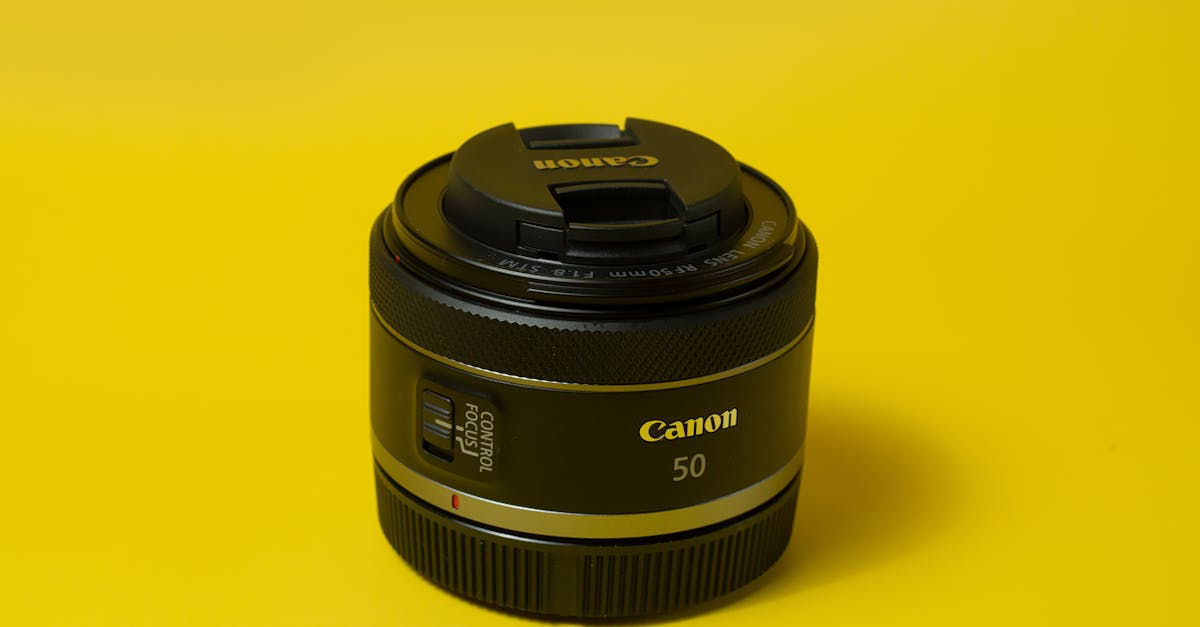
Refurbished camera gear is one of photography’s best-kept deals. I’ve bought four refurbished bodies and two refurbished lenses over the years. Total savings: over $2,000. Problems encountered: zero.
But refurb isn’t always a smart buy. Here’s how to navigate it.
What “Refurbished” Actually Means
Manufacturer refurbished means the item was returned, inspected, repaired if needed, and tested to meet original factory specifications. Canon, Sony, and Nikon all sell refurbished gear directly through their online stores.
These aren’t damaged goods. Most refurbished cameras were returned within the return window for reasons that have nothing to do with defects — buyer’s remorse, wrong model ordered, gift that didn’t land.
Seller refurbished is different and riskier. This means a third party inspected and tested the item. Quality control varies wildly depending on the seller. Some are excellent. Some slap a “refurbished” label on used gear and call it a day.
Where to Buy Refurbished
Manufacturer Stores (Safest)
- Canon Refurbished Store (shop.usa.canon.com/refurbished): Excellent selection, 1-year warranty identical to new, ships with all original accessories
- Sony Refurbished (sold through authorized partners): Harder to find, but comes with Sony warranty
- Nikon Refurbished (nikonusa.com/refurbished): Good selection, 90-day warranty
Trusted Third-Party Sellers
- KEH Camera: The gold standard for used and refurbished gear. Their grading system is accurate and conservative — “Excellent” from KEH means it looks nearly new. 180-day warranty.
- MPB: Similar to KEH with a strong reputation. Free returns within 14 days.
- Adorama and B&H refurbished sections: Reliable, though selection is spotty.
Places to Be Cautious
- Amazon Renewed: Quality varies enormously by seller. Read the specific seller reviews, not just the product reviews.
- eBay refurbished: eBay’s certification program has improved, but verify the seller’s track record carefully.
What to Buy Refurbished
Camera bodies are the best refurb buy. Electronics either work or they don’t. A refurbished body that passes manufacturer testing will perform identically to new. Savings of 15-30% are common.
Lenses are also a strong refurb buy, especially primes. Fewer moving parts means fewer things to go wrong. Zoom lenses are slightly riskier due to more complex internal mechanisms, but still generally safe from reputable sources.
Flashes and accessories are excellent refurb purchases. Simple electronics at significant discounts.
What to Avoid Refurbished
Batteries and chargers: Safety matters. Stick with new, first-party products.
Memory cards: No way to verify write cycle history. Always buy new.
Tripods and mechanical gear: If it was returned for a physical defect, refurbishment might not fully address it. These are better bought new or from sellers with generous return policies.
How to Protect Yourself
-
Buy from sources with real warranties. A 90-day minimum warranty is non-negotiable. Manufacturer refurb with a 1-year warranty is ideal.
-
Test immediately. When your refurb gear arrives, put it through its paces the same day. Check autofocus accuracy, sensor for dead pixels, shutter operation, and weather seal integrity if applicable. Don’t wait until a paid shoot to discover a problem.
-
Check shutter count on bodies. Free tools like ShutterCount (Mac) or websites that read EXIF data can tell you how many actuations a body has. Under 10,000 is essentially new. Over 100,000 on a body rated for 200,000 — you’re buying a half-life camera at a refurb price that might not reflect that.
-
Keep all packaging for the return window. Even if you plan to keep it. Give yourself the option.
The Math
A Sony A7IV new: ~$1,800. Manufacturer refurbished: ~$1,500. That’s $300 saved on an identical product with the same warranty.
A Canon RF 70-200mm f/2.8 new: ~$2,700. Canon refurbished: ~$2,100. That’s $600 toward your next lens.
Refurbished gear is worth the “risk” because from reputable sources, there’s barely any risk at all.
Comments (3)
Great write-up! Would love to see more content like this. Maybe a video tutorial version?
This is exactly what I was looking for. Saved me hours of trial and error!
I disagree slightly on the the final step — I find that a slightly different approach works better for me. But great article overall!
Leave a Comment