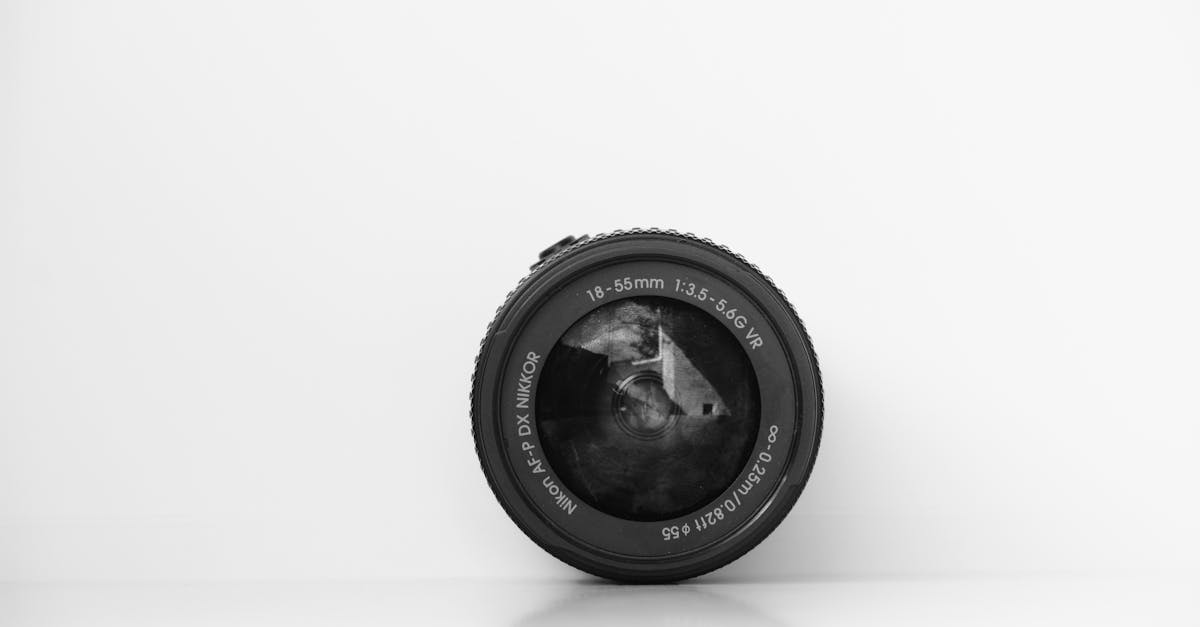
The photography community doesn’t like admitting this, but there are situations where your phone takes better photos than your camera. Not just “good enough” photos — actually better results.
Here’s where phones win, where cameras still dominate, and how to make the right choice for each situation.
Where Phones Win
Computational Photography
Modern phones don’t just capture light — they capture multiple exposures and merge them using AI. When you take a single photo on a recent iPhone or Pixel, the phone is actually capturing several images at different exposures and combining them.
The result is remarkable dynamic range, noise reduction, and detail that a single exposure from a dedicated camera can’t match in the same instant. A phone’s Night Mode produces cleaner handheld low-light images than many cameras can achieve without a tripod.
Always With You
The best camera is the one you have. Your phone is always in your pocket. That candid family moment, that stunning sunset on your commute, that street scene — your phone captures it. Your camera, sitting at home in a bag, captures nothing.
Video Stabilization
Phone cameras have computational stabilization that rivals expensive gimbals. Walking and shooting video on a phone produces smooth, usable footage. Walking and shooting on most cameras produces unwatchable shake.
Instant Sharing
Phone to Instagram in thirty seconds. Camera to computer to phone to Instagram in thirty minutes. For social media content, the phone workflow is dramatically faster.
Macro and Close-Focus
Most phones focus extremely close — often within 2-3 inches of the subject. Getting that close with a dedicated camera requires a macro lens. For quick product shots, food details, and texture documentation, the phone’s close-focus ability is genuinely more convenient.
Where Cameras Still Dominate
Depth of Field Control
A phone’s small sensor produces deep depth of field — nearly everything is in focus. Computational portrait mode simulates blur but can’t match the natural, optical bokeh of a large sensor and fast lens. For portraits with genuine background separation, cameras win completely.
Telephoto Reach
Phone “zoom” beyond 3-5x is digital cropping. A 200mm lens on a camera provides optical reach that no phone can match. Wildlife, sports, and distant subjects require real focal length.
Low Light (Without Processing Time)
Night Mode produces great results but takes several seconds of capture time. A camera with a fast lens at ISO 3200 captures the moment instantly. For action in low light — concerts, indoor sports, candid moments in dim environments — cameras are still faster and more flexible.
Raw Flexibility
While phones can shoot raw, the files are limited by the small sensor. A camera’s raw file has far more dynamic range, color depth, and room for aggressive editing in post.
Professional Output
For large prints, magazine publication, commercial use, and any situation where maximum image quality is required, dedicated cameras produce files that phones cannot match. The difference is subtle at web sizes but obvious at 20x30 inches.
The Practical Guide
Use your phone when:
- The moment is spontaneous and you don’t have your camera
- Output is social media or web
- You need video with stabilization
- Lighting is decent (daytime outdoors, well-lit indoors)
- You need to share immediately
Use your camera when:
- You need background blur and depth of field control
- Subjects are far away
- You need fast capture in low light
- The output is print or professional publication
- You want maximum creative control
The Uncomfortable Truth
For the majority of people who post photos to social media and never print anything larger than 8x10, a flagship phone is genuinely all they need. The camera industry doesn’t want to hear this, but computational photography has closed the gap for casual and social media use.
Dedicated cameras remain essential for professional work, artistic control, and specific technical demands. But if someone asks whether they should buy a camera “for Instagram,” the honest answer in 2026 is usually no.
Comments (3)
Just spent an hour experimenting with this approach. Worth every minute.
Exactly the breakdown I was hoping to find. Appreciate the detail.
Tested this with a few of my older photos and I'm genuinely impressed.
Leave a Comment