
I track deals and budget gear for a living, which means I spend a lot of time watching what the high-end market does before the ripple effects hit the affordable stuff. When Sony’s flagship sports camera leaks, it matters even to photographers shooting on a fraction of the budget, because those sensors and features trickle down fast. So when Watch the full tutorial on YouTube landed in my feed from Tony and Chelsea Northrup covering the Sony a9 III leak alongside new Canon and Nikon lens announcements, I sat down and took notes.
What came out of that video is a packed news cycle that touches everything from cybersecurity to sensor specs to the ongoing mirrorless wars. There is genuinely useful, actionable stuff here, even if you are not shopping for a $4,000 sports camera. Let me break it down step by step.
Step 1: Understand the Sony Hack and Why It Actually Affects You
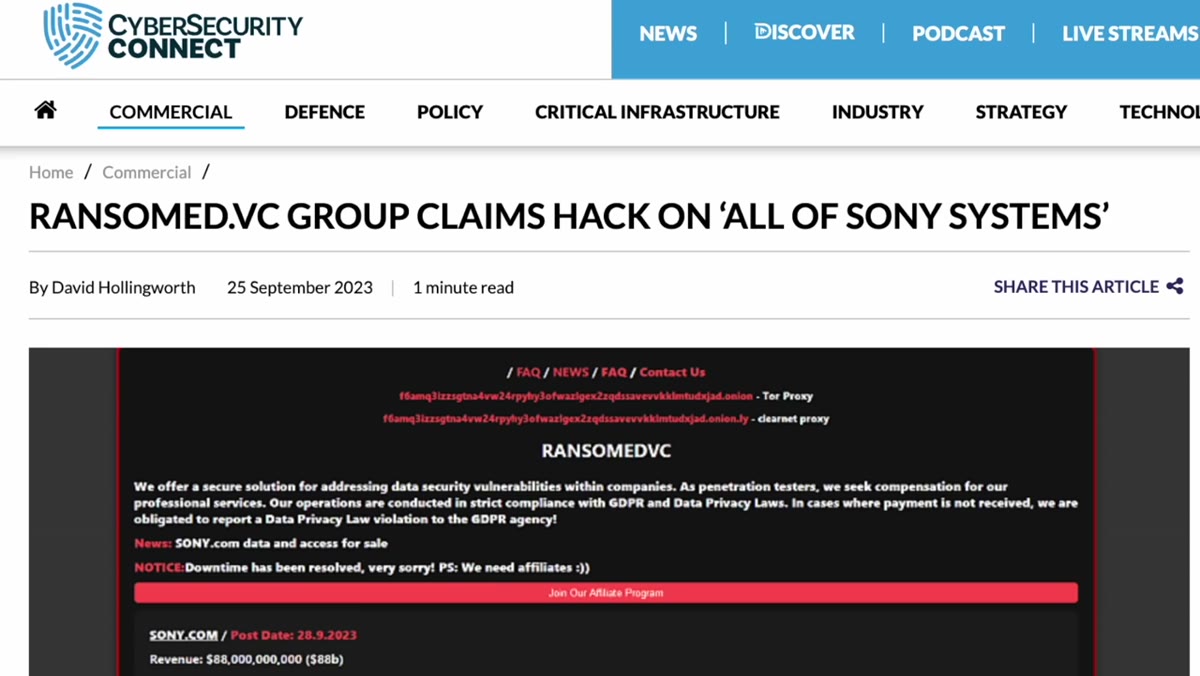 Tony explaining Sony ransomware hack and photographer concerns
A ransomware group claimed to have breached Sony’s systems and threatened to release internal documents publicly if Sony did not pay up. The deadline came and went with no public dump, which Tony reads as a quiet payoff. That is actually the standard ransomware playbook: companies pay, nothing leaks, and nobody admits anything because publicly paying ransomware gangs invites more attacks.
Tony explaining Sony ransomware hack and photographer concerns
A ransomware group claimed to have breached Sony’s systems and threatened to release internal documents publicly if Sony did not pay up. The deadline came and went with no public dump, which Tony reads as a quiet payoff. That is actually the standard ransomware playbook: companies pay, nothing leaks, and nobody admits anything because publicly paying ransomware gangs invites more attacks.
Here is the part that hit me: if you have a Sony account of any kind, whether for a camera, a PlayStation, or anything else under the Sony umbrella, your data may have been compromised. Go change your Sony password right now. Use something unique that you do not use anywhere else. This is basic hygiene, but most people skip it until it is too late.
Step 2: Know the Deeper Security Risk for Sony Camera Owners Specifically
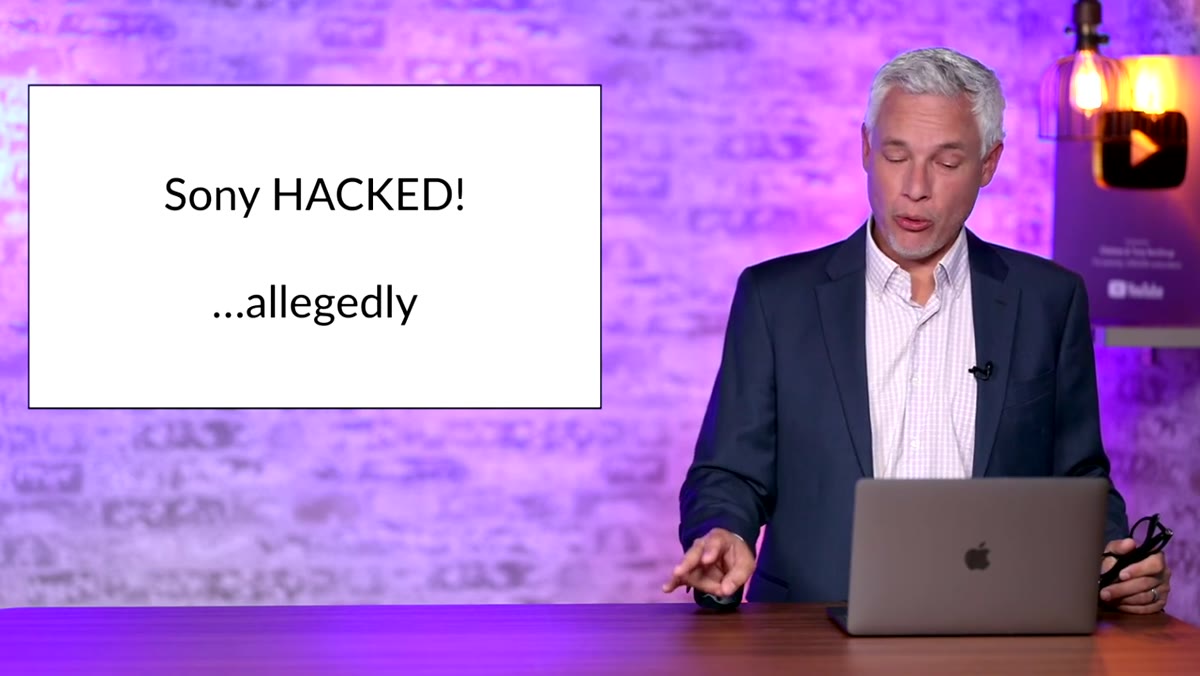 Discussion of Sony firmware kernel-level driver installation on Mac
This is the part of the video that most camera news outlets glossed over. When you update Sony camera firmware on a Mac, the process requires you to install kernel-level drivers. That is deep, root-access territory on your computer. Tony’s concern is not that Sony itself would do anything malicious. The concern is that if a bad actor has penetrated Sony’s infrastructure, they could potentially poison that firmware update pipeline and piggyback something nasty onto your next camera update.
Discussion of Sony firmware kernel-level driver installation on Mac
This is the part of the video that most camera news outlets glossed over. When you update Sony camera firmware on a Mac, the process requires you to install kernel-level drivers. That is deep, root-access territory on your computer. Tony’s concern is not that Sony itself would do anything malicious. The concern is that if a bad actor has penetrated Sony’s infrastructure, they could potentially poison that firmware update pipeline and piggyback something nasty onto your next camera update.
Practically speaking: if you are a Sony shooter and you update firmware, be extra cautious right now. Watch for any weird system behavior after updates. Consider holding off on non-critical firmware updates until Sony gives a cleaner all-clear. This is coming from someone who has built a workflow around keeping gear updated and optimized, so it is not advice I give lightly.
Step 3: Digest the Sony a9 III Leaked Specs
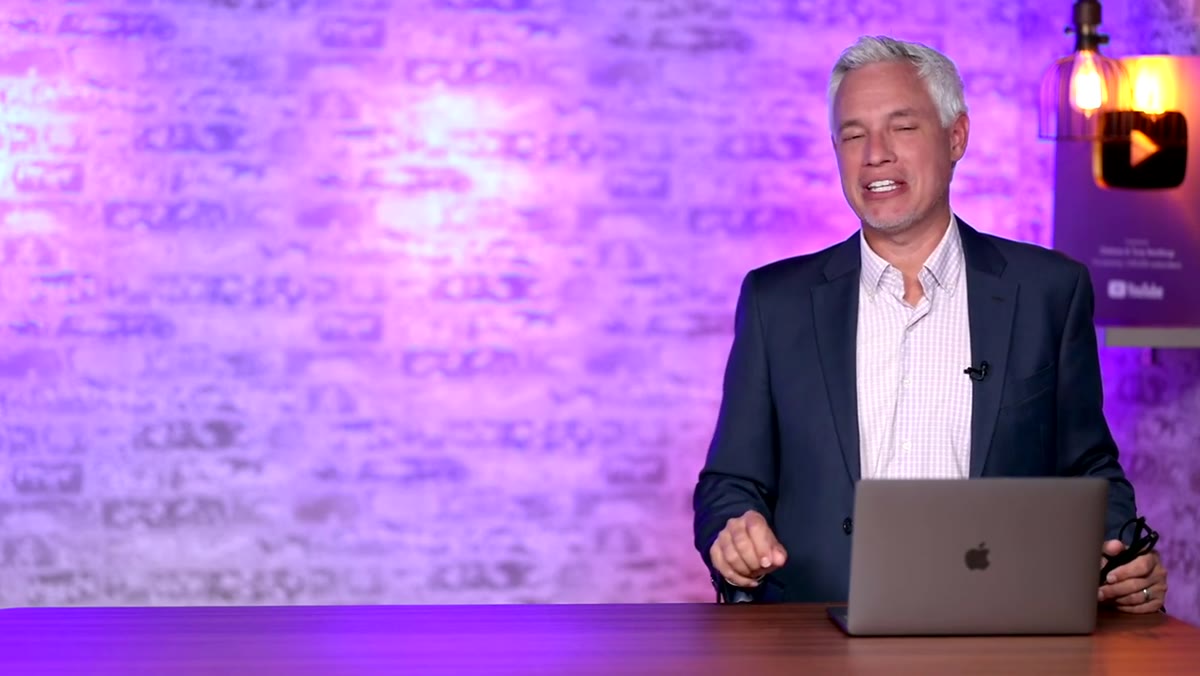 Tony breaking down the Sony a9 III rumored sensor specs
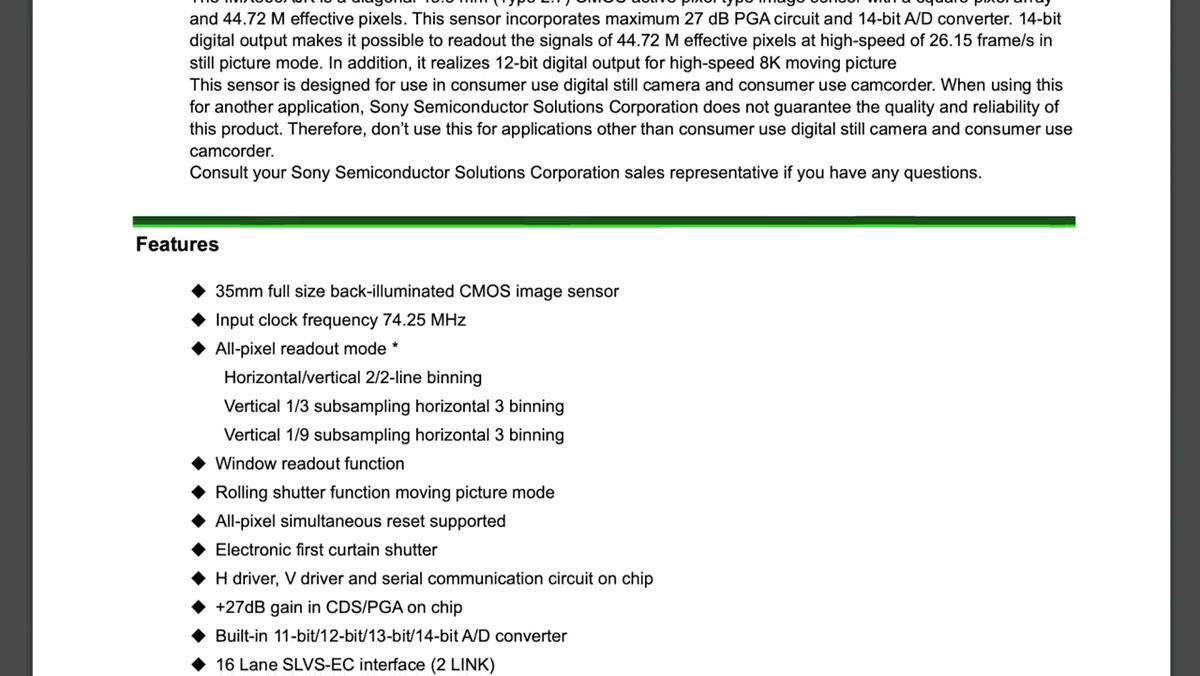
The leak, sourced from Sony Alpha Rumors, points to the a9 III using one of Sony’s commercially available sensors, the kind Sony sells to other manufacturers including Nikon. Because it is a public-facing sensor, the spec sheet is largely known. The headline numbers: 44 megapixels and a full sensor readout at 26 frames per second. That is raw, continuous shooting at 26 fps with a 44-megapixel sensor.
Tony breaking down the Sony a9 III rumored sensor specs
The leak, sourced from Sony Alpha Rumors, points to the a9 III using one of Sony’s commercially available sensors, the kind Sony sells to other manufacturers including Nikon. Because it is a public-facing sensor, the spec sheet is largely known. The headline numbers: 44 megapixels and a full sensor readout at 26 frames per second. That is raw, continuous shooting at 26 fps with a 44-megapixel sensor.
For context, the current a9 II is a 24-megapixel camera. This would be a massive resolution jump for a camera line historically built around speed over resolution. The Nikon Z8 has been widely praised as a benchmark in this class, and these specs suggest Sony is building something designed to go directly at it.
Step 4: Put the Megapixel Jump in Context
 Comparison discussion of a9 series historically versus new rumored specs
Here is where I want to add some real-world framing. Sports and wildlife photographers have traditionally preferred lower megapixel cameras because smaller files mean faster write speeds, longer buffer, and easier storage management when you are shooting 500 frames at a track meet. Going from 24 to 44 megapixels is not a neutral decision. It changes the workflow.
Comparison discussion of a9 series historically versus new rumored specs
Here is where I want to add some real-world framing. Sports and wildlife photographers have traditionally preferred lower megapixel cameras because smaller files mean faster write speeds, longer buffer, and easier storage management when you are shooting 500 frames at a track meet. Going from 24 to 44 megapixels is not a neutral decision. It changes the workflow.
That said, 26 fps at 44 megapixels signals Sony is betting that modern card speeds and buffer engineering can handle it. If they pull it off cleanly, this is genuinely a different class of camera. If the buffer chokes or the file sizes become unmanageable, sports photographers will complain loudly. The specs look aggressive on paper. Real-world testing is everything.
Step 5: Note the Firmware Updates Coming for the a7S III and A1
 Tony mentioning firmware updates for a7S III and A1
Alongside the a9 III leak, Sony is rolling out firmware updates for both the a7S III and the A1. The video does not go deep on exact feature lists, but if you own either of those cameras, it is worth checking Sony’s firmware page regularly. Given the security context from Steps 1 and 2, just be aware of what you are installing and when.
Tony mentioning firmware updates for a7S III and A1
Alongside the a9 III leak, Sony is rolling out firmware updates for both the a7S III and the A1. The video does not go deep on exact feature lists, but if you own either of those cameras, it is worth checking Sony’s firmware page regularly. Given the security context from Steps 1 and 2, just be aware of what you are installing and when.
Step 6: Track the New Nikon and Canon Lens Announcements
 Tony mentioning new Nikon lens launch and Canon lens leak
Nikon launched a new lens and Canon had a lens leak, both covered briefly in the video. The specific optics are not the point here as much as the pattern: both brands are continuing to fill out their mirrorless lineups aggressively. For anyone on a budget watching these ecosystems, this matters because new lens announcements from Canon and Nikon tend to push older glass prices down. When Canon releases a new version of a zoom, the previous generation quietly gets cheaper on the used market.
Tony mentioning new Nikon lens launch and Canon lens leak
Nikon launched a new lens and Canon had a lens leak, both covered briefly in the video. The specific optics are not the point here as much as the pattern: both brands are continuing to fill out their mirrorless lineups aggressively. For anyone on a budget watching these ecosystems, this matters because new lens announcements from Canon and Nikon tend to push older glass prices down. When Canon releases a new version of a zoom, the previous generation quietly gets cheaper on the used market.
I check used lens prices every time a major announcement drops. It is one of the most reliable windows for deals, and this week’s news cycle is exactly the kind of trigger that moves the secondary market.
Step 7: Keep an Eye on Panasonic GH7 Details
 Tony mentioning upcoming Panasonic GH7 details
There are early details circulating about the Panasonic GH7. The GH line has always punched above its weight for video-focused shooters, and for the Micro Four Thirds crowd this is a big deal. No confirmed specs yet, but if you are in that ecosystem or considering it, this is one to watch closely over the next few months.
Tony mentioning upcoming Panasonic GH7 details
There are early details circulating about the Panasonic GH7. The GH line has always punched above its weight for video-focused shooters, and for the Micro Four Thirds crowd this is a big deal. No confirmed specs yet, but if you are in that ecosystem or considering it, this is one to watch closely over the next few months.
What I Think About All of This
I will be honest: I am not the target customer for a $4,000 Sony sports camera. But I watch this level of the market because the competition it creates is what eventually gives the rest of us better options at lower prices. The a9 III rumor being plausible means Sony is serious about closing the gap on Nikon’s Z8. That competition is good for photographers at every budget.
The security piece is the part I cannot let go of. I run my whole business through accounts connected to gear manufacturers, cloud storage, and affiliate platforms. I updated every password I had connected to any Sony service within 10 minutes of finishing this video. If you have not done that yet, that is the first thing you should do when you finish reading this.
The single most important takeaway from this entire video is simple: change your Sony account password today, and stay skeptical of any firmware updates until there is more clarity on what actually happened inside Sony’s systems. Everything else here is exciting news. The security situation is an actual action item.
Watch the full tutorial on YouTube to hear Tony and Chelsea’s complete breakdown, including the lens details and their full read on what the a9 III leak means for the mirrorless market.
Comments
Leave a Comment