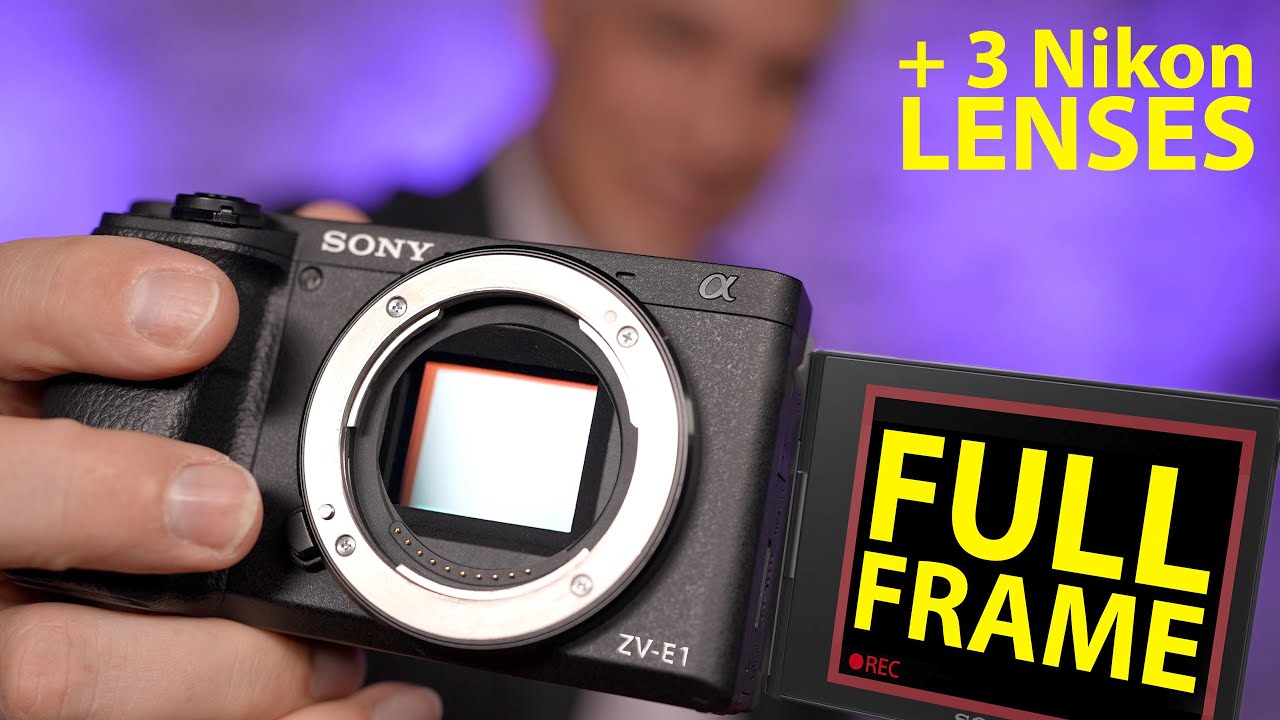
I spend more time before 9am checking deal alerts and rumor sites than most people spend on social media all day. So when a full-frame Sony camera leak drops alongside a story about AI-generated portraits fooling tens of thousands of Instagram followers and a 1.8 trillion dollar lawsuit, I’m not scrolling past that. This kind of news hits differently when you’re someone who built a following on the idea that honest, real photography still matters. Watch the full tutorial on YouTube
In this Tony and Chelsea Northrup breakdown, they cover a lot of ground fast: a leaked Sony full-frame camera that could shake up the budget market, an Instagram photographer who faked an entire portfolio with AI, Getty’s massive lawsuit against Stable Diffusion, and three new Nikon Z-mount lenses. I’m going to walk through each piece, add context where it matters for shooters like me, and flag what you should actually care about.
Step 1: Understand What the Sony ZV-E1 Leak Actually Means
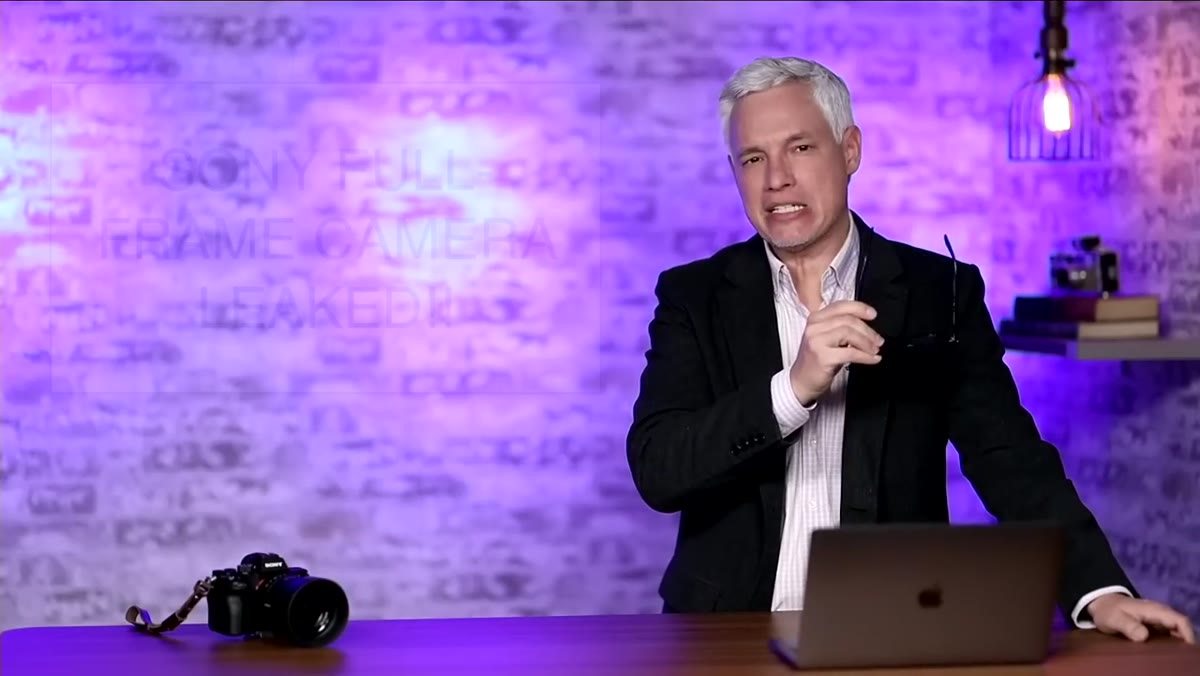 Tony announces Sony full-frame camera leak on screen
The rumored Sony ZV-E1 is shaping up to be Sony’s answer to the Canon R8 and Nikon Z5 - a full-frame camera pitched at a budget-friendly price point. That’s a big deal. Right now the entry point for full-frame in the Sony ecosystem is higher than what Canon and Nikon are asking, which has pushed a lot of first-time full-frame buyers toward the competition.
Tony announces Sony full-frame camera leak on screen
The rumored Sony ZV-E1 is shaping up to be Sony’s answer to the Canon R8 and Nikon Z5 - a full-frame camera pitched at a budget-friendly price point. That’s a big deal. Right now the entry point for full-frame in the Sony ecosystem is higher than what Canon and Nikon are asking, which has pushed a lot of first-time full-frame buyers toward the competition.
If Sony prices this thing competitively, it fills a real gap. The ZV line has always been aimed at creators and beginners rather than working pros, so expect video-forward features, simplified controls, and a body that makes full-frame accessible without requiring a second mortgage. I’ll be watching the price announcement closely because that number will tell us everything about who this camera is actually for.
Step 2: Recognize AI-Generated Portrait Fraud Before It Fools You
 Tony scrolling through AI portrait Instagram feed
An Instagram account with 27,000 followers was found to be posting entirely AI-generated portrait photography while presenting it as real camera work. The creator even named a specific camera in their early bio to sell the illusion. Followers left comments praising their photography skills, completely unaware the images were machine-made.
Tony scrolling through AI portrait Instagram feed
An Instagram account with 27,000 followers was found to be posting entirely AI-generated portrait photography while presenting it as real camera work. The creator even named a specific camera in their early bio to sell the illusion. Followers left comments praising their photography skills, completely unaware the images were machine-made.
Tony’s honest take is the right one here: the tells are visible now if you know what to look for. Skin that looks slightly waxy, lighting that’s just a touch too perfect, backgrounds that feel like they were painted by someone who had never actually stood in that location. Train your eye by looking at a lot of AI output intentionally. The more you study it, the faster you’ll spot it in the wild. The creator eventually disclosed the project, framing it as a social experiment, but the concern isn’t the experiment itself. It’s that the playbook is now public.
Step 3: Know How This Affects Working Photographers Right Now
 Discussion of AI impact on real photographers and stock agencies
The practical damage of AI-generated fakes goes beyond Instagram clout. Tony and Chelsea flag the threat to portrait and wedding photographers specifically. If someone can build a convincing fake portfolio with AI, collect deposits, and disappear - or simply undercut real photographers with a feed of AI imagery - the entire trust system around booking breaks down.
Discussion of AI impact on real photographers and stock agencies
The practical damage of AI-generated fakes goes beyond Instagram clout. Tony and Chelsea flag the threat to portrait and wedding photographers specifically. If someone can build a convincing fake portfolio with AI, collect deposits, and disappear - or simply undercut real photographers with a feed of AI imagery - the entire trust system around booking breaks down.
For anyone running a legitimate photography business, the response has to be transparency and proof. Show your behind-the-scenes work. Post raw files or setup shots occasionally. Let clients see the process, not just the result. The photographers who lean into authenticity right now are going to stand out precisely because the fakes have made people more skeptical.
Step 4: Understand the Getty vs. Stable Diffusion Lawsuit
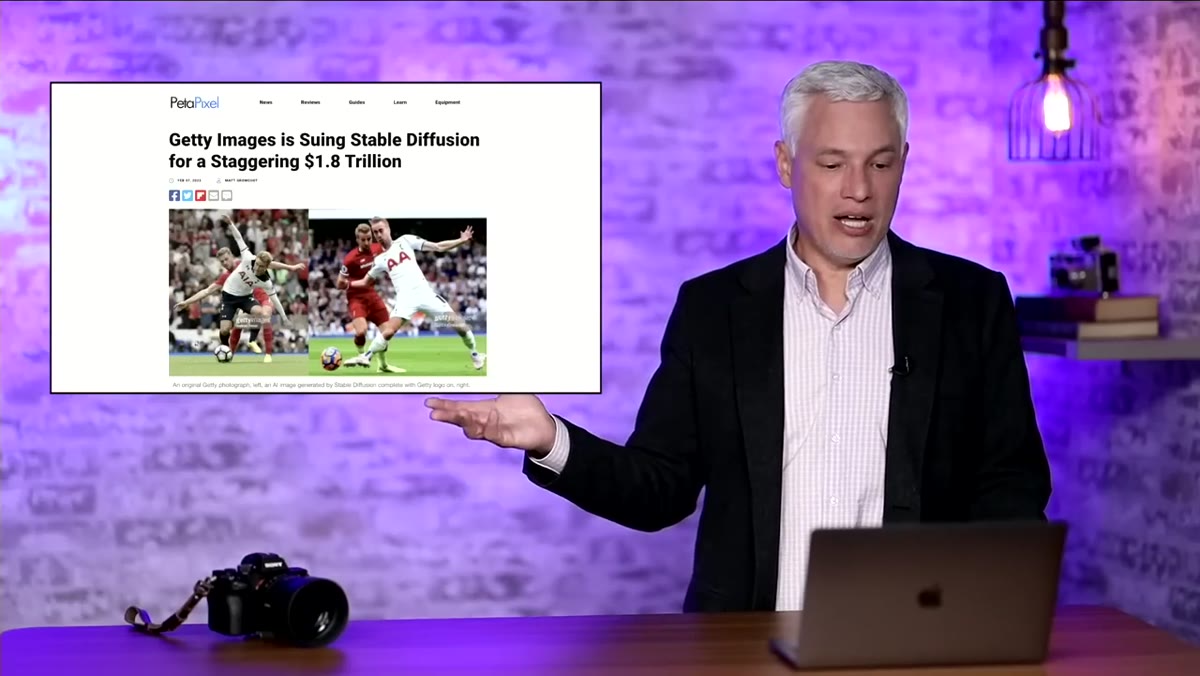 Getty Images watermark appearing in AI-generated output
Getty Images is suing Stable Diffusion for 1.8 trillion dollars. That number sounds absurd because it is - it’s calculated by assigning a licensing value to each image allegedly used in training and multiplying across the total volume. Stable Diffusion is not worth anywhere near that, and a full payout will never happen. But the lawsuit is still significant.
Getty Images watermark appearing in AI-generated output
Getty Images is suing Stable Diffusion for 1.8 trillion dollars. That number sounds absurd because it is - it’s calculated by assigning a licensing value to each image allegedly used in training and multiplying across the total volume. Stable Diffusion is not worth anywhere near that, and a full payout will never happen. But the lawsuit is still significant.
The evidence here is unusually clear-cut. When you prompt Stable Diffusion to generate certain images, it has been known to reproduce distorted versions of the Getty watermark because the model learned from watermarked Getty photos. That’s not a gray area. Getty licenses its images carefully and tracks usage aggressively, so this was always going to end in court. Watch this case because the outcome will set a precedent for how AI companies are allowed to use existing creative work in training data.
Step 5: Check the Three New Nikon Z-Mount Lenses
 Tony introduces new Nikon Z-mount lens announcements
Alongside all the AI drama, three new Nikon Z-mount lenses were announced. Tony covers these more briefly, but they matter if you’re already in the Nikon ecosystem or considering it. Nikon has been steadily building out the Z-mount lens lineup and each addition makes the system more attractive, especially for shooters coming from F-mount who want to know their investment in glass has a future.
Tony introduces new Nikon Z-mount lens announcements
Alongside all the AI drama, three new Nikon Z-mount lenses were announced. Tony covers these more briefly, but they matter if you’re already in the Nikon ecosystem or considering it. Nikon has been steadily building out the Z-mount lens lineup and each addition makes the system more attractive, especially for shooters coming from F-mount who want to know their investment in glass has a future.
If you’re evaluating the Nikon Z5 as a budget full-frame option - which becomes even more relevant now that Sony may be about to compete directly in that segment - knowing the lens roadmap is part of the buying decision. More native glass means fewer adapters, better autofocus performance, and better long-term value.
My Take: The AI Problem is a Budget Photographer’s Problem Too
I’ve spent years making the case that great photography doesn’t require expensive gear. I still believe that. But AI-generated images are a different challenge entirely because they’re not about gear at all. They’re about trust.
When I started out with a cheap kit and shot a wedding that ended up in a local magazine, the work spoke for itself. There was a real photographer, a real camera, a real moment. AI fraud doesn’t just hurt the high-end photographers with polished brand deals. It muddies the water for everyone trying to build credibility through honest work. The answer isn’t panic. It’s documentation. It’s showing your process. It’s being so clearly and obviously real that the question never comes up.
On the camera side, I’m genuinely excited about where the ZV-E1 might land. A budget full-frame Sony could be the most interesting gear story of the year if the price is right. I’ll have my spreadsheet ready the day specs drop.
The single most important thing to take away from this video is that the photography industry is being reshaped by AI faster than most shooters realize, and the people best positioned to survive that shift are the ones who are already being transparent and honest with their audience. Watch the full breakdown here: Watch the full tutorial on YouTube
Comments
Leave a Comment