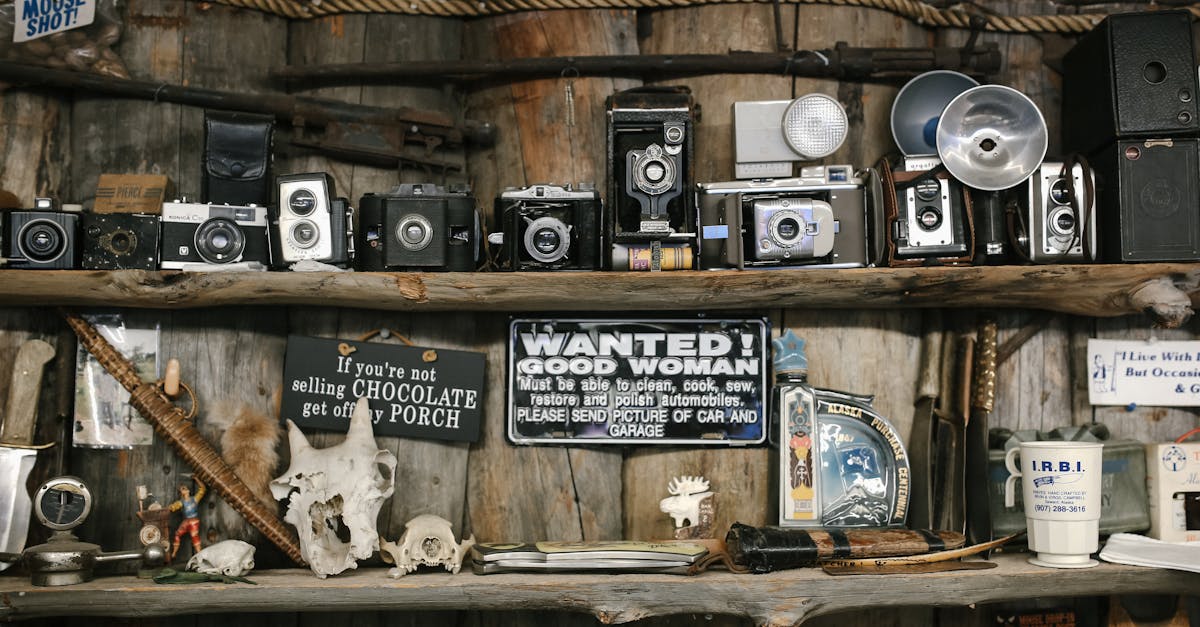
Stop Wasting Money on Photography Accessories You Don’t Need
I’ve been shooting for fifteen years, and I’ve bought a lot of garbage. Peak-design bags that looked cool but destroyed my back. $200 lens cleaning kits that did nothing a microfiber cloth couldn’t do. RGB ring lights I thought I needed for product photography. None of it made me a better photographer.
The accessories industry thrives on making you feel like your gear is incomplete. I’m here to tell you which accessories actually improve your work—and which ones are just noise.
The Ones That Actually Matter
A solid tripod
This is non-negotiable. Not the $25 Amazon special that collapses under its own weight—I mean something in the $80-150 range that won’t betray you at a crucial moment. I use a Mefoto Backpacker, and it’s paid for itself a hundred times over in sharper images, better compositions, and the ability to get myself in group shots.
Why? Because you’ll actually use it. A rickety tripod discourages you from setting up properly. A good one becomes invisible—you just work.
Weather sealing protection that matches your gear
If you own weather-sealed cameras and lenses, get a rain sleeve or a simple dry bag. Not because rain seals are perfect (they’re not), but because psychological protection matters. You’ll shoot in conditions that produce better light and fewer tourists. That’s where good photos live.
Skip the $60 “professional” rain covers. A $15 dry bag does the same job.
Extra batteries and a quality charger
This isn’t glamorous, but dead batteries have killed more shots than bad technique. I carry four batteries and a two-slot charger that charges both simultaneously in about two hours. Anker makes a solid third-party option for $30.
The math is simple: one missed moment costs more than backup power ever will.
The Ones I’d Skip
Camera straps beyond basic function
Peak Design straps run $90-130. They’re engineered well, sure. But a $15 neoprene strap from any reputable brand handles the job. Unless you’re switching between cameras constantly, you don’t need quick-release magic. You need something comfortable that doesn’t slip. That’s a solved problem at every price point.
ND filters and variable ND filters for everything
Here’s the honest take: if you’re not doing long-exposure work or shallow-depth-of-field video in bright sunlight, you don’t need these. And if you are, buy a fixed ND that matches your filter size—they’re $15-30 and optically cleaner than variable NDs.
I see creators buying variable NDs on their gear list and never using them. Gear shame is real.
Fancy lens cases and inserts
Your lenses came in cases. Use those. Or use a dry bag with some bubble wrap. A $80 Pelican case insert system is overkill unless you’re traveling internationally weekly. Most of us shoot locally.
What I Actually Recommend
Start here:
- Tripod ($80-150) — Mefoto Backpacker or Manfrotto if you need something sturdier
- Extra batteries ($25-40) — Brand-name spares for your camera
- Quick charger ($20-30) — Anker or similar
- Lens cleaning kit ($8) — Rocket blower and microfiber cloth, nothing else
- Weather protection ($15) — A dry bag
That’s $150-250 that actually improves your photography. Everything else is either solving problems you don’t have or making your gear bag heavier.
The real accessory you need? Discipline. Shoot with what you have. Use it until you understand its limits. Buy accessories that solve actual problems you’ve identified, not problems marketing told you about.
Your camera doesn’t need more stuff. Your eye needs more miles.
Gear Mentioned in This Article:
Affiliate links — we earn a small commission at no extra cost to you.
Comments (4)
I keep coming back to this article. It's become my go-to reference.
Do you have any tips for applying this to landscape work?
This is exactly what I needed. Bookmarked for future reference.
Thanks Tony Marchetti! Glad it was helpful.
Leave a Comment