
I have owned four tripod heads simultaneously. Not because I wanted to, but because every time I tried to solve the photo-versus-video problem, I just added another piece of gear to the pile. A ball head for stills, a fluid head for video, and a half-broken pan-tilt head I bought for $23 that I keep meaning to throw away. The core frustration is always the same: you show up to a shoot, you pick your tripod setup based on what you think you’ll be doing, and then the situation changes. You need to grab a quick video clip but you’re locked into ball head mode. Or you need a sharp, leveled still but your fluid head is dragging and loose.
In this The Slanted Lens tutorial, photographer and educator Jay P. Morgan walks through the Heipi KB50, a compact hybrid head currently on Kickstarter that combines ball head functionality, fluid head pan-and-tilt control, and gimbal-style tracking into a single unit. I watched it twice, took notes, and built this walkthrough so you can get the full picture before deciding whether to back it. Watch the full tutorial on YouTube
Step 1: Understand What Problem the KB50 Is Actually Solving
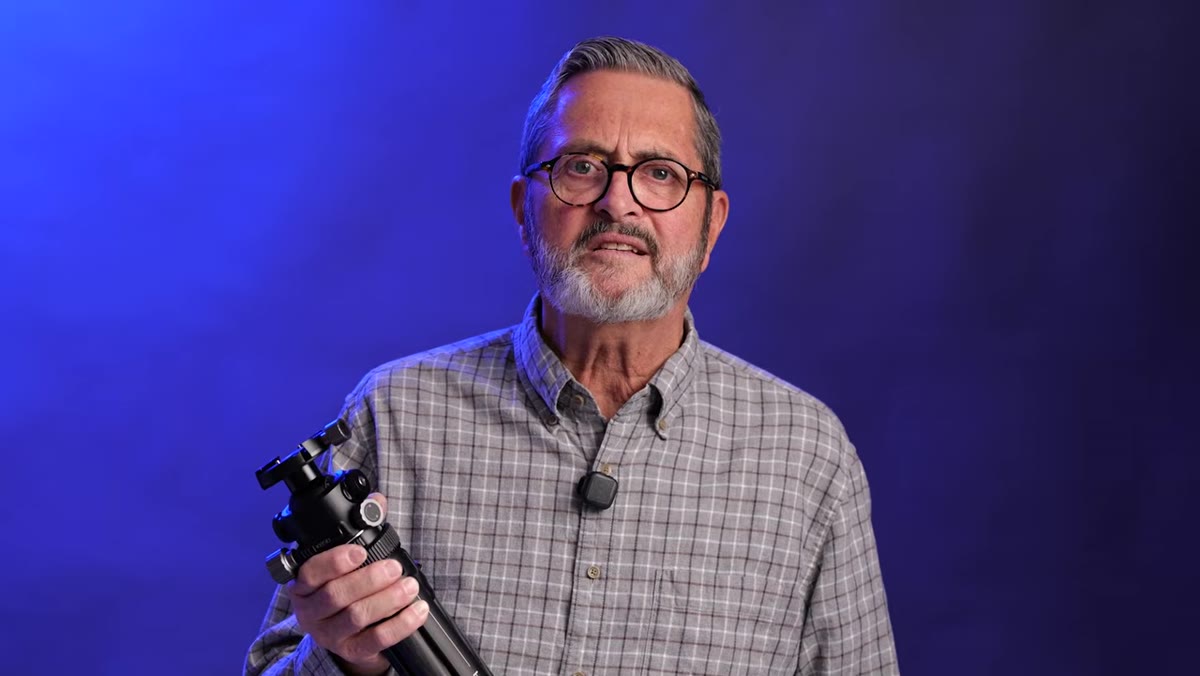
 Presenter holding the KB50 head up to camera
Before you look at any specs, get clear on the use case. The KB50 is built for hybrid shooters who alternate between stills and video on the same shoot, not just people who do both at different times. If you shoot photos on Monday and video on Friday, a good ball head and a separate fluid head will serve you fine. But if you’re at a wedding, a wildlife location, or a documentary shoot where you need to pivot between formats in seconds, switching heads or swapping tripods costs you real moments.
The KB50 addresses that by putting both modes in one housing with a quick-switch mechanism. That’s the whole pitch, and it’s worth keeping that framing in mind as you evaluate the rest of the features.
Step 2: Get Familiar with the Arca-Swiss Plate System
 Close-up of the Arca-Swiss quick-release plate on the KB50
The KB50 uses an Arca-Swiss compatible quick-release system, which matters a lot if you’re already standardized on that ecosystem. If all your cameras and lenses are already fitted with Arca-Swiss plates, you can drop straight into this head without buying new hardware. It ships with a small square plate, which covers most mirrorless and DSLR bodies.
Where it gets more useful is with the optional longer plates. If you’re running a heavy telephoto or a cinema lens, sliding the camera forward or back on a longer Arca-Swiss plate lets you balance the rig properly on the fluid head. That balance is what enables the gimbal-like tracking behavior. Without it, you’re just fighting the head instead of letting it work for you.
Step 3: Attach the Fluid Handle for Video Mode
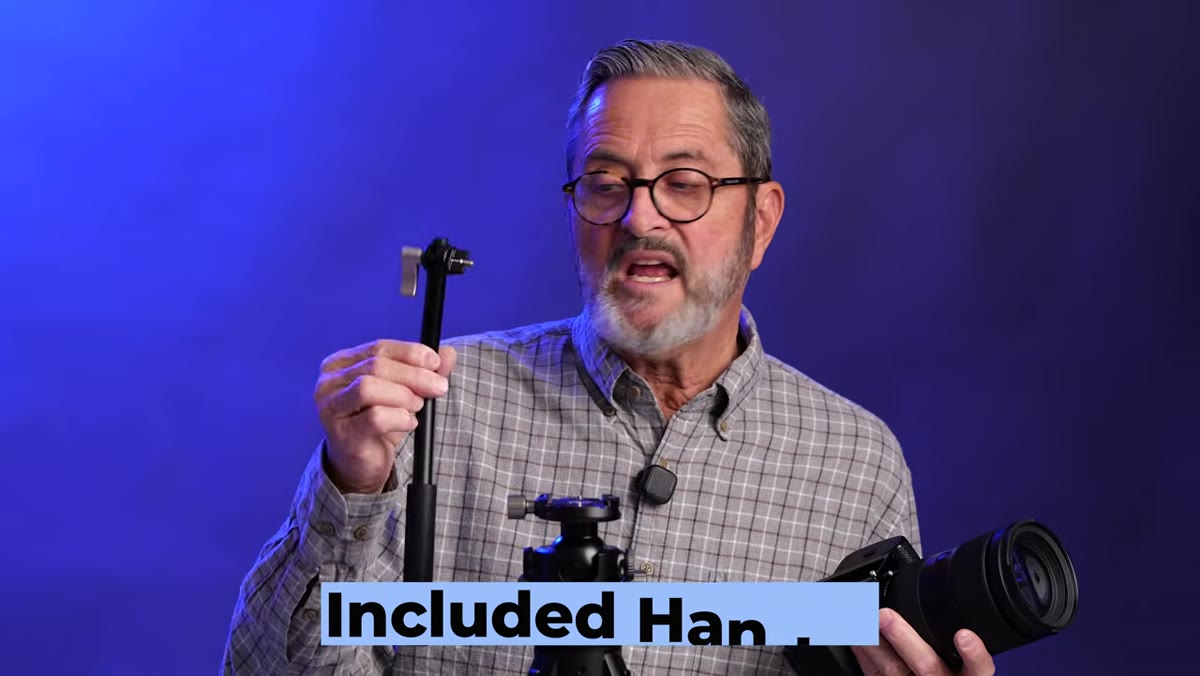 Handle being attached to the side of the KB50 head
The KB50 ships with a detachable fluid handle, the kind you’d see on a traditional video head. In video or pan-tilt mode, you clip this on and use it to guide smooth pans and tilts. The drag on the fluid mechanism gives you that controlled, cinematic movement rather than the jerky repositioning you get from a loose ball head.
What makes this smarter than a fixed design is that the handle can be repositioned to either side of the head. That’s a small thing that makes a real difference if you’re shooting from awkward angles or switching between operators. When you’re done with video, the handle comes off in seconds and the head converts back for stills. No tools, no fuss.
Step 4: Switch into Ball Head Mode for Stills
 Demonstrating the quick-switch from video pan-tilt to ball head mode
This is the core mechanic of the KB50. Rather than being a fluid head with a ball attached, or a ball head with limited pan control, it’s designed to genuinely operate in two distinct modes. In ball head mode, you get the full freedom of movement that still photographers need: quick repositioning, portrait-to-landscape rotation, and locking down at precise angles without fighting drag resistance.
The transition between modes is meant to be fast enough to do mid-shoot. You’re not breaking down and rebuilding anything. The idea is that this becomes muscle memory, like switching a lens, so you don’t lose the moment while you’re fiddling with hardware.
Step 5: Use Balanced Pan-Tilt as a Manual Gimbal
 Demonstrating fluid pan movement tracking a moving subject
Once your camera is properly balanced on the plate and the fluid drag is dialed in, the KB50 behaves like a manual gimbal for tracking shots. This is especially useful for wildlife and sports photographers who need to follow a subject smoothly without carrying a powered gimbal and its battery management headaches.
The key is getting the balance right before you start shooting. Slide the plate until the camera stays level on its own when the head is unlocked. Too front-heavy and your pans will dip. Too back-heavy and you’ll be fighting it in the other direction. Once it’s neutral, the fluid head does the work of keeping movement smooth.
Step 6: Mount It on Any Tripod, Not Just the Heipi System
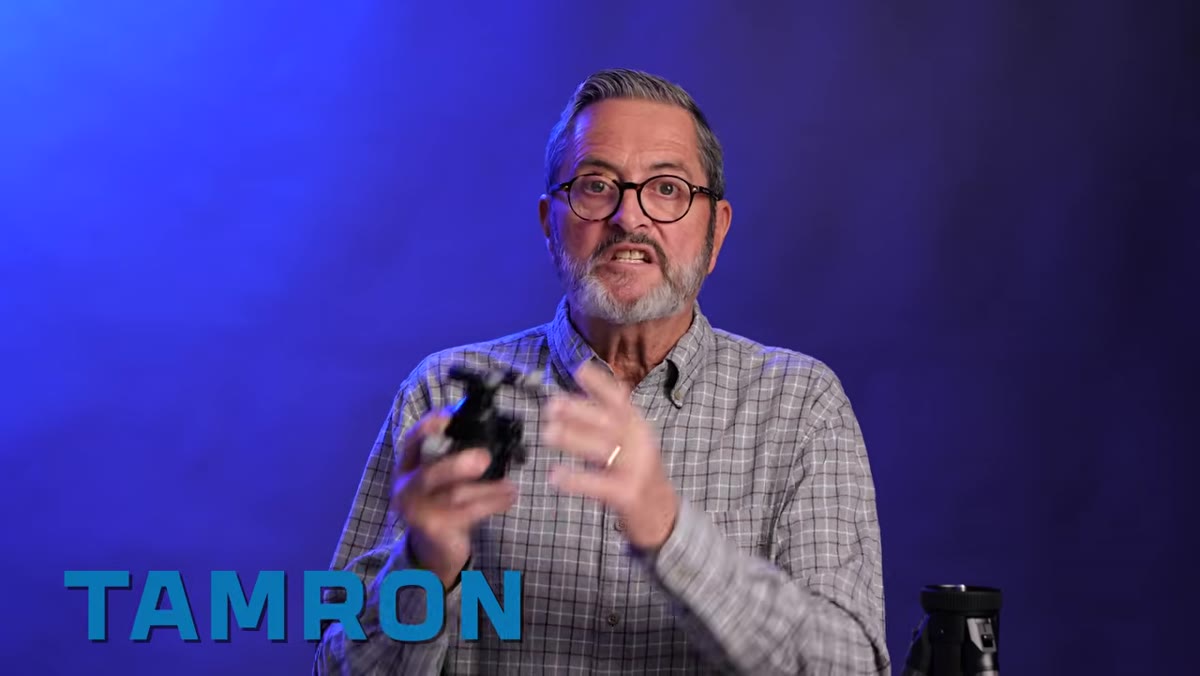 KB50 shown mounted on the Heipi W28S compact travel tripod
The KB50 sits on a standard tripod mount, so it works with whatever legs you already own. Morgan demos it on Heipi’s own W28S travel tripod, which is a solid compact system in its own right, but the head isn’t locked into that ecosystem. If you’ve already got a set of Gitzo, Manfrotto, or even budget carbon fiber legs you like, you just thread the KB50 on and go.
For travel shooters, pairing the KB50 with a lightweight carbon fiber tripod under $150 from a brand like Leofoto or Marsace gives you a genuinely capable kit without the weight or cost of a traditional two-head travel setup.
My Honest Caveat Before You Back It
I’m not someone who backs Kickstarters impulsively. I’ve got a spreadsheet. But Heipi has a track record here worth noting: their first campaign, the W28S tripod, hit a million dollars with 3,000 backers and they delivered the product. That’s not nothing. Most hardware Kickstarters fail on delivery, not on concept. Heipi at least has a real product history.
That said, I’d want to know more about the fluid drag range, specifically whether it has enough resistance for heavier mirrorless rigs with large zooms, before committing for video work. The gimbal-style tracking looks smooth in the demo with a moderate lens, but drag systems don’t always scale the same way under real load. If you’re running a 70-200 f/2.8 and shooting fast-moving subjects, test that assumption before the campaign closes.
The single biggest takeaway here is that the value of the KB50 isn’t any one feature. It’s the elimination of the decision. You stop asking yourself which tripod to bring and start spending that energy on the actual shoot. For a hybrid shooter, that mental overhead reduction is worth more than most people realize.
Watch the full tutorial on YouTube to see the KB50 in action and judge the fluid motion for yourself. And if you want to back the campaign, you can find the Kickstarter link in the video description.
Comments
Leave a Comment