I have a spreadsheet. It has every lens I’ve tested in the last four years, sorted by price-to-performance ratio. Budget glass, mid-range glass, a few splurges I justified way too hard. And for a long time, my working theory was simple: the more expensive the lens, the harder you have to work to justify it. Most of the time, cheaper alternatives hold their own. But every once in a while, a piece of gear comes along that forces you to update your assumptions. That’s what happened when I watched Watch the full tutorial on YouTube and heard Peter McKinnon say, flat out, that if he could only keep one lens for his Canon R5, it would be the Canon RF 28-70mm f/2L USM.
In this Peter McKinnon tutorial, filmed across two days of street shooting and B-roll in New York City, McKinnon doesn’t just tell you this lens is great. He builds a case from the inside out, the way a working shooter thinks about gear, not as a collection of specs but as a set of real decisions made under real constraints. What do you always pack? What earns its place in the bag every single time, no matter what else changes? That framing hit me differently than a standard review. It’s the question I should be asking about every piece of gear I own.
The video isn’t a traditional tutorial with a locked-down tripod and a lightbox. It’s McKinnon in motion, walking through his thought process while actually using the lens on the street. Which means the lessons are embedded in the doing. Here’s how to pull them out and apply them to your own shooting.
Step 1: Start With the “Always In the Bag” Test
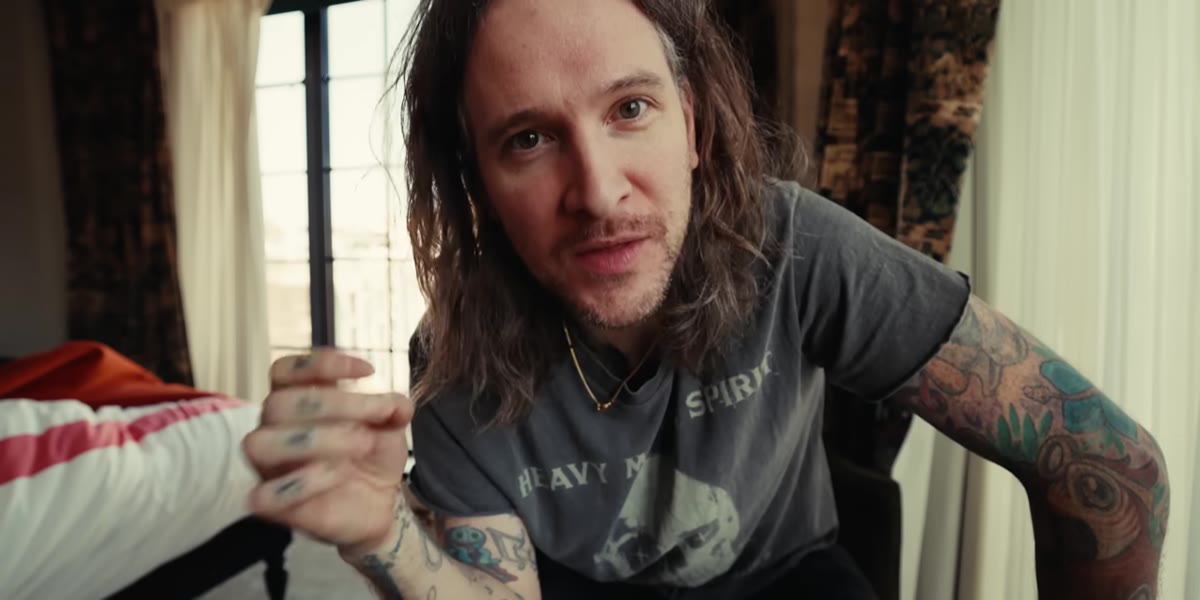 McKinnon packing gear and selecting which lenses make the cut
Before you evaluate any lens on specs alone, McKinnon’s first move is asking a more honest question: what gear do you actually reach for, no matter what? Not what looks good on a shelf or what reviewers rank highest, but what survives every repacking, every trip, every kit overhaul. If a lens keeps getting left behind, that tells you something. If it keeps making the cut, that tells you more. Run every piece of glass you own through this filter before spending money on anything new. You might find you already have your answer.
McKinnon packing gear and selecting which lenses make the cut
Before you evaluate any lens on specs alone, McKinnon’s first move is asking a more honest question: what gear do you actually reach for, no matter what? Not what looks good on a shelf or what reviewers rank highest, but what survives every repacking, every trip, every kit overhaul. If a lens keeps getting left behind, that tells you something. If it keeps making the cut, that tells you more. Run every piece of glass you own through this filter before spending money on anything new. You might find you already have your answer.
Step 2: Understand What Makes the 28-70mm f/2 Unusual
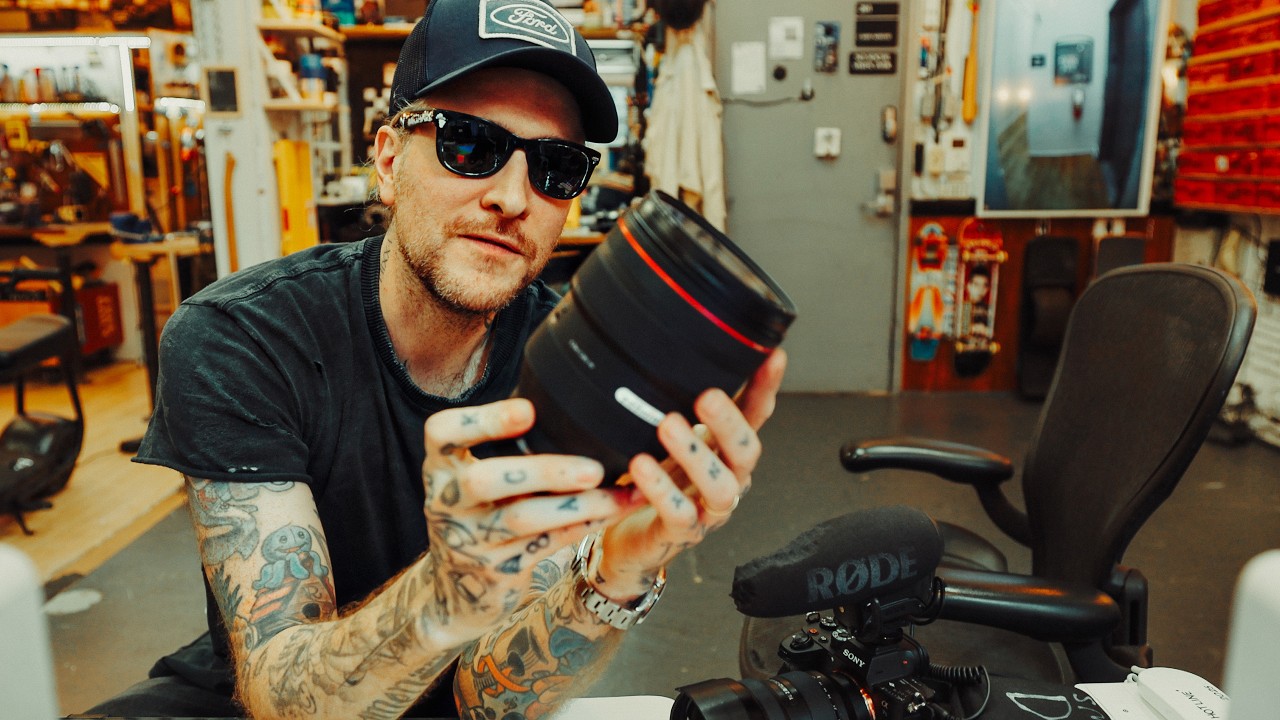
 McKinnon holding the Canon RF 28-70mm f/2L USM lens toward camera
The Canon RF 28-70mm f/2L is notable for one reason above all others: it’s a zoom lens with a maximum aperture of f/2. That’s not a typo. Most zoom lenses top out at f/2.8, and even that’s considered fast. Getting to f/2 across a zoom range means you’re pulling in significantly more light and getting shallower depth of field than almost any other zoom on the market. For video shooters especially, that extra stop matters in low light without having to bump ISO. For portrait and street photographers, it means subject separation that used to require a prime. The tradeoff is size and weight. This is not a small lens. But McKinnon’s point is that for a one-lens kit on an R5, the versatility of that zoom range combined with f/2 performance removes the need to carry multiple primes.
McKinnon holding the Canon RF 28-70mm f/2L USM lens toward camera
The Canon RF 28-70mm f/2L is notable for one reason above all others: it’s a zoom lens with a maximum aperture of f/2. That’s not a typo. Most zoom lenses top out at f/2.8, and even that’s considered fast. Getting to f/2 across a zoom range means you’re pulling in significantly more light and getting shallower depth of field than almost any other zoom on the market. For video shooters especially, that extra stop matters in low light without having to bump ISO. For portrait and street photographers, it means subject separation that used to require a prime. The tradeoff is size and weight. This is not a small lens. But McKinnon’s point is that for a one-lens kit on an R5, the versatility of that zoom range combined with f/2 performance removes the need to carry multiple primes.
Step 3: Let the Focal Range Do the Work on the Street
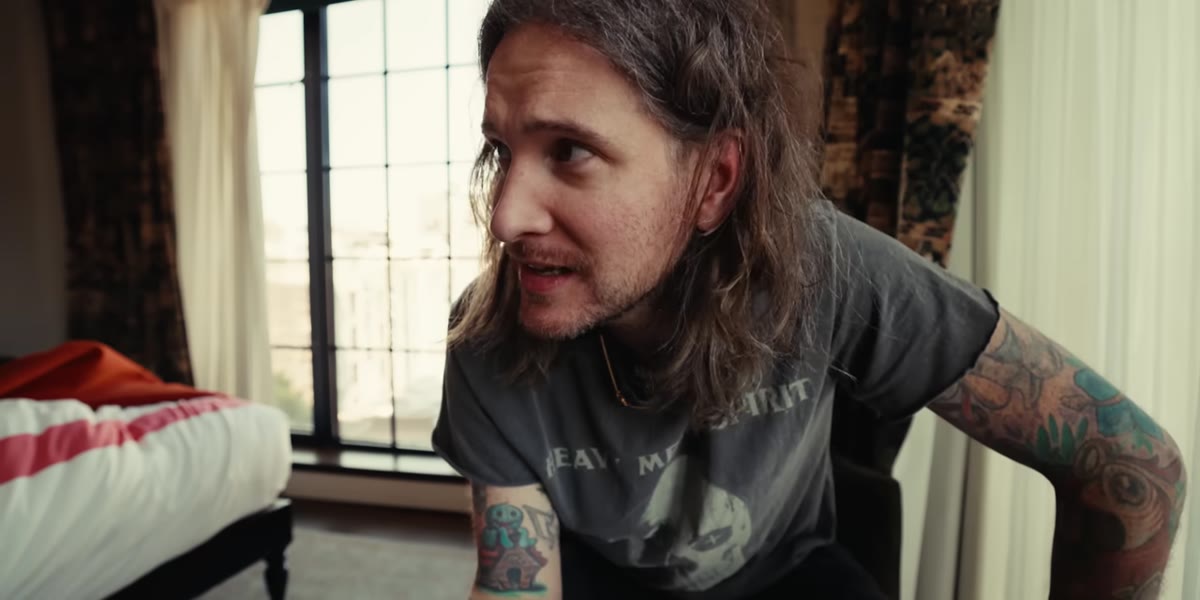
 McKinnon shooting street scenes in New York City with the 28-70mm
On a street shooting day, McKinnon uses the full range of the lens rather than locking into one focal length. This is worth practicing deliberately. At 28mm, you’re wide enough to include environment and context. At 70mm, you’re compressing the scene and isolating subjects in a crowd. Instead of swapping lenses, you’re shifting your perspective and your relationship to the scene by zooming. The discipline is learning which end of the range fits which situation instinctively, so you’re not fumbling with the zoom ring when the moment is happening. Spend a session shooting only at 28mm, then only at 70mm, then let yourself use the full range. You’ll develop a feel for when to reach for each end.
McKinnon shooting street scenes in New York City with the 28-70mm
On a street shooting day, McKinnon uses the full range of the lens rather than locking into one focal length. This is worth practicing deliberately. At 28mm, you’re wide enough to include environment and context. At 70mm, you’re compressing the scene and isolating subjects in a crowd. Instead of swapping lenses, you’re shifting your perspective and your relationship to the scene by zooming. The discipline is learning which end of the range fits which situation instinctively, so you’re not fumbling with the zoom ring when the moment is happening. Spend a session shooting only at 28mm, then only at 70mm, then let yourself use the full range. You’ll develop a feel for when to reach for each end.
Step 4: Plan Around the Filter Size Before You Leave
 Polar Pro ND filters delivered to McKinnon’s hotel for the 28-70mm
One practical detail McKinnon flags is that the 28-70mm f/2 takes a 95mm filter, which is one of the largest common filter sizes available. He forgot his ND filters for the trip and had to have them overnighted to his hotel. That’s a planning note worth writing down right now. If you shoot in daylight with a fast aperture, especially at f/2, you need ND filters or you’re fighting overexposure the entire time. The 95mm size means your existing filter collection probably won’t fit, and 95mm filters are not cheap. Factor that into your total cost of ownership before you buy the lens. It’s not a dealbreaker, but it’s a real expense that reviews often skip past.
Polar Pro ND filters delivered to McKinnon’s hotel for the 28-70mm
One practical detail McKinnon flags is that the 28-70mm f/2 takes a 95mm filter, which is one of the largest common filter sizes available. He forgot his ND filters for the trip and had to have them overnighted to his hotel. That’s a planning note worth writing down right now. If you shoot in daylight with a fast aperture, especially at f/2, you need ND filters or you’re fighting overexposure the entire time. The 95mm size means your existing filter collection probably won’t fit, and 95mm filters are not cheap. Factor that into your total cost of ownership before you buy the lens. It’s not a dealbreaker, but it’s a real expense that reviews often skip past.
Step 5: Evaluate the Lens Against Your Actual Output, Not Hypotheticals
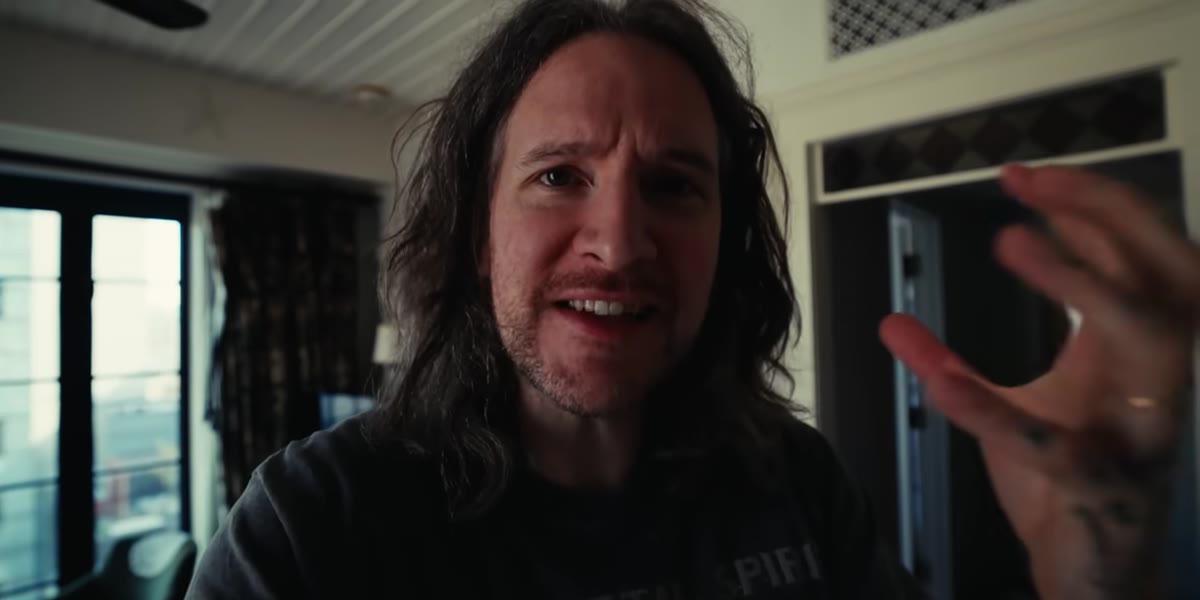
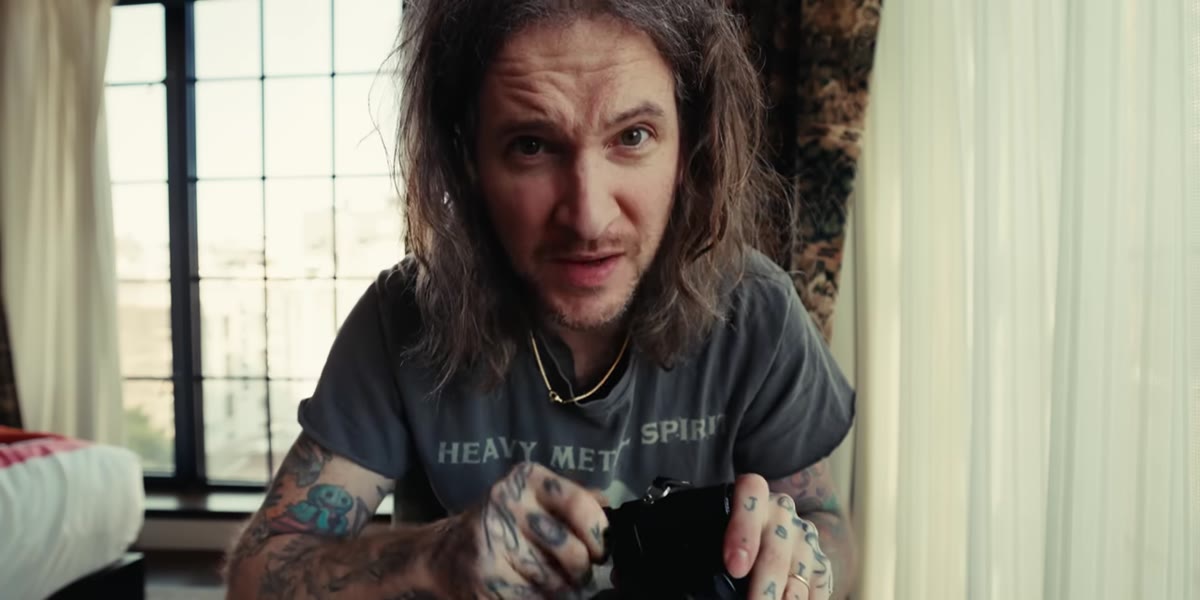 McKinnon reviewing shots after a full day of street shooting and film rolls
McKinnon mentions burning through multiple rolls of film and shooting heavy B-roll across long walking days. The point isn’t to brag about output. It’s that he’s testing the lens under real working conditions, not controlled ones. When you’re 22,000 steps into a day and your creative energy is lower, does the lens still make it easy to get the shot? Does the autofocus keep up? Does the size and weight become a liability? These are the questions that only get answered on long days of actual use. If you get the chance to rent this lens before buying, don’t rent it for a studio session. Take it somewhere demanding and shoot until you’re tired.
McKinnon reviewing shots after a full day of street shooting and film rolls
McKinnon mentions burning through multiple rolls of film and shooting heavy B-roll across long walking days. The point isn’t to brag about output. It’s that he’s testing the lens under real working conditions, not controlled ones. When you’re 22,000 steps into a day and your creative energy is lower, does the lens still make it easy to get the shot? Does the autofocus keep up? Does the size and weight become a liability? These are the questions that only get answered on long days of actual use. If you get the chance to rent this lens before buying, don’t rent it for a studio session. Take it somewhere demanding and shoot until you’re tired.
What I’d Add From My Own Testing
McKinnon is shooting at a level where the Canon RF 28-70mm f/2L makes complete sense. At around $3,000, it’s a serious investment, but if it genuinely replaces two or three primes in your bag and you’re shooting professionally, the math can work. For most people reading this, though, the more useful takeaway from his framework is the question, not the answer. What lens would you keep if you could only keep one? If you can’t answer that immediately, you’re probably carrying too much and relying on too little. I ran this test myself recently and realized I was reaching for the same two lenses on 90% of my shoots. The rest of my collection was financial anxiety masquerading as preparedness.
The single most important thing McKinnon demonstrates here is that great gear decisions come from honest self-observation, not spec sheets. Watch how you actually shoot, what you actually reach for, and what earns its place in the bag every single time. The lens that passes that test is your greatest lens, whatever it costs.
Watch the full tutorial on YouTube and see McKinnon shoot the streets of New York with it himself. The B-roll alone makes the case.
Comments (4)
Solid advice. Especially the part about taking your time with it.
The tip about the one lens peter mckinnon al was the missing piece for me. Thank you.
Tried this technique this morning. Game changer for real.
Couldn't agree more. I've seen this make a huge difference in photography work specifically.
Leave a Comment