I’ve been buying used camera gear since I scraped together enough cash for my first serious kit, and I’ll be honest: I’ve made every mistake in the book. Bought a lens with a fungus ring I missed in the listing photos. Overpaid on eBay because I didn’t know how to read auction timing. Passed on a deal that was genuinely great because I was too nervous to pull the trigger. Most of that could have been avoided if someone had handed me a clear framework early on.
That’s exactly what this Tony & Chelsea Northrup tutorial delivers. Watch the full tutorial on YouTube — it covers the full decision tree for buying used cameras and lenses, from eBay sniping to warranty math to where used gear actually makes sense versus where the savings aren’t worth the risk. I’ve watched a lot of gear videos, and this one stands out because it’s built around a formula, not vibes. Here’s the full walkthrough.
Step 1: Run the Real Cost Formula Before You Buy Anything
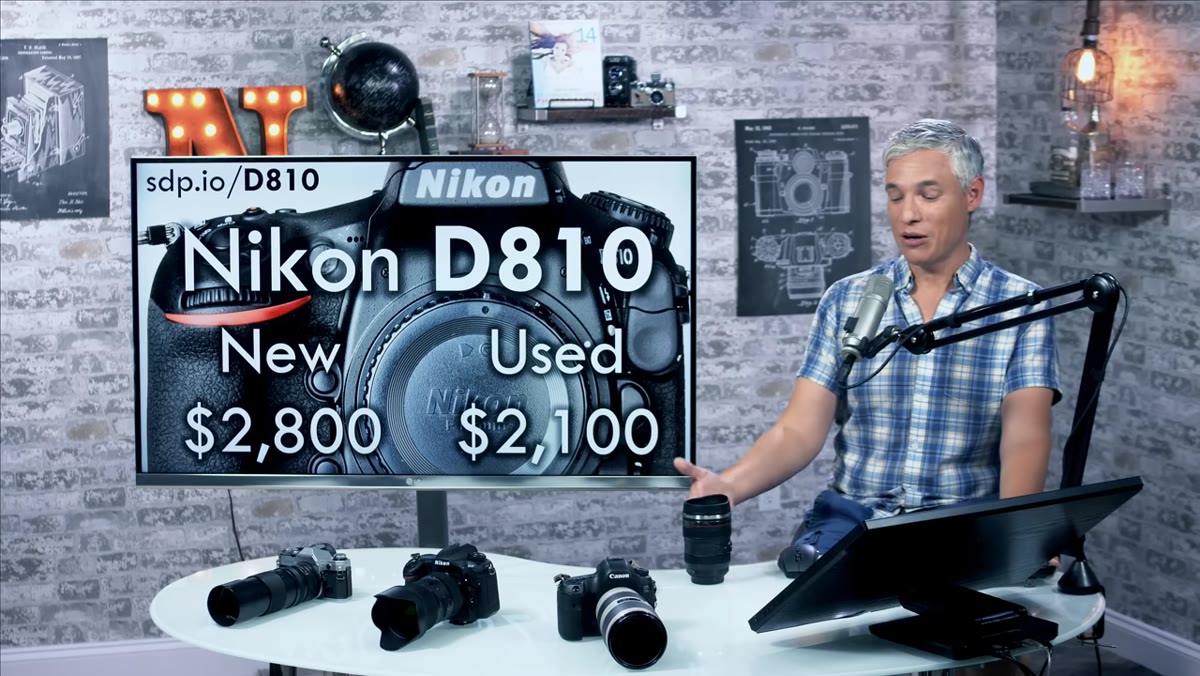
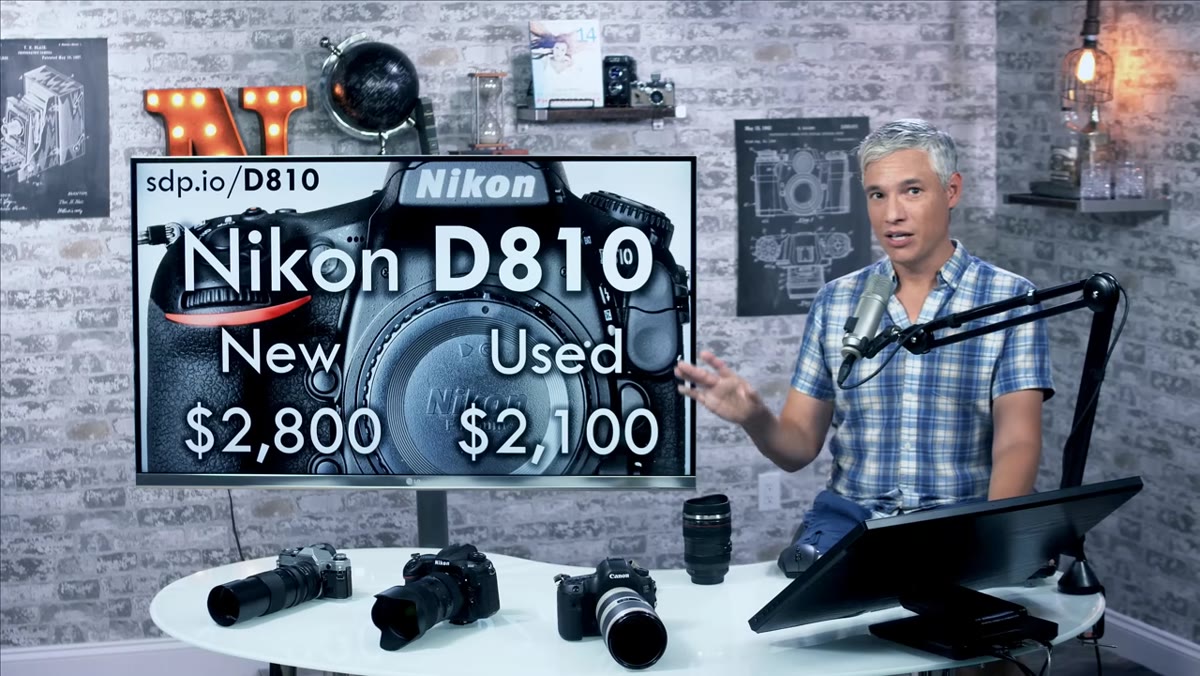
 Nikon D810 new vs used price comparison on screen
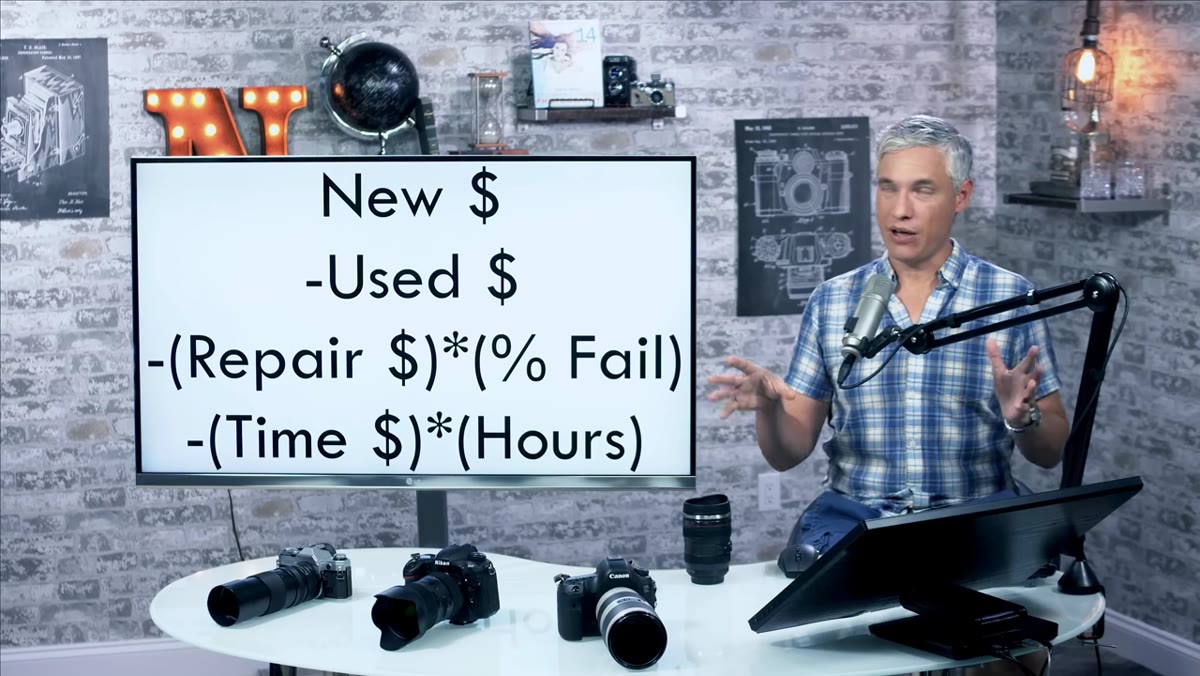
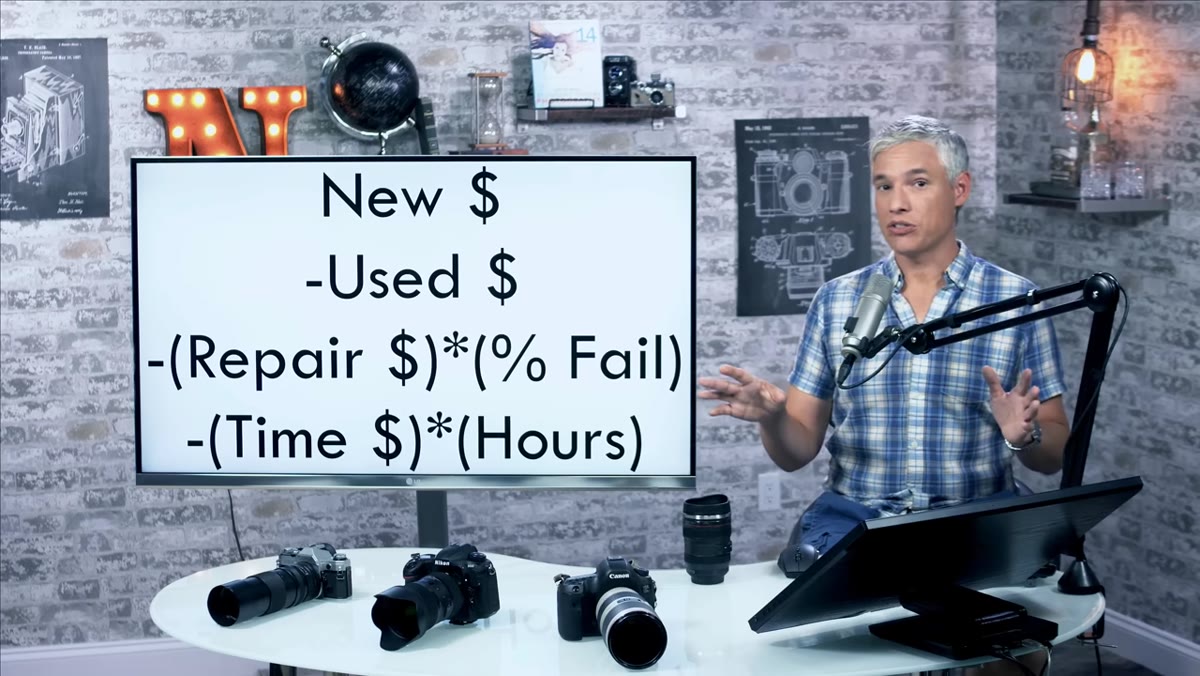
Before you even open eBay or B&H’s used section, you need to sit down and do a little math that most buyers skip. The price difference between new and used is obvious, but it’s not the whole picture. What you also need to factor in is the warranty gap. Most camera gear has non-transferable warranties, which means the moment it changes hands, you own any repair costs that come with it.
Nikon D810 new vs used price comparison on screen
Before you even open eBay or B&H’s used section, you need to sit down and do a little math that most buyers skip. The price difference between new and used is obvious, but it’s not the whole picture. What you also need to factor in is the warranty gap. Most camera gear has non-transferable warranties, which means the moment it changes hands, you own any repair costs that come with it.
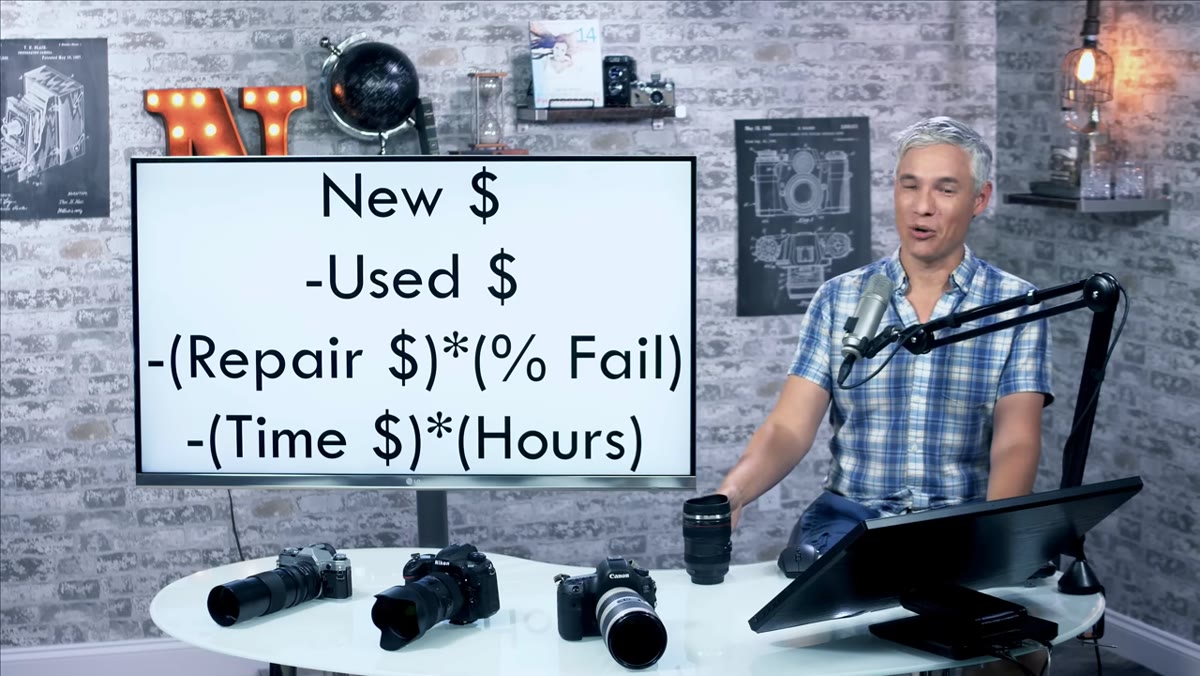
The formula works like this: estimate the probability that something breaks (say, five percent), multiply that by what a repair would realistically cost (say, $500), and you get your expected risk cost – about $25 in that example. Add that to the used price, and compare it to new. If the gap is still significant, used wins. If it’s not, you have your answer before you’ve wasted an hour browsing listings.
Step 2: Factor In Your Own Personality – Seriously
 Tony speaking directly to camera about warranty behavior
This step sounds soft but it’s actually one of the most practical filters in the video. The question isn’t just whether the warranty has monetary value – it’s whether YOU will ever use it. Some photographers send gear in the moment a focusing ring feels slightly off. Others (and I count myself in this group) will use a lens until it stops making sharp images, period. If you’re the type who stress-tests every rattle and files warranty claims for minor quirks, you’re going to extract real value from a manufacturer warranty. Buy new.
Tony speaking directly to camera about warranty behavior
This step sounds soft but it’s actually one of the most practical filters in the video. The question isn’t just whether the warranty has monetary value – it’s whether YOU will ever use it. Some photographers send gear in the moment a focusing ring feels slightly off. Others (and I count myself in this group) will use a lens until it stops making sharp images, period. If you’re the type who stress-tests every rattle and files warranty claims for minor quirks, you’re going to extract real value from a manufacturer warranty. Buy new.
If you’re like me and you genuinely don’t care unless image quality is suffering, then the warranty math almost never favors new. I’ve owned dozens of pieces of gear. I have never once sent anything in under warranty. That changes the entire equation and it means used gear is almost always the right call for my shooting style.
Step 3: Learn Which Gear Categories Are Worth Buying Used
 Canon 70-200 f/2.8 new vs used pricing on screen
Not all used gear is created equal. The video walks through specific examples that illustrate a principle worth memorizing: the resale value of a product tells you a lot about whether buying used is actually a good deal. When a used lens is selling for 85 percent of its new price, the savings barely justify the warranty risk and the hassle of vetting the seller. That’s a thin margin.
Canon 70-200 f/2.8 new vs used pricing on screen
Not all used gear is created equal. The video walks through specific examples that illustrate a principle worth memorizing: the resale value of a product tells you a lot about whether buying used is actually a good deal. When a used lens is selling for 85 percent of its new price, the savings barely justify the warranty risk and the hassle of vetting the seller. That’s a thin margin.
On the other hand, when a camera body that’s been out for a few years drops to 70 percent or less of its original price, and it has a proven reliability record, you’re looking at genuine savings. Name-brand lenses from Canon and Nikon tend to hold value, which cuts both ways – great if you’re selling, less exciting if you’re buying used. Look for gear that’s taken a bigger depreciation hit, especially camera bodies from two or three generations back that still shoot excellent images.
Step 4: Choose Your Buying Channel Based on How Much Time You Have
 Tony describing different buying methods and time trade-offs
The video lays out a clear spectrum of used buying options, and where you land on it depends entirely on your time budget. At the low-effort end, you have Amazon’s used marketplace and retailers like KEH or B&H’s used department. You pay a little more, but the process is nearly as frictionless as buying new. Condition ratings are standardized, return policies exist, and you’re not messaging strangers.
Tony describing different buying methods and time trade-offs
The video lays out a clear spectrum of used buying options, and where you land on it depends entirely on your time budget. At the low-effort end, you have Amazon’s used marketplace and retailers like KEH or B&H’s used department. You pay a little more, but the process is nearly as frictionless as buying new. Condition ratings are standardized, return policies exist, and you’re not messaging strangers.
In the middle you have eBay with Buy It Now listings. A bit more legwork, but still manageable. At the high-effort, high-reward end is eBay auctions and Craigslist, where you can find the sharpest discounts – but only if you’re willing to put in real time chasing listings, vetting sellers, and sometimes driving to someone’s house. I’ve done all three. For most people, the retailer route or eBay Buy It Now is the sweet spot. Save the auction hunting for when you have a specific item on your list and some patience in the tank.
Step 5: Use Auction Sniping to Win eBay Bids Without Getting Emotional
 Tony mentioning sniping and auction timing strategy
If you do go the eBay auction route, the video introduces a tactic that completely changed how I bid: sniping. The idea is simple. Don’t bid early. Bidding early just drives the price up as other buyers react and counter-bid. Instead, decide the absolute maximum you’d pay for the item, and place that bid in the final seconds of the auction using a sniping tool or by watching the clock yourself.
Tony mentioning sniping and auction timing strategy
If you do go the eBay auction route, the video introduces a tactic that completely changed how I bid: sniping. The idea is simple. Don’t bid early. Bidding early just drives the price up as other buyers react and counter-bid. Instead, decide the absolute maximum you’d pay for the item, and place that bid in the final seconds of the auction using a sniping tool or by watching the clock yourself.
This removes the emotional bidding spiral that pushes prices past what the gear is actually worth. You set your ceiling in advance, stick to it, and either win at a fair price or walk away clean. Services like Gixen (free) or Auction Sniper handle the timing automatically if you don’t want to babysit the final countdown. This single habit has saved me more money on used gear than almost any other strategy.
My Extension: Build a Shortlist Before You Shop
I’ve added one layer on top of everything the video covers: I never browse used gear listings cold. Browsing without a target is how you end up impulse-buying a lens you didn’t need because it looked like a good deal. Instead, I keep a running shortlist of three to five specific items I’m actually looking to buy next, with a target price already calculated using the formula above. When a listing hits that price, I move. When it doesn’t, I close the tab.
This sounds simple but it’s genuinely hard to stick to when you’re deep in the scroll. The shortlist is the circuit breaker. It’s the same discipline I use when reviewing budget gear – knowing what you’re looking for before you start looking is the difference between a deal and a rationalization.
The single most important thing to take from this video is that buying used gear is a math problem, not a personality test. Run the numbers on warranty risk, factor in your own habits honestly, and match your buying method to the time you actually have. When those three things line up, used gear isn’t a gamble – it’s just a better price for the same shot.
Watch the full tutorial on YouTube for the complete breakdown, including more specific examples on cameras and lenses worth buying used right now.
Comments
Leave a Comment