I got into gear reviewing because I kept obsessing over prices instead of actually shooting. Spreadsheets, deal alerts, five tripods under fifty bucks lined up in my Denver apartment like some kind of budget photographer’s science experiment. I know gear. I can tell you the sharpest lens under $200 and which brands are worth watching on sale days. But here’s the thing I had to learn the hard way: none of that matters if you haven’t figured out what you’re actually trying to say with a photograph.
That’s the uncomfortable question at the center of Watch the full tutorial on YouTube, where veteran photographer and educator Joel Grimes walks through what separates a technically competent image from a genuinely great one. Grimes has been teaching workshops around the world for years, and this video distills a perspective that took him decades to develop. I’ve watched a lot of photography tutorials. Most of them are about ISO, lighting ratios, or retouching workflows. This one is about something harder to quantify, and that’s exactly why it stuck with me.
The core argument Grimes makes is this: photography pulls new practitioners almost magnetically toward the technical side, and most instruction reinforces that pull. But the photographers who build real audiences and real bodies of work aren’t the ones who mastered every technique first. They’re the ones who figured out their creative vision and then used technique in service of that vision. The gear, the settings, the workflows – all of it becomes a tool once you know what you’re building.
Step 1: Recognize That Technical Skill and Creative Vision Are Both Required – But Not Equal
 Joel Grimes speaking to camera about technical vs creative photography
Grimes is clear that he’s not anti-technique. He shares technical methods all the time and enjoys them. The point isn’t to ignore the technical side – it’s to stop treating it as the destination. A great photograph is the result of merging technical competence with a defined creative vision, and for most photographers, the technical side gets way more attention than the creative side. If you’re spending 80% of your learning time on camera settings and 20% on what you actually want your images to communicate, your ratio is probably backwards.
Joel Grimes speaking to camera about technical vs creative photography
Grimes is clear that he’s not anti-technique. He shares technical methods all the time and enjoys them. The point isn’t to ignore the technical side – it’s to stop treating it as the destination. A great photograph is the result of merging technical competence with a defined creative vision, and for most photographers, the technical side gets way more attention than the creative side. If you’re spending 80% of your learning time on camera settings and 20% on what you actually want your images to communicate, your ratio is probably backwards.
Practically speaking, this means auditing how you spend your study time. Are you watching tutorials about lighting gear, or are you spending equal time thinking about why certain images move you and others don’t? Both matter. But if you haven’t defined your creative direction, better gear and sharper technique will just produce more precisely executed images that don’t add up to anything coherent.
Step 2: Use Other Photographers’ Work to Identify Your Own Preferences
 Joel Grimes describing process of sorting through reference images
Grimes describes a simple but genuinely useful exercise he did recently: he went through a large collection of images from other photographers and made quick gut-level judgments. Like, don’t like, like, skip. No overthinking. The goal isn’t to copy what you like – it’s to surface a pattern in your own taste that you might not have articulated yet.
Joel Grimes describing process of sorting through reference images
Grimes describes a simple but genuinely useful exercise he did recently: he went through a large collection of images from other photographers and made quick gut-level judgments. Like, don’t like, like, skip. No overthinking. The goal isn’t to copy what you like – it’s to surface a pattern in your own taste that you might not have articulated yet.
Try this for yourself with a focused block of time. Pull up work from photographers whose names come up in your niche, scroll without stopping to analyze, and mark the ones that create an immediate reaction. After 30 or 40 images, look at what you marked. Is there a consistent mood, a lighting style, a subject matter, a compositional tendency? That pattern is raw data about your own aesthetic instincts. You’re not discovering what’s objectively good – you’re discovering what resonates with you specifically.
Step 3: Build a Reference Folder That Reflects Your Vision
 Description of capturing reference images into a folder for review
Once you’ve done the sorting exercise, Grimes recommends saving the images that resonated into a dedicated reference folder. Not a mood board full of aspirational shots you wish you could take – a working document you actually revisit. The purpose is to keep your creative direction visible and concrete rather than leaving it as a vague feeling you can’t quite describe.
Description of capturing reference images into a folder for review
Once you’ve done the sorting exercise, Grimes recommends saving the images that resonated into a dedicated reference folder. Not a mood board full of aspirational shots you wish you could take – a working document you actually revisit. The purpose is to keep your creative direction visible and concrete rather than leaving it as a vague feeling you can’t quite describe.
I’d suggest organizing that folder loosely by the qualities that drew you in. Light quality, color palette, subject energy, compositional style. When you look at it as a whole, you start to see your own preferences mapped out in front of you. That’s your vision taking shape. Return to it before shoots, before editing sessions, whenever you feel like your work is drifting away from what you actually care about.
Step 4: Commit to Your Unique Perspective Rather Than Chasing Consensus
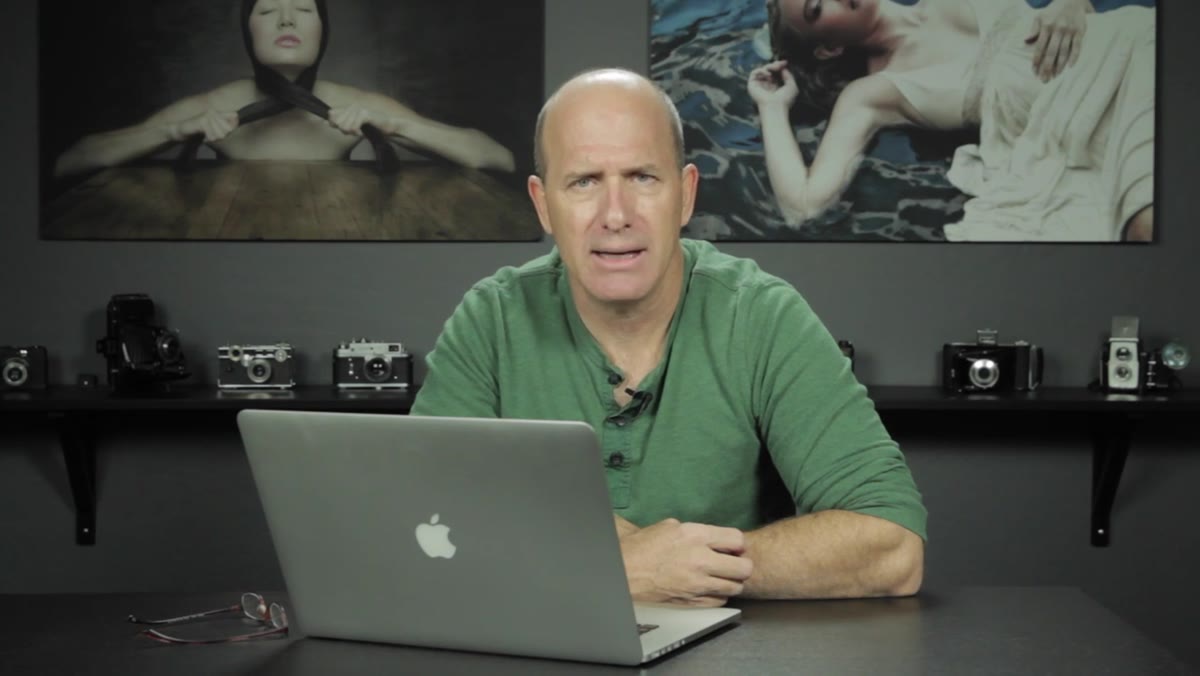 Joel Grimes discussing developing personal vision, not copying others
This is where Grimes gets direct in a way most photography content avoids. Your creative vision should be yours, not a polished imitation of someone else’s style. There’s a difference between being influenced by photographers you admire and just reproducing their aesthetic. Influence feeds your work and pushes it somewhere new. Imitation keeps you permanently one step behind the person you’re copying.
Joel Grimes discussing developing personal vision, not copying others
This is where Grimes gets direct in a way most photography content avoids. Your creative vision should be yours, not a polished imitation of someone else’s style. There’s a difference between being influenced by photographers you admire and just reproducing their aesthetic. Influence feeds your work and pushes it somewhere new. Imitation keeps you permanently one step behind the person you’re copying.
Grimes frames this as a straightforward fact: you’re a unique person, and that uniqueness is the actual asset. The photographers who build loyal followings aren’t doing so by producing the most technically perfect images – they’re doing it by producing images that feel like they could only come from one person. That specificity is what makes someone’s work memorable and worth following. The goal is to repeat your process, build a consistent body of work, and let the images accumulate into something that clearly represents a point of view.
Step 5: Stop Letting Outside Validation Dictate Your Direction
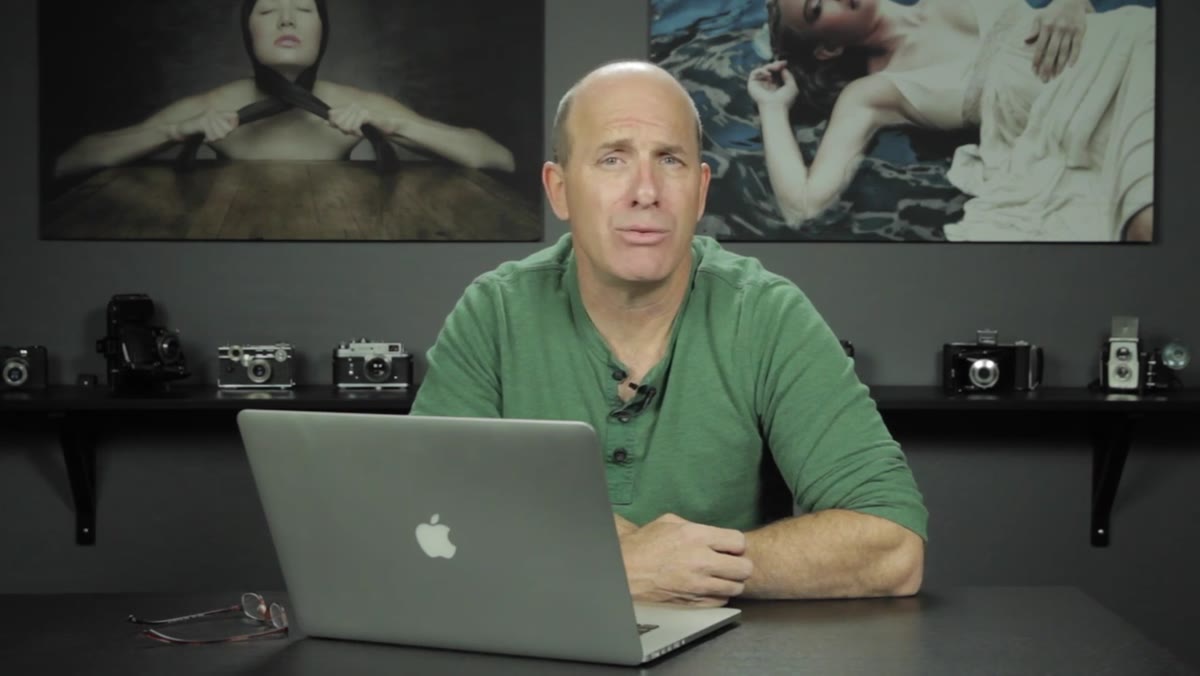 Joel Grimes discussing jury competitions and photographer discouragement
Grimes talks about photographers who’ve come to him in genuine distress because a competition jury didn’t award their work, and they took that as evidence that they should quit. His response is worth sitting with: a jury represents specific tastes held by specific people on a specific day. Their judgment tells you whether your work fits their preferences, not whether your work is good.
Joel Grimes discussing jury competitions and photographer discouragement
Grimes talks about photographers who’ve come to him in genuine distress because a competition jury didn’t award their work, and they took that as evidence that they should quit. His response is worth sitting with: a jury represents specific tastes held by specific people on a specific day. Their judgment tells you whether your work fits their preferences, not whether your work is good.
This applies just as much to social media metrics and client feedback. If you let every external signal reshape your creative direction, you’ll never develop a coherent body of work – you’ll just keep pivoting toward whatever got the most likes last week. The photographers who end up with real staying power are the ones who stayed consistent long enough to find the audience that actually resonates with what they do. Not every audience. The right audience.
What I’d Add From the Gear Side of This Equation
Here’s my honest extension of what Grimes is teaching: the vision-first mindset also fixes the gear acquisition trap. When you know what you’re trying to create, gear decisions get a lot simpler. You’re not buying the camera body with the best spec sheet – you’re asking whether a piece of equipment helps you execute the specific images you’re trying to make. That clarity cuts through most of the noise in gear reviews, including mine. A 50mm prime might be all you ever need if your vision is intimate environmental portraits. A telephoto zoom might be useless to you entirely. Vision doesn’t just make better photographs – it makes better purchasing decisions.
The single most important idea from this tutorial is one Grimes has been working out for years: technique serves vision, not the other way around. Figure out what you’re trying to say, use your gear and your skills to say it clearly, and build enough work over time that people can see your perspective from across the room. Everything else is secondary.
Watch the full tutorial on YouTube and hear Grimes work through this in his own words. It’s one of the more honest conversations about the creative side of photography that I’ve come across, and it costs you nothing but the time to watch it.
Comments (2)
Just subscribed. If the rest of your content is this good, I'm in.
Never thought of approaching it this way. Really creative.
Leave a Comment