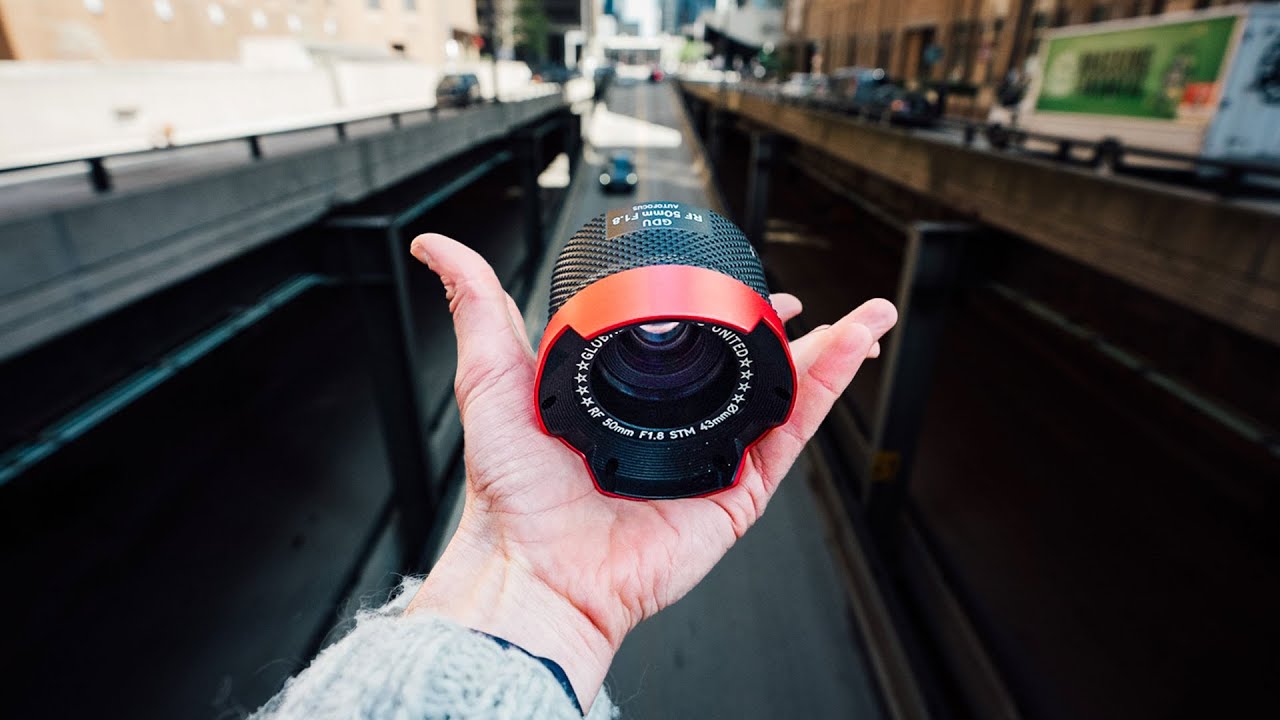
I keep a running spreadsheet of every budget lens I’ve tested, and the tilt lens category has always been one of the messiest columns in it. High variation in results, steep learning curve, polarizing opinions. Most of the time when someone asks me about tilt optics under $300, I tell them to come back after they’ve shot a thousand hours with a normal prime. But after watching Pierre T. Lambert take a TTArtisan 50mm tilt lens through the streets of Chicago, I’m rethinking part of that advice. Not all of it. But part of it.
In this Pierre T. Lambert tutorial, he walks Chicago with a photographer friend named Magic, and the two of them have one of those genuinely useful gear conversations that happens when two people with different shooting backgrounds compare notes out loud. Pierre is a street and travel shooter. Magic is a wedding photographer with a decade of experience. They’re carrying different cameras, different lenses, and seeing the same streets completely differently. That contrast is where the real lesson is.
Watch the full tutorial on YouTube
The practical question they’re working through is simple: if you had a max budget of $300 for a lens, what would you buy? Their answers split, and the reasons behind each choice are worth unpacking step by step.
Step 1: Define Your Budget and Your Actual Skill Level First
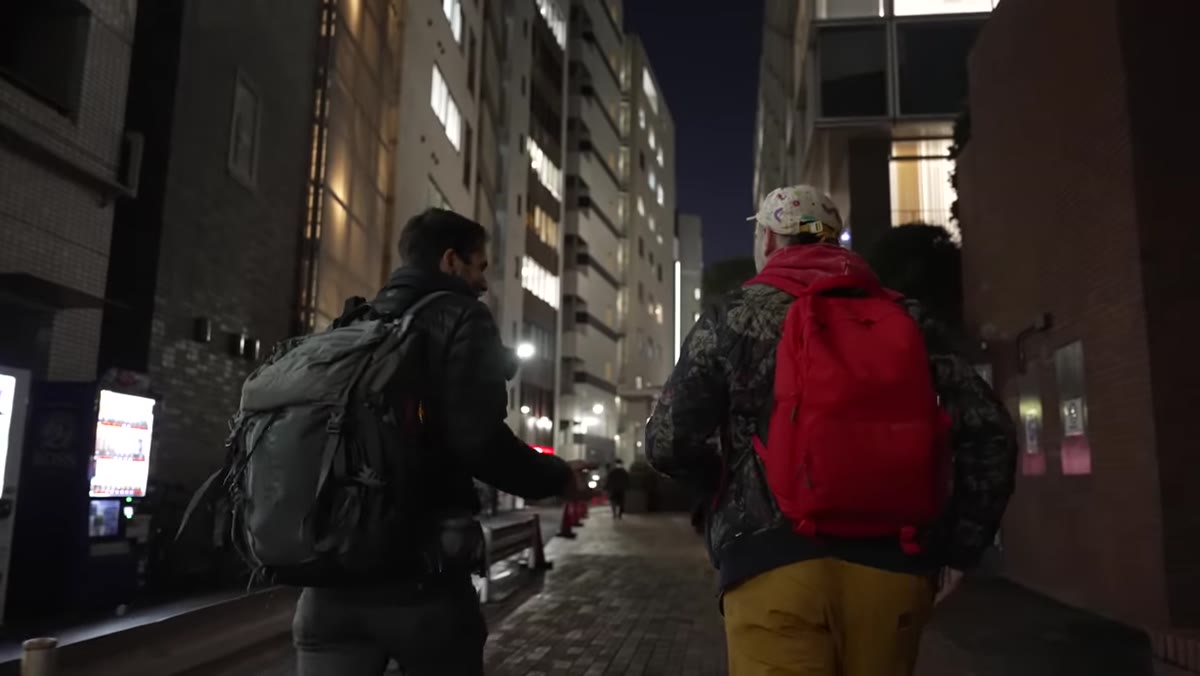 Pierre asking Magic about a $300 lens budget
Before either of them even mentions a specific lens, Pierre frames the whole conversation around a budget ceiling of $300. That framing matters. A lot of gear advice skips this and jumps straight to “just get the best one,” which is useless when you’re working with real-world constraints. Figure out your number before you open a single product page. Then be honest about where you are as a shooter, because as this conversation shows, the right lens at $300 for a beginner is not the same lens as the right one for someone with professional experience behind them.
Pierre asking Magic about a $300 lens budget
Before either of them even mentions a specific lens, Pierre frames the whole conversation around a budget ceiling of $300. That framing matters. A lot of gear advice skips this and jumps straight to “just get the best one,” which is useless when you’re working with real-world constraints. Figure out your number before you open a single product page. Then be honest about where you are as a shooter, because as this conversation shows, the right lens at $300 for a beginner is not the same lens as the right one for someone with professional experience behind them.
Step 2: Understand Why the TTArtisan 50mm Tilt Is a Compelling Pick for Experienced Shooters
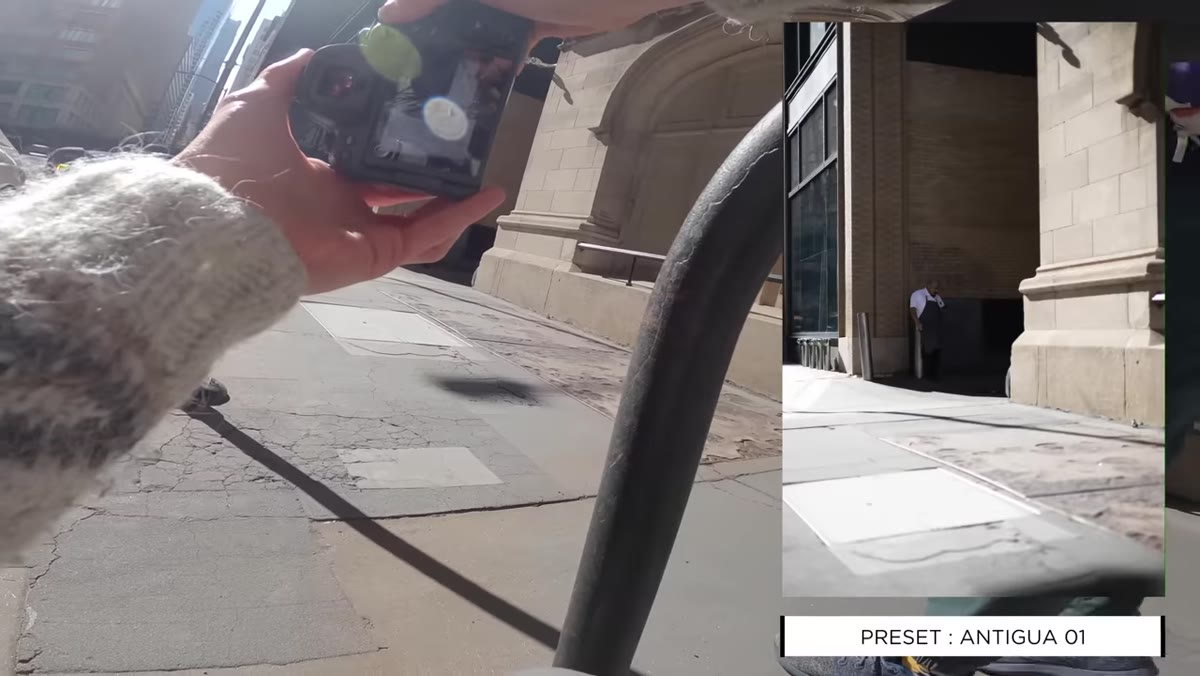 Magic recommending the TTArtisan 50mm tilt lens
Magic’s recommendation is the TTArtisan 50mm tilt lens, and his reasoning is specific to his background. After ten years shooting weddings, he fell in love with the visual effect of having two separate planes of focus in a single frame. You can have a subject sharp in the foreground while something further back is also sharp, with a band of soft blur between them. It’s a technique that creates a painterly, almost dreamlike quality that no standard lens can replicate without heavy post-processing. At under $300, the TTArtisan version makes that look accessible without a four-figure investment in a Canon or Nikon tilt-shift.
Magic recommending the TTArtisan 50mm tilt lens
Magic’s recommendation is the TTArtisan 50mm tilt lens, and his reasoning is specific to his background. After ten years shooting weddings, he fell in love with the visual effect of having two separate planes of focus in a single frame. You can have a subject sharp in the foreground while something further back is also sharp, with a band of soft blur between them. It’s a technique that creates a painterly, almost dreamlike quality that no standard lens can replicate without heavy post-processing. At under $300, the TTArtisan version makes that look accessible without a four-figure investment in a Canon or Nikon tilt-shift.
Step 3: Know the Catch Before You Buy a Tilt Lens
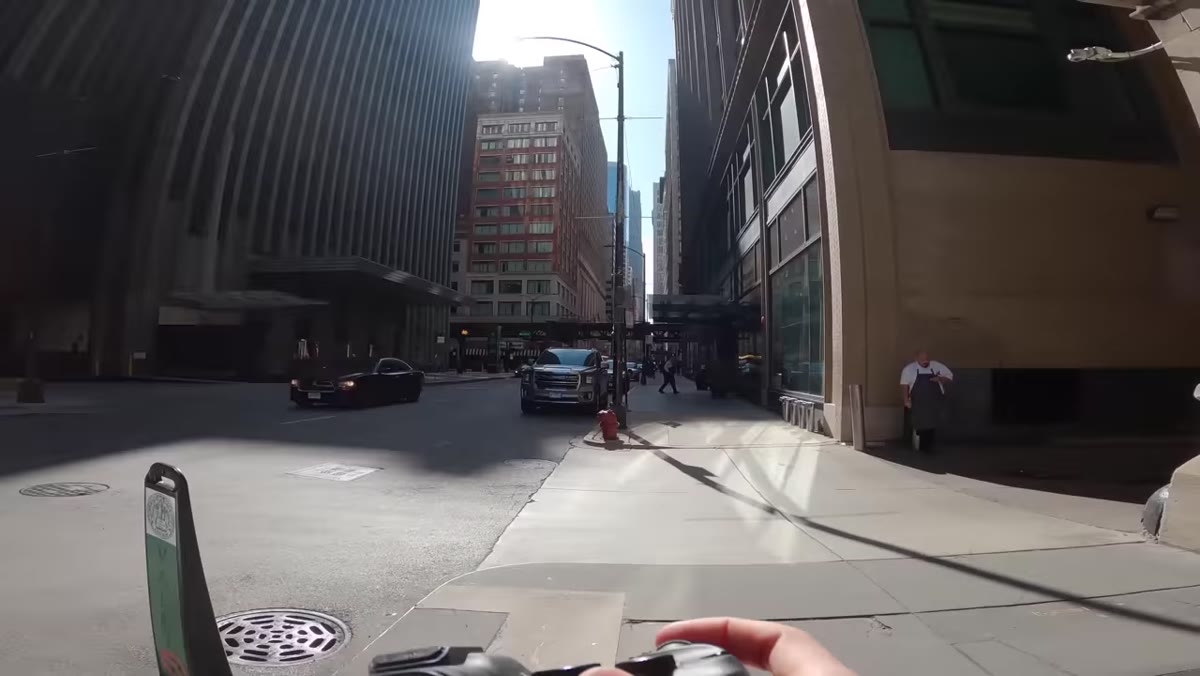 Magic explaining the difficulty of navigating tilt focus
This is the step most YouTube gear videos skip, and Pierre and Magic don’t skip it. Magic is direct: if you pick up a tilt lens without understanding how the tilt mechanism changes your focus plane, you will hate it. The tilt axis is completely unintuitive at first. You’re not just rotating a focus ring. You’re physically tilting the lens to shift which plane of the scene falls into focus, and if you don’t know what you’re trying to achieve visually before you raise the camera, you’ll spend the whole shoot fighting the lens instead of using it. Pierre backs this up by saying he found it genuinely confusing when he first shot with one. That’s not a knock on the lens. It’s just an honest heads-up.
Magic explaining the difficulty of navigating tilt focus
This is the step most YouTube gear videos skip, and Pierre and Magic don’t skip it. Magic is direct: if you pick up a tilt lens without understanding how the tilt mechanism changes your focus plane, you will hate it. The tilt axis is completely unintuitive at first. You’re not just rotating a focus ring. You’re physically tilting the lens to shift which plane of the scene falls into focus, and if you don’t know what you’re trying to achieve visually before you raise the camera, you’ll spend the whole shoot fighting the lens instead of using it. Pierre backs this up by saying he found it genuinely confusing when he first shot with one. That’s not a knock on the lens. It’s just an honest heads-up.
Step 4: Recognize When a 50mm f/1.8 Is the Smarter Starting Point
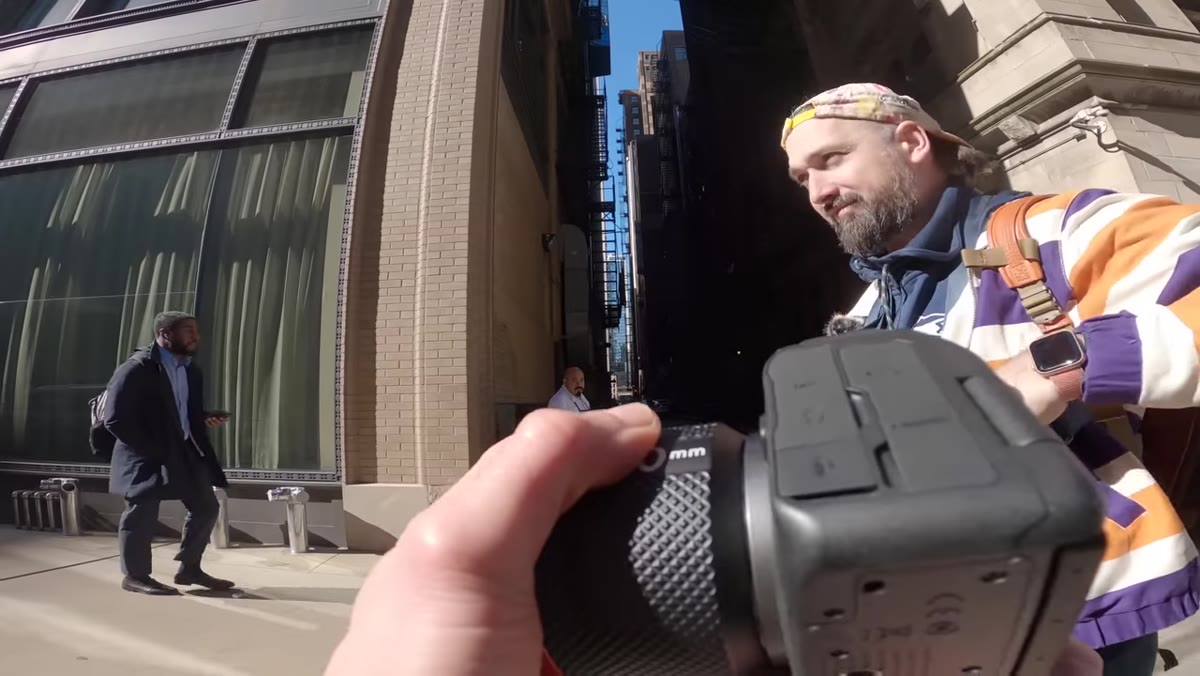 Pierre recommending a standard 50mm f/1.8 for beginners
Pierre’s counter-recommendation is the classic 50mm f/1.8 from your camera’s own manufacturer. His reasoning is accessibility. If someone is upgrading from a kit lens for the first time and wants better background separation and a sharper, faster optic, a 50mm f/1.8 delivers those things without adding a new layer of mechanical complexity. Every major camera brand makes one, they’re typically well under $300, autofocus works reliably, and the learning curve is minimal. You get the creative upgrade without the frustration tax. For someone early in their photography journey, that’s a more honest recommendation than telling them to wrestle with a tilt mechanism.
Pierre recommending a standard 50mm f/1.8 for beginners
Pierre’s counter-recommendation is the classic 50mm f/1.8 from your camera’s own manufacturer. His reasoning is accessibility. If someone is upgrading from a kit lens for the first time and wants better background separation and a sharper, faster optic, a 50mm f/1.8 delivers those things without adding a new layer of mechanical complexity. Every major camera brand makes one, they’re typically well under $300, autofocus works reliably, and the learning curve is minimal. You get the creative upgrade without the frustration tax. For someone early in their photography journey, that’s a more honest recommendation than telling them to wrestle with a tilt mechanism.
Step 5: Factor In Manual-Only Operation When Budgeting Your Time
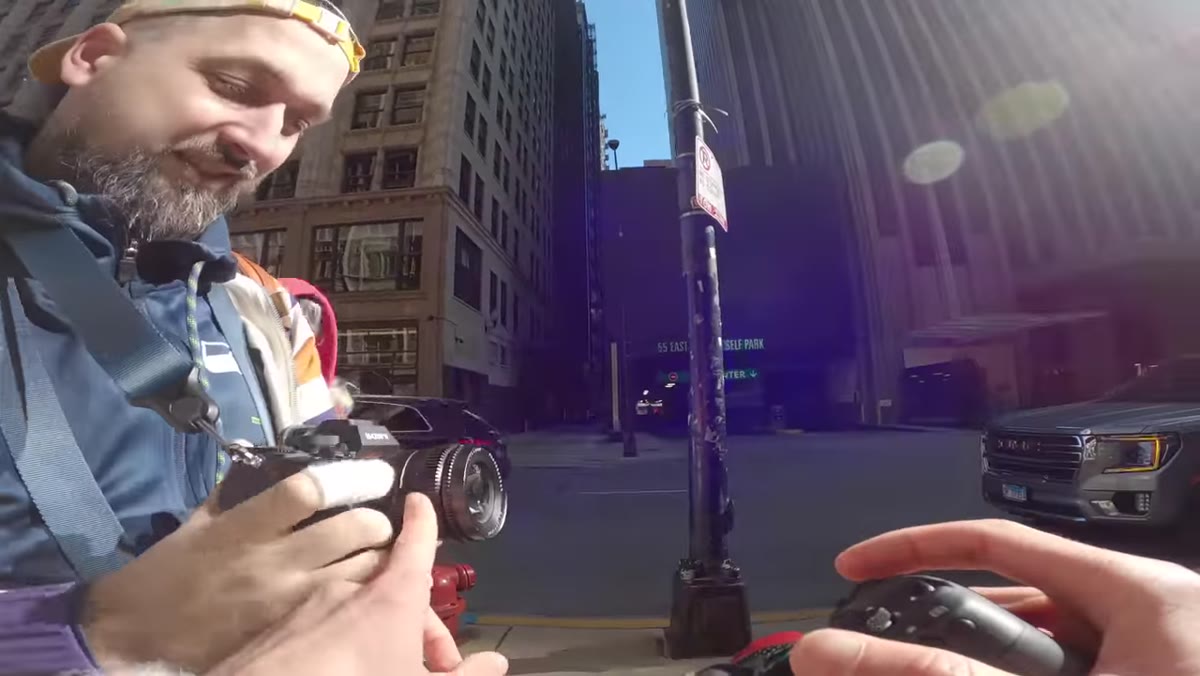 Discussion of the TTArtisan tilt lens being fully manual
One detail that comes up mid-conversation is that the TTArtisan tilt lens is fully manual. No autofocus, no electronic communication with the camera body. On a moving street scene, that’s a real constraint. Pierre actually misses a shot during the walk because the manual focus combined with the tilt adjustment is too slow to catch a fleeting moment. That’s not a dealbreaker, but it is something you need to plan around. If you’re shooting architecture, still subjects, or posed portraits, fully manual is manageable. If you’re trying to capture candid street moments with fast-moving subjects, you’ll need to either pre-focus and wait for subjects to enter the frame, or accept a higher miss rate.
Discussion of the TTArtisan tilt lens being fully manual
One detail that comes up mid-conversation is that the TTArtisan tilt lens is fully manual. No autofocus, no electronic communication with the camera body. On a moving street scene, that’s a real constraint. Pierre actually misses a shot during the walk because the manual focus combined with the tilt adjustment is too slow to catch a fleeting moment. That’s not a dealbreaker, but it is something you need to plan around. If you’re shooting architecture, still subjects, or posed portraits, fully manual is manageable. If you’re trying to capture candid street moments with fast-moving subjects, you’ll need to either pre-focus and wait for subjects to enter the frame, or accept a higher miss rate.
Step 6: Use Contrasting Shooting Styles to See More on the Street
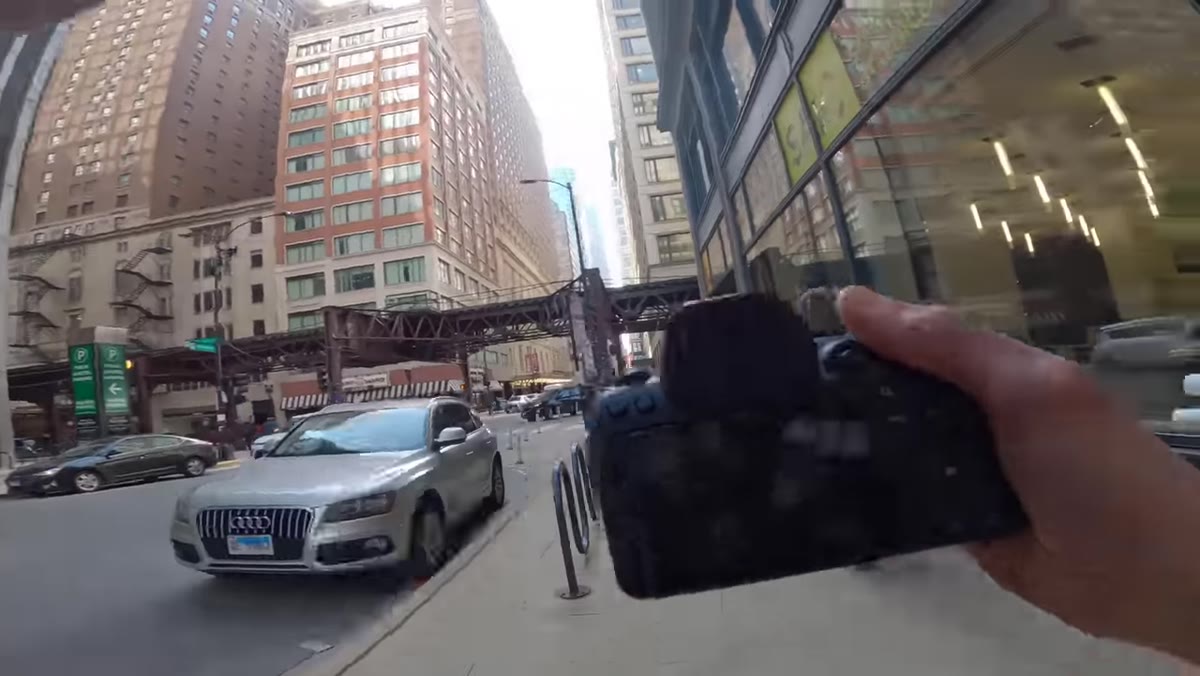 Magic describing the wedding photographer’s instinct to find light and place people in it
The most underrated part of this tutorial is the conversation about how different photographic backgrounds produce different instincts on the street. Magic describes his wedding photographer brain as constantly scanning for light and imagining where a person would ideally stand within it. Pierre’s street instincts lean toward geometry, reflections, and layers in a scene. Neither is better. But shooting alongside someone who sees differently forces you to slow down and notice things you’d otherwise walk past. If you don’t have a shooting partner with a different background, try deliberately switching your own mental framework for a block or two. Shoot one block thinking like a portrait photographer. Shoot the next thinking like an architectural photographer. The lens doesn’t change. Your edit rate usually does.
Magic describing the wedding photographer’s instinct to find light and place people in it
The most underrated part of this tutorial is the conversation about how different photographic backgrounds produce different instincts on the street. Magic describes his wedding photographer brain as constantly scanning for light and imagining where a person would ideally stand within it. Pierre’s street instincts lean toward geometry, reflections, and layers in a scene. Neither is better. But shooting alongside someone who sees differently forces you to slow down and notice things you’d otherwise walk past. If you don’t have a shooting partner with a different background, try deliberately switching your own mental framework for a block or two. Shoot one block thinking like a portrait photographer. Shoot the next thinking like an architectural photographer. The lens doesn’t change. Your edit rate usually does.
My Take: The Tilt Lens Lives in a Specific Drawer
I’ve tested a handful of manual tilt lenses in the sub-$300 range, and my spreadsheet reflects exactly what Magic and Pierre are saying. The results can be genuinely striking, but the inconsistency rate is high until you’ve put in serious time with the tilt mechanism. For someone who already shoots comfortably and wants a creative tool that produces images no standard lens can, the TTArtisan tilt lens is a legitimate buy. For someone still building core exposure and composition skills, a 50mm f/1.8 is going to produce better images faster, and you’ll actually use it. Buy the weird lens second, not first.
The single most actionable thing this video reinforces is something I tell people constantly: match the lens to your current skill level, not to the images you hope to eventually make. Buy up to your skills, not past them.
Watch the full tutorial on YouTube
Comments (3)
The before and after really sells it. Incredible difference.
Just subscribed. If the rest of your content is this good, I'm in.
Really solid breakdown. This pairs perfectly with the compositing work I've been writing about.
Leave a Comment