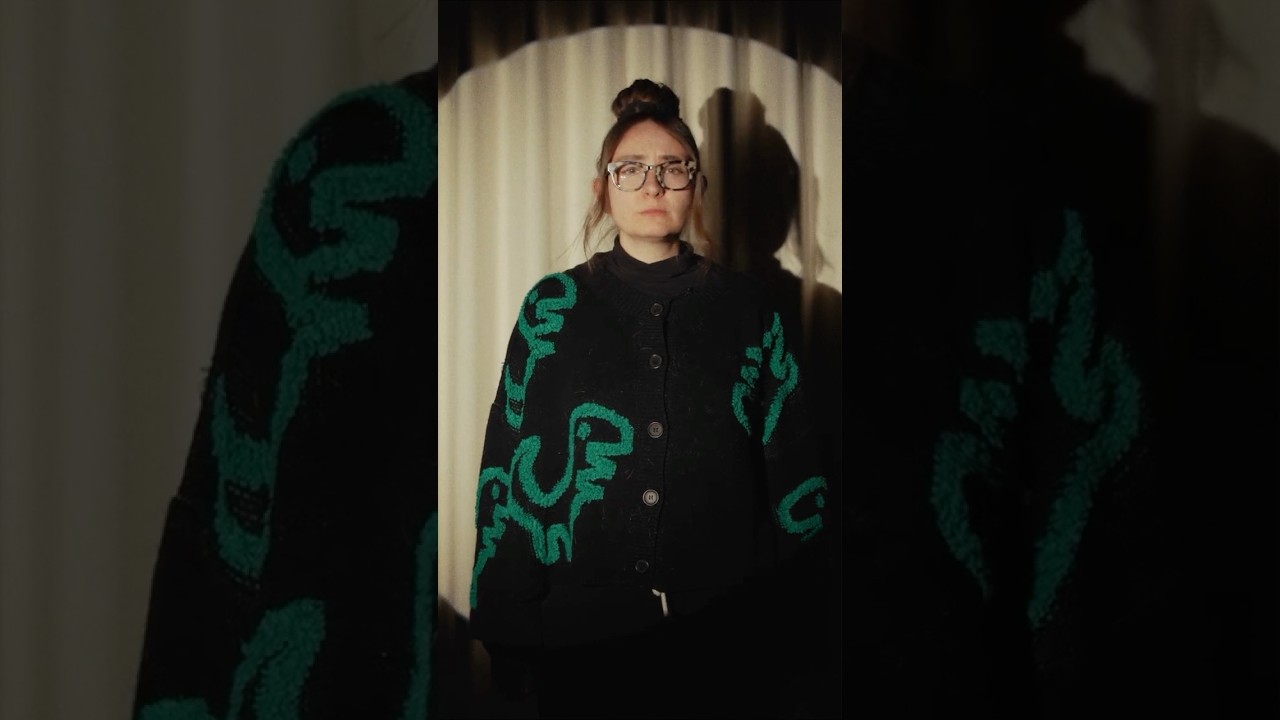
I spend a lot of my working hours stress-testing budget lenses and refreshing deal aggregators before my coffee gets cold. That’s the job, and I love it. But every so often a video lands in my feed that has nothing to do with sensor size or aperture blades, and it stops me cold anyway. Watch the full tutorial on YouTube before you read on, because what Mango Street put together here is harder to summarize than a spec sheet.
In this Mango Street video, Rachel does something that most photography creators never do: she shows up without a camera tip to sell. Part one of what she calls “a year in the making” is a personal essay in video form, documenting her search for movement, emotional release, and a way back to something she had been procrastinating for about six months too long. It’s quiet, honest, and a little uncomfortable in the best way. And if you’ve ever talked yourself out of a creative risk for months on end, it is going to hit closer than you expect.
The reason I wanted to break this one down isn’t because there’s a Lightroom workflow buried in it. There isn’t. It’s because the problem Rachel is describing, knowing what you need to do and then finding every reason not to do it, is the actual thing killing most people’s creative output. Not gear. Not lighting. Not algorithms. Avoidance. I watched this and immediately thought of the six months I spent researching tripods instead of booking portrait sessions. So let’s walk through what she actually shares, step by step.
Step 1: Name the Need Before You Name the Solution
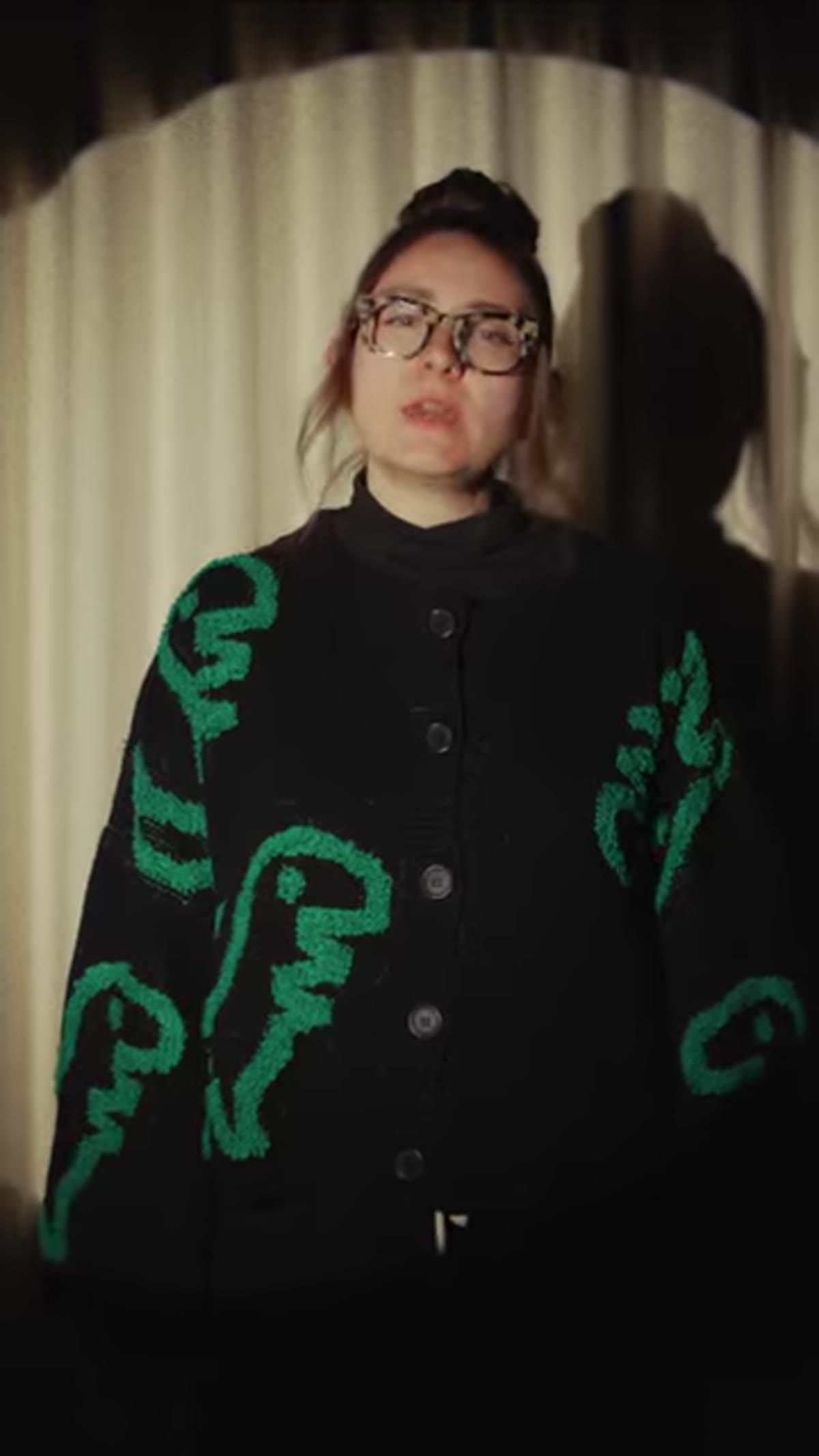 Rachel explaining she searched for a dance to process emotions
Rachel didn’t start by googling “ecstatic dance classes near me.” She started by getting honest about what she needed: movement that could help her process emotion. That specificity mattered. It led her somewhere she wouldn’t have found otherwise. For photographers, this maps directly. Before you go hunting for a new lens or a new editing style, it’s worth asking what problem you’re actually trying to solve. Is it technical? Or is it that shooting has stopped feeling like anything?
Rachel explaining she searched for a dance to process emotions
Rachel didn’t start by googling “ecstatic dance classes near me.” She started by getting honest about what she needed: movement that could help her process emotion. That specificity mattered. It led her somewhere she wouldn’t have found otherwise. For photographers, this maps directly. Before you go hunting for a new lens or a new editing style, it’s worth asking what problem you’re actually trying to solve. Is it technical? Or is it that shooting has stopped feeling like anything?
Step 2: Do the Research, Then Sit on It for Six Months (And Notice That You Did)
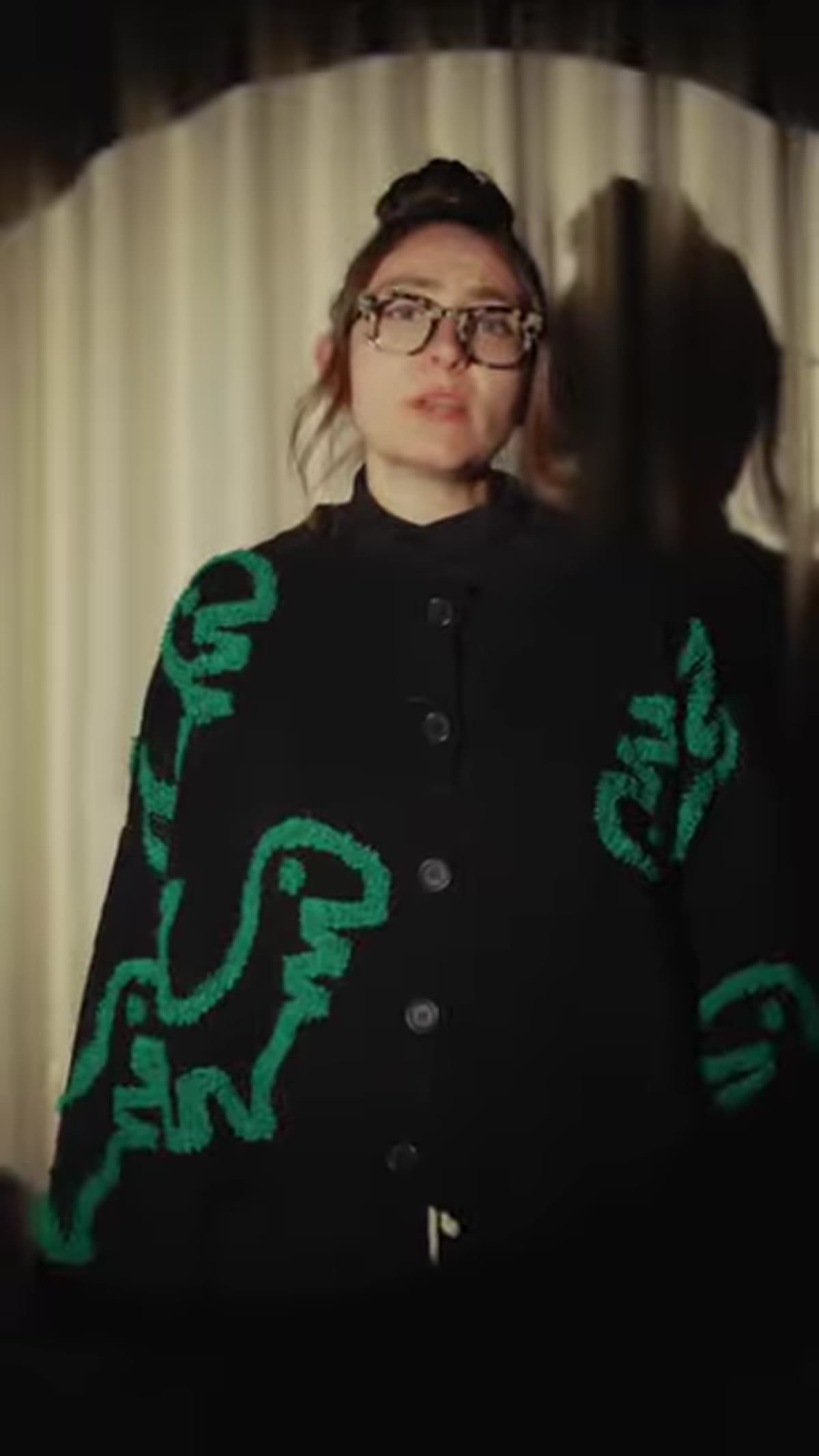 Rachel describing finding a Wednesday class and not going
Here’s the part that stung. Rachel found the ecstatic dance class. She knew when it met. She had every logistical piece in place. And then she just didn’t go, for six months, feeling guilty every Wednesday. She’s not sharing this as a confession. She’s sharing it as data. The gap between knowing and doing is where most creative ambitions quietly die, and being honest about how long you sat in that gap is the first step to closing it.
Rachel describing finding a Wednesday class and not going
Here’s the part that stung. Rachel found the ecstatic dance class. She knew when it met. She had every logistical piece in place. And then she just didn’t go, for six months, feeling guilty every Wednesday. She’s not sharing this as a confession. She’s sharing it as data. The gap between knowing and doing is where most creative ambitions quietly die, and being honest about how long you sat in that gap is the first step to closing it.
I once spent four months with a lighting modifier sitting in its box because I told myself I’d learn it “when I had a real project.” The modifier didn’t teach me anything in the box. Rachel’s six months of not going to dance class didn’t get her any closer to the release she was looking for.
Step 3: Recognize the Substitute You’re Using to Feel Safe
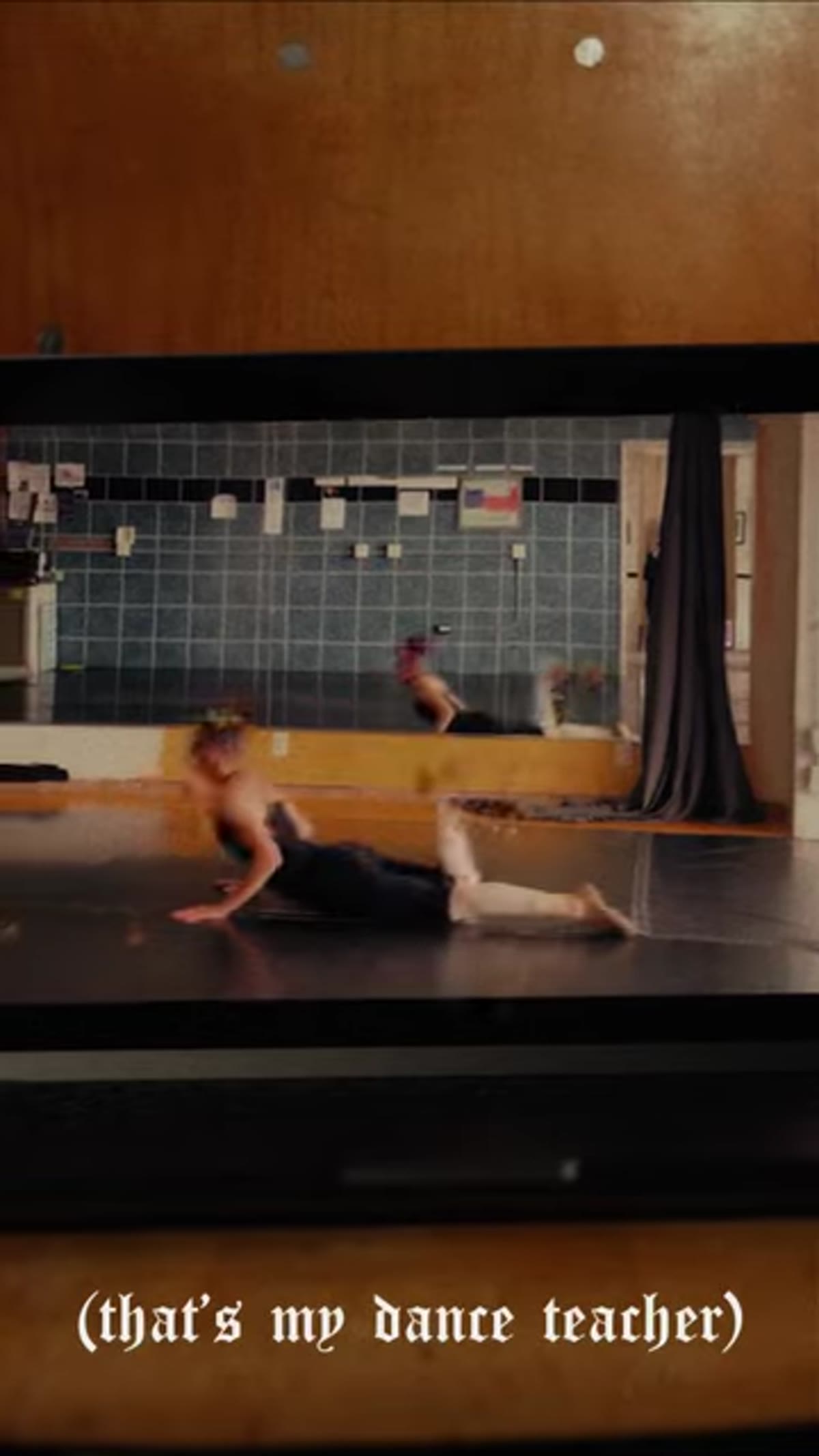 Rachel describing signing up for a structured lyrical dance class instead
Instead of attending the freeform, emotionally expressive class she actually wanted, Rachel signed up for a lyrical dance class. Structured. Solo. Safe. She names it directly, and that naming is the technique. Most of us have a version of this: the beginner photography course we take instead of submitting work to a publication, the preset pack we buy instead of developing our own style, the gear upgrade we research instead of shooting with what we have.
Rachel describing signing up for a structured lyrical dance class instead
Instead of attending the freeform, emotionally expressive class she actually wanted, Rachel signed up for a lyrical dance class. Structured. Solo. Safe. She names it directly, and that naming is the technique. Most of us have a version of this: the beginner photography course we take instead of submitting work to a publication, the preset pack we buy instead of developing our own style, the gear upgrade we research instead of shooting with what we have.
The substitute isn’t worthless. Rachel got something out of the lyrical class. But it doesn’t scratch the real itch, and part of the work is being honest about why you chose the safer option.
Step 4: Track the Timeline Honestly
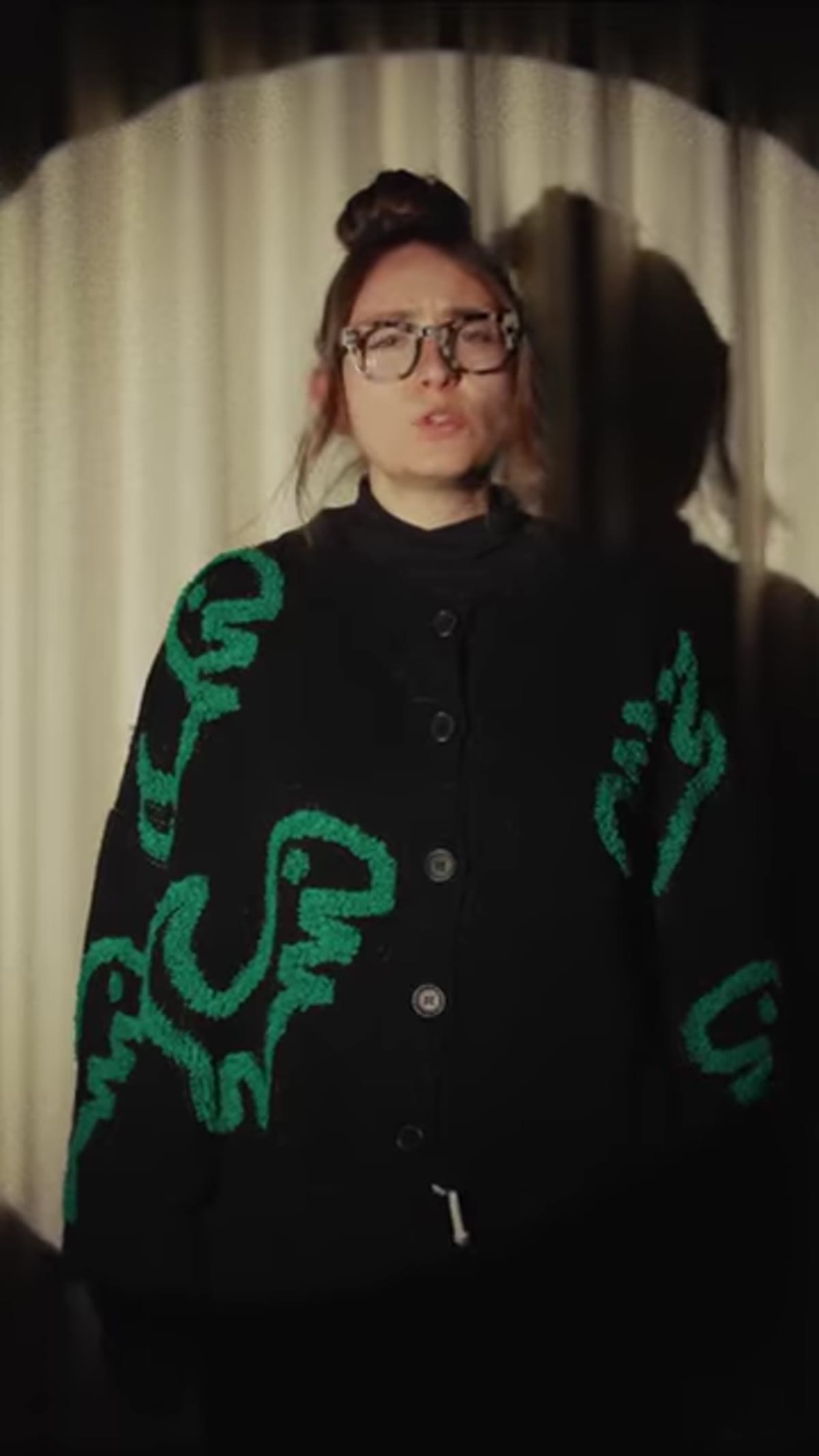 Rachel establishing “this moment has been a year in the making”
The title of the video is doing real work here. “A year in the making” isn’t a boast. It’s a confession about how long the gap was. Rachel is precise about the timeline: roughly six months of avoidance, then a shift, then finally walking into the room. Being that specific forces accountability. It’s a lot harder to stay comfortable with avoidance when you’ve written down exactly how many weeks you’ve been avoiding something.
Rachel establishing “this moment has been a year in the making”
The title of the video is doing real work here. “A year in the making” isn’t a boast. It’s a confession about how long the gap was. Rachel is precise about the timeline: roughly six months of avoidance, then a shift, then finally walking into the room. Being that specific forces accountability. It’s a lot harder to stay comfortable with avoidance when you’ve written down exactly how many weeks you’ve been avoiding something.
I started keeping a note on my phone of creative things I want to try alongside the date I first wrote them down. It’s a little brutal to look at sometimes. That’s the point.
Step 5: Show Up Before You Feel Ready
 Rachel sitting on an oriental rug before class starts, clutching her knees
The opening scene of this video is Rachel sitting on the floor of a dance studio, clearly out of her element, watching people she doesn’t know do things she finds a little strange. She’s there. That’s the whole move. She didn’t wait until she felt confident about ecstatic dance, or until she knew someone in the room, or until she’d done enough research to feel prepared. She bought Pete Davidson’s socks on Shark Tank and she showed up anyway.
Rachel sitting on an oriental rug before class starts, clutching her knees
The opening scene of this video is Rachel sitting on the floor of a dance studio, clearly out of her element, watching people she doesn’t know do things she finds a little strange. She’s there. That’s the whole move. She didn’t wait until she felt confident about ecstatic dance, or until she knew someone in the room, or until she’d done enough research to feel prepared. She bought Pete Davidson’s socks on Shark Tank and she showed up anyway.
For photographers, this is portfolio submissions when your work isn’t perfect yet. It’s the styled shoot you organize before you feel like you know what you’re doing. It’s publishing the video essay when you’re not sure anyone will watch it.
My Take: Vulnerability Is a Production Choice, Not Just a Personality Trait
I’ve watched a lot of Mango Street content over the years, mostly because Rachel and Daniel are genuinely good at breaking down technique without making you feel like you need to spend $3,000 to follow along. But this video is different, and I think it’s worth pointing out that making it was itself a creative risk of the kind Rachel is describing. Sharing something personal and unresolved, before the story has a tidy ending, is harder than a tutorial with clear steps.
If you’re a photographer building an audience, that’s worth sitting with. The work that tends to connect is rarely the work where you already have the answer. Sometimes it’s the work where you’re still figuring it out and you had the nerve to hit publish anyway.
The single most important thing this video does is make the cost of avoidance visible. Not abstract, not philosophical. Visible. Six months. Every Wednesday. The class that was already there, waiting.
Watch part one and see where you land: Watch the full tutorial on YouTube
Comments
Leave a Comment