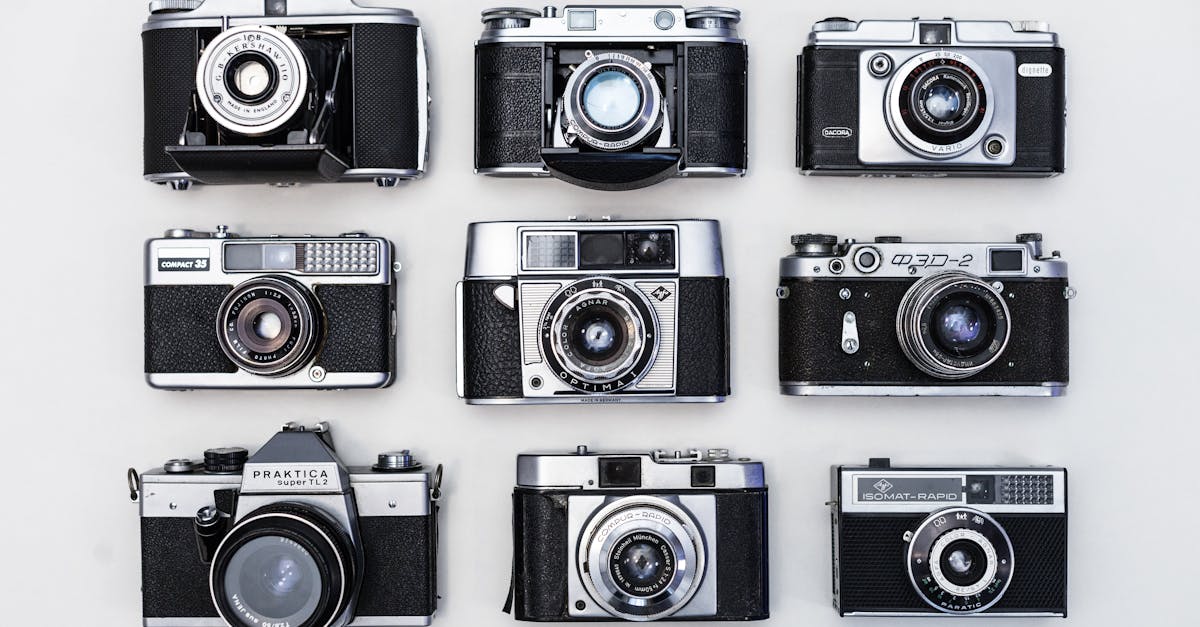
Upgrading from Crop to Full Frame: What to Expect

Upgrading from Crop to Full Frame: What to Expect

You’ve decided to make the jump to full frame. Here’s what will actually change in your photography experience — because some of the improvements are dramatic and some are surprisingly underwhelming. Things That Improve Immediately Low-Light Confidence This is the change you’ll notice first. Where you used to hesitate about pushing past ISO 1600, you’ll comfortably shoot at ISO 3200-6400 and get clean results. Indoor events, dimly lit restaurants, and evening shoots become far less stressful.

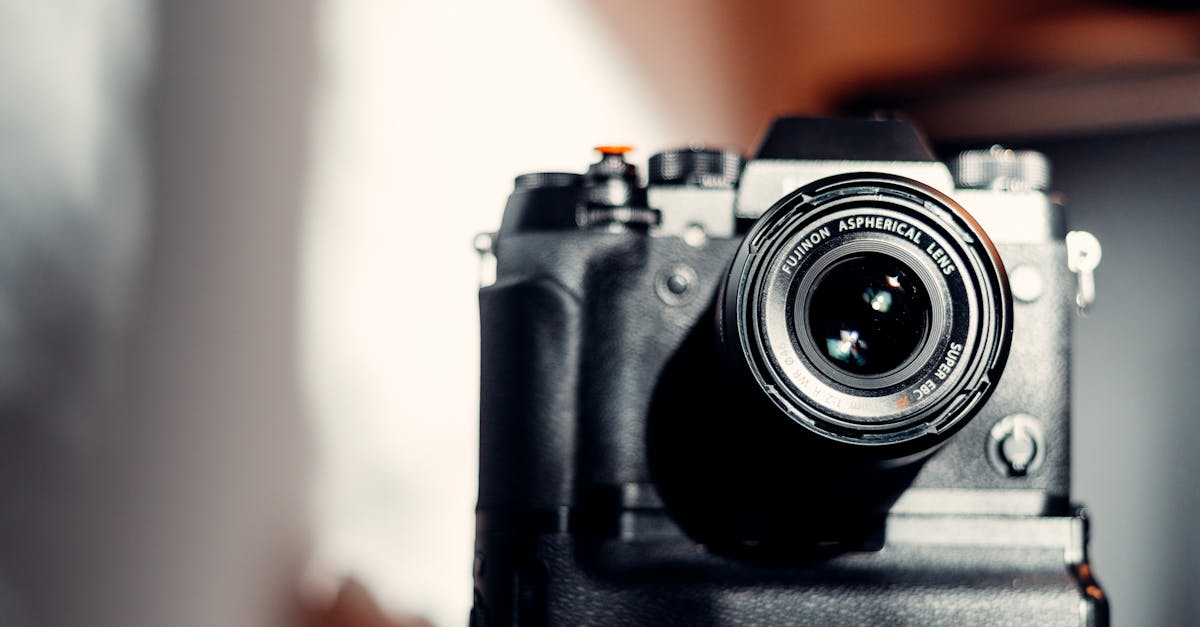
Stop Paying $2K for a 35mm Prime — Viltrox is Disrupting the Market

Stop Paying $2K for a 35mm Prime — Viltrox is Disrupting the Market

The 35mm f/1.2 Problem Nobody Wanted to Solve Let’s be honest: the 35mm focal length is having a moment. Street photographers love it. Portraitists swear by it. Content creators are obsessed. But there’s been a massive elephant in the room — if you wanted a fast 35mm prime for Sony or Nikon full-frame cameras, you were looking at dropping between $1,800 and $2,500 on glass alone. That’s a tough pill to swallow, especially when you’re already investing in bodies and other lenses.

Is a Full Frame Camera Worth the Extra Cost?

Is a Full Frame Camera Worth the Extra Cost?

“Should I go full frame?” is the most common gear question I get. The marketing says full frame is better at everything. The reality is more nuanced. What Full Frame Actually Gives You Better Low-Light Performance This is the biggest real-world advantage. A full-frame sensor is roughly 2.5 times larger than an APS-C (crop) sensor. More surface area means more light captured, which means less noise at high ISO settings.