Lenses

The Best Lens Filters and Which Ones You Actually Need

Lens filters used to be essential for every photographer. In the film and early digital era, you needed filters for effects that couldn’t be replicated in post-processing. Today, many of those effects can be applied digitally with better control and zero optical penalty. So which filters are still worth buying? Filters You Actually Need Circular Polarizer (CPL) This is the one filter that cannot be replicated in post-processing. A polarizer reduces reflections, increases color saturation in skies and foliage, and cuts through haze.

Lenses

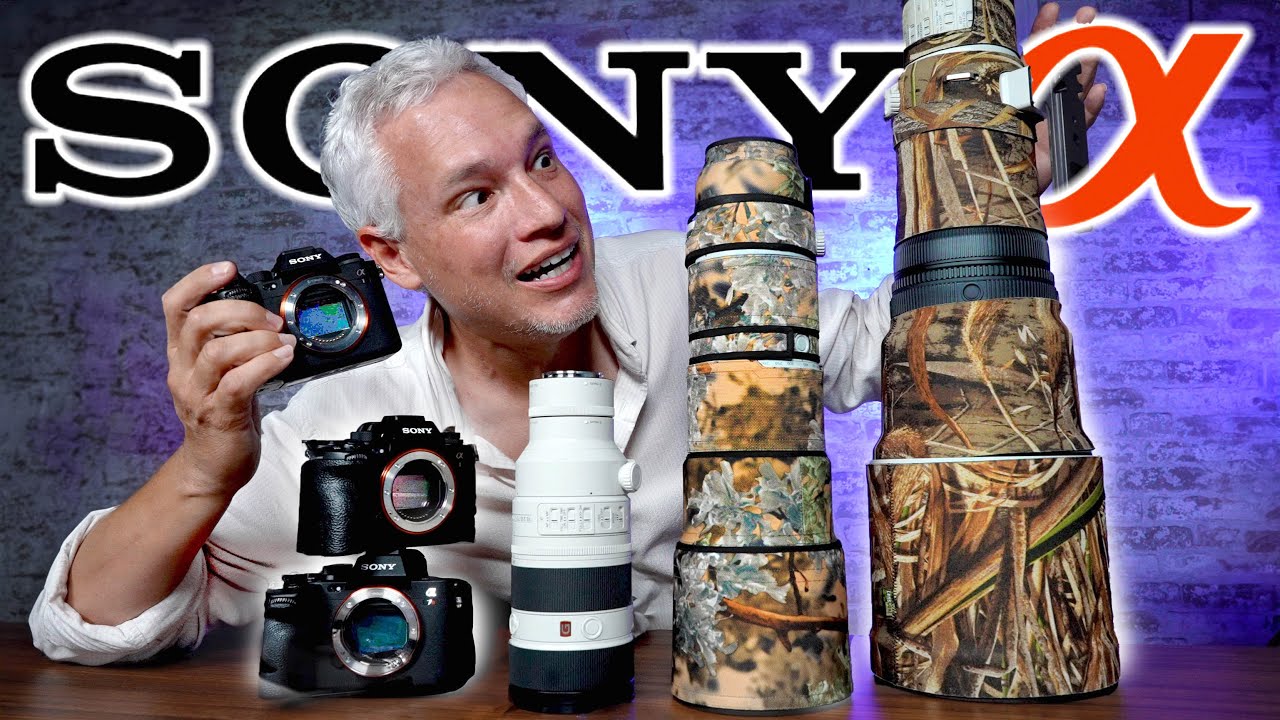
The Best Budget Lenses for Sony Mirrorless in 2026

Sony’s E-mount ecosystem has exploded with affordable lens options. Between Sony’s own budget line, Tamron, Sigma, and newer players like Viltrox and TTArtisan, you can build a capable lens kit without spending thousands. Here are the lenses that deliver the most value in 2026. Best Overall: Tamron 28-75mm f/2.8 Di III VXD G2 Price: ~$800 This is the lens I recommend to nearly everyone who asks. It covers the most useful focal range for everyday photography, it’s sharp across the frame, and f/2.

Lenses

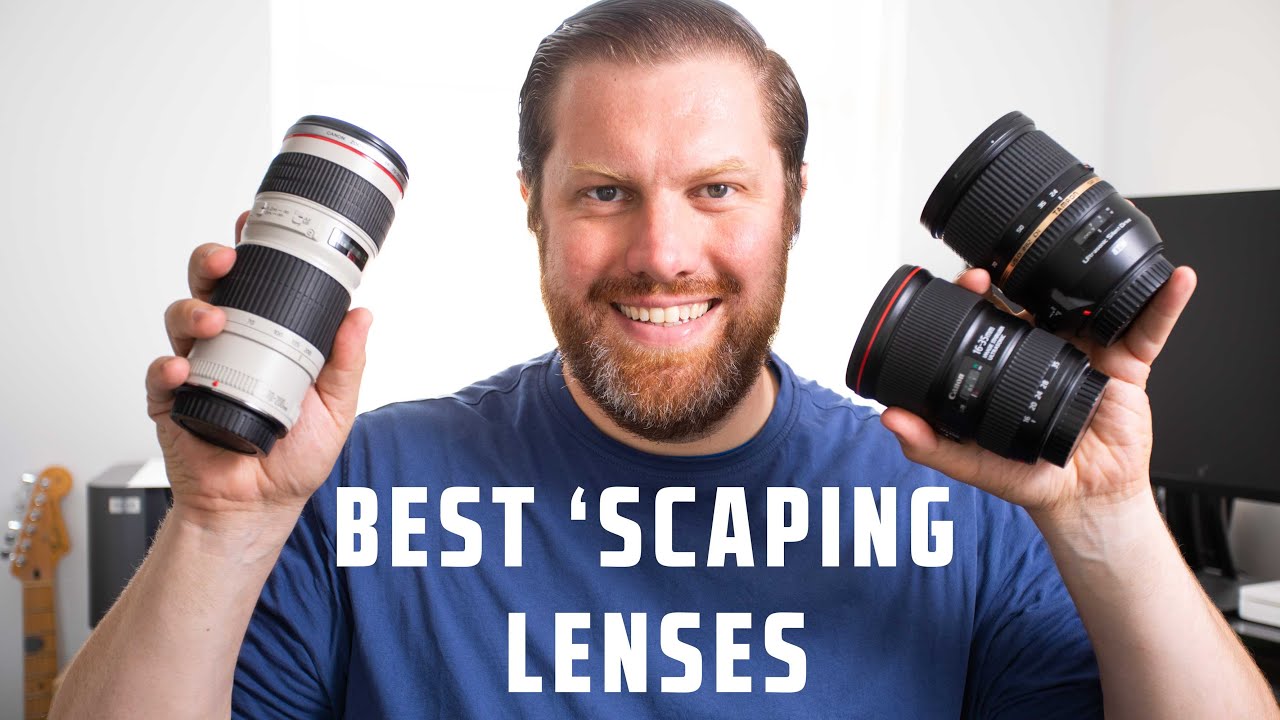
Stop Falling for Lens Hype: A Real Comparison Framework

Stop Falling for Lens Hype: A Real Comparison Framework I’ve watched too many photographers drop $800 on a lens they didn’t need because a YouTube influencer said it was “absolutely essential.” I’ve been that photographer. So I’m going to give you a framework I actually use when comparing lenses—one that ignores the hype and focuses on what matters to your workflow. Forget the Spec Sheet (Sort Of) Here’s the uncomfortable truth: two lenses with identical focal lengths and apertures can feel completely different in your hands.

Lenses

Stop Buying Lenses Based on Specs — Here's How I Actually Compare Them

Stop Buying Lenses Based on Specs — Here’s How I Actually Compare Them I’ve tested hundreds of lenses over the past decade, and I can tell you with absolute certainty: the lens with the best specs sheet is rarely the best lens for your wallet or your work. Here’s the problem. Most lens comparisons focus on MTF charts, distortion percentages, and coma aberrations at f/16. Nobody shoots at f/16. And more importantly, those numbers don’t tell you if a lens feels good to use, holds its value, or actually solves your creative problems.