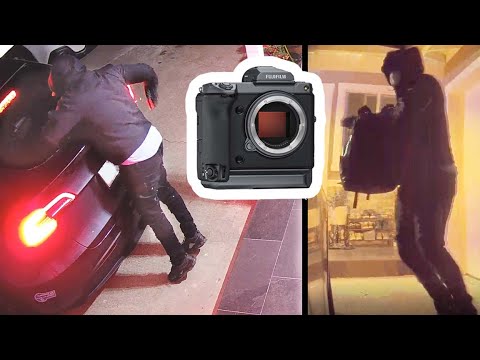
I’ve been that guy standing on a overlook at golden hour with a bag full of gear, completely absorbed in a shot, completely unaware of who’s around me. I’d like to think I’m situationally aware, but honestly? When there’s good light and a good scene, my brain tunnels. That’s a problem, because camera theft isn’t just a “leave your bag unattended” issue anymore. It’s escalating into something a lot more frightening.
In this Tony and Chelsea Northrup video, their friend Louis Chan shares a first-hand account of being followed from a popular San Francisco shooting location, tracked to his own home, and robbed at gunpoint in his driveway. Watch the full tutorial on YouTube before you head out to your next shoot. Louis is okay, but the details of what happened to him changed how I think about going out with a camera. This isn’t paranoia. This is pattern recognition, and the pattern is getting worse.
What Tony and Chelsea do well here isn’t just telling a scary story. They break down exactly what went wrong, what Louis did right, and what all of us can do differently. I’m going to walk through those lessons as concrete, actionable steps.
Step 1: Treat Popular Shooting Locations Like High-Risk Zones
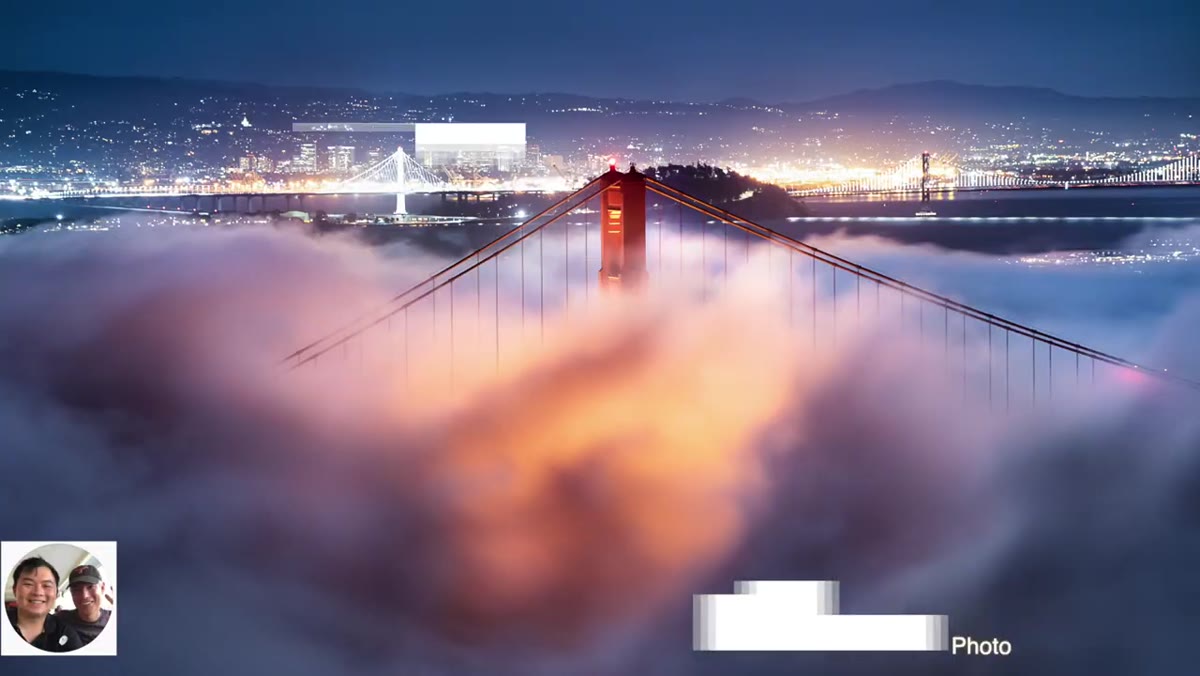 Louis describing two men watching at Battery Spencer
Battery Spencer near the Golden Gate Bridge is one of the most photographed spots in the country. It’s also, apparently, a hunting ground for people who want to steal camera gear. Louis noticed two men watching him and his friend while they were shooting. He had a gut feeling something was off. He noted it, they talked briefly about being more vigilant, and then they moved on.
Louis describing two men watching at Battery Spencer
Battery Spencer near the Golden Gate Bridge is one of the most photographed spots in the country. It’s also, apparently, a hunting ground for people who want to steal camera gear. Louis noticed two men watching him and his friend while they were shooting. He had a gut feeling something was off. He noted it, they talked briefly about being more vigilant, and then they moved on.
The lesson here isn’t that you shouldn’t shoot at iconic locations. It’s that high-traffic tourist spots put your gear on display to a very wide audience, including people who know exactly what a mirrorless camera and a fast prime are worth. When you’re at any popular location, make a habit of doing a slow scan of the area when you arrive and again before you pack up. Note who’s watching. Note who leaves around the same time you do.
Step 2: Watch for Surveillance Behavior When You Leave
 Louis describing driving home after leaving at 8pm
This is the step most photographers completely skip, because we think the risk ends when we leave the location. It doesn’t. Louis and his friend drove almost an hour from the Golden Gate Bridge back toward home. The two men from the overlook followed them the entire way.
Louis describing driving home after leaving at 8pm
This is the step most photographers completely skip, because we think the risk ends when we leave the location. It doesn’t. Louis and his friend drove almost an hour from the Golden Gate Bridge back toward home. The two men from the overlook followed them the entire way.
When you’re heading back to your car after a shoot, look at who’s packing up at the same time. Once you’re driving, pay attention to whether the same vehicle appears consistently in your mirrors over a longer distance. This sounds extreme until you realize Louis was tracked for nearly 50 minutes. If you notice a vehicle behind you that’s been there too long, do not drive directly home. Drive to a police station, a fire station, or a busy public parking lot. Make a few unnecessary turns first. Confirming you’re being followed before reacting is better than leading someone straight to your front door by accident.
Step 3: Don’t Sit in a Parked Car with Your Gear Still Inside
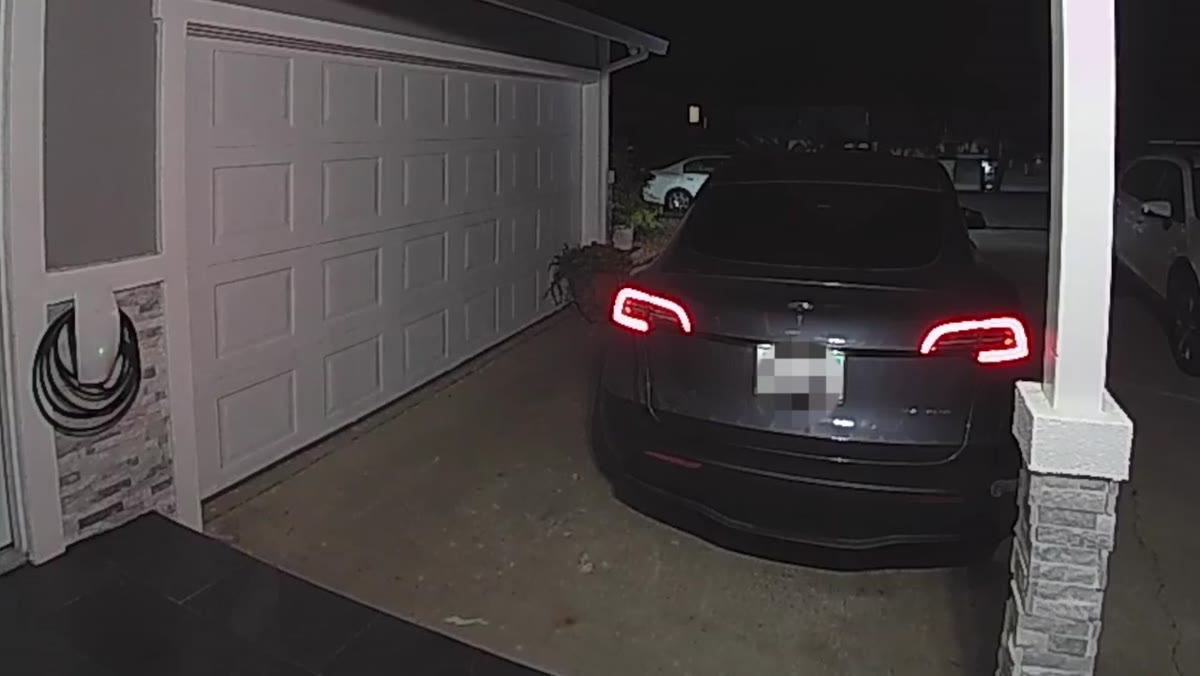 Louis describing sitting in his Tesla, checking in with colleagues
Louis pulled into his driveway, parked, and stayed in the car to finish a phone call. His gear was still in the back seat. The robbers, who had followed him home, used that window of time to approach his car while he was stationary and distracted.
Louis describing sitting in his Tesla, checking in with colleagues
Louis pulled into his driveway, parked, and stayed in the car to finish a phone call. His gear was still in the back seat. The robbers, who had followed him home, used that window of time to approach his car while he was stationary and distracted.
The fix here is simple but easy to skip after a long shoot when you’re tired. Either go inside immediately or, if you need a moment, move the gear inside first and then come back to the car. A parked car in a residential driveway at night with gear visible is an easy target. If you drive a car with a hatchback or a visible trunk area, consider blacking out the rear windows or using a cargo cover. The less anyone can see, the less tempting it becomes.
Step 4: Know the Opening Move of This Type of Robbery
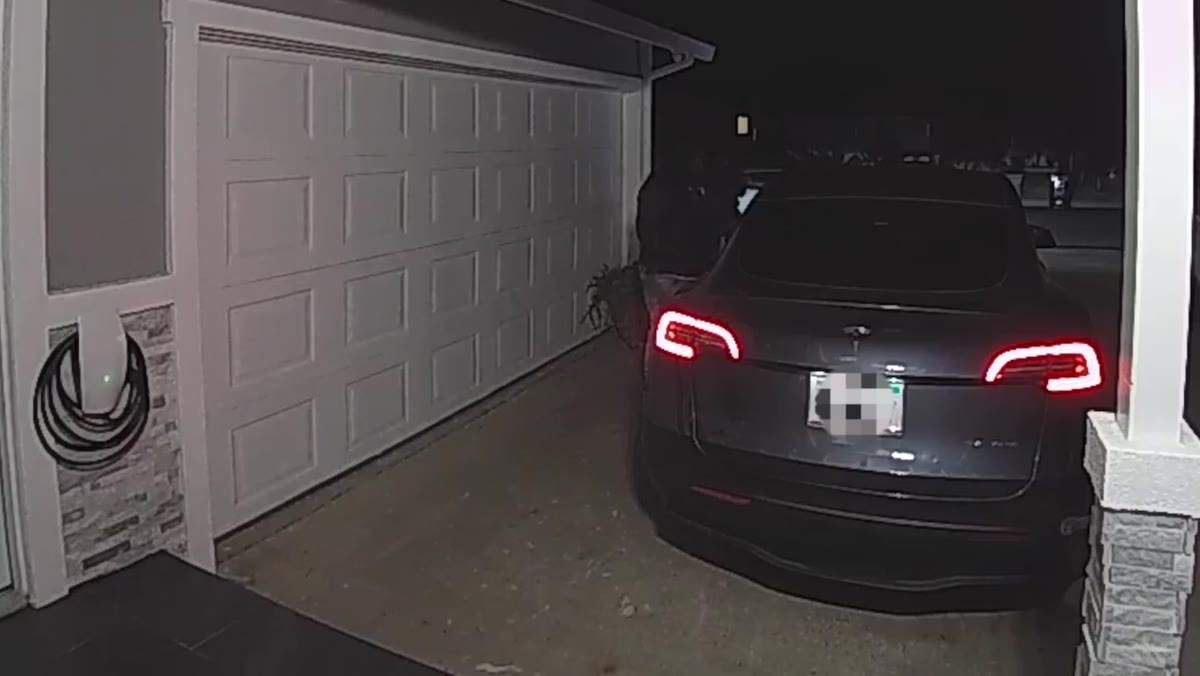 Louis describing man knocking on window asking about freeway direction
The robbers used a distraction technique that’s worth knowing. One person approached the driver’s window and asked an innocent question, a direction, something that required Louis to roll the window down. While Louis was focused on the first person, the second person moved to the back of the car.
Louis describing man knocking on window asking about freeway direction
The robbers used a distraction technique that’s worth knowing. One person approached the driver’s window and asked an innocent question, a direction, something that required Louis to roll the window down. While Louis was focused on the first person, the second person moved to the back of the car.
If someone approaches your car in a parking area at night and asks you to roll your window down, crack it just enough to hear them and keep your eyes moving. Don’t focus entirely on the person in front of you. Louis caught the second person moving in his peripheral vision and immediately hit the lock button. That instinct to look past the distraction probably saved his gear and possibly more. Trust the discomfort. If something about the approach feels off, don’t feel rude about not engaging fully.
Step 5: Have an Escape Plan Ready Before You Need It
 Louis describing hitting the horn and trying to shift into drive
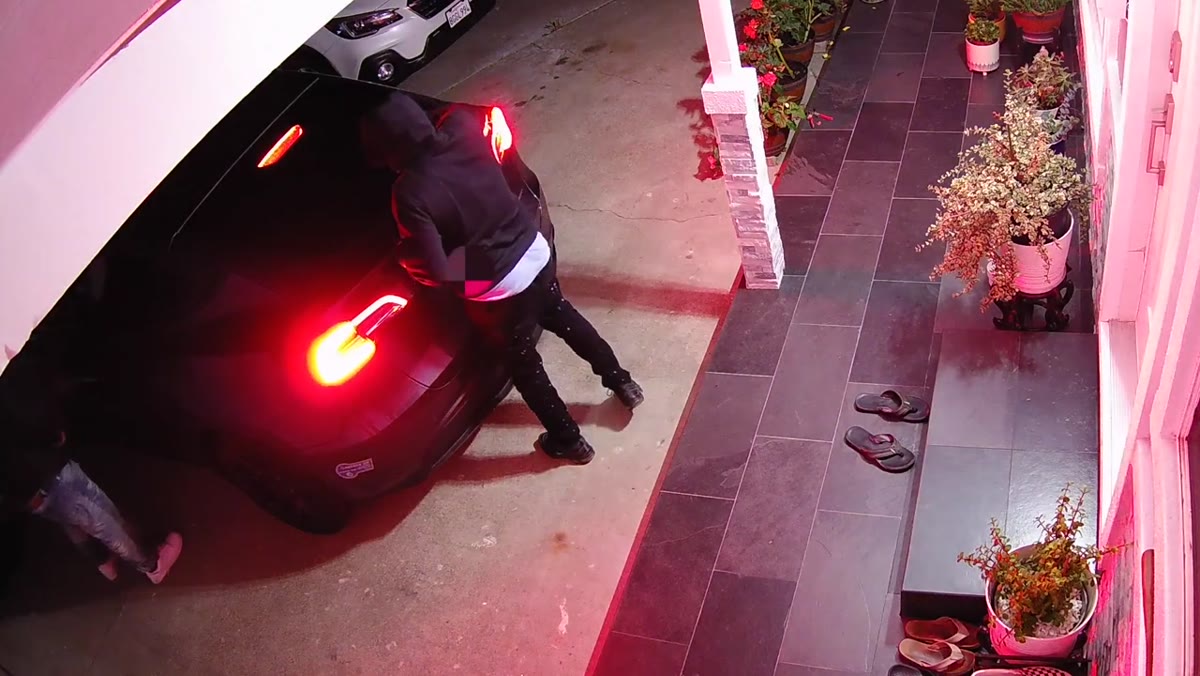
When the second robber smashed the rear window with a glass-breaking tool, Louis had a split second to react. His response, horn, lock, shift into drive, was mostly instinct. But he also described panic slowing him down. The robbers got the bag before he could drive away.
Louis describing hitting the horn and trying to shift into drive
When the second robber smashed the rear window with a glass-breaking tool, Louis had a split second to react. His response, horn, lock, shift into drive, was mostly instinct. But he also described panic slowing him down. The robbers got the bag before he could drive away.
This is about muscle memory and pre-thinking. Before you sit in a parked car with gear in a dark or unfamiliar area, take five seconds to think about your exit. Which direction would you pull out if you needed to move fast? Is the car in a position where you can actually get out quickly? Louis had parked in reverse to reach a charging port, which actually gave him a slight advantage. Small decisions like that matter. You won’t have time to think through the geometry when adrenaline hits.
What I’d Add: The Gear Visibility Problem Starts Before You Leave Home
Tony and Chelsea focus on in-the-moment safety, and that’s exactly right. But I’d push it back one step further. The people who rob photographers at locations like Battery Spencer aren’t randomly picking targets. They’re looking for setups that signal value. Big white telephoto. Obvious name-brand camera bag. Coordinated kit that looks like it belongs on a production set.
I’ve shot with a beat-up $30 camera bag from a thrift store for two years now, partly because I like being cheap, but also because it reads like a lunch bag. Nobody knows what’s in it. If you’re carrying a $3,000 kit, consider what that kit looks like from 50 feet away to someone who isn’t a photographer. A discrete, non-branded bag and keeping your gear covered when you’re not actively shooting is a low-effort way to reduce how often you get looked at in the first place.
Camera theft is a community problem and Louis’s story is a real wake-up call. The single most important habit to build is not the escape plan or the bag choice. It’s the moment when you feel something is wrong and you listen to it instead of talking yourself out of it. Louis saw those two men watching at the location. He felt it. He just didn’t act on it completely. That instinct exists for a reason.
Watch the full tutorial on YouTube to hear Louis tell the full story in his own words, including the footage from his Tesla’s cameras.
Comments (2)
The before and after really sells it. Incredible difference.
I keep coming back to this article. It's that useful.
Leave a Comment