The Only 3 Lenses You Actually Need for Landscape Photography (A Working Breakdown)

The Only 3 Lenses You Actually Need for Landscape Photography (A Working Breakdown)

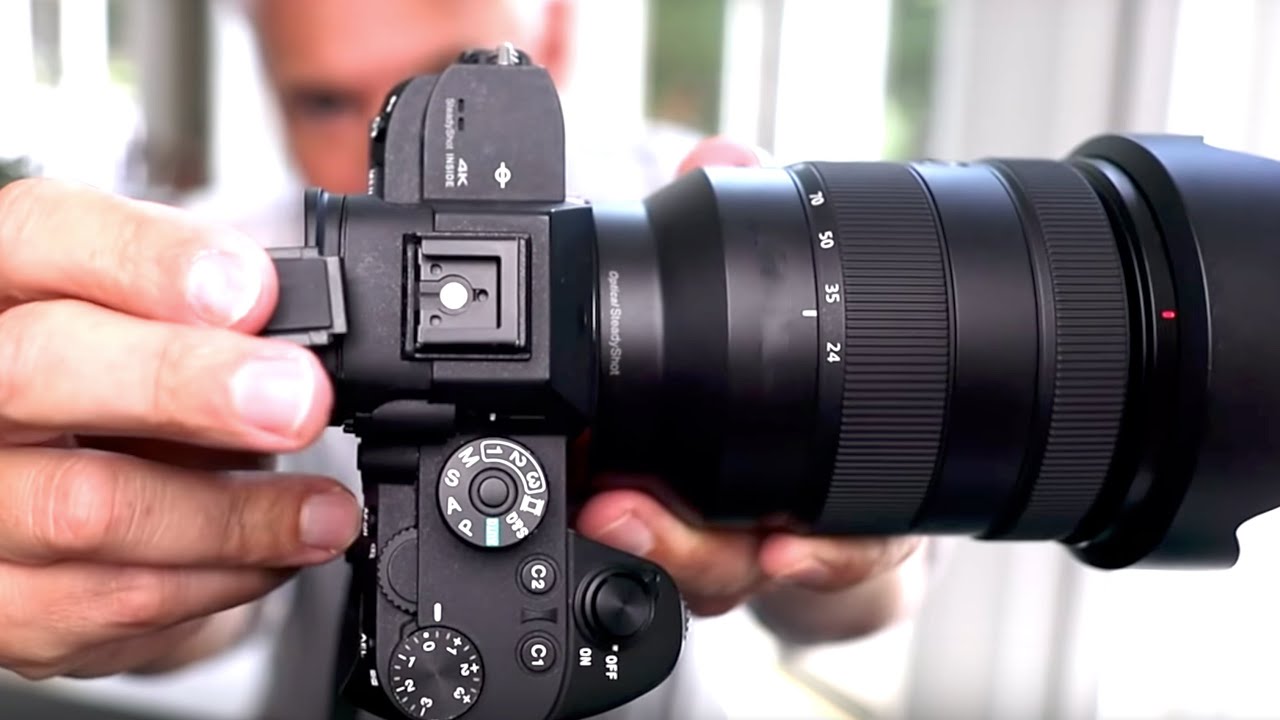
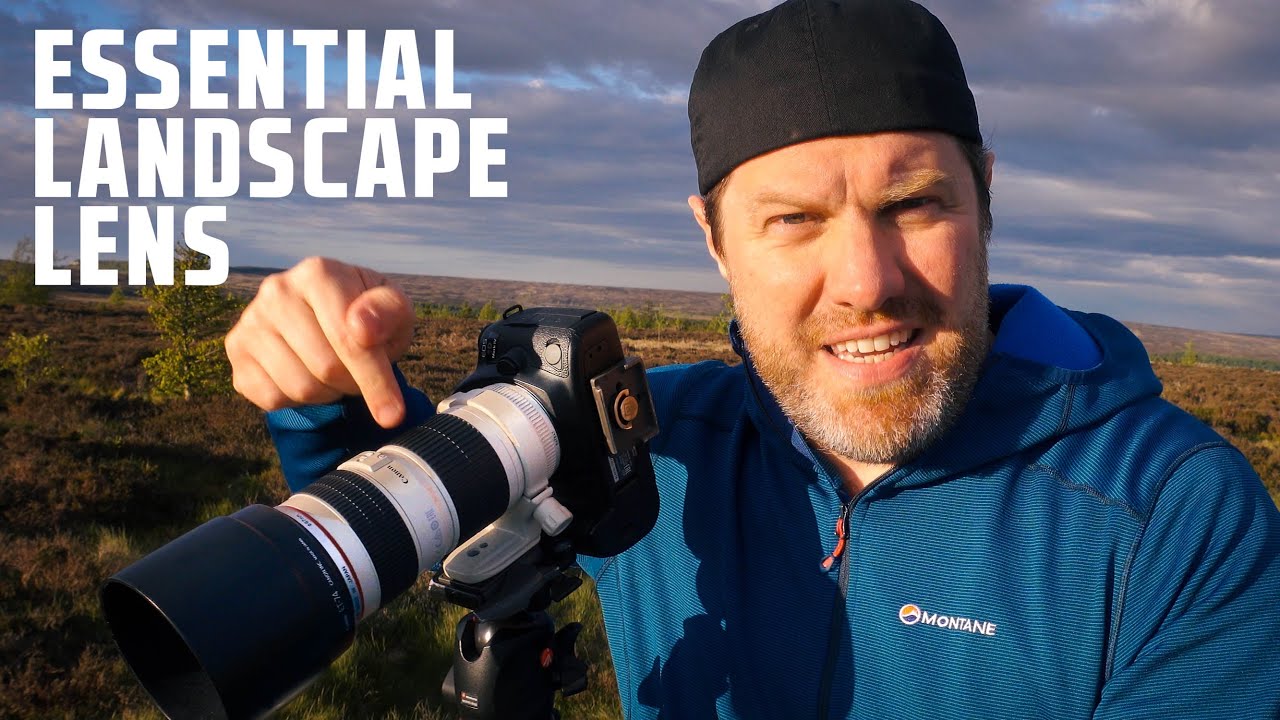
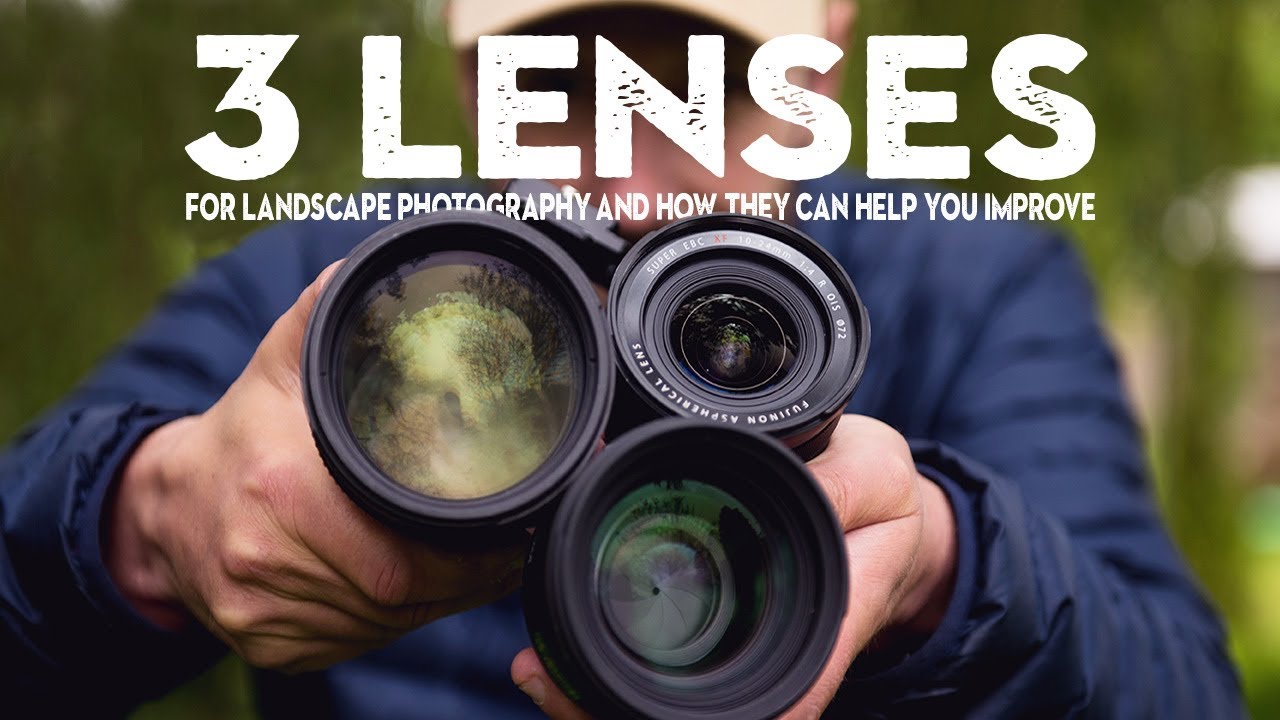
Every few months I fall into the trap of thinking I need more glass. More focal lengths, more options, more range. Then I look at the photographers whose work I actually respect and notice they’re rotating through the same two or three lenses on every shoot. Nigel Danson is one of those photographers, and in this landscape photography lens tutorial, he lays out exactly which three lenses he reaches for and, more importantly, why each one earns its spot in the bag.
Plan Smarter Fall Shoots This Year (Mark Denney's No-Gear-Required Framework, Broken Down)

Plan Smarter Fall Shoots This Year (Mark Denney's No-Gear-Required Framework, Broken Down)

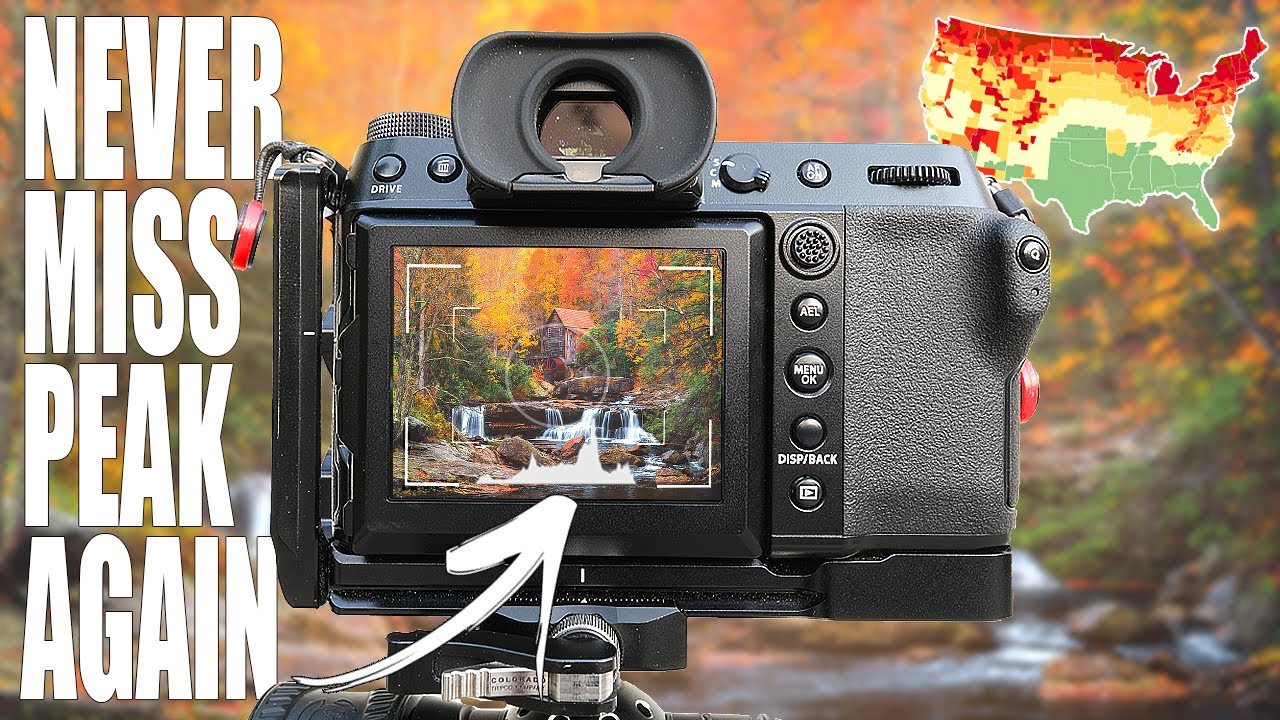
Every September I watch photographers scramble to buy something new before the leaves peak. A new lens, a polarizer upgrade, another filter kit. I get it, I’ve been there. But the shots that actually separate good fall portfolios from great ones almost never come down to gear. They come down to showing up at the right place, on the right morning, under the right sky. That’s a planning and timing problem, not an equipment problem.

A Photographer Got Robbed at Gunpoint in His Own Driveway. Here's What Every Shooter Needs to Know.

A Photographer Got Robbed at Gunpoint in His Own Driveway. Here's What Every Shooter Needs to Know.

I’ve been that guy standing on a overlook at golden hour with a bag full of gear, completely absorbed in a shot, completely unaware of who’s around me. I’d like to think I’m situationally aware, but honestly? When there’s good light and a good scene, my brain tunnels. That’s a problem, because camera theft isn’t just a “leave your bag unattended” issue anymore. It’s escalating into something a lot more frightening.

What a Landscape Photographer Shooting Antarctica Taught Me About Patience, Placement, and Wildscape Thinking

What a Landscape Photographer Shooting Antarctica Taught Me About Patience, Placement, and Wildscape Thinking

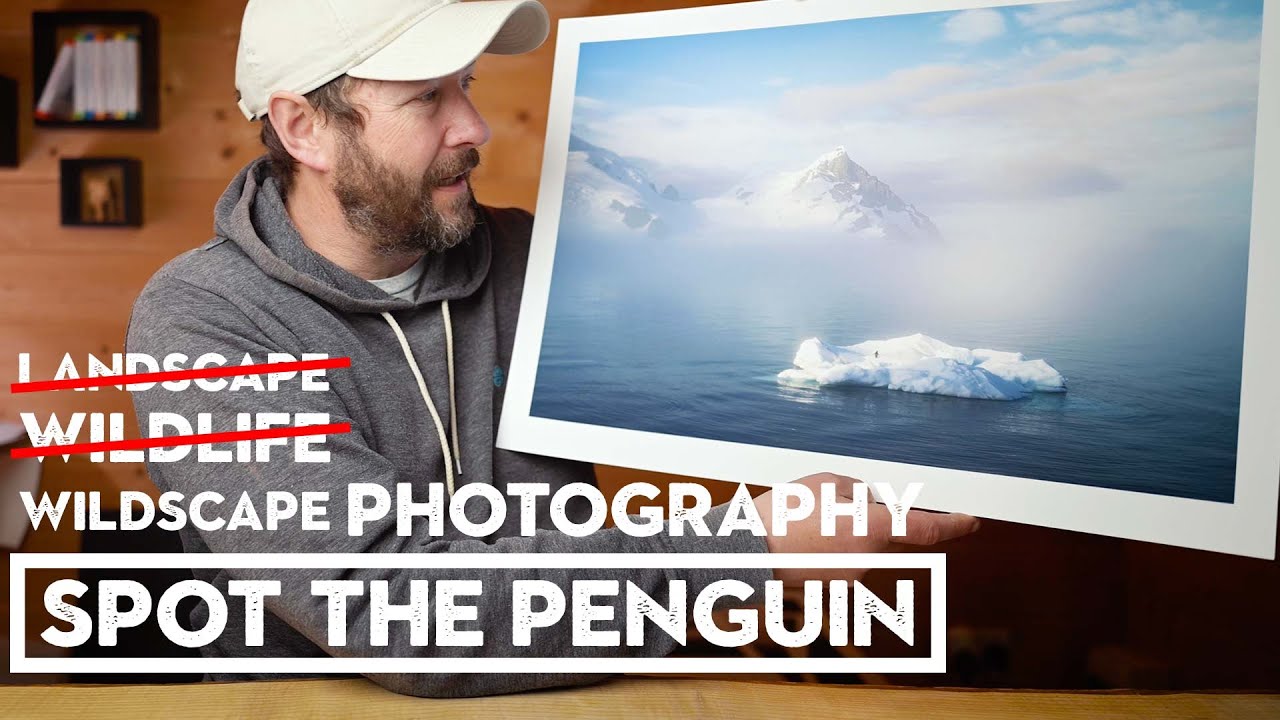
I’ve spent years arguing that technique beats gear, and most of the time I believe it. But every once in a while I watch someone work through a genuinely difficult photographic problem and realize the technique conversation goes a lot deeper than camera settings. That’s what happened when I sat down with Watch the full tutorial on YouTube - Nigel Danson’s breakdown of shooting wildlife in Antarctica as a landscape photographer.

Camera Gear Maintenance: What Tony Northrup's Tutorial Taught Me I'd Been Ignoring

Camera Gear Maintenance: What Tony Northrup's Tutorial Taught Me I'd Been Ignoring

I’ll be straight with you: I used to think camera maintenance was something you only worried about when something broke. I’d wipe down a lens with my shirt, blow on the sensor like it was an old Nintendo cartridge, and call it good. Then I spent a weekend shooting in Rocky Mountain National Park and spent three hours in Lightroom cloning out dust spots that I could have prevented in twenty minutes at home.

The Macro Lens Is the Most Underrated All-Purpose Lens You're Not Using

The Macro Lens Is the Most Underrated All-Purpose Lens You're Not Using

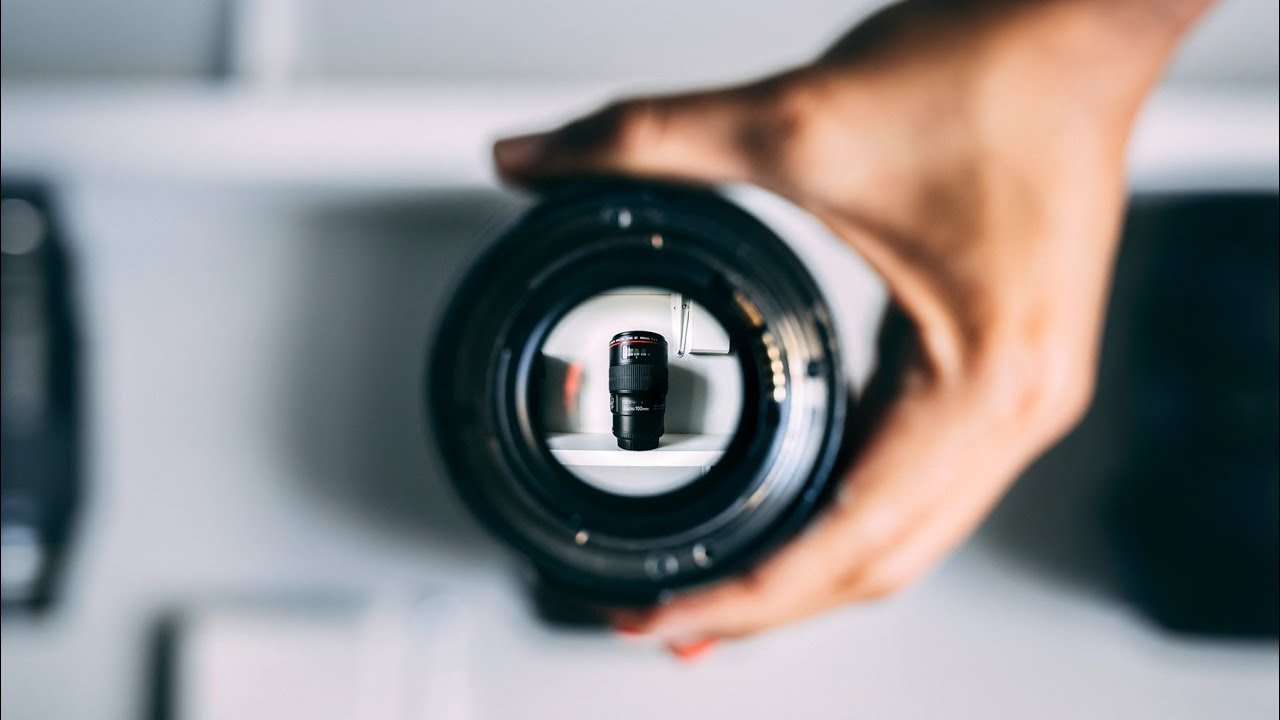
I almost skipped macro lenses entirely. When I was building out my first real kit on a tight budget, “macro” sounded like a niche specialty - something for nature photographers who spend weekends chasing insects through tall grass. I shoot products, events, and the occasional portrait session. What would I do with a macro lens? Turns out, I had the whole thing wrong, and it cost me about two years of shooting before I figured that out.

Body vs. Lens: A Budget Shooter's Guide to Spending Your Upgrade Money Wisely

Body vs. Lens: A Budget Shooter's Guide to Spending Your Upgrade Money Wisely

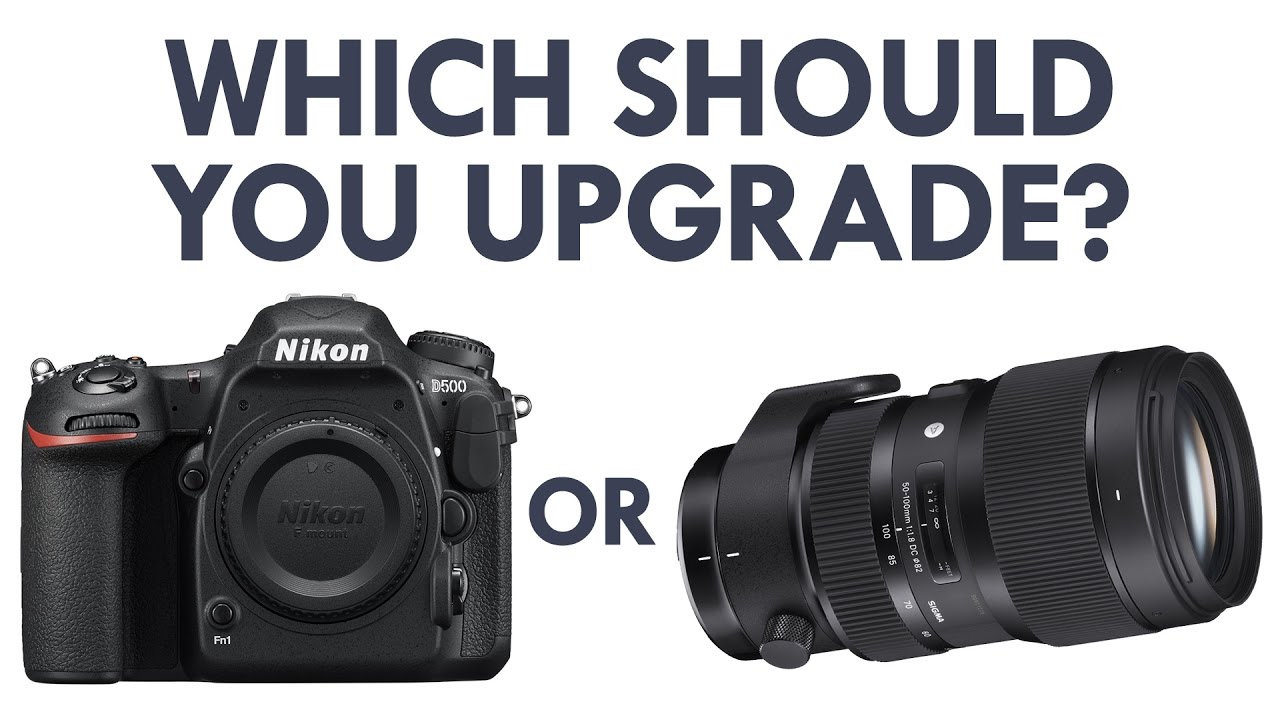
Every few months I get the same message from readers: “I have $X saved up. Should I get a better body or a better lens?” I used to answer it the same way every time, which is badly. I’d hedge, ramble about “it depends,” and leave people more confused than when they started. The question isn’t actually that hard once you stop treating it as a universal problem and start treating it as a genre-specific one.

Fast Lenses vs. Cheap Lenses: What That Price Gap Is Actually Buying You

Fast Lenses vs. Cheap Lenses: What That Price Gap Is Actually Buying You

I’ll be honest with you: I built this whole site on the premise that cheap gear gets underestimated. My spreadsheet has dozens of budget lenses on it. I’ve defended the kit lens in comment sections. I’ve run blind tests at local meetups where nobody could tell which shots came from the $500 body versus the $2,000 one. So when I say a video made me genuinely rethink how I talk about lens pricing, that’s not nothing.

Why the 70-200mm Is Actually the Most Underrated Lens for Landscape Photography

Why the 70-200mm Is Actually the Most Underrated Lens for Landscape Photography

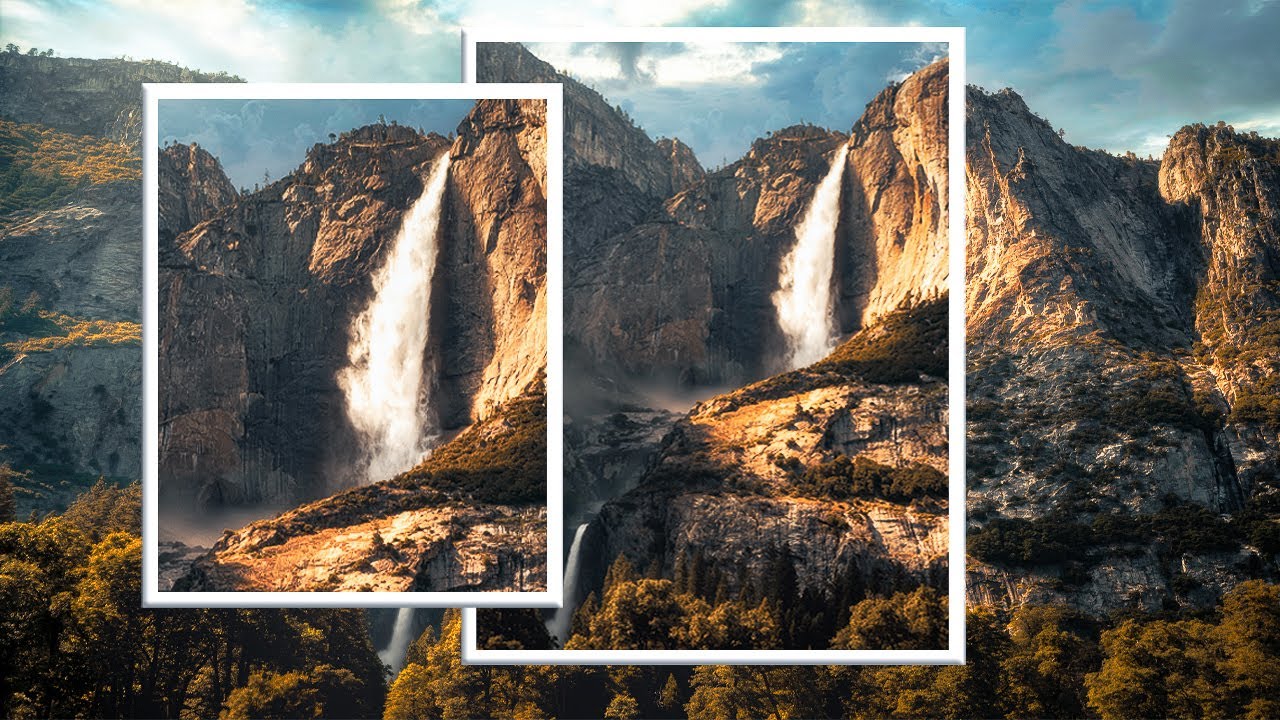
Every landscape photographer I know owns a wide-angle lens. Most of them own two. I get it — wide-angle feels like the obvious call when you’re standing in front of a mountain range or a sweeping coastline. For a long time I defaulted to the same instinct. The problem is that “sweeping and epic” starts to look the same after a while, both in your own portfolio and across every Instagram feed you’ve ever scrolled.

Why I Was Wrong About the 50mm for Landscapes (And What Mark Denney's Fog Shoot Taught Me)

Why I Was Wrong About the 50mm for Landscapes (And What Mark Denney's Fog Shoot Taught Me)

I’ve spent the better part of three years telling people on a budget to skip the nifty fifty for landscape work. My own spreadsheet of tested glass basically had a sticky note next to every 50mm entry that said “fine for portraits, wrong tool for wide scenes.” So when I saw Mark Denney, whose landscape work I genuinely respect, title a video around changing his number one lens pick and admitting he’d been wrong about a focal length for years, I paid attention.

How to Stop Grabbing the Wrong Lens on Location (Mark Denney's 4-Question Framework)

How to Stop Grabbing the Wrong Lens on Location (Mark Denney's 4-Question Framework)

I used to burn the first 20 minutes of every golden hour just standing there second-guessing myself. Wide or telephoto? Should I move closer? Is this even the right spot? By the time I committed to a composition, the light had already peaked and I’d missed the window. I shoot on a budget, which means I’m usually rocking two lenses max, and somehow that made the paralysis worse, not better. When you have fewer options, you’d think it would be easier to decide.

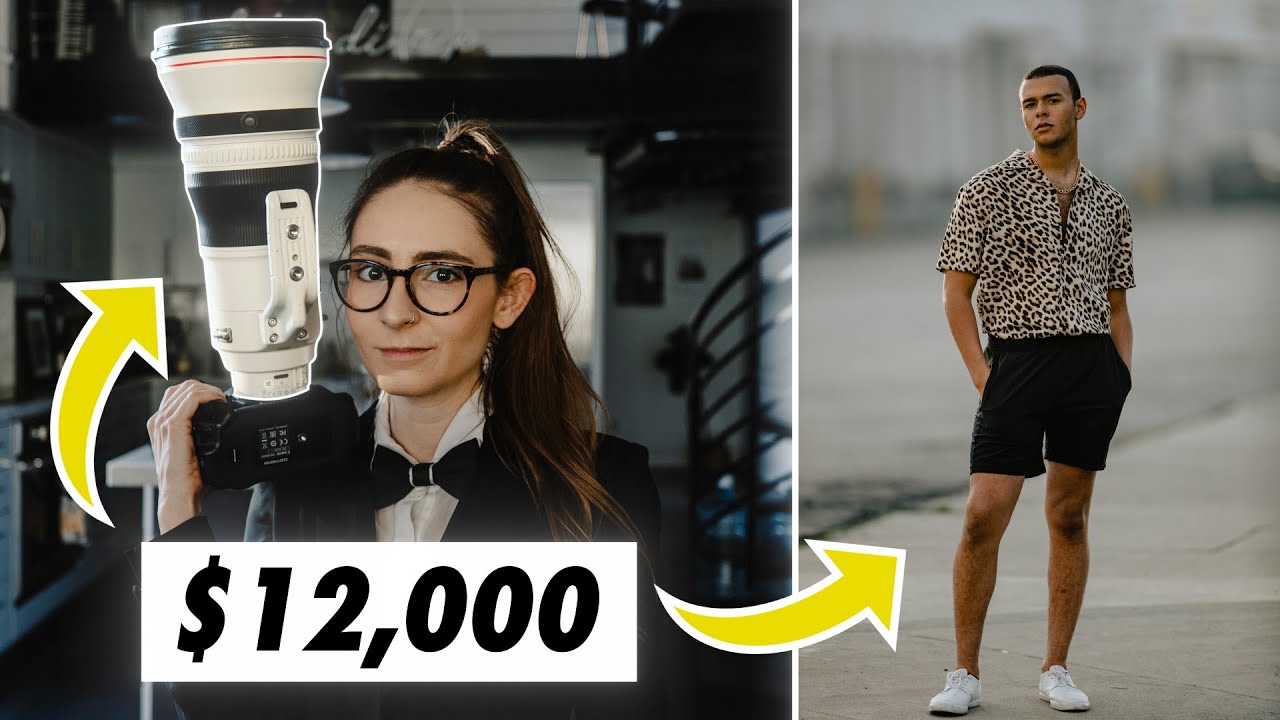
What a $12,000 Telephoto Lens Taught Me About Shooting Portraits (That You Can Apply for Way Less)

What a $12,000 Telephoto Lens Taught Me About Shooting Portraits (That You Can Apply for Way Less)

Most portrait photographers top out at 85mm or maybe 135mm and call it a day. I’ve been in that camp for years, and honestly, it makes sense for run-and-gun work. But there’s a whole different look sitting at the long end of the focal length spectrum, and unless you’ve shot with a serious telephoto, it’s hard to picture what you’re actually giving up. That question is exactly what Mango Street set out to answer in Watch the full tutorial on YouTube, when they rented Canon’s 400mm f/2.