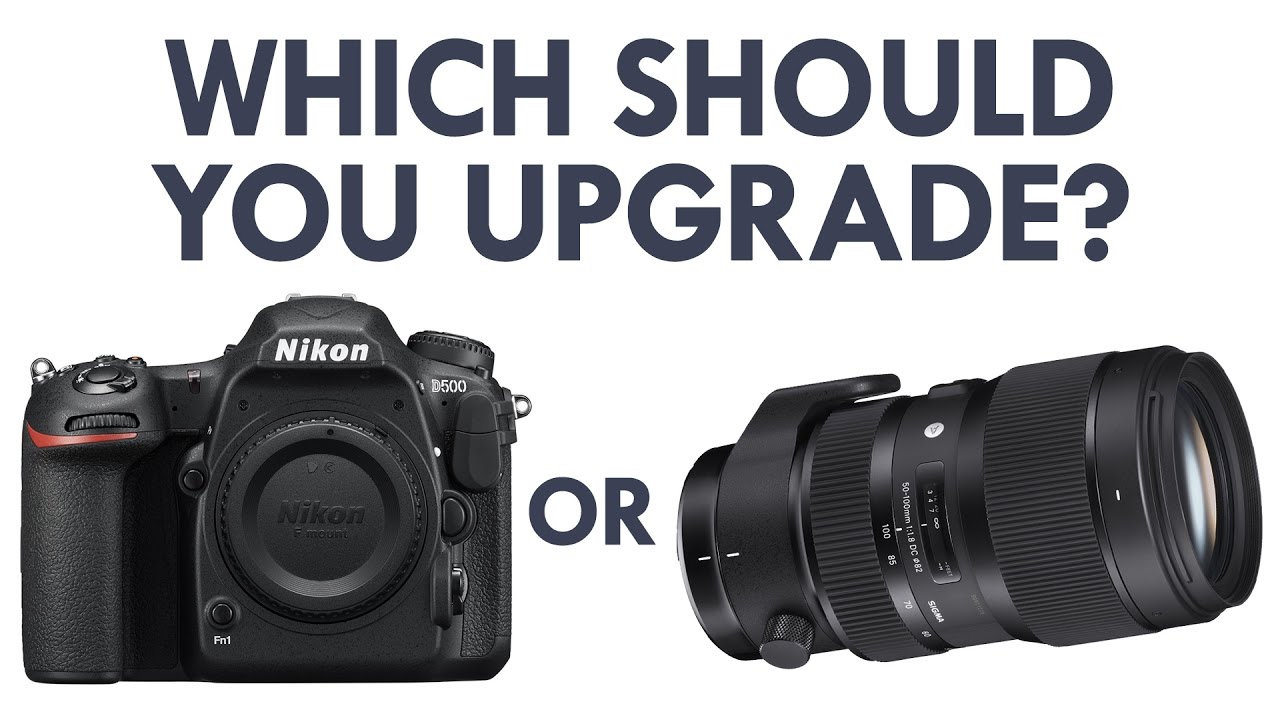
Every few months I get the same message from readers: “I have $X saved up. Should I get a better body or a better lens?” I used to answer it the same way every time, which is badly. I’d hedge, ramble about “it depends,” and leave people more confused than when they started. The question isn’t actually that hard once you stop treating it as a universal problem and start treating it as a genre-specific one.
That’s exactly the framework Tony and Chelsea Northrup lay out in their tutorial on this topic. Watch the full tutorial on YouTube - it’s short, practical, and cuts through the gear forum noise better than most things I’ve read. What I want to do here is walk you through their reasoning step by step, add some real-world grounding, and give you a clear answer you can actually act on.
The core insight is this: your shooting style should drive your spending, not the spec sheet of whatever camera is trending on Reddit this week. The body and the lens each control different things. Once you know which things matter for your genre, the upgrade decision almost makes itself.
Step 1: Understand What the Body Controls vs. What the Lens Controls
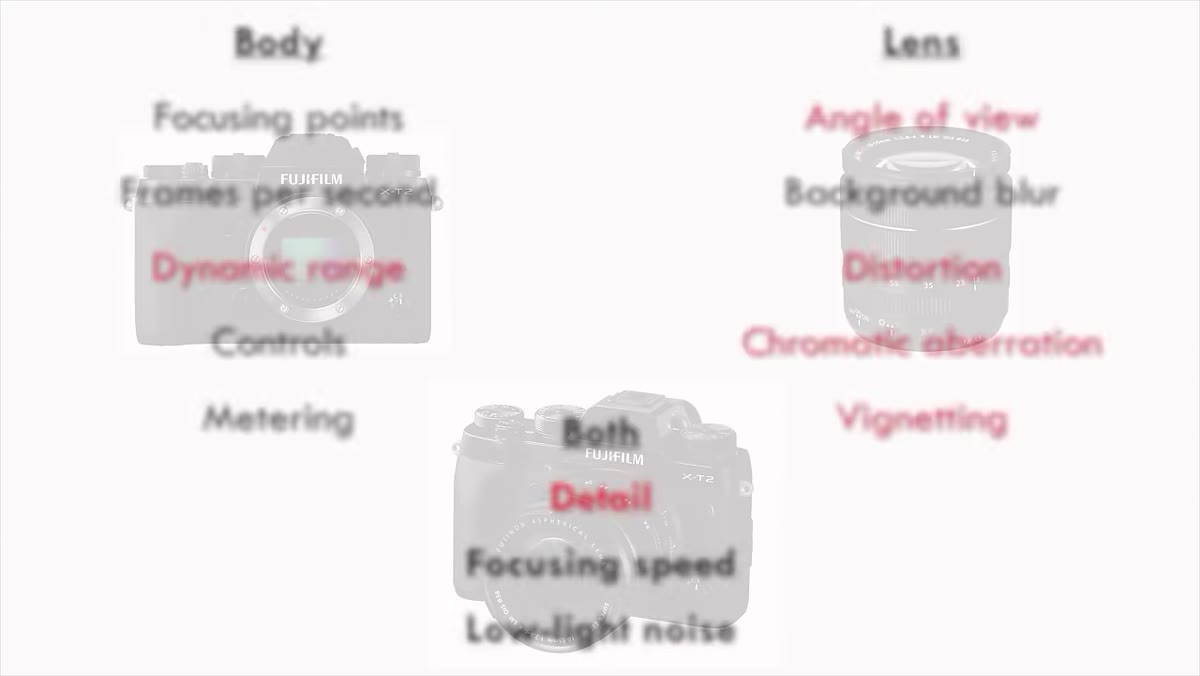
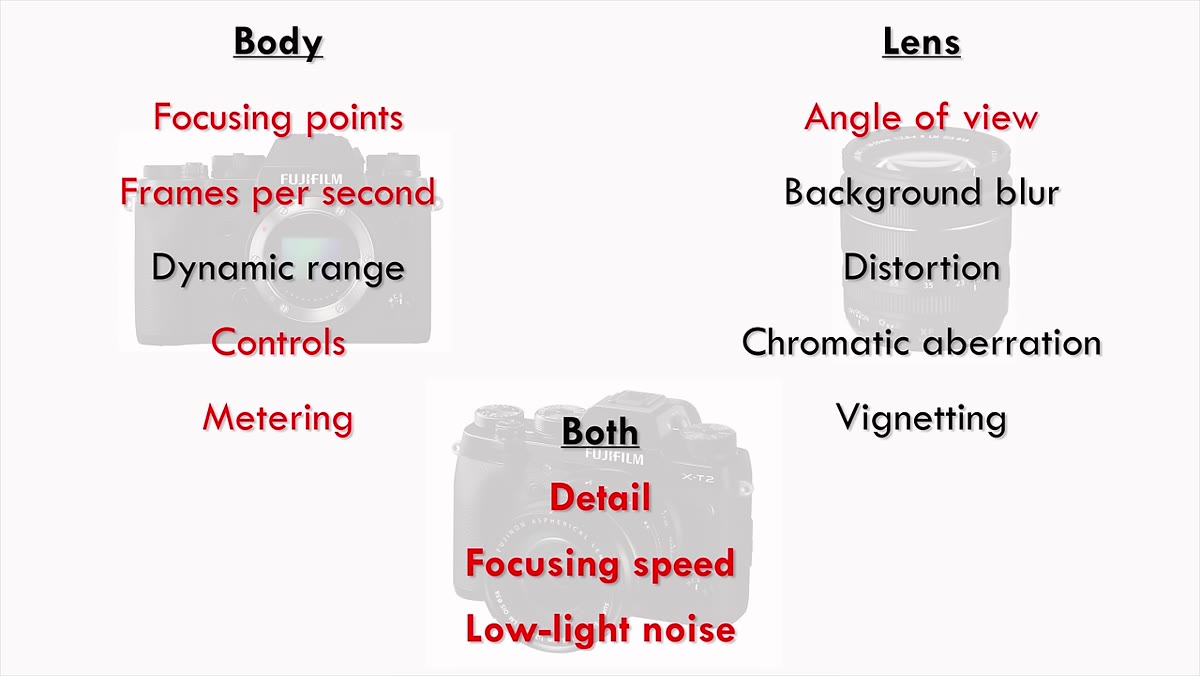
 Diagram or on-screen text listing body vs lens attributes
Before you spend a dollar, get clear on which piece of hardware actually drives the results you care about. The body controls autofocus point coverage, frames per second, dynamic range, metering, and the physical interface of dials and buttons. The lens controls your angle of view, your maximum aperture (which drives background blur and low-light performance), and the character of that blur. Sharpness and focusing speed are a shared responsibility - both the body and the lens contribute.
Diagram or on-screen text listing body vs lens attributes
Before you spend a dollar, get clear on which piece of hardware actually drives the results you care about. The body controls autofocus point coverage, frames per second, dynamic range, metering, and the physical interface of dials and buttons. The lens controls your angle of view, your maximum aperture (which drives background blur and low-light performance), and the character of that blur. Sharpness and focusing speed are a shared responsibility - both the body and the lens contribute.
This matters because photographers often assume that buying a better body fixes everything. It doesn’t. If your portraits look flat because you’re shooting at f/5.6 on a kit lens, a $2,000 body upgrade won’t fix that. A faster lens will.
Step 2: Portrait Photographers - Prioritize the Lens
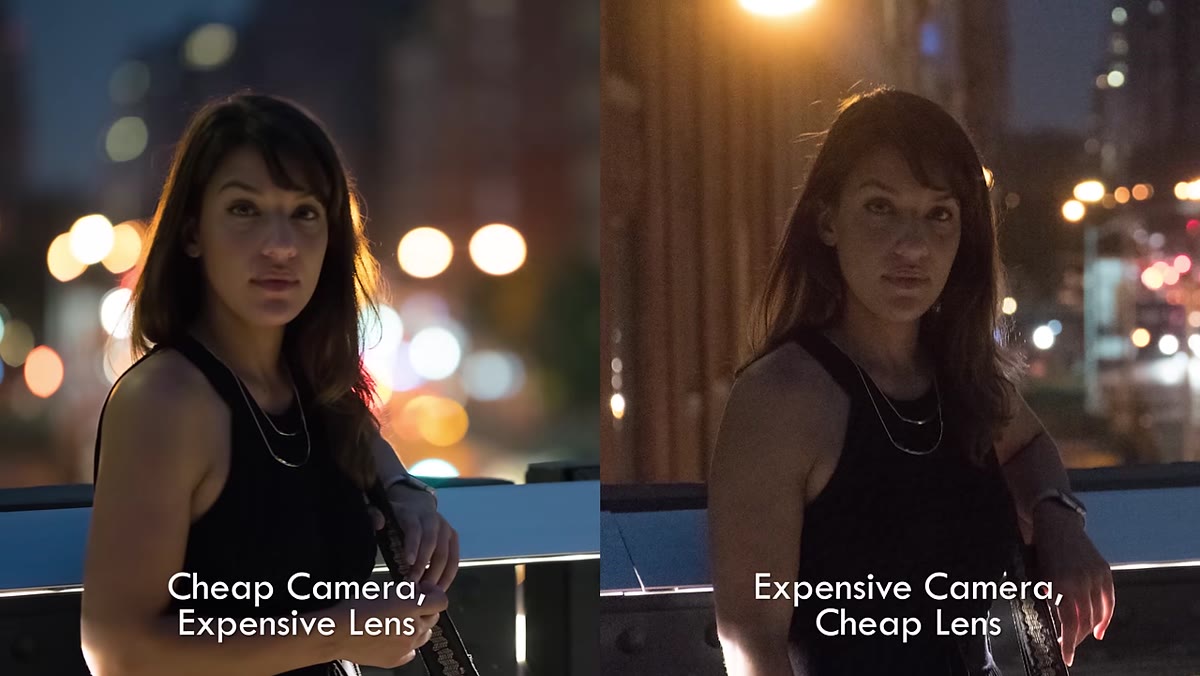 Side-by-side portrait comparison, fast lens vs kit lens
For portrait work, the lens is almost always the higher-leverage purchase. A fast prime - something in the f/1.4 to f/1.8 range - does two things a better body simply cannot: it gathers more light in dim reception halls and indoor venues, and it creates that smooth, creamy background separation that makes a subject pop. No amount of autofocus points on a high-end body will add that quality to a f/5.6 kit zoom shot.
Side-by-side portrait comparison, fast lens vs kit lens
For portrait work, the lens is almost always the higher-leverage purchase. A fast prime - something in the f/1.4 to f/1.8 range - does two things a better body simply cannot: it gathers more light in dim reception halls and indoor venues, and it creates that smooth, creamy background separation that makes a subject pop. No amount of autofocus points on a high-end body will add that quality to a f/5.6 kit zoom shot.
If you shoot weddings or events on top of portraits, low-light noise does become a body concern, since you’re often in impossible lighting situations you can’t control. But even then, start with the fast glass first. A 50mm f/1.8 runs under $200 on most systems and will outperform a $2,500 body paired with a slow zoom in candlelit rooms. Get the lens, then revisit the body.
Step 3: Street Photographers - Prioritize the Body
 Shooter on street with small inconspicuous camera setup
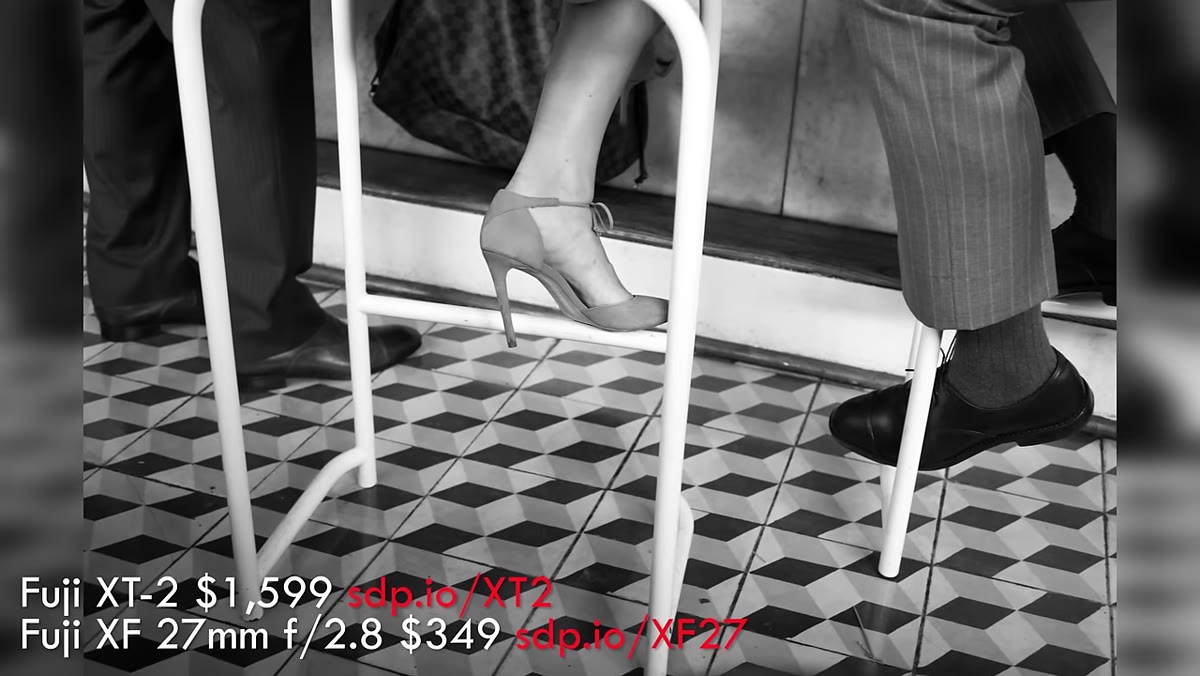
Street photography flips the equation. Here, discretion and handling speed matter more than image rendering. A small, unobtrusive lens keeps you from drawing attention and killing the moment before you capture it. Since you’re not trying to isolate subjects from backgrounds with shallow depth of field, you don’t need fast glass nearly as much.
Shooter on street with small inconspicuous camera setup
Street photography flips the equation. Here, discretion and handling speed matter more than image rendering. A small, unobtrusive lens keeps you from drawing attention and killing the moment before you capture it. Since you’re not trying to isolate subjects from backgrounds with shallow depth of field, you don’t need fast glass nearly as much.
What a better body gives you for street shooting is real and practical: a tilt screen for shooting from the hip without looking like a tourist, faster and more reliable autofocus for fleeting moments, and a faster shutter response so there’s no lag between the moment and the frame. A mid-range or high-end body paired with a compact, inexpensive prime is a legitimate street kit that costs less than you’d think.
Step 4: Landscape Photographers - Prioritize the Lens
 Landscape scene comparing optical quality between lens tiers
Landscape work is lens-first, almost without exception. What limits landscape image quality is optical sharpness, distortion control, vignetting, and chromatic aberration - all lens-level issues. You’re typically shooting at f/8 to f/11 on a tripod in decent light, so you don’t need blazing autofocus or high frame rates. The body’s action-sport advantages are irrelevant here.
Landscape scene comparing optical quality between lens tiers
Landscape work is lens-first, almost without exception. What limits landscape image quality is optical sharpness, distortion control, vignetting, and chromatic aberration - all lens-level issues. You’re typically shooting at f/8 to f/11 on a tripod in decent light, so you don’t need blazing autofocus or high frame rates. The body’s action-sport advantages are irrelevant here.
A higher megapixel sensor can help when you’re printing large, but a mediocre lens on a high-megapixel body is a waste of resolution. The lens has to be sharp enough to actually use those pixels. An excellent wide-angle lens on a modest body will beat a kit lens on a flagship body every time for landscape work. Also - and this is something the Northrups mention that I completely agree with - location matters more than either. A $600 camera setup at a compelling location beats $10,000 of gear pointed at a parking lot.
Step 5: Sports and Wildlife Photographers - Prioritize the Body
 Action sequence of athlete, high frame rate burst mode demonstrated
This is the one genre where the body genuinely earns its price tag. Sports and wildlife shooting demands fast, accurate autofocus - and while the lens contributes to focusing speed, the body’s autofocus processor and algorithm do more of the heavy lifting. Upgrading from an entry-level body to a prosumer or professional model makes a bigger real-world difference in tracking moving subjects than swapping lenses does.
Action sequence of athlete, high frame rate burst mode demonstrated
This is the one genre where the body genuinely earns its price tag. Sports and wildlife shooting demands fast, accurate autofocus - and while the lens contributes to focusing speed, the body’s autofocus processor and algorithm do more of the heavy lifting. Upgrading from an entry-level body to a prosumer or professional model makes a bigger real-world difference in tracking moving subjects than swapping lenses does.
Frames per second is the other major factor, and it lives entirely in the body. A camera that can shoot 10 frames per second and sustain that burst without slowing down gives you options in post that a 5fps camera with a full buffer simply cannot. You can pick the exact frame where the expression, the motion, and the composition all align. Autofocus point coverage also improves on higher-end bodies, with points spread further into the corners of the frame so you’re not forced into centered compositions. For sports and wildlife, spend on the body first, even if it means living with a less expensive telephoto for now.
My Own Take: The Lens Wins More Often Than People Expect
I’ve been running comparison tests on budget gear for years, and the pattern I keep seeing is that photographers underestimate how much a lens limits them and overestimate how much a body holds them back. I once ran a blind test at a local photography meetup where I had people guess which prints came from a $500 camera and which came from a $2,000 one. Shot in good light with the same lens, nobody could reliably tell the difference.
What people could tell apart was the difference between a sharp, contrasty prime and a soft kit zoom. Glass has a visible personality. Bodies, beyond a certain baseline, don’t. My default advice is to stay on the entry-level or mid-range body longer than feels comfortable and reinvest that savings into one genuinely excellent lens for your primary use case. You’ll feel the difference immediately.
The single most important thing to take away from the Northrups’ framework is to match your upgrade to your genre, not to a gear site’s “best of” list. Portrait and landscape shooters almost always benefit more from better glass. Street and sports shooters have legitimate reasons to prioritize the body. Know what you’re shooting, figure out which technical factors actually limit your current results, and spend there first.
Watch the full tutorial on YouTube to see their side-by-side comparisons - the visual examples for sports and portrait photography make the argument in a way that specs alone can’t.
Comments (5)
This is the kind of content that keeps me coming back.
Never thought of approaching it this way. Really creative.
Couldn't agree more. I've seen this make a huge difference in lighting work specifically.
Printing this out and pinning it next to my monitor. That good.
The before and after really sells it. Incredible difference.
Leave a Comment