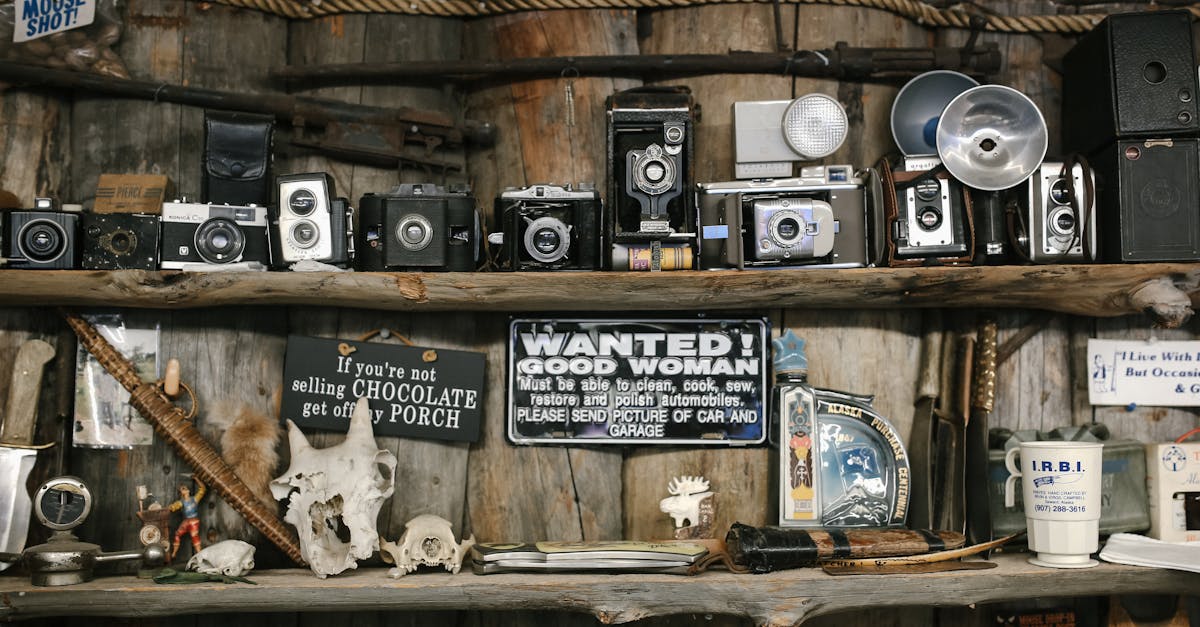
Stop Wasting Money on Photography Accessories You Don’t Need
I’ve been reviewing camera gear for five years, and I can tell you with absolute certainty: the photography industry thrives on making you feel like you need more stuff. Fancy lens caps. “Professional-grade” cable organizers. Camera straps that cost more than used lenses.
It’s garbage, and I’m tired of watching photographers throw money at problems that don’t exist.
Let me be clear about my bias upfront: I care about what actually improves your photography. Not your Instagram aesthetic. Not your gear flex. Your actual photography. So let’s talk about which accessories are genuinely worth your money.
The Accessories That Actually Matter
A solid tripod is non-negotiable. Not because it’s flashy, but because it’s the single biggest improvement you can make to shot consistency. I’m talking about a sturdy ball head tripod that doesn’t wobble—budget around $80-150. Cheap tripods are actively harmful because you’ll fight them instead of compose. I’ve seen photographers with $3,000 camera setups using $20 tripods. Stop doing that.
ND filters changed my landscape photography more than any camera body ever did. A variable ND filter (around $40-60) lets you shoot longer exposures in bright light. That silky water effect in landscape photography? That’s an ND filter. If you do any outdoor shooting, this is worth every penny.
Extra batteries and a dual charger seem obvious but nobody plans ahead. I keep four batteries total and a charger that handles two at once. Cost: $60-80. This eliminates the “dead battery at golden hour” problem permanently. It’s insurance, and it’s cheap insurance.
A quality camera bag that fits your actual workflow. Not the one Instagram influencers use. I see photographers buying huge camera backpacks they’ll never fill. Measure your gear. Buy accordingly. My everyday carry is a $50 shoulder bag because I shoot with two lenses max. The right size costs less and works better.
The Accessories That Are Just Marketing
Lens cleaning kits with seventeen pieces: You need a blower, a lens cloth, and lens cleaner. That’s it. A $8 three-piece kit does everything the $50 “professional kit” does. The rest is packaging.
Camera straps over $40: They all do the same job. They hang your camera around your neck. Peak Design makes good ones at reasonable prices, but don’t convince yourself that a $200 strap makes you a better photographer. It doesn’t.
Wireless remote triggers: Unless you’re shooting studio work or wildlife, your camera’s self-timer exists. Use it. The $60-100 remote triggers sit in drawers.
Specialty gels and color filters: Here’s the truth—90% of photographers using color filters could achieve the same result in Lightroom in three seconds. Filters are fun to experiment with, but they’re not essential. Treat them as toys, not tools.
My Actual Accessory Setup
Here’s what lives in my camera bag: two spare batteries, an ND filter, a rocket blower, one microfiber cloth, and a $50 shoulder bag. Total investment: about $200. I’ve used these items for three years. Everything else in my kit has been replaced or upgraded. This stuff stays because it actually works.
When you’re shopping for accessories, ask yourself: “Will this improve the final image, or will it improve how I feel about my gear?” If the answer is the second one, scroll past it.
Value isn’t about being cheap. It’s about getting real benefits for honest money. Everything else is just marketing noise, and your wallet doesn’t deserve it.
Comments (5)
I keep coming back to this article. It's become my go-to reference.
Do you have any tips for applying this to landscape work?
Do you have any tips for applying this to landscape work?
This is exactly what I needed. Bookmarked for future reference.
Thanks Tony Marchetti! Glad it was helpful.
Leave a Comment