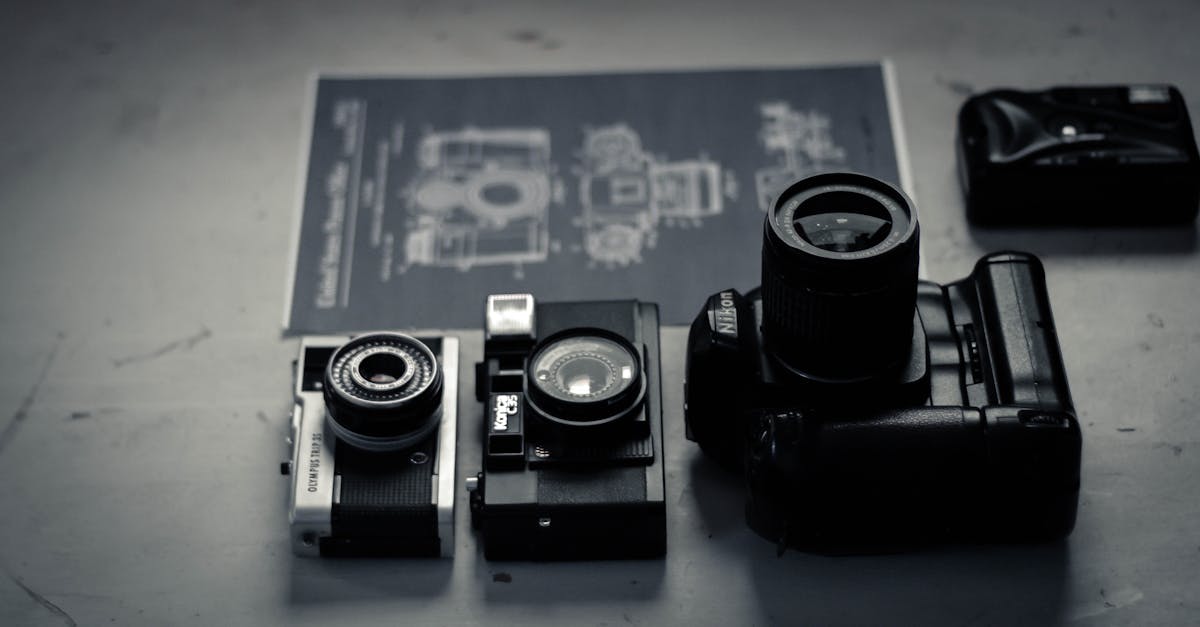
Ten years ago, “third-party lens” meant “compromised but cheap.” That’s over. Tamron and Sigma now make lenses that compete with — and sometimes beat — Canon, Sony, and Nikon’s own glass. The question isn’t whether to buy third-party. It’s which third-party.
The Philosophy Difference
Sigma tends to build lenses that match or exceed first-party optical quality, sometimes at the expense of size and weight. Their Art line is legendary for sharpness. They’re the “no compromises on image quality” brand.
Tamron prioritizes the complete shooting experience — compact size, close focusing distances, and good-enough optics at aggressive prices. They’re the “smart value” brand.
Neither approach is wrong. They serve different photographers.
Standard Zoom: 28-75mm f/2.8
Tamron 28-75mm f/2.8 Di III VXD G2 (~$800) vs Sigma 28-70mm f/2.8 DG DN Contemporary (~$800)
Tamron gives you an extra 5mm on the long end, which matters more than it sounds. Close focusing at 7.1 inches is absurdly good — practically a macro lens at 75mm. Autofocus is fast and quiet.
Sigma is smaller and lighter while delivering slightly sharper results wide open at 28mm. The optical quality edge is real but marginal.
Winner: Tamron. The extra reach and close-focusing ability make it more versatile in daily use. Sigma wins pixel-peeping contests that don’t matter outside test charts.
Wide Angle: 17-28mm vs 16-28mm
Tamron 17-28mm f/2.8 Di III RXD (~$800) vs Sigma 16-28mm f/2.8 DG DN Contemporary (~$850)
Sigma’s extra millimeter at the wide end is genuinely useful for landscape and architecture. It’s also sharp across the frame even wide open. Tamron is smaller, lighter, and focuses closer.
Winner: Sigma. At the wide end, that 1mm matters. Sigma also edges it on corner sharpness, which is critical for landscape work.
Telephoto: 70-180mm vs 70-200mm
Tamron 70-180mm f/2.8 Di III VXD G2 (~$1,200) vs Sigma 70-200mm f/2.8 DG DN OS Sports (~$1,500)
This one isn’t close on paper. Sigma gives you 20mm more reach, optical stabilization, and Sports-line build quality. It’s also bigger, heavier, and $300 more expensive.
Tamron’s 70-180mm is remarkably compact, focuses incredibly close, and is sharp enough for professional work. The lack of OS means you rely on in-body stabilization.
Winner: Depends. Sports and wildlife shooters should get the Sigma for the reach and OS. Everyone else will appreciate the Tamron’s portability and value. I shoot the Tamron because I carry my kit all day.
Prime Lenses
Sigma dominates the prime lens category. The Art series 35mm f/1.4 and 85mm f/1.4 are some of the best lenses ever made for their focal lengths, at any price. Tamron has fewer prime options and they don’t match Sigma’s optical excellence.
Winner: Sigma, decisively.
Build Quality and Weather Sealing
Sigma’s Sports line is built like professional first-party glass — heavy, dense, and confidence-inspiring. Their Art and Contemporary lines are solid but lighter.
Tamron’s build quality is good, not great. The weather sealing works, but the plastic-feeling barrels don’t inspire the same confidence as Sigma’s metal construction.
Winner: Sigma.
The Bottom Line
Buy Tamron if: You want the best balance of size, versatility, and price. You value close-focusing ability. You carry your gear all day.
Buy Sigma if: Optical perfection matters to you. You shoot primes. You don’t mind extra weight for extra quality.
Both companies make excellent lenses. You genuinely can’t go wrong with either ecosystem. The days of “buy first-party or suffer” are long gone.
Comments (3)
My results improved immediately after following these steps. Can't thank you enough.
Just subscribed to the newsletter after reading this. Quality content.
My results improved immediately after following these steps. Can't thank you enough.
Leave a Comment