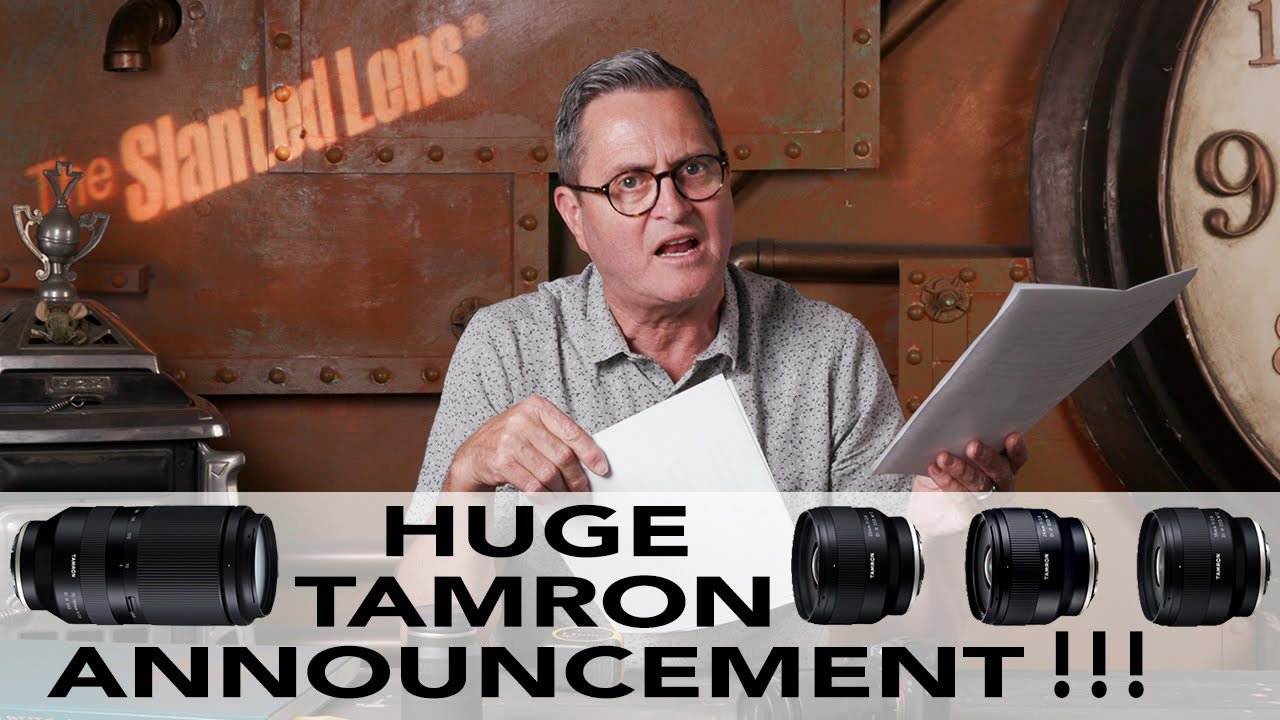
Tamron's 4 New Sony E-Mount Lenses Break Down the You Need to Spend More Myth

Tamron's 4 New Sony E-Mount Lenses Break Down the You Need to Spend More Myth

If you shoot Sony full-frame mirrorless and you’ve been quietly resenting the price tags on native glass, this announcement is the one you’ve been waiting for. I’ve spent more time than I’d like to admit cross-referencing lens prices across every deals site I follow, and the pattern is always the same: Sony’s own glass is sharp but expensive, third-party options are cheaper but often sketchy on autofocus compatibility. Tamron has been quietly dismantling that trade-off, and their latest announcement blows the door wide open.
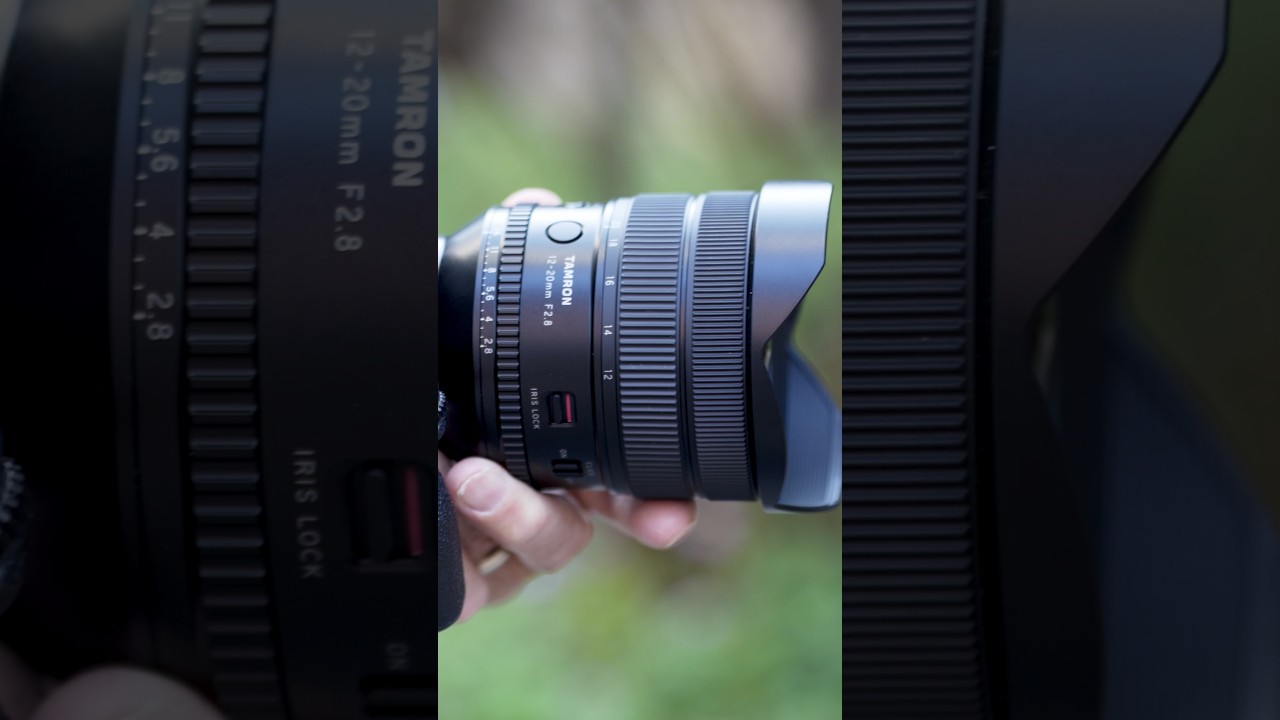
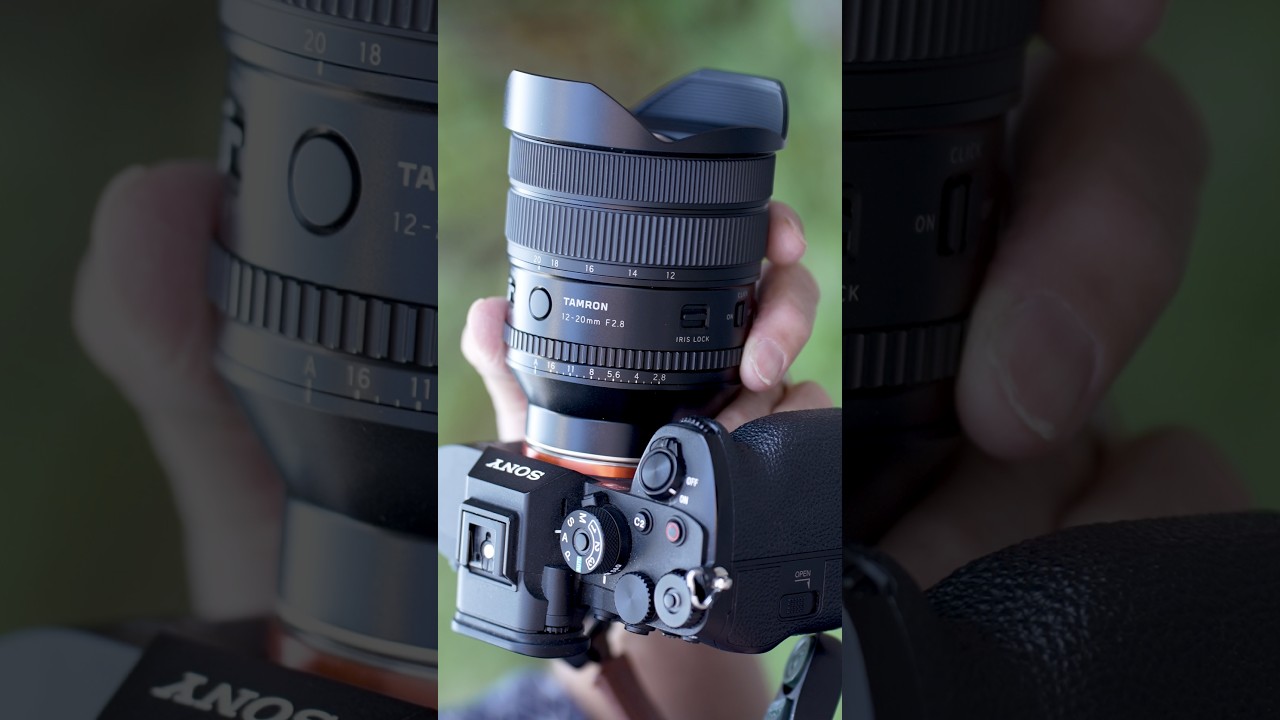
The Tamron 12-20mm f/2.8 Is the Wide-Angle I've Been Waiting For (And It's Not $3,300)

The Tamron 12-20mm f/2.8 Is the Wide-Angle I've Been Waiting For (And It's Not $3,300)

I’ve been burned enough times by ultra-wide lenses that I do my homework now. There’s a spreadsheet on my desktop with every wide-angle I’ve tested in the last three years, sorted by price-to-sharpness ratio, distortion control, and whether the autofocus holds up in low light. So when a lens comes along that actually threatens to shake up that list, I pay attention. In this The Slanted Lens tutorial, creator Jay P.

The Tamron 28-200mm for Sony Is the One Lens I'd Grab If I Could Only Pack One

The Tamron 28-200mm for Sony Is the One Lens I'd Grab If I Could Only Pack One

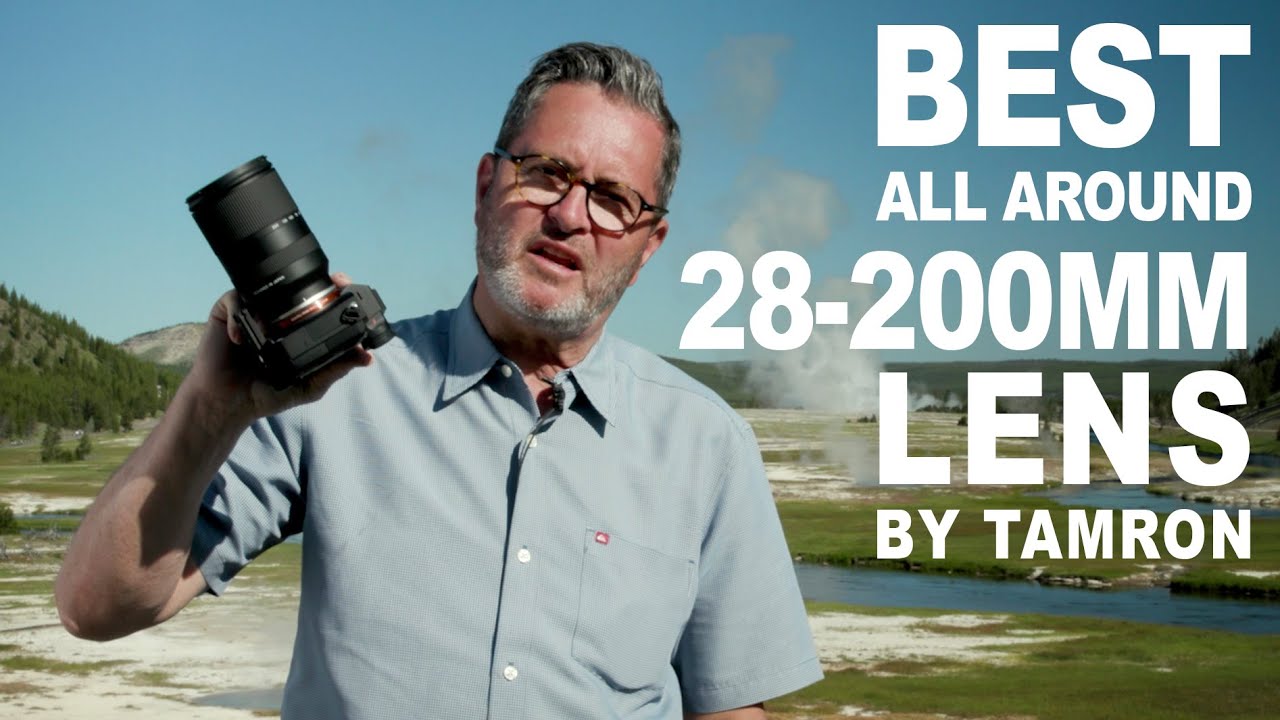
There’s a specific kind of photography frustration I know well: you’re out somewhere genuinely spectacular, and you’re swapping lenses every five minutes because your wide angle can’t reach and your telephoto can’t go wide. You miss shots. You get dust on your sensor. You spend more time managing glass than actually shooting. That problem is exactly what the Tamron 28-200mm f/2.8-5.6 Di III RXD for Sony is built to eliminate, and after watching JP Morgan of The Slanted Lens put it through its paces across Yellowstone, I think this lens deserves a serious look from any Sony shooter trying to travel light without giving up capability.

Tamron 35-150mm f/2-2.8: The One Zoom That Might Replace Half Your Bag

Tamron 35-150mm f/2-2.8: The One Zoom That Might Replace Half Your Bag

I have a spreadsheet. It has every budget and mid-range lens I’ve tested going back three years, with columns for sharpness, bokeh quality, autofocus speed, filter size, and whether I’d actually buy it again. Most lenses end up somewhere in the “solid but forgettable” category. Every once in a while one shows up that makes me rethink a whole column. The Tamron 35-150mm f/2-2.8 is one of those lenses, and not in an obvious way.

Tamron's 3 New Full-Frame Lenses for 2019: What Budget Shooters Actually Need to Know

Tamron's 3 New Full-Frame Lenses for 2019: What Budget Shooters Actually Need to Know

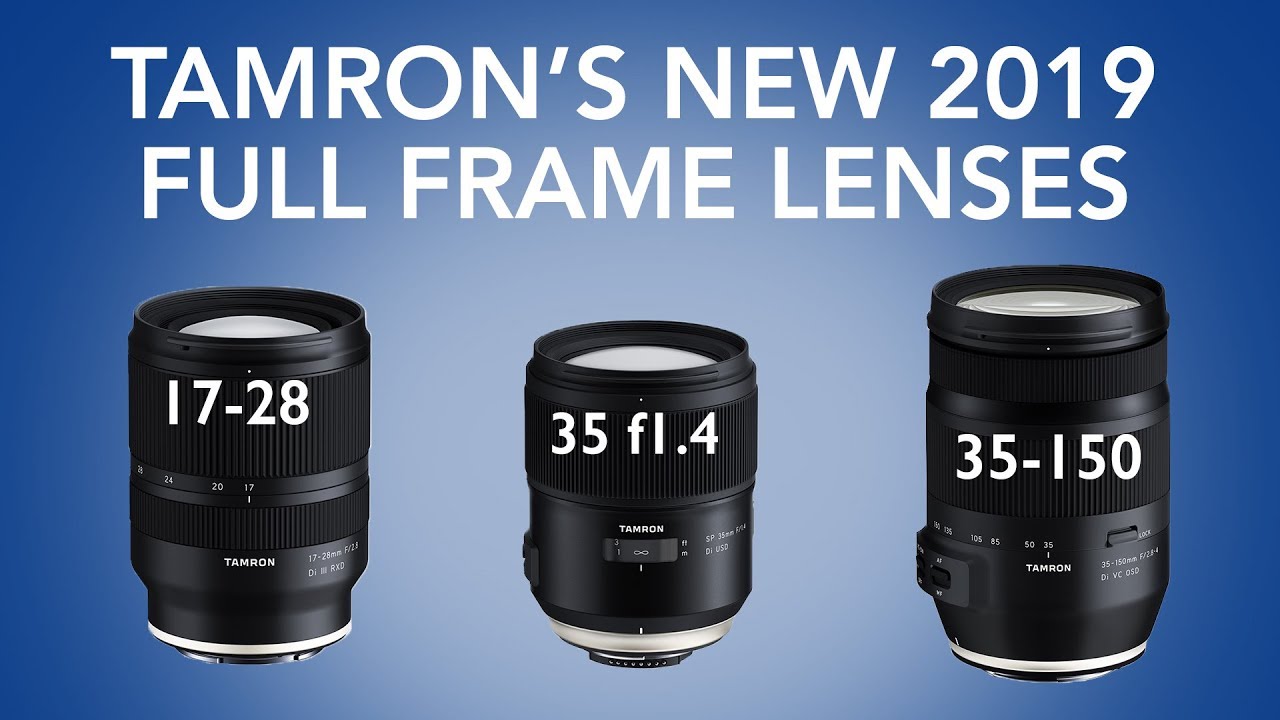
Every January I tell myself I’m done chasing gear announcements. Then something like this happens. Tamron quietly dropped details on three new lenses for 2019, and honestly, they’re the kind of announcements that actually move the needle for shooters like me who track value obsessively. I’ve got a spreadsheet with every third-party lens I’ve tested in the last three years, and Tamron keeps showing up near the top for image quality per dollar.

Sigma vs Sony vs Tamron 35mm: Here's Which One I'd Actually Buy

Sigma vs Sony vs Tamron 35mm: Here's Which One I'd Actually Buy

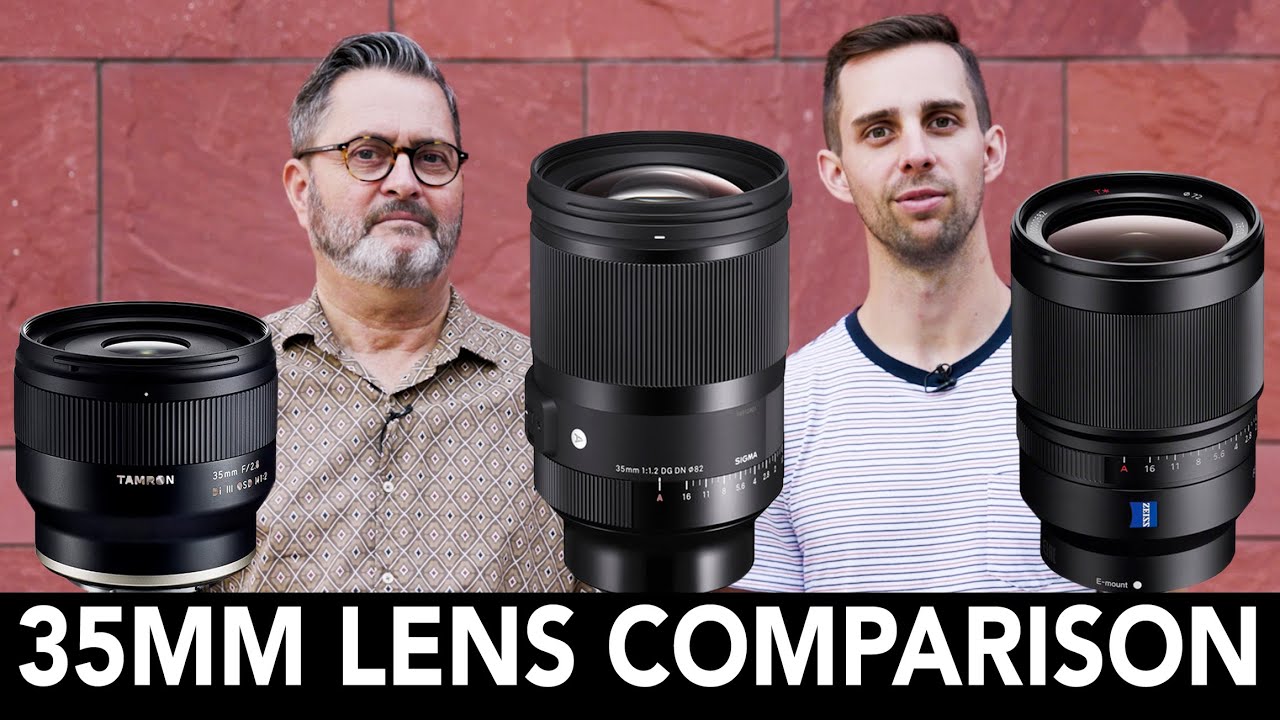
There’s a question I get more than almost any other from photographers building out a Sony mirrorless kit: “Which 35mm lens is actually worth buying?” It sounds simple. It isn’t. The 35mm focal length is one of the most crowded spots in the Sony E-mount ecosystem, and the price gap between the options is wide enough that picking the wrong one stings. I’ve been chewing on this myself, so when The Slanted Lens dropped a direct comparison video putting the Sigma, Sony, and Tamron 35mm lenses head to head in real shooting conditions, I watched it twice and took notes.

Tamron 85mm f/1.8 VC: The Portrait Lens That Actually Justifies Its Price Tag

Tamron 85mm f/1.8 VC: The Portrait Lens That Actually Justifies Its Price Tag

I’ll be straight with you: I’ve been burned enough times by “affordable alternative” lenses that I now keep a running spreadsheet before I commit to anything. Most fast primes in this focal range make you choose between sharp wide open, decent bokeh, or image stabilization. You rarely get all three without jumping to a first-party lens at a much steeper price. So when Tamron dropped the SP 85mm f/1.8 Di VC, I paid attention.

Tamron 15-30mm f/2.8 Breakdown: What Actually Makes This Ultra-Wide Worth Talking About

Tamron 15-30mm f/2.8 Breakdown: What Actually Makes This Ultra-Wide Worth Talking About

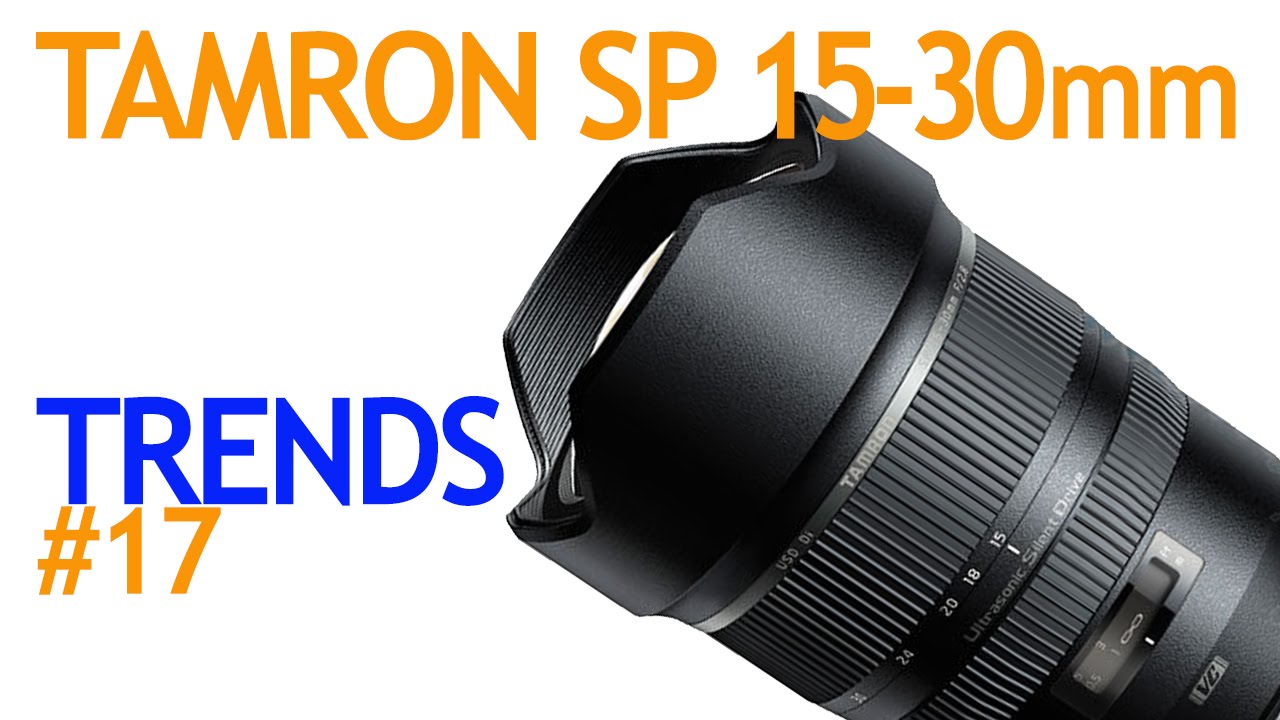
I’ll be honest with you: ultra-wide lenses are one of those categories where I’ve watched a lot of people spend a lot of money chasing something they didn’t fully understand before buying. The 15-30mm focal range sounds exciting until you’re standing inside a room trying to fill the frame with anything interesting, realizing that shooting ultra-wide is a skill set, not just a setting. When Tamron dropped their 15-30mm f/2.8 SP, the photography world paid attention, and I wanted to dig into what actually makes this lens different from the pile of wide primes and cheaper zoom alternatives sitting on my comparison spreadsheet.

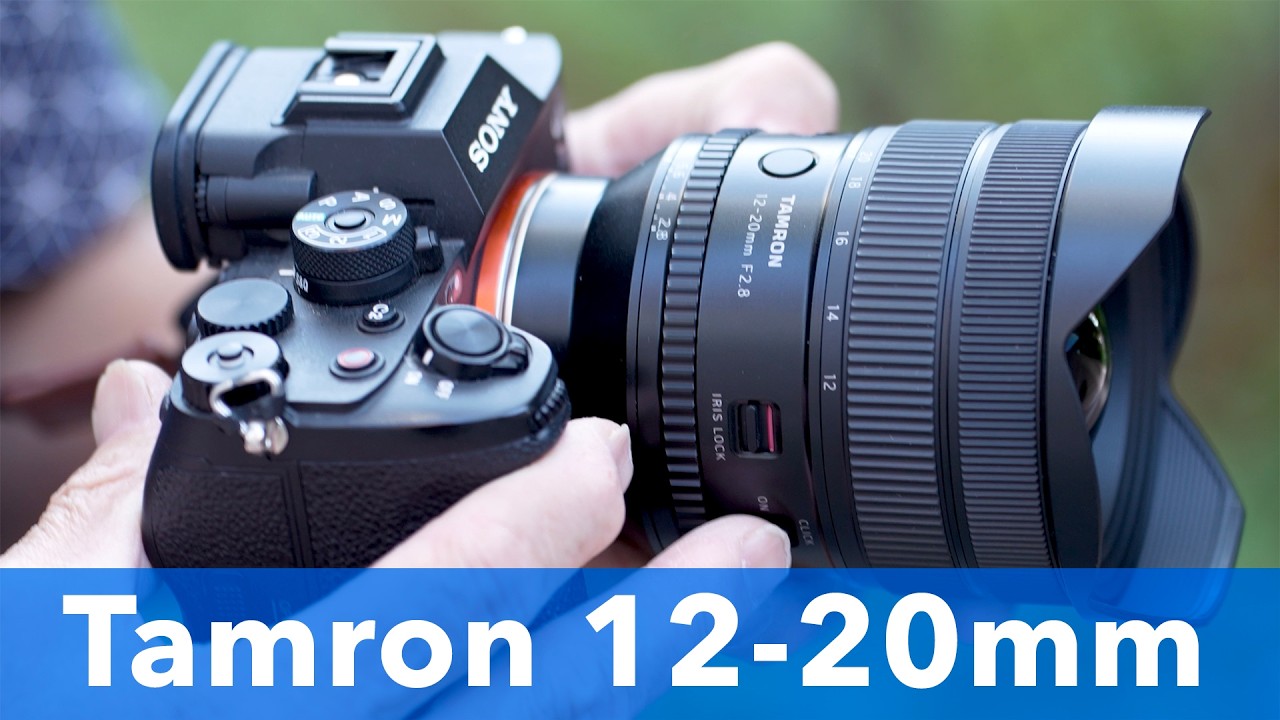
Tamron 12-20mm f/2.8 Review: A Cine-Style Ultra-Wide That Finally Makes Financial Sense

Tamron 12-20mm f/2.8 Review: A Cine-Style Ultra-Wide That Finally Makes Financial Sense

I’ve been avoiding ultra-wide lenses for years. Not because I don’t want one, but because every time I looked seriously at what was available for full-frame cameras, the math stopped making sense. A Sony G Master 12mm runs over three grand. That’s not a lens purchase, that’s a used car decision. And for someone who shoots wide angles maybe a dozen times a year, for group shots, interior architecture, and the occasional night sky outing, that number has always been a hard stop.

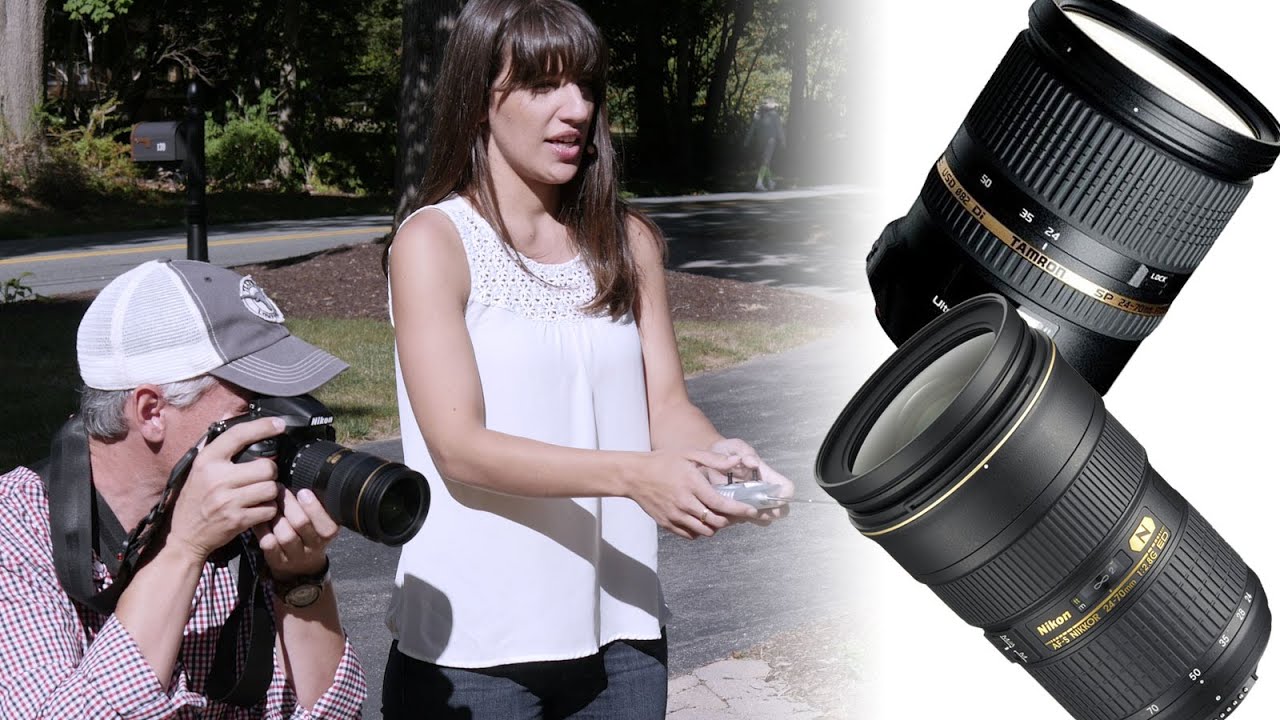
Tamron 24-70 f/2.8 vs Nikon 24-70 f/2.8: The $600 Question Every Nikon Shooter Needs to Answer

Tamron 24-70 f/2.8 vs Nikon 24-70 f/2.8: The $600 Question Every Nikon Shooter Needs to Answer

Every time I put together a lens buying guide, someone in the comments asks some version of the same question: “Is the name-brand version actually worth the premium, or am I just paying for the logo?” With standard zooms, that question hits hardest in the 24-70 f/2.8 range, because these are working lenses. Photographers buy them to shoot weddings, events, portraits, travel – the stuff that actually pays or matters. The price gap between the Nikon and Tamron versions of this focal range sits around $600 at most price points, which is not rounding error money.

Tamron's 12-20mm f/2.8 Is the Wide-Angle Zoom I've Been Waiting For (And It Won't Break You)

Tamron's 12-20mm f/2.8 Is the Wide-Angle Zoom I've Been Waiting For (And It Won't Break You)

Every time I start pricing out ultra-wide lenses for a landscape or astro shoot, I end up closing seventeen browser tabs in frustration. The options under $1,000 are either optically soft, plasticky, or so stripped of controls that you’re basically buying a fixed aperture kit lens with a fancy name. The options over $1,000 are great, obviously, but spending that kind of money on a specialty focal length that lives in your bag for maybe 20% of your shoots is a hard sell when you’re trying to run a lean kit.

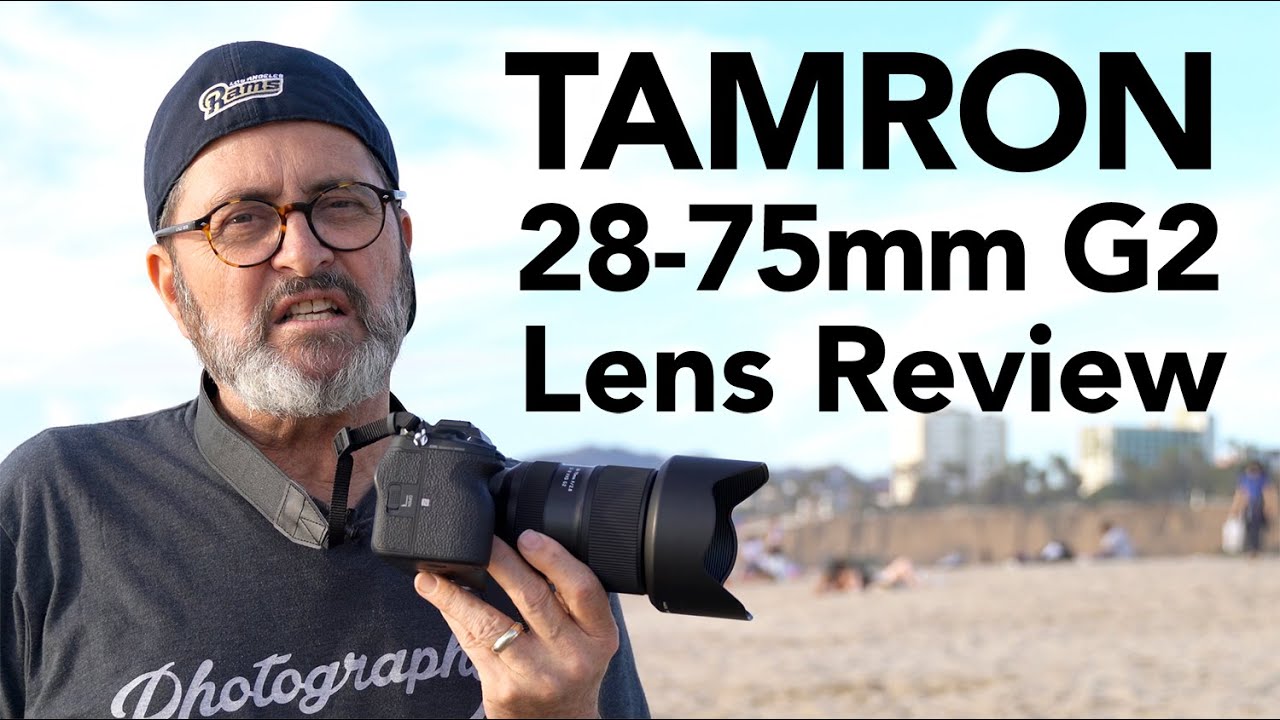
The Tamron 28-75mm f/2.8 G2 Is the Lens I'd Buy If I Had to Start Over

The Tamron 28-75mm f/2.8 G2 Is the Lens I'd Buy If I Had to Start Over

The hardest question I get from readers is some version of: “I have $800 to spend on a lens, what do I actually buy?” Not “what’s the best lens money can buy,” but what delivers the most usable image quality for real shooting situations without burning through your whole budget. That question used to take me 20 minutes to answer. Now I send them one link. In this The Slanted Lens tutorial, Jay P.