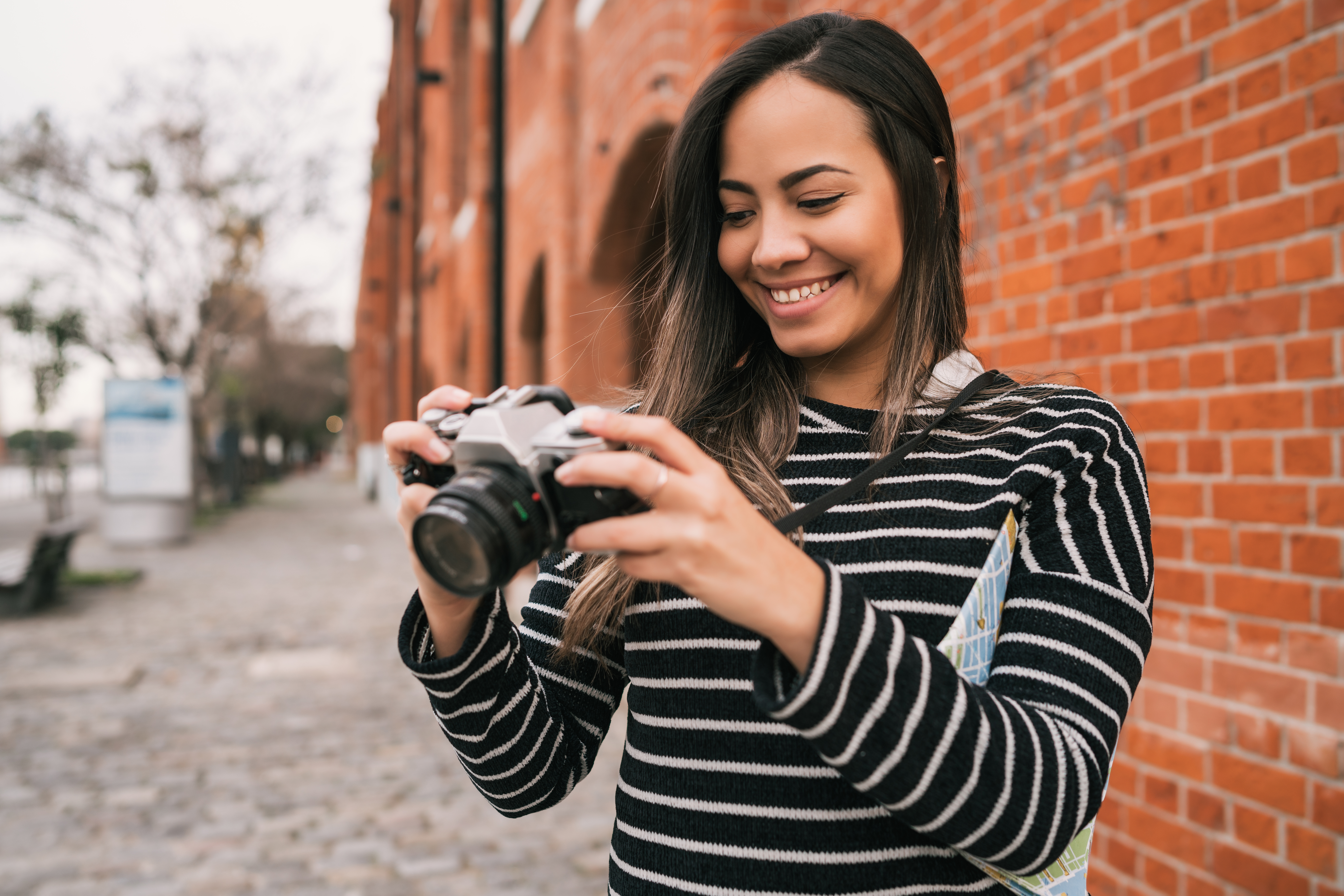
The Computational Photography Problem: Why Your Phone Camera Is Making Expensive Gear Irrelevant
I’ve been reviewing camera gear for over a decade, and I’ve never seen the market shift this fast. Not because of new Canon or Sony releases, but because of what’s happening before you even press the shutter button.
Last month, I tested Google’s Pixel 9 Pro against a full-frame mirrorless setup costing three times as much. The Pixel took a backlit portrait in harsh midday sun—genuinely difficult lighting. Its computational photography engine corrected exposure, recovered shadow detail, and applied subtle skin tone adjustments in real time. The Sony? It captured the raw scene faithfully, requiring 15 minutes of Lightroom work to approach what the phone delivered instantly.
Here’s the problem nobody wants to admit: the phone won, and it cost $1,200. The camera cost $3,800 without a lens.
The Market Is Already Responding
Camera manufacturers aren’t stupid. They’re watching these same tests we are. That’s why Canon, Nikon, and Sony have quietly shifted their development roadmaps toward in-camera computational processing rather than optical innovation. Your 2025 flagship DSLR or mirrorless body isn’t really about better sensors anymore—it’s about better algorithms.
The numbers tell the story. According to IDC, dedicated camera sales dropped 50% between 2015 and 2022. Smartphone camera sales, meanwhile, continue climbing. Even among enthusiasts, I’m seeing fewer people buy dedicated bodies as their primary capture tool. They’re buying them as secondaries—as specialized tools, not primary solutions.
This isn’t a temporary trend. It’s structural.
What AI Is Actually Good At (And That’s The Problem)
I need to be fair here. Computational photography solves genuine problems. Night Mode works. Portrait mode separation is legitimately impressive. Google’s Real Tone actually addresses racial bias in photo processing that dedicated cameras ignored for decades. These are real improvements.
But they’re improvements that make the gap between “good enough camera” and “professional camera” smaller every year.
A $200 used iPhone 14 with Night mode can now capture acceptable low-light images that required ISO 3200+ on a dedicated camera just five years ago. A $900 Pixel handles dynamic range in challenging light well enough that you don’t need RAW exposure bracketing and blending. These capabilities are trickling down the price ladder, not up.
What you can’t do with AI—not yet, anyway—is change your angle of view without a wider or longer lens, or achieve true shallow depth of field without computational tricks that still don’t quite match optical bokeh. That’s where gear still matters. But those advantages apply to maybe 20% of photographers.
The Real Casualty: Specialty Lenses and Midrange Gear
Here’s what keeps me up at night: the market that’s disappearing fastest is entry-level and midrange dedicated camera gear. Not flagship bodies. Not $4,000 lenses. The $500-800 mirrorless bodies and $300-600 lens combinations.
Why? Because computational photography has made that tier obsolete for casual enthusiasts and semi-professionals.
A working wedding photographer used to need a decent body, two solid lenses, and reliable autofocus. They could make $2,000-3,000 per event with gear that cost $3,500. Now? A competent Pixel 9 Pro Max, a gimbal, and some lighting equipment does most of that work for $2,400 total. The margins on that midrange gear are collapsing because fewer people see the value.
I’m already seeing used market prices reflect this. Lenses that held value reasonably well are now losing 40-50% of their purchase price within three years. Bodies that are only five years old sell for a fraction of their original cost because people don’t need them anymore.
What This Means For You
If you’re invested in gear—whether that’s $2,000 or $20,000 worth—acknowledge that the resale value is under pressure. Real pressure.
That $1,200 lens you bought two years ago? It might be worth $700 today. Not because it’s worse, but because a different tool emerged that solves the same problem cheaper. That’s brutal, but it’s the reality.
The photographers who’ll be fine are the ones whose work requires optical performance: wildlife shooters needing 600mm reach, studio professionals controlling precise light and depth of field, filmmakers needing cinema lenses. Gear still matters for those people.
For everyone else, the honest conversation is getting harder to avoid: maybe you don’t need as much gear as you think. Maybe a phone and some lights and a tripod does the work you actually do.
I’m not anti-technology. I’m pro-honesty about value. And right now, the value equation for dedicated camera gear is shifting in a way that manufacturers can’t control and we can’t ignore.
Comments (6)
Love how you break down complex stuff into manageable steps.
This is fantastic. I've been recommending this approach to my readers too.
My workflow just got 10x faster. Not even kidding.
Printing this out and pinning it next to my monitor. That good.
Bookmarked. Coming back to this one for sure.
This is exactly what I needed today. Been struggling with this for weeks.
Leave a Comment