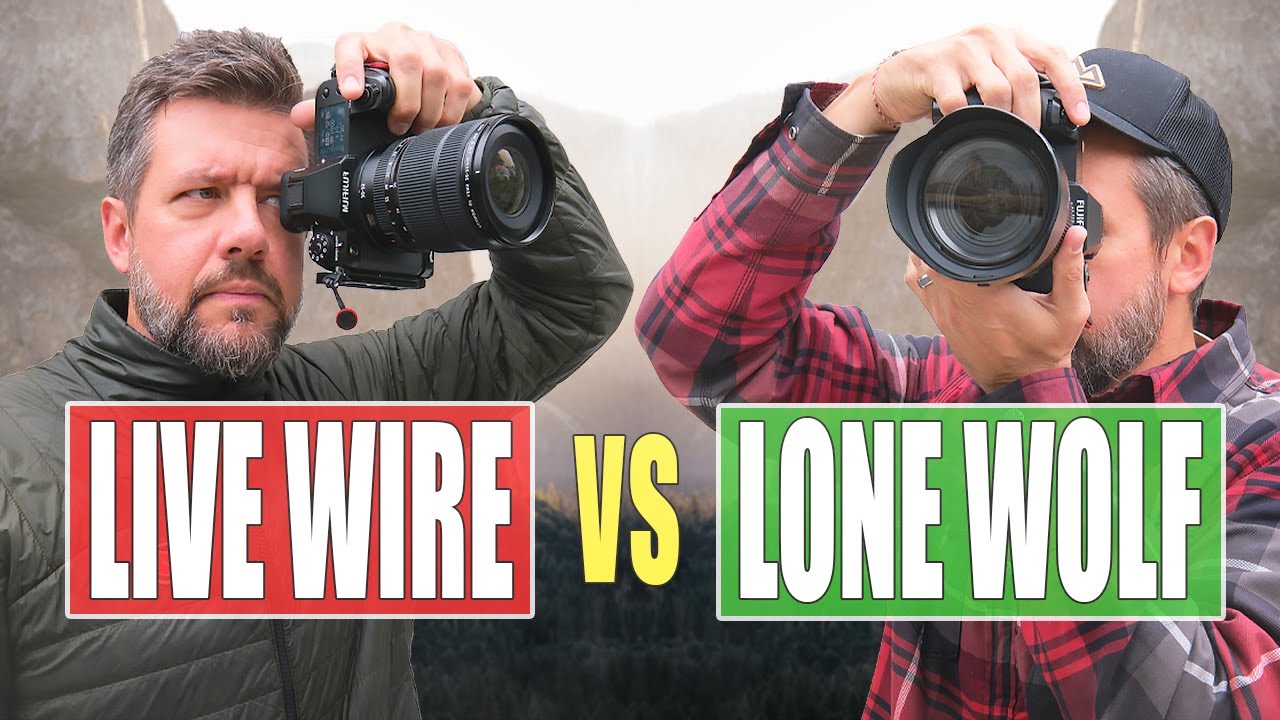
I’ll be honest: I thought I knew which lens I reached for most. I would have bet money on my nifty fifty. Turns out I was wrong, and finding out I was wrong took about 45 seconds inside Lightroom. That gap between the lens you think defines your shooting style and the one you actually use constantly is more revealing than most photographers want to admit. In this Mark Denney tutorial, Watch the full tutorial on YouTube, he walks through how to pull that data directly from Lightroom and then connects your dominant focal length to how you naturally perceive and interpret a scene. It sounds like a parlor trick, but the logic holds up.
What makes this useful beyond the personality angle is the practical Lightroom workflow buried inside it. If you’ve ever wondered whether your gear choices are actually matching your creative instincts, this is a fast, data-driven way to find out. For anyone trying to figure out where to invest next in glass, especially on a budget, knowing your real shooting patterns cuts through a lot of gear-lust noise.
Step 1: Ask Yourself the Desert Island Lens Question
 Mark Denney speaking to camera about choosing one lens for life
Before you touch Lightroom, sit with this question: if you could only use one lens for the rest of your life, what would it be? Mark frames this as your “desert island lens,” and it’s worth being honest with yourself before the data reveals anything. Your instinctive answer tells you what you aspire to shoot. Mark’s own answer is a 100-400mm telephoto, which fits his landscape and nature work perfectly. Your gut answer and your actual usage data might match, or they might conflict in a way that tells you something important about where your photography is versus where you want it to go.
Mark Denney speaking to camera about choosing one lens for life
Before you touch Lightroom, sit with this question: if you could only use one lens for the rest of your life, what would it be? Mark frames this as your “desert island lens,” and it’s worth being honest with yourself before the data reveals anything. Your instinctive answer tells you what you aspire to shoot. Mark’s own answer is a 100-400mm telephoto, which fits his landscape and nature work perfectly. Your gut answer and your actual usage data might match, or they might conflict in a way that tells you something important about where your photography is versus where you want it to go.
Step 2: Identify Whether You’re an Introvert or Extrovert
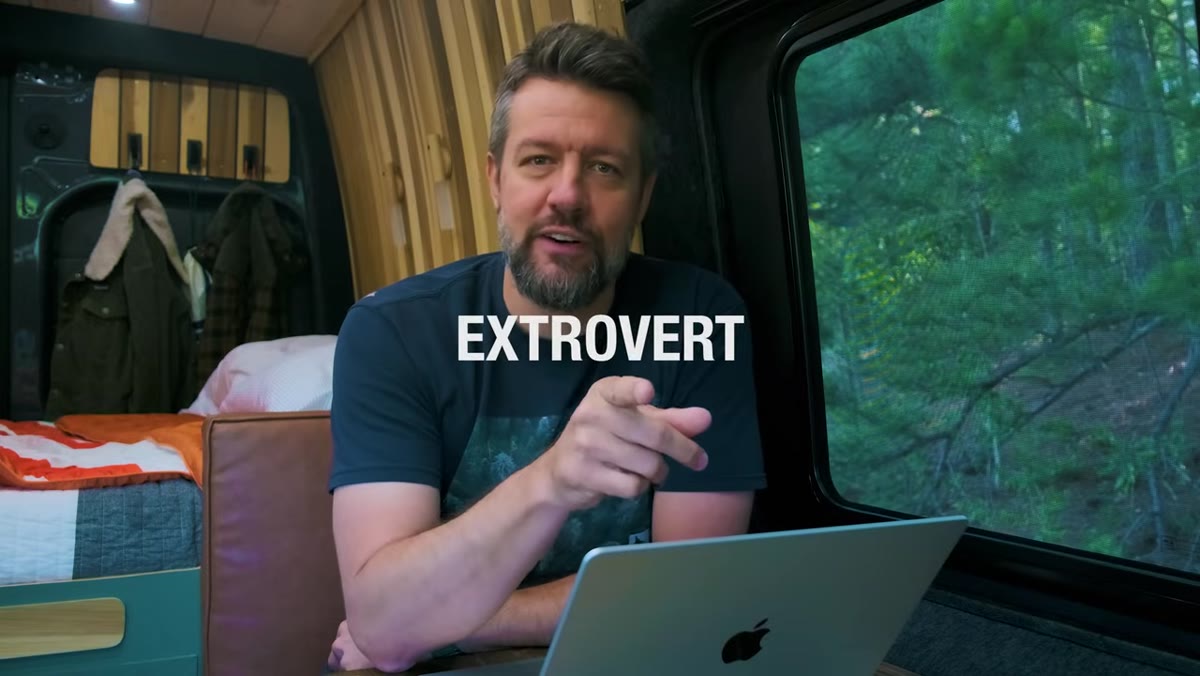 Mark describing the extrovert vs introvert question on camera
This step feels a little left-field, but it feeds directly into the personality framework later in the video. Ask yourself two simple questions: do you prefer working in a group or solo, and does your ideal weekend have a packed social calendar or zero plans? You don’t need a Myers-Briggs score here. Just a rough sense of where you fall on the spectrum. Mark is clear that this is theory, not peer-reviewed science, but it’s the kind of theory that lands because it matches what most photographers already sense about themselves and their work.
Mark describing the extrovert vs introvert question on camera
This step feels a little left-field, but it feeds directly into the personality framework later in the video. Ask yourself two simple questions: do you prefer working in a group or solo, and does your ideal weekend have a packed social calendar or zero plans? You don’t need a Myers-Briggs score here. Just a rough sense of where you fall on the spectrum. Mark is clear that this is theory, not peer-reviewed science, but it’s the kind of theory that lands because it matches what most photographers already sense about themselves and their work.
Step 3: Open the Library Module in Lightroom
 Lightroom Library module open on screen
Fire up Lightroom and head to the Library module. This is where your shooting history lives, and most photographers never dig into it beyond browsing photos. If you store your full archive on an external drive like Mark does, connect it before you start so you’re pulling from as large a sample as possible. The more photos included, the more accurate the picture of your actual shooting habits. A month of data can be skewed by a single project. A year or more starts to tell the real story.
Lightroom Library module open on screen
Fire up Lightroom and head to the Library module. This is where your shooting history lives, and most photographers never dig into it beyond browsing photos. If you store your full archive on an external drive like Mark does, connect it before you start so you’re pulling from as large a sample as possible. The more photos included, the more accurate the picture of your actual shooting habits. A month of data can be skewed by a single project. A year or more starts to tell the real story.
Step 4: Use the Backslash Key to Open the Library Filter
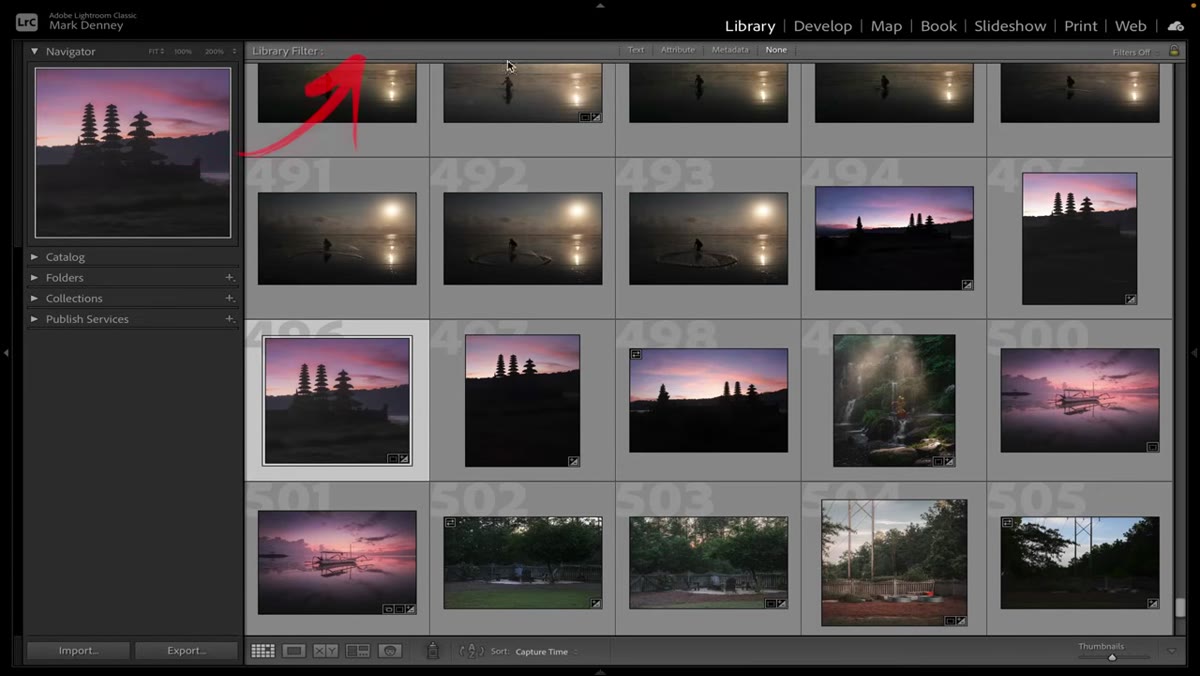 Library Filter bar dropping down after backslash shortcut
With the Library module open, press the backslash key ( \ ) on your keyboard. This toggles a filter bar at the top of the module. You’ll see options for Text, Attribute, Metadata, and None. You want Metadata. Click it. Lightroom will organize everything by date, camera body, and lens. Scroll through the lens column and look at the photo counts next to each one. The lens with the highest count is your most-used focal length, and it’s rarely what people expect.
Library Filter bar dropping down after backslash shortcut
With the Library module open, press the backslash key ( \ ) on your keyboard. This toggles a filter bar at the top of the module. You’ll see options for Text, Attribute, Metadata, and None. You want Metadata. Click it. Lightroom will organize everything by date, camera body, and lens. Scroll through the lens column and look at the photo counts next to each one. The lens with the highest count is your most-used focal length, and it’s rarely what people expect.
Step 5: Read What Your Dominant Focal Length Is Telling You
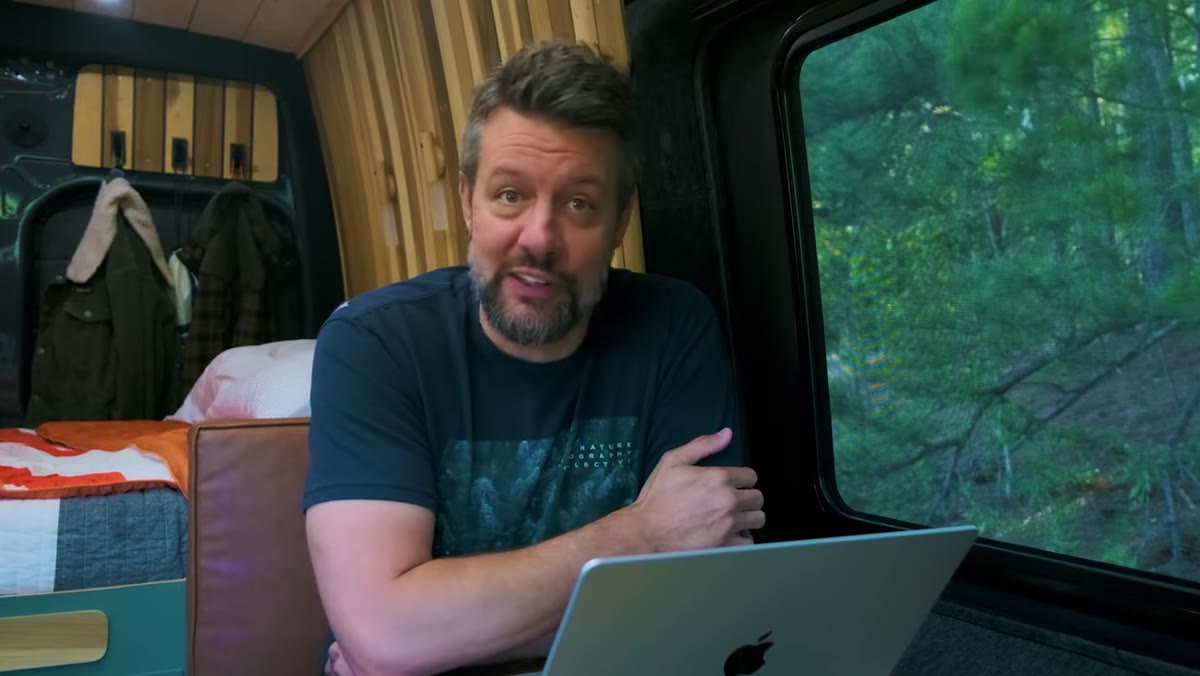 Metadata filter showing lens list with photo counts
Here’s where the personality layer kicks in. According to Mark’s framework, photographers who gravitate toward shorter focal lengths and wide-angle primes tend to want to capture the full story of a scene. They’re drawn to context, environment, and the relationship between subjects and their surroundings. Nothing gets left out. The viewer gets everything. This correlates loosely with extroverted tendencies: a desire to communicate broadly, to include rather than isolate.
Metadata filter showing lens list with photo counts
Here’s where the personality layer kicks in. According to Mark’s framework, photographers who gravitate toward shorter focal lengths and wide-angle primes tend to want to capture the full story of a scene. They’re drawn to context, environment, and the relationship between subjects and their surroundings. Nothing gets left out. The viewer gets everything. This correlates loosely with extroverted tendencies: a desire to communicate broadly, to include rather than isolate.
On the flip side, telephoto shooters tend to extract and compress. They’re drawn to a specific detail inside a larger scene, the thing most people would walk past. That selective, patient, observational approach matches more introverted thinking patterns. Mark sits firmly in that camp with his 100-400mm preference, and if you watch his landscape work, you can see it in every frame.
Step 6: Compare Your Gut Answer to the Data
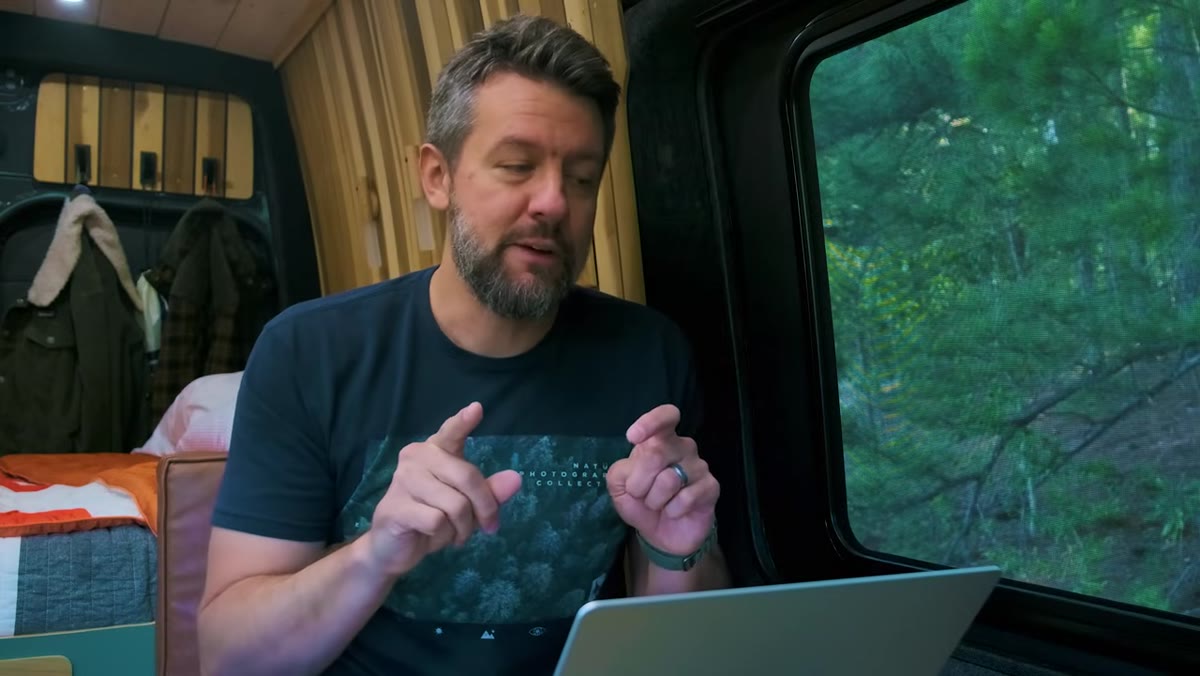 Mark explaining the difference between preferred and most-used lens
This is the step most tutorials skip, and it’s the most valuable one. Go back to your desert island answer from Step 1. Now look at your actual Lightroom data. Do they match? If your gut says wide angle but your data shows you’ve shot thousands of frames on a 70-200mm, that’s a signal worth sitting with. Maybe you own a wide prime you love but rarely use because your subjects don’t call for it. Maybe you’ve been telling yourself you’re a landscape photographer when your photo library is mostly candid street work. The data doesn’t judge, it just shows you what you’ve actually been doing.
Mark explaining the difference between preferred and most-used lens
This is the step most tutorials skip, and it’s the most valuable one. Go back to your desert island answer from Step 1. Now look at your actual Lightroom data. Do they match? If your gut says wide angle but your data shows you’ve shot thousands of frames on a 70-200mm, that’s a signal worth sitting with. Maybe you own a wide prime you love but rarely use because your subjects don’t call for it. Maybe you’ve been telling yourself you’re a landscape photographer when your photo library is mostly candid street work. The data doesn’t judge, it just shows you what you’ve actually been doing.
One Thing I’d Add From My Own Testing
The Lightroom metadata trick works best if your catalog is reasonably clean. I’ve run this on my own library and found that kit lens shots from when I first started shooting were inflating my wide-angle count significantly. Those early photos don’t reflect how I actually shoot now, they just reflect what lens came in the box. If your catalog goes back several years, consider filtering by date range first to get a more accurate picture of your current style rather than your beginner phase.
The personality framework is also worth applying before you buy your next lens rather than after. I’ve watched a lot of photographers, myself included, spend money on focal lengths they admire in other people’s work but never actually gravitate toward in the field. Knowing you’re a confirmed telephoto shooter before you drop money on an ultra-wide can save you a real amount of cash. And if you’re shopping on a budget, knowing your dominant focal length narrows the field down fast.
Your most-used lens is a mirror. It shows you not just what you’ve been photographing, but how your brain naturally frames and filters the world. Pull that Lightroom metadata, compare it to your instincts, and you’ll know yourself as a photographer better in five minutes than most people figure out in years of shooting.
Watch the full tutorial on YouTube to see Mark walk through the full framework, including the personality breakdowns for mid-range focal lengths that I didn’t cover here.
Comments
Leave a Comment