The Holy Trinity of Landscape Lenses: What Each Focal Length Actually Does for Your Story

The Holy Trinity of Landscape Lenses: What Each Focal Length Actually Does for Your Story

Every time I head into the mountains outside Denver for a shoot, I end up standing at a trailhead making the same decision: which lens stays in the bag. For years I defaulted to wide angle for everything outdoors because, honestly, that’s what the internet told me landscape photographers use. It wasn’t until I started paying closer attention to why certain focal lengths work in certain situations that my compositions actually improved.

Stop Asking Which Lens Is Best for Landscape Photography (Here's What to Ask Instead)

Stop Asking Which Lens Is Best for Landscape Photography (Here's What to Ask Instead)

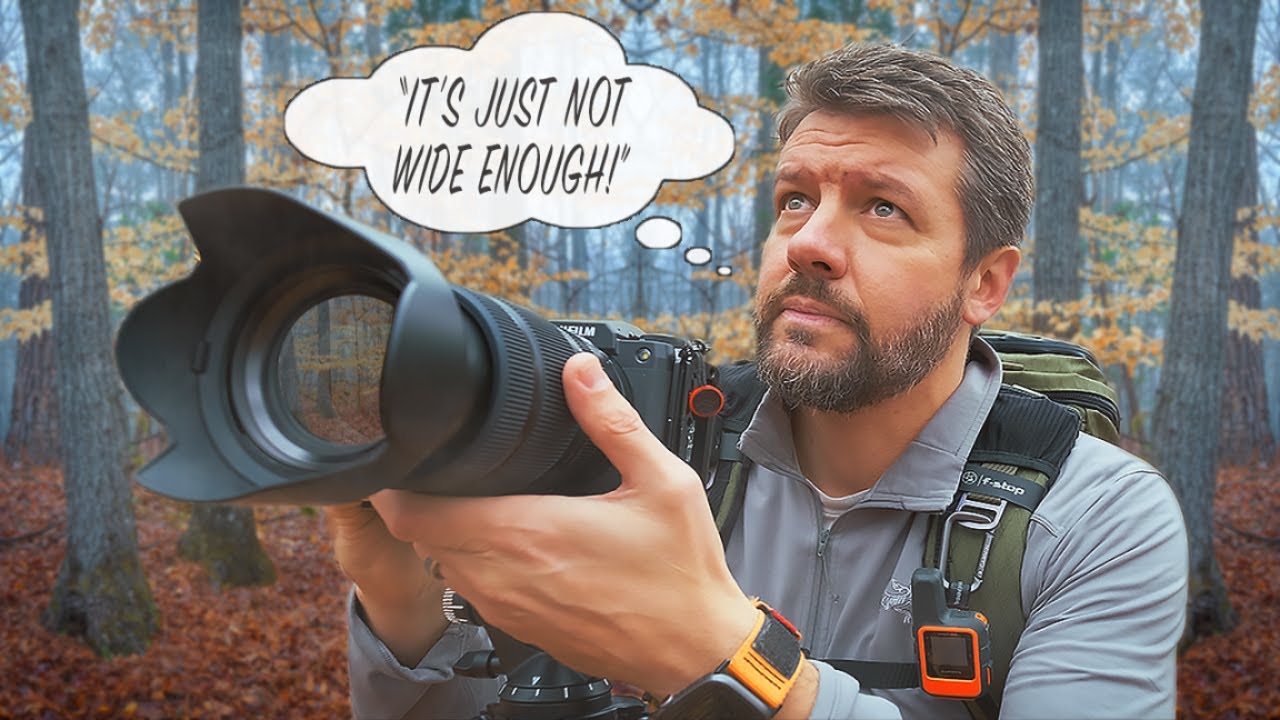
Every few weeks I get a version of the same question in my inbox: “Tyler, I have $X saved up — which lens should I buy for landscapes?” I used to give a confident answer. Wide angle, obviously. Get the 16-35 and you’re set. Then I watched Thomas Heaton basically call out people like me for contributing to the noise. He’s right, and it stung a little. In this Thomas Heaton tutorial, he works through the single most common landscape photography question on YouTube and lands on an answer that’s genuinely more useful than the confident hot takes most of us dish out.

How to Actually Choose Your Next Lens (Without Getting Lost in Gear Lust)

How to Actually Choose Your Next Lens (Without Getting Lost in Gear Lust)

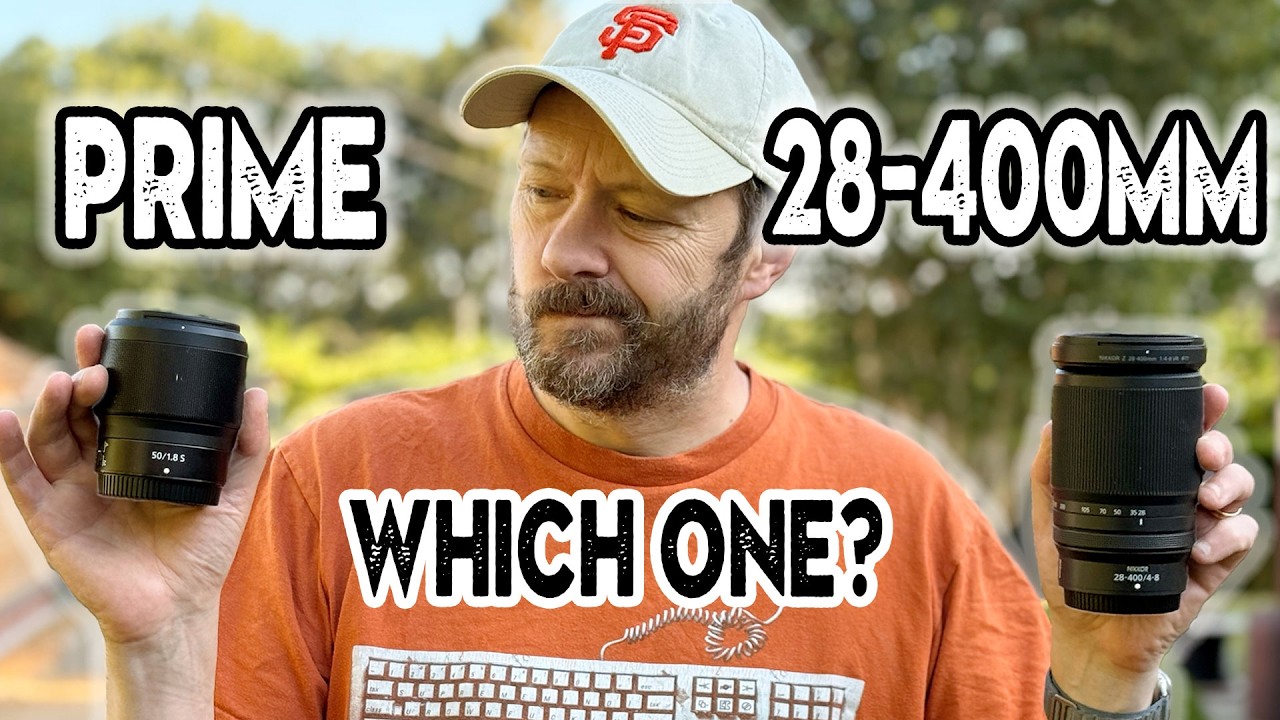
I spent an embarrassing amount of time last year researching lenses I couldn’t afford instead of actually shooting with the ones I had. Sound familiar? The problem isn’t that there’s too little information out there. It’s that most of it is written by people who are trying to sell you on a specific lens rather than help you figure out which one actually fits your situation. In this Peter McKinnon tutorial, he cuts through the noise with a deceptively simple framework that I wish someone had handed me when I was first building out my kit.

What 7 Focal Lengths Actually Do to Your Photos (A Side-by-Side Breakdown)

What 7 Focal Lengths Actually Do to Your Photos (A Side-by-Side Breakdown)

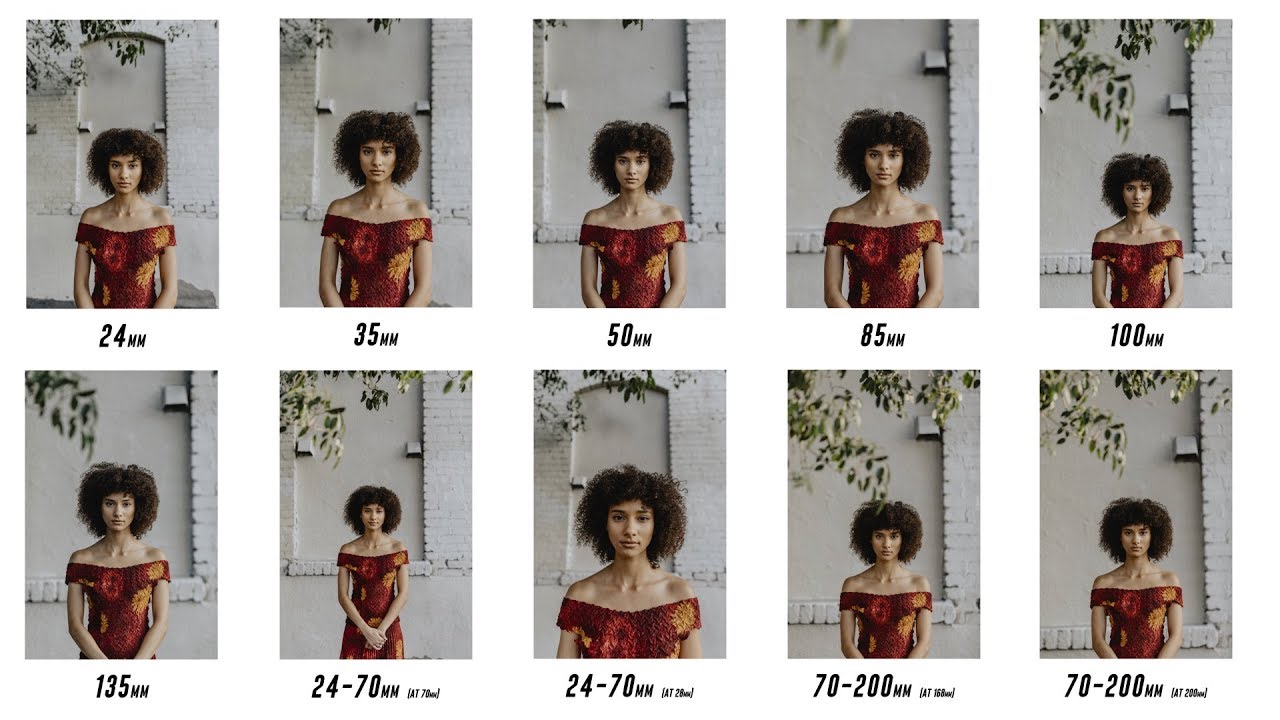
Every time I’m about to buy a lens, I open a spreadsheet. I know how that sounds. But when you’ve tested as many budget lenses as I have, you stop trusting marketing copy and start trusting data. The problem is that most lens comparisons focus on sharpness charts and bokeh rendering, and they skip the one thing that actually changes how your photos feel - how focal length reshapes the relationship between your subject and the background.

How Different Focal Lengths Actually Change Your Shot (A Visual Breakdown)

How Different Focal Lengths Actually Change Your Shot (A Visual Breakdown)

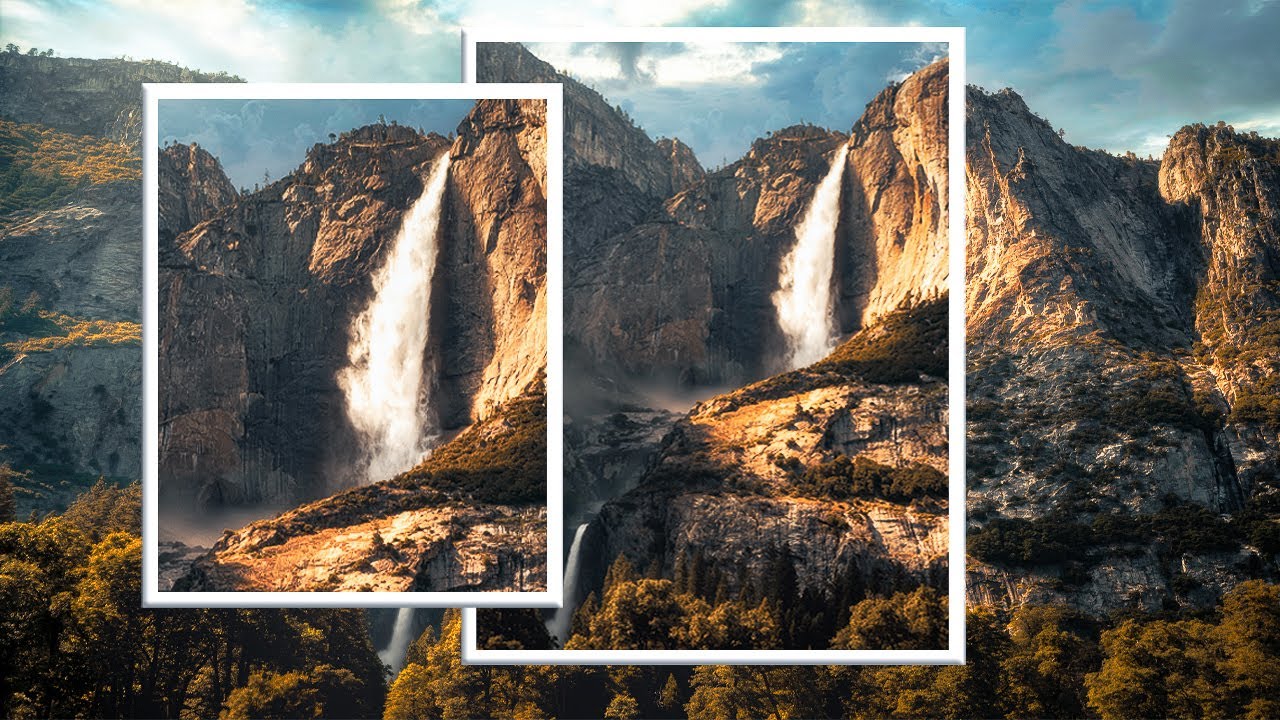
Most photographers buy lenses based on specs and reviews. I used to do the same thing, cross-referencing MTF charts and pixel-peeping sample images before I’d even thought about what I actually needed the lens to do. What changed my thinking wasn’t a spec sheet. It was watching a photographer stand in the same spot and shoot the same scene across a full range of focal lengths, from ultra-wide to 400mm telephoto, so you could see exactly how the image transforms with each swap.

What Shooting Street With the Sigma 65mm F/2 Actually Teaches You About Focal Length Gaps

What Shooting Street With the Sigma 65mm F/2 Actually Teaches You About Focal Length Gaps

There’s a gap in most photographers’ kits that nobody talks about until they’re standing on a street corner wishing they had something between their 35mm and their 85mm. I’ve been there more times than I want to admit. My spreadsheet of tested lenses has columns for focal length, max aperture, price per millimeter of reach (yes, really), and “gap filler” potential. The 65mm focal length almost never shows up in that spreadsheet, because most manufacturers skip it entirely.

35mm vs 20mm vs 24mm: A Real Shooter's Guide to Picking Your One Lens

35mm vs 20mm vs 24mm: A Real Shooter's Guide to Picking Your One Lens

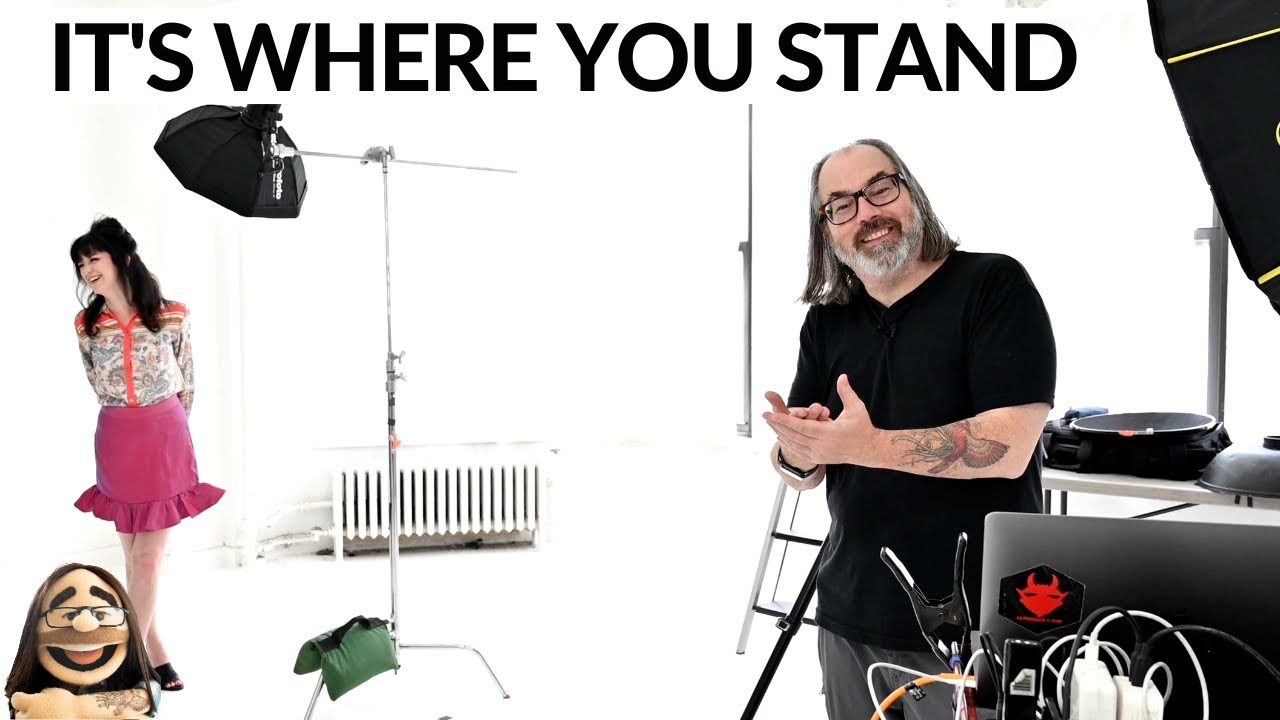
One question shows up in every photography forum, every beginner Facebook group, every comment section I’ve ever been in: “Which lens should I buy first?” I’ve answered it so many times I basically have a copy-paste response saved. But the honest answer isn’t a product recommendation. It’s a process. And watching Pierre T. Lambert work through exactly this question on a Chicago rooftop shoot helped me articulate that process better than I ever had before.

What a $13,000 Lens Actually Teaches You (Even If You'll Never Own One)

What a $13,000 Lens Actually Teaches You (Even If You'll Never Own One)

I spend most of my time telling people they don’t need expensive gear. That’s not a bit or a brand position. I genuinely believe it. I shot a wedding on a $300 kit that ended up in print, and I’ve run blind tests where nobody could pick the $2,000 camera from the $500 one. So when I came across a tutorial where someone rents a $13,000 Canon 600mm telephoto just to chase dolphins in Malibu, my first instinct was to roll my eyes.

What Focal Length Actually Does to a Face (And Why Your Kit Lens Is Lying to You)

What Focal Length Actually Does to a Face (And Why Your Kit Lens Is Lying to You)

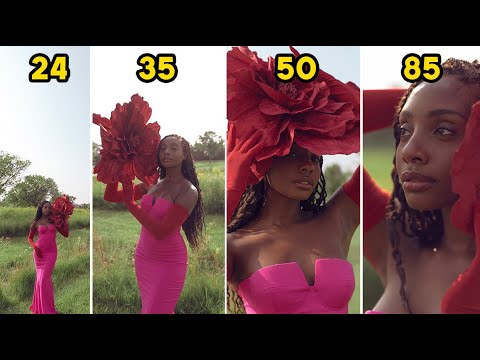
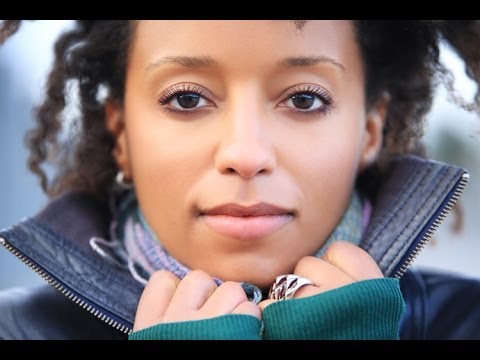
I spent a long time convinced that bad portraits were a lighting problem. I’d move the softbox, try a reflector, mess with the angle, and still get shots that felt slightly off. Faces looked a little bloated, or the background felt weirdly compressed, or the whole image just didn’t match what I was seeing with my own eyes. The real culprit, most of the time, was the lens I was standing behind and how far away I was from the subject.