Sony E-Mount Lens Shopping Guide: Don't Let Price Tags Fool You

Sony E-Mount Lens Shopping Guide: Don't Let Price Tags Fool You

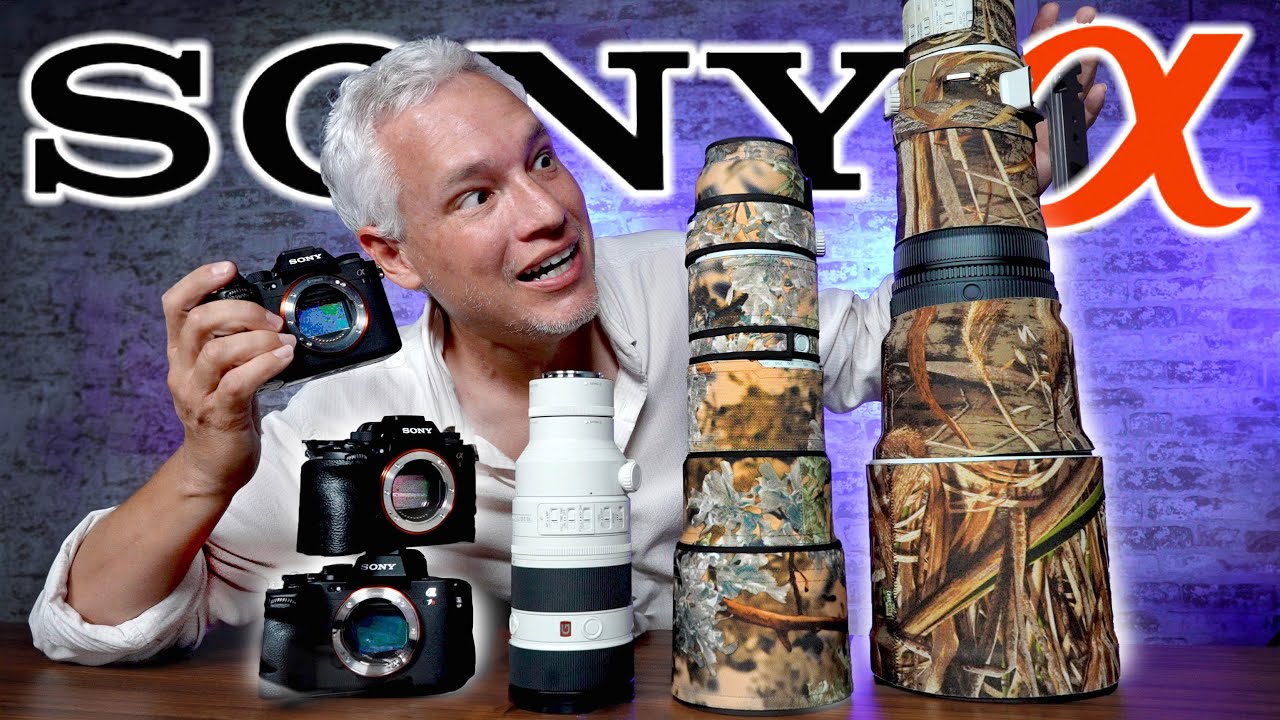
The Sony E-Mount Paradox Sony’s full-frame E-mount ecosystem has exploded into one of the most confusing lineups in modern photography. You’ve got everything from budget-friendly primes hovering around the $300 mark all the way up to exotic telephotos that’ll drain your bank account past $10,000. On paper, it sounds fantastic—choice is good, right? Here’s the problem: massive overlap. Walk through Sony’s focal length offerings and you’ll quickly realize that multiple lenses cover nearly identical ground.

Sony's Premium Camera Gamble Is Actually Paying Off—Here's What It Means for Your Wallet

Sony's Premium Camera Gamble Is Actually Paying Off—Here's What It Means for Your Wallet

Sony’s Quiet Shift Away From Budget Competition I’ve been watching Sony’s camera lineup evolve over the past couple of years, and there’s something interesting happening that doesn’t get talked about enough: Sony is systematically abandoning the race to the bottom. Their recent flagships—the A7 V, A7R VI, and others—aren’t just iterative upgrades. They’re genuinely feature-packed cameras with equally substantial price tags to match. And here’s the kicker: it’s actually working for them, even while the rest of the industry is getting hammered by supply chain issues.

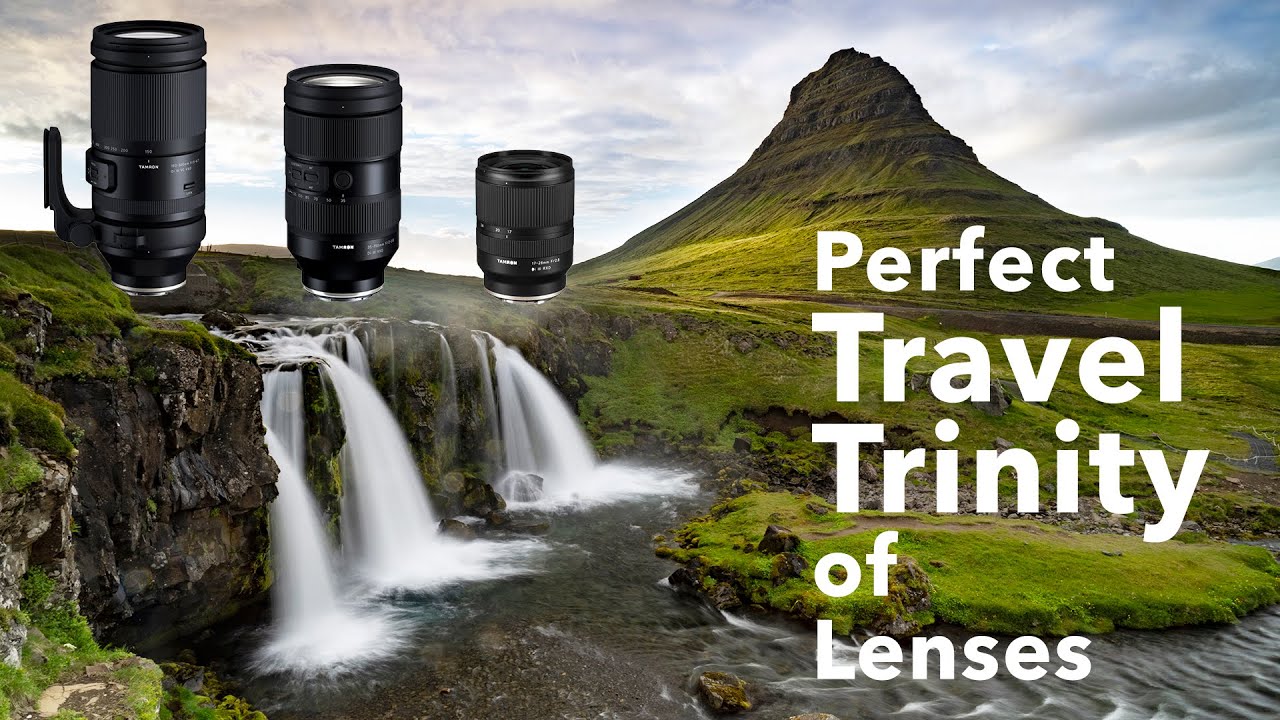
The Travel Trinity: How a Pro Chooses Just 3 Lenses for Iceland (And What I Learned From It)

The Travel Trinity: How a Pro Chooses Just 3 Lenses for Iceland (And What I Learned From It)

I have a bad habit that probably sounds familiar. Before any trip, I spend more time researching what gear to bring than I do actually planning the shoot. I’ve got a spreadsheet with 47 lenses on it, sorted by focal length, price, and sharpness score, and every time I pack a bag I open it up and second-guess myself. So when I came across Jay P. Morgan’s recent tutorial from The Slanted Lens, shot entirely in Iceland, it hit differently than the usual gear video.

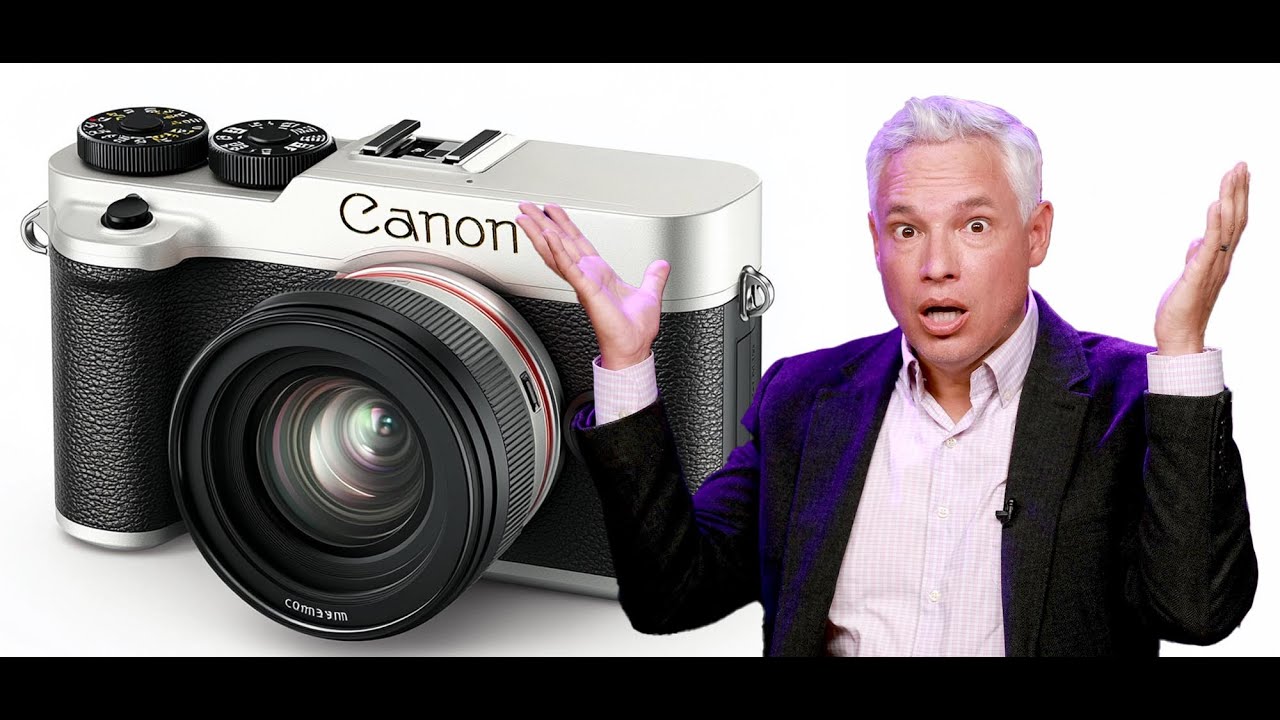
Canon's Retro Camera Leak, Sony's 400mm Upgrade, and Why AI Fake Influencers Should Scare You

Canon's Retro Camera Leak, Sony's 400mm Upgrade, and Why AI Fake Influencers Should Scare You

I try to stay skeptical of gear rumors. I have a spreadsheet. I check deal alerts every morning before I’ve even made coffee. And I’ve learned the hard way that “leaked” often means “someone’s wishful thinking dressed up as a press release.” But when Tony and Chelsea Northrup drop a breakdown of multiple simultaneous leaks from Canon, Sony, and OM System in the same video, that’s worth slowing down for. The sourcing is tighter than most rumor sites, and the analysis cuts through the hype in ways I actually find useful when I’m deciding what to watch for deals-wise.

E-Mount Lens Deals on Sigma and Voigtländer: Real Value or Just Marketing?

E-Mount Lens Deals on Sigma and Voigtländer: Real Value or Just Marketing?

E-Mount Lens Deals on Sigma and Voigtländer: Real Value or Just Marketing? Look, I’m going to be straight with you: E-mount’s third-party lens ecosystem is genuinely one of the best things that’s happened to affordable mirrorless photography. Sony’s native lenses are solid, but they’ll drain your wallet fast. That’s where Sigma and Voigtländer come in—and right now, both brands are running discounts that are worth paying attention to. Why This Matters E-mount adoption exploded because Sony made a smart decision: they let third parties build for their system.

This Week in Gear: New Olympus Cameras, Sony's Mystery Telephotos, and Leica Bargains

This Week in Gear: New Olympus Cameras, Sony's Mystery Telephotos, and Leica Bargains

This Week in Gear: New Olympus Cameras, Sony’s Mystery Telephotos, and Leica Bargains There’s something I’ve been thinking about a lot lately, and it hit me while scrolling through this week’s gear announcements: we’ve become obsessed with the next shiny thing while ignoring what we already own. Olympus Reminds Us Why Compact Systems Matter Olympus just dropped a new PEN camera, and honestly, it’s worth paying attention to—not because it’s revolutionary, but because the company keeps pushing a philosophy I actually respect.

Sony Wildlife Photography Gear: What Actually Matters (And What to Skip)

Sony Wildlife Photography Gear: What Actually Matters (And What to Skip)

Wildlife photography is the one genre where I can’t tell you gear doesn’t matter. I’ve spent years arguing that a $500 camera can do most of what a $2,000 camera can do, and I stand by that for portraits, street work, and even landscapes. But when you’re tracking a bird of prey at 400mm while it banks hard left, your autofocus system and viewfinder refresh rate are not abstractions. They are the difference between a keeper and a blur.

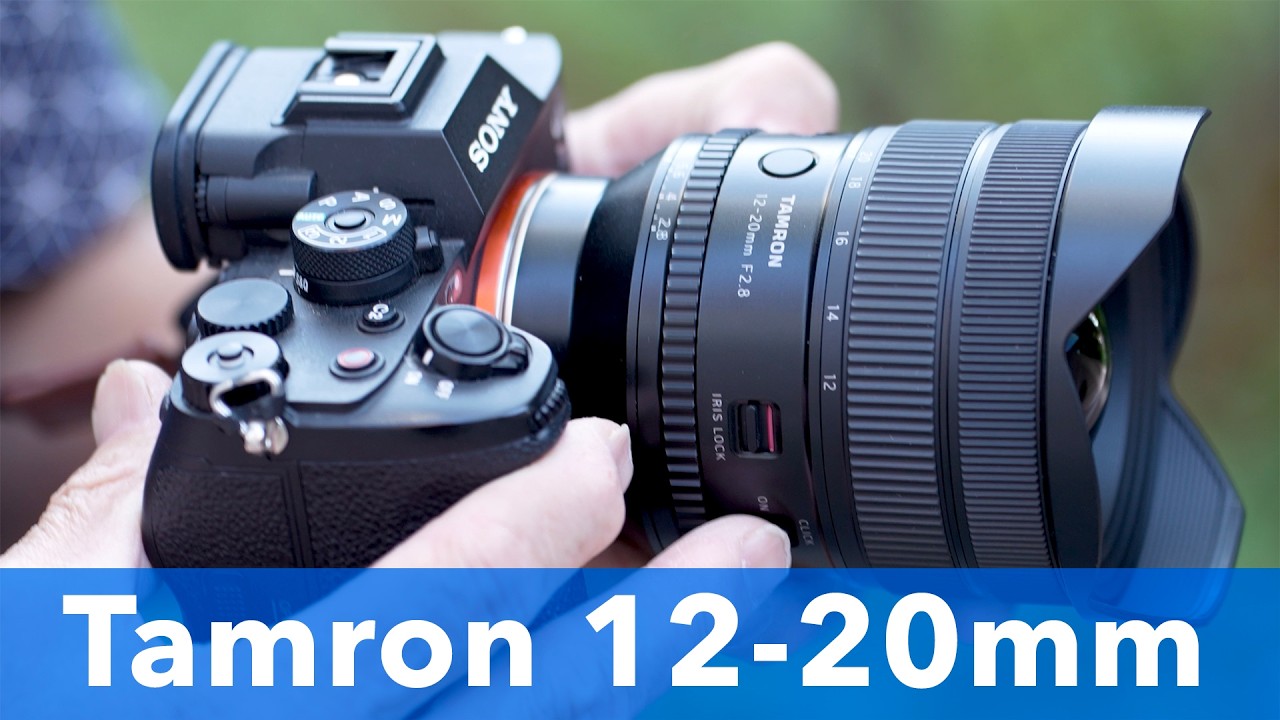
Tamron's 12-20mm f/2.8 Is the Wide-Angle Zoom I've Been Waiting For (And It Won't Break You)

Tamron's 12-20mm f/2.8 Is the Wide-Angle Zoom I've Been Waiting For (And It Won't Break You)

Every time I start pricing out ultra-wide lenses for a landscape or astro shoot, I end up closing seventeen browser tabs in frustration. The options under $1,000 are either optically soft, plasticky, or so stripped of controls that you’re basically buying a fixed aperture kit lens with a fancy name. The options over $1,000 are great, obviously, but spending that kind of money on a specialty focal length that lives in your bag for maybe 20% of your shoots is a hard sell when you’re trying to run a lean kit.

Sony vs. Fuji APS-C Lenses: Which System Actually Delivers Sharper Images?

Sony vs. Fuji APS-C Lenses: Which System Actually Delivers Sharper Images?

Most camera debates stop at the body. People obsess over sensor specs, button layouts, and which brand has the better JPEG rendering, but they never stop to ask: what does the glass actually do to your image? I’ve been down that rabbit hole more times than I can count, and it’s the lens lineup that usually makes or breaks a system decision for me. When I’m helping someone pick their first mirrorless kit, the body is almost secondary to whether that ecosystem can deliver sharp, usable images across a range of focal lengths without demanding a second mortgage.

What a Pro Photographer Would Actually Buy Starting From Zero in 2025 (And What That Means for the Rest of Us)

What a Pro Photographer Would Actually Buy Starting From Zero in 2025 (And What That Means for the Rest of Us)

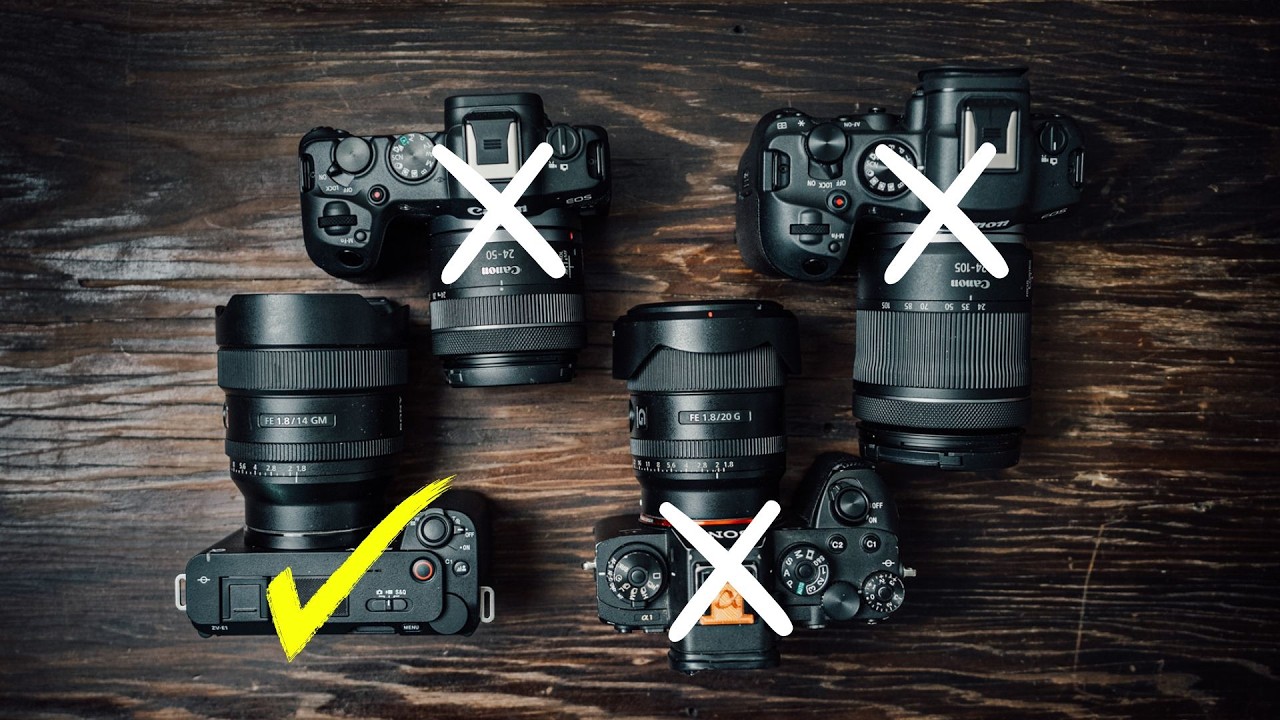
There’s a specific kind of gear fatigue that hits when your bag weighs more than your motivation to go shoot. I’ve been there, except in my case it was a backpack full of budget lenses I was testing simultaneously, not Sony GM glass. But the underlying problem is the same: too much stuff, not enough intentionality. That’s what made me stop and pay close attention when Pierre T. Lambert – a working professional travel photographer – sat down in Thailand and asked himself what he’d actually buy if he had to sell everything and start over.

Sony's RX10 V Shows Why Bridge Cameras Still Matter in 2024

Sony's RX10 V Shows Why Bridge Cameras Still Matter in 2024

Sony’s RX10 V Arrives, and It’s Actually Worth Your Attention Let me be straight with you: bridge cameras don’t get the respect they deserve. Everyone’s obsessed with full-frame this and mirrorless that, but Sony just dropped the RX10 V, and it’s a reminder that sometimes the boring choice is the smart choice. I’ve spent enough time with bridge cameras to know their biggest weakness isn’t performance—it’s perception. Photographers treat them like the compromise camera, the thing you buy when you can’t afford “real gear.

10 Best Mirrorless Camera Deals Right Now—And Why Summer's Actually Perfect for Buying

10 Best Mirrorless Camera Deals Right Now—And Why Summer's Actually Perfect for Buying

10 Best Mirrorless Camera Deals Right Now—And Why Summer’s Actually Perfect for Buying Look, I’ll be straight with you: summer isn’t typically when camera manufacturers drop bombshell announcements. But here’s what most gear websites won’t tell you—that’s exactly why now is one of the best times to actually buy a camera. Retailers are clearing inventory. Manufacturers are making room for fall releases. And we’re seeing legitimate discounts on genuinely excellent cameras, not just the usual “10% off” nonsense.