Stop Buying Lenses You'll Never Use: A Landscape Photographer's Buying Guide

Stop Buying Lenses You'll Never Use: A Landscape Photographer's Buying Guide

The single most expensive mistake I see newer landscape photographers make isn’t buying a bad lens. It’s buying six decent lenses when two great ones would have done the job. I’ve watched people drop two grand spread across a half-dozen focal lengths, only to shoot 90% of their images with the same two glass options every single time. I know this pattern well because I’ve tracked it obsessively in a spreadsheet I started years ago, and the data is embarrassingly consistent.
Nikon 14-30mm f/4 vs 14-24mm f/2.8: Is Half the Price Half the Lens?

Nikon 14-30mm f/4 vs 14-24mm f/2.8: Is Half the Price Half the Lens?

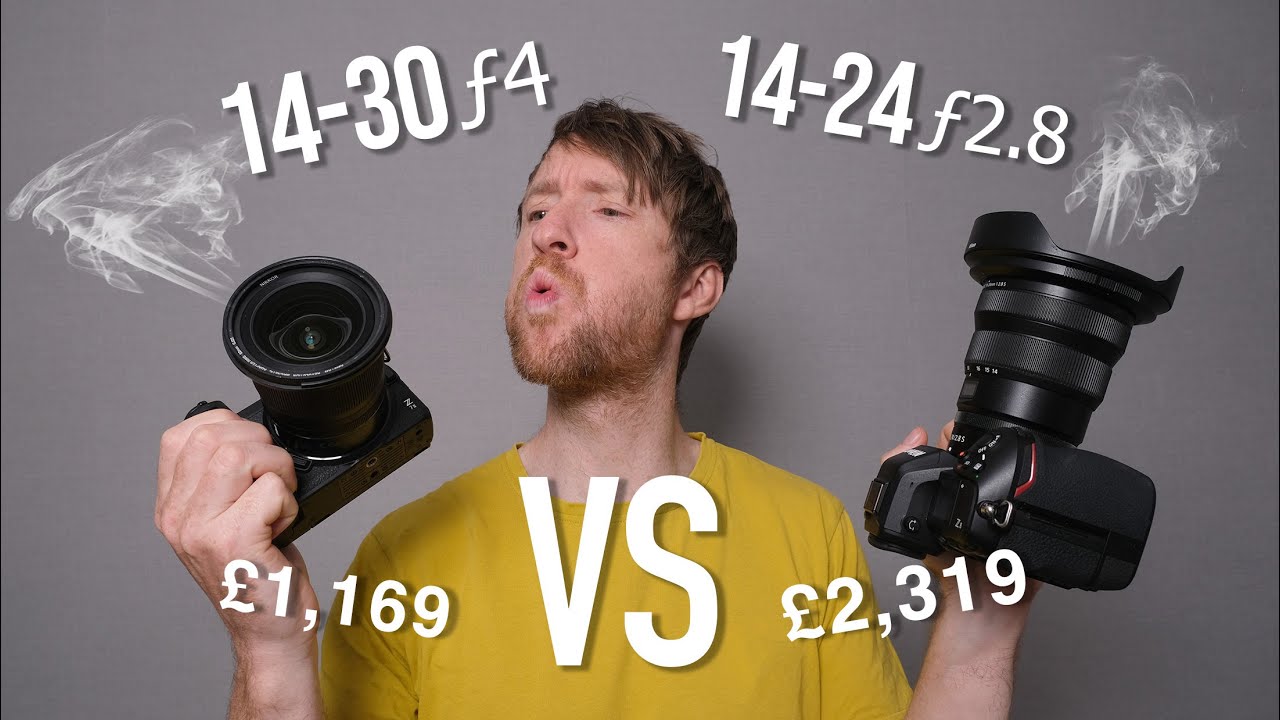
The question I get more than almost any other from landscape photographers is some version of: “Do I really need the expensive one?” Usually I’m the guy screaming “no” from the rooftops. I built this whole corner of the internet on proving that cheaper gear gets the job done. But wide-angle lenses are one of those categories where I’ve had to eat my words more than once, because the image quality gap between budget and premium glass at the ultra-wide end is real in ways it simply isn’t with, say, a nifty fifty.

I Caught Aurora and a Meteor in One Shot—With a $300 Lens

I Caught Aurora and a Meteor in One Shot—With a $300 Lens

When Budget Gear Outperforms Expectations I’ll be honest—I didn’t expect much when I packed my Laowa 9mm f/2.8 Zero-D for a Northern Lights expedition last week. At under $300 on the used market, it’s practically the forgotten stepchild of ultra-wide astrophotography lenses. Yet somehow, I managed to capture both the Aurora Borealis and a Perseid meteor streaking across the frame in the same shot. Not bad for “cheap” glass. This experience reinforces something I’ve been preaching for years: you don’t need a $2,000+ lens to produce world-class astrophotography.

Why Your Wide Angle Shots Look Flat (And the Field Fix That Actually Works)

Why Your Wide Angle Shots Look Flat (And the Field Fix That Actually Works)

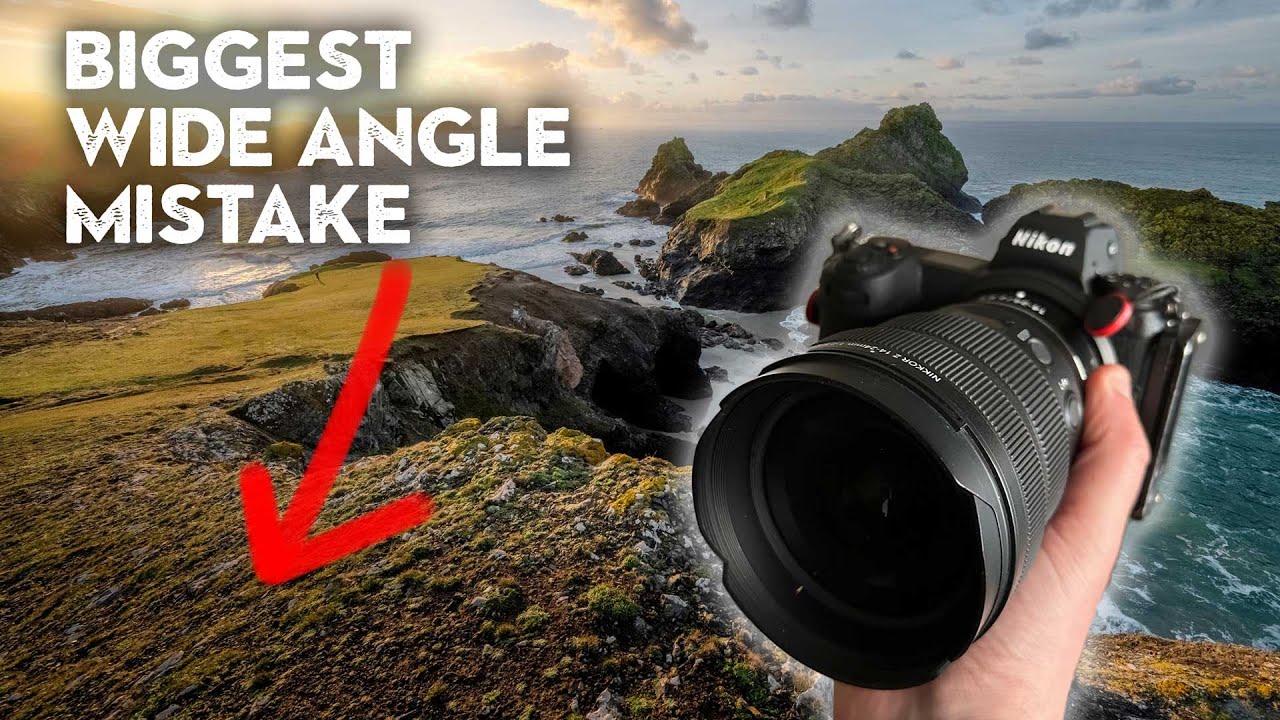
I used to blame my wide angle lens every time a shot came back looking empty and lifeless. The foreground was boring, the subject felt distant, and the whole image had that stretched-out, “nothing going on here” quality that kills otherwise great light. I spent months thinking I needed a sharper, more expensive optic. Turns out the glass wasn’t the problem. My approach to using it was. In this Nigel Danson tutorial, he heads out to Gannet’s Cove at sunrise with his camera and a very honest field report, including what happens when you go the wrong direction and arrive fifteen minutes late to your own location.