Tamron 24-70 f/2.8 vs Nikon 24-70 f/2.8: The $600 Question Every Nikon Shooter Needs to Answer

Tamron 24-70 f/2.8 vs Nikon 24-70 f/2.8: The $600 Question Every Nikon Shooter Needs to Answer

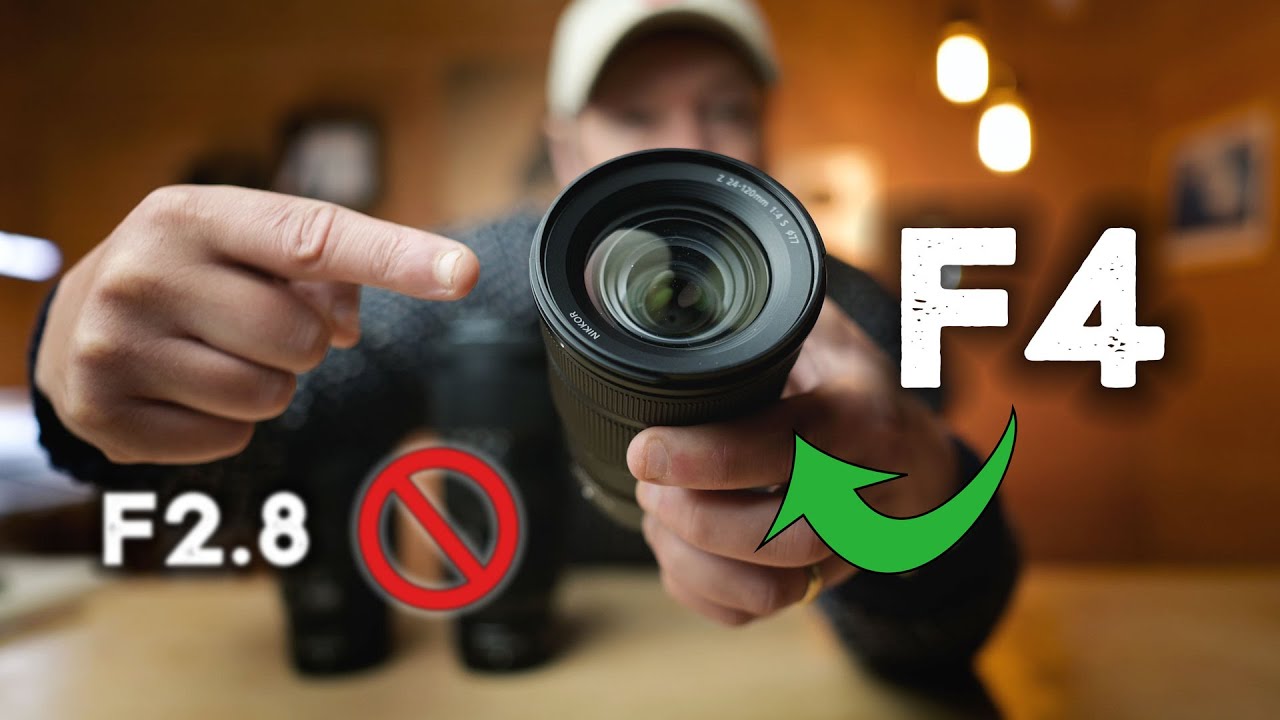
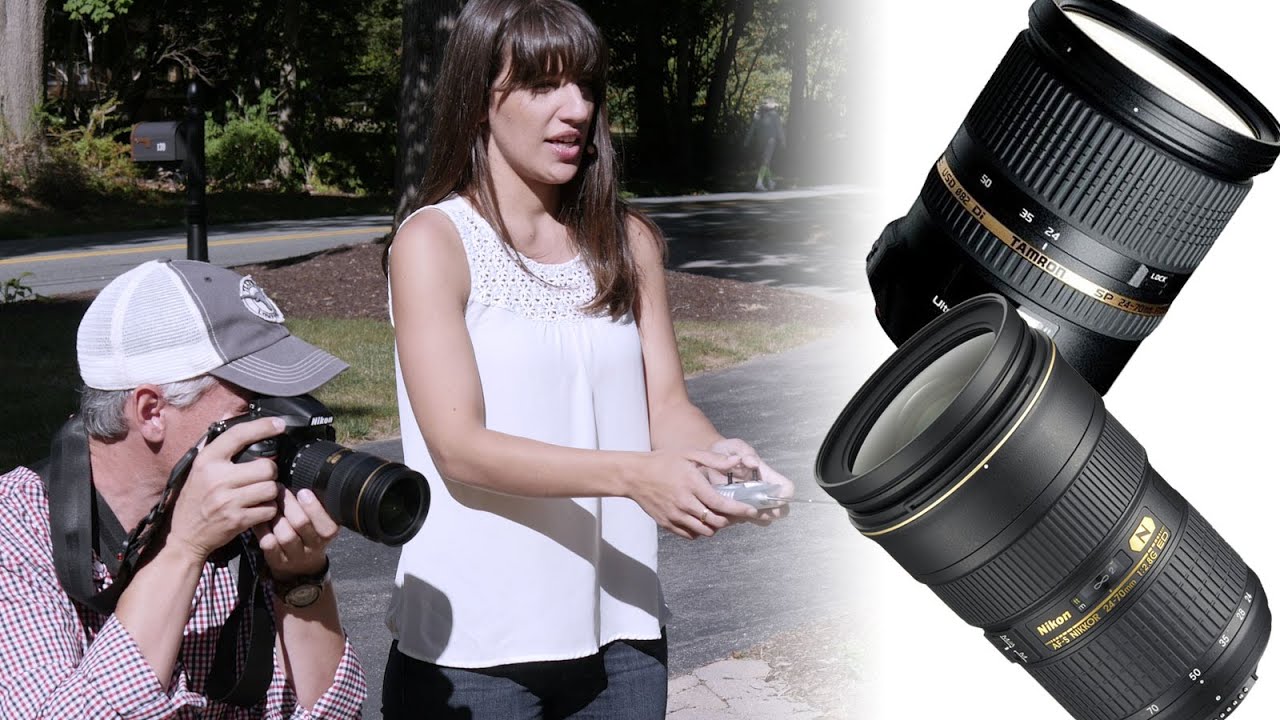
Every time I put together a lens buying guide, someone in the comments asks some version of the same question: “Is the name-brand version actually worth the premium, or am I just paying for the logo?” With standard zooms, that question hits hardest in the 24-70 f/2.8 range, because these are working lenses. Photographers buy them to shoot weddings, events, portraits, travel – the stuff that actually pays or matters. The price gap between the Nikon and Tamron versions of this focal range sits around $600 at most price points, which is not rounding error money.

Two Lenses, One Year of World Travel: What Pierre T. Lambert Got Right (And What I'd Do Differently)

Two Lenses, One Year of World Travel: What Pierre T. Lambert Got Right (And What I'd Do Differently)

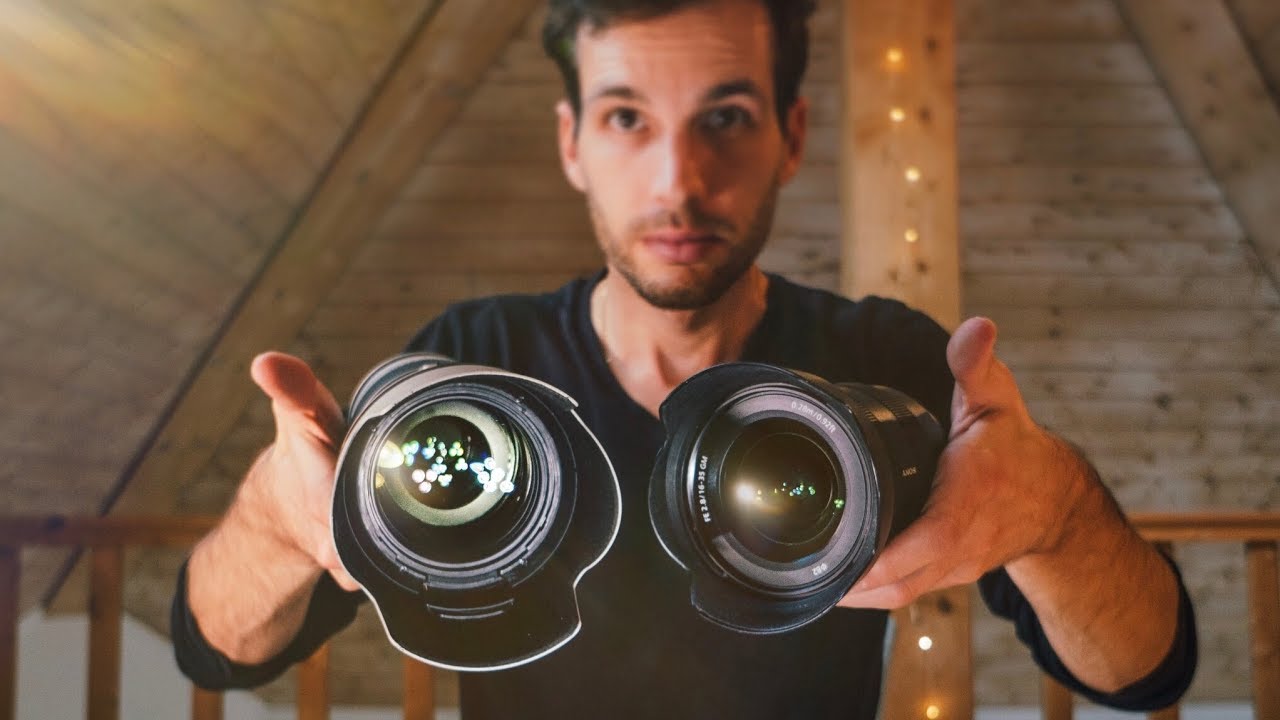
There’s a question I get more than any other: “What lenses should I actually carry?” Not what’s on the spec sheet. Not what a camera store employee suggests because it moves margin. What actually works when you’re out in the field trying to cover a wide range of subjects without blowing your back out or your budget. In this Pierre T. Lambert tutorial, he answers that question from a very specific and useful vantage point: a full year of shooting around the world, covering landscape, portrait, street, and lifestyle work with just two lenses.

Zoom Lenses Aren't a Compromise - They're a Professional Choice

Zoom Lenses Aren't a Compromise - They're a Professional Choice

I spent an embarrassing amount of time in my early years convinced that shooting primes was the mark of a serious photographer. I’ve got a spreadsheet with every budget lens I’ve tested, and for a long time the prime column had a halo around it. Then reality started poking holes in that logic every time I actually went out to shoot. The gear that looks best in a spec comparison doesn’t always win when you’re moving around a subject, changing compositions on the fly, or just trying to get the shot before the light changes.

How to Shoot Scotland Like a Pro With One Lens and No Camera Bag

How to Shoot Scotland Like a Pro With One Lens and No Camera Bag

If you shoot landscapes, you’ve probably had this argument with yourself: pack light and move fast, or haul the full kit and get the shot. I’ve landed on the “pack light” side more times than I can count, mostly because I’ve seen what happens when fatigue kills creativity. Carrying three lenses and a full bag up a steep trail means you’re thinking about your back, not the light. That tension is exactly what makes this Nigel Danson tutorial so worth your time.

The Holy Trinity of Lenses: Why Three Zooms Beat a Bag Full of Primes

The Holy Trinity of Lenses: Why Three Zooms Beat a Bag Full of Primes

I used to approach lens buying the same way I approached buying tripods – impulsively, one at a time, without a system. I’d grab whatever seemed like the best deal that week, end up with overlapping focal lengths, and still find myself in situations where I didn’t have the right tool for the shot. It took me an embarrassingly long time to realize the problem wasn’t my budget. It was that I had no framework for building a kit that actually covered everything.

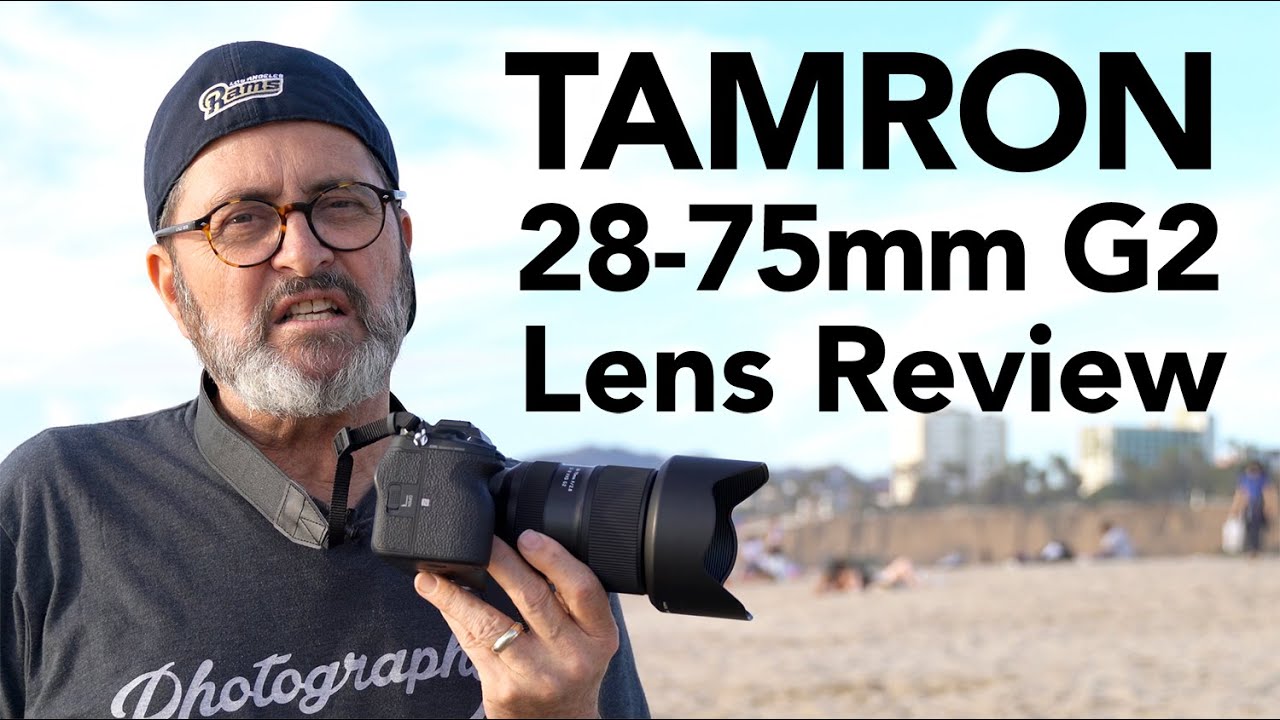
The Tamron 28-75mm f/2.8 G2 Is the Lens I'd Buy If I Had to Start Over

The Tamron 28-75mm f/2.8 G2 Is the Lens I'd Buy If I Had to Start Over

The hardest question I get from readers is some version of: “I have $800 to spend on a lens, what do I actually buy?” Not “what’s the best lens money can buy,” but what delivers the most usable image quality for real shooting situations without burning through your whole budget. That question used to take me 20 minutes to answer. Now I send them one link. In this The Slanted Lens tutorial, Jay P.

Why a High-Zoom All-in-One Lens Might Be the Smartest Landscape Purchase You Make This Year

Why a High-Zoom All-in-One Lens Might Be the Smartest Landscape Purchase You Make This Year

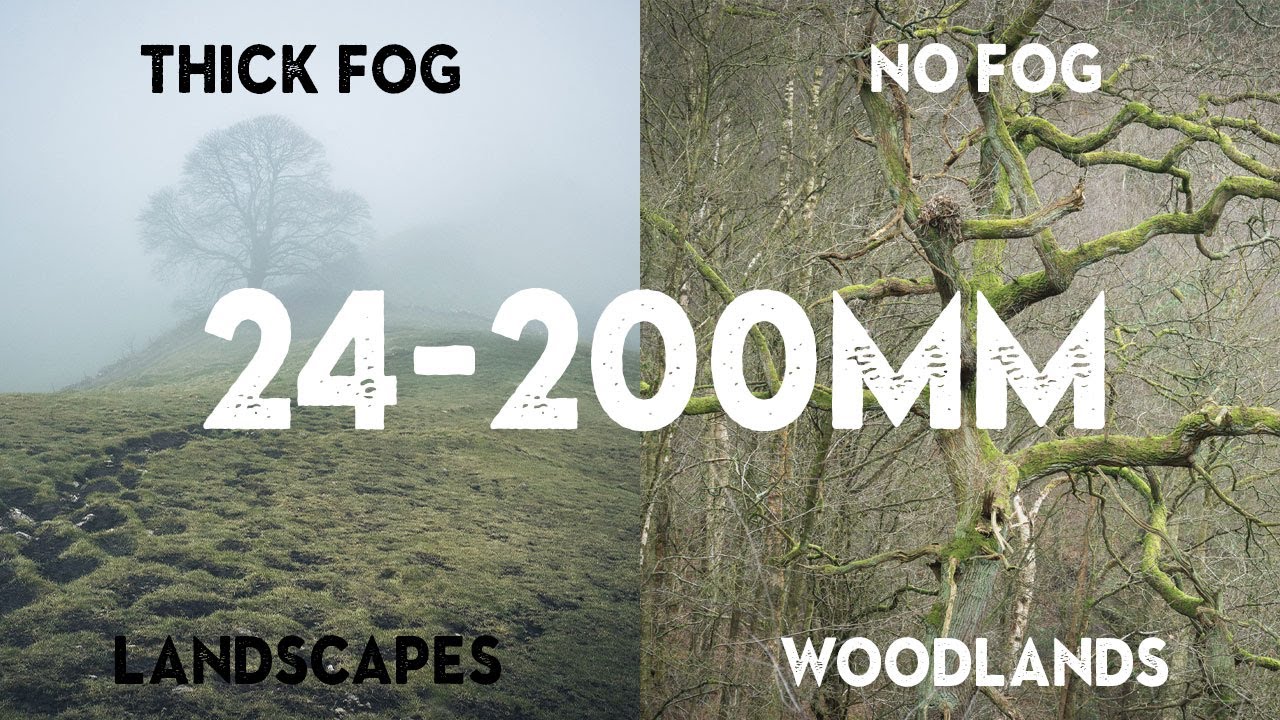
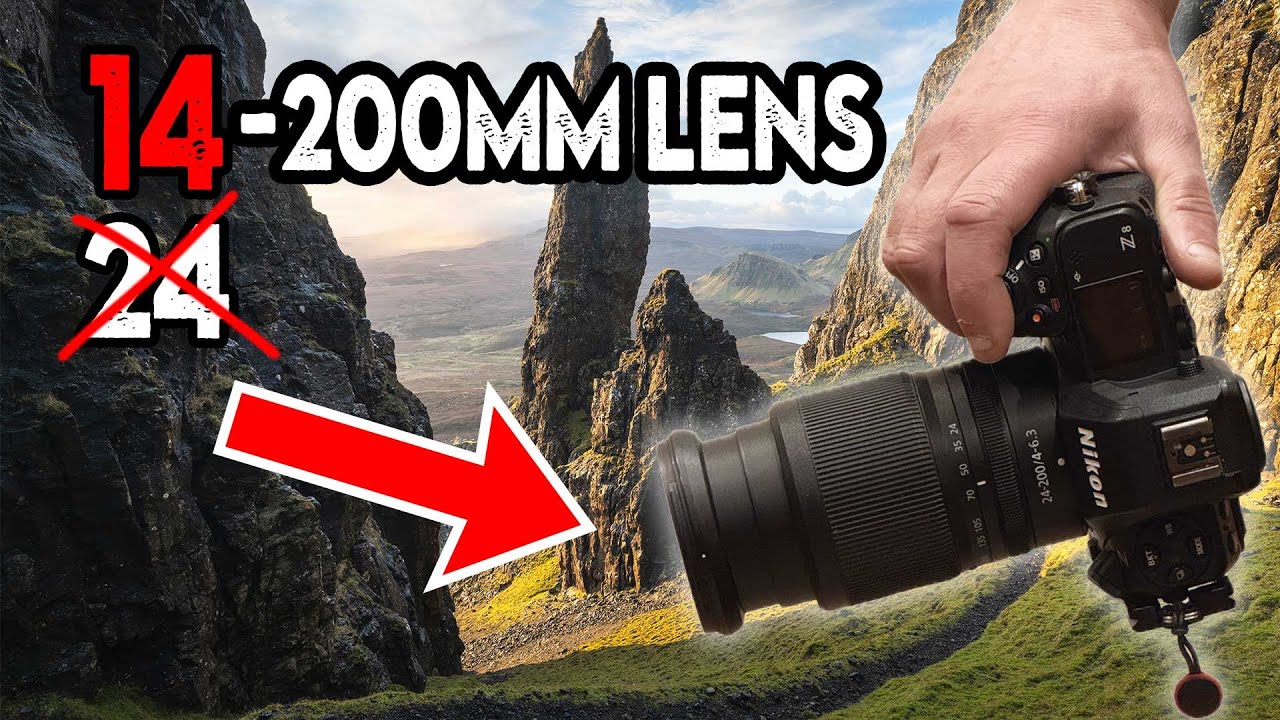
I have a spreadsheet with 47 lenses on it. I have bought, borrowed, and stress-tested more budget glass than most photographers will touch in a lifetime. And the question I keep coming back to is never “which lens is sharpest?” It’s always “which lens are you actually going to bring?” That distinction matters more than any MTF chart, and it’s exactly what pushed me to pay close attention when Nigel Danson made his case for adding a 24-200mm all-in-one zoom to his landscape kit.

Two Lenses, Zero Regrets: What Mark Denney's Gear Purge Taught Me About Shooting Smarter

Two Lenses, Zero Regrets: What Mark Denney's Gear Purge Taught Me About Shooting Smarter

I’ve tracked lens prices on spreadsheets longer than most people track their finances, and the question I field more than any other is still: “Which lens should I get for landscapes?” It’s the kind of question that sounds simple but hides a real trap. Ask ten photographers and you’ll get ten different answers, most of them shaped by sunk cost and brand loyalty more than actual field experience. So when I came across a tutorial where a respected landscape photographer walks through selling off nearly his entire lens collection and explains exactly what he kept and why, I stopped what I was doing and watched it twice.

The One Lens Peter McKinnon Always Packs (And Why It Changed How I Think About My Kit)

The One Lens Peter McKinnon Always Packs (And Why It Changed How I Think About My Kit)

I have a spreadsheet. It has every lens I’ve tested in the last four years, sorted by price-to-performance ratio. Budget glass, mid-range glass, a few splurges I justified way too hard. And for a long time, my working theory was simple: the more expensive the lens, the harder you have to work to justify it. Most of the time, cheaper alternatives hold their own. But every once in a while, a piece of gear comes along that forces you to update your assumptions.

Sony 24-70mm f/2.8 for Street Photography: What Pierre T. Lambert's Field Test Actually Tells You

Sony 24-70mm f/2.8 for Street Photography: What Pierre T. Lambert's Field Test Actually Tells You

I’ll be straight with you: I’ve spent more hours than I’d like to admit building spreadsheets comparing prime lenses to zoom lenses for street shooting. The argument always circles back to the same tension. Primes give you a decisive focal length and force discipline. Zooms give you options. For street photography specifically, “options” sounds good on paper until you’re fumbling with a massive lens at 70mm while someone walks past with perfect light.

Sigma Lens Sale: Real Value for Photographers Who Skip the Brand Tax

Sigma Lens Sale: Real Value for Photographers Who Skip the Brand Tax

Sigma Lens Sale: Real Value for Photographers Who Skip the Brand Tax Look, I’m going to be straight with you: Sigma doesn’t get the hype that Canon and Nikon do. But that’s exactly why their deals matter. I’ve tested enough Sigma glass over the years to know they’re not the budget alternative—they’re the smart alternative. Their Contemporary and Art series lenses consistently deliver optical performance that matches or beats first-party options, often at 30-50% less money.

Tamron's $899 35-100mm f/2.8 Proves You Don't Need to Sell a Kidney for Fast Zooms

Tamron's $899 35-100mm f/2.8 Proves You Don't Need to Sell a Kidney for Fast Zooms

The Gap That Needed Filling I’ve been watching the telephoto zoom market for years, and there’s always been this awkward void in the middle. You’ve got your budget zooms that cost $300-500 but choke in low light, and then suddenly you’re looking at $2,000+ options from the major brands. Tamron just decided to actually do something about it. Their new 35-100mm f/2.8 lands at $899—a price point that feels almost refreshingly normal compared to what Sony, Canon, and Nikon charge for comparable glass.