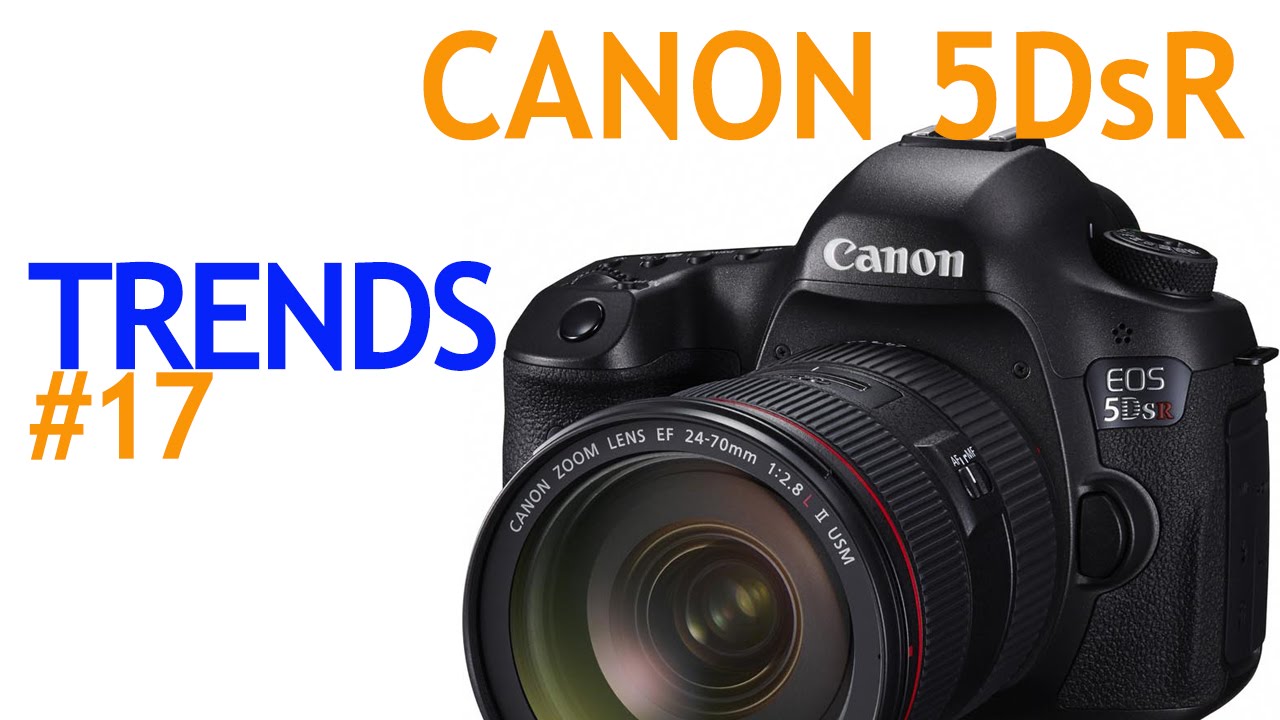
Canon 5Ds and 5DsR Breakdown: What 50 Megapixels Actually Means for Still Photographers

Canon 5Ds and 5DsR Breakdown: What 50 Megapixels Actually Means for Still Photographers

I’ll be honest - when Canon announced not one but two high-megapixel full-frame bodies, my first instinct was to check whether either of them would fit into a budget shooter’s workflow. Spoiler: they won’t, not even close. But understanding what Canon built here matters even if you’re not buying, because the tradeoffs baked into these cameras reveal something important about what you’re actually paying for when you go up the gear ladder.
Which Lens Should You Actually Reach For? A Practical Breakdown for Real Shooters

Which Lens Should You Actually Reach For? A Practical Breakdown for Real Shooters

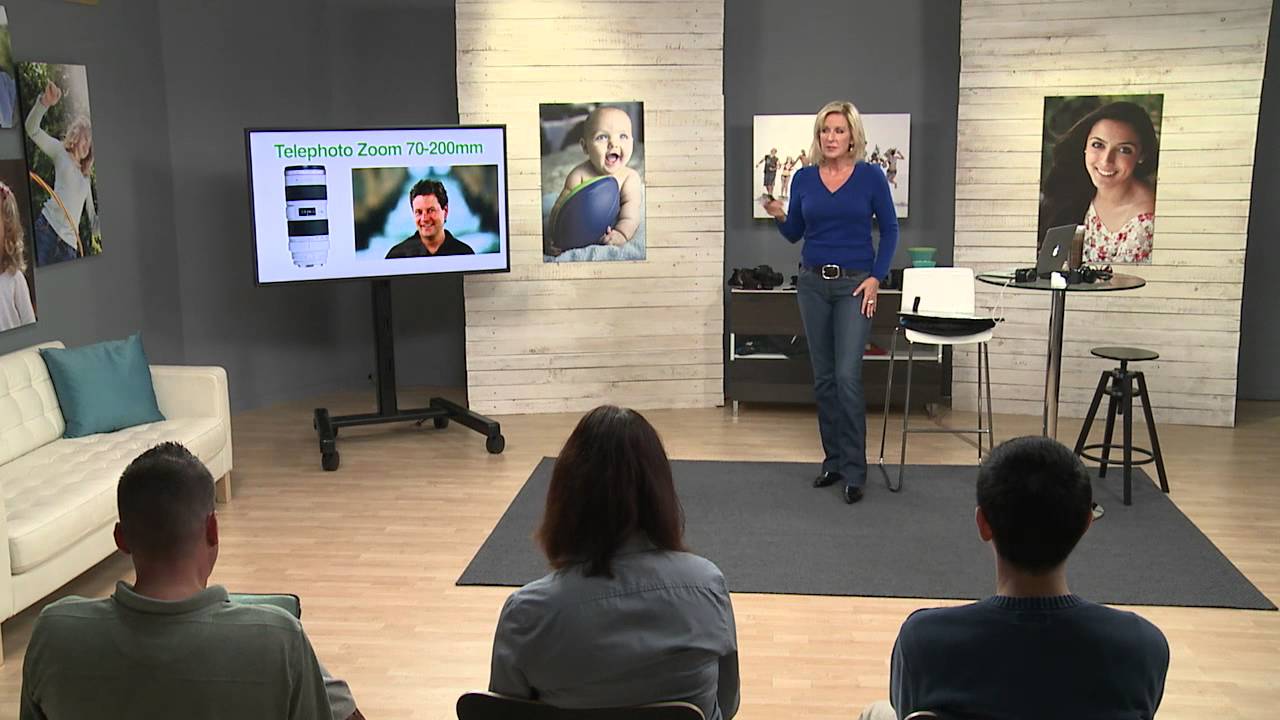
I used to swap lenses by feel. No real logic, just instinct built from trial and error and a lot of blurry test shots I’ll never show anyone. The question “which lens do I put on right now?” sounds basic, but it’s the kind of decision that quietly makes or breaks a photo. Get it wrong and you’re fighting your gear instead of making pictures. In this CreativeLive tutorial, photographer Erin Manning does something I wish I’d had when I was starting out: she stands in one fixed spot, swaps three different lenses, and shows you exactly what changes in the frame.

Skip the Kit: Jessica Kobeissi's Beginner Camera Advice Actually Holds Up

Skip the Kit: Jessica Kobeissi's Beginner Camera Advice Actually Holds Up

Every few months I get the same message from someone just getting started: “I bought the kit and now I have no idea what I’m doing.” They spent $700 on a camera-and-lens bundle, the lens is already collecting dust, and they’re frustrated. I’ve been there. I started with a $300 camera kit and somehow shot a wedding that ended up in a local magazine, so I know the gear is rarely the actual problem.

How to Fake a Better Lens with Photoshop's AI Lens Blur (And Why It Actually Works)

How to Fake a Better Lens with Photoshop's AI Lens Blur (And Why It Actually Works)

I’ll be honest with you: I’ve spent an embarrassing amount of money chasing shallow depth of field. Budget lenses, fast primes, crop sensor math, the whole rabbit hole. So when Lightroom dropped its AI lens blur feature and photographers started losing their minds over it, my first thought wasn’t “cool new toy.” It was “does this actually hold up, or is it going to look like a phone portrait mode gone wrong?

Nikon Z5IIC Review: The Budget Mirrorless That Ditches the Screen for Better Value

Nikon Z5IIC Review: The Budget Mirrorless That Ditches the Screen for Better Value

The Stripped-Down Z5II Actually Makes Sense I just spent some time with Nikon’s new Z5IIC, and I’ll be blunt: this thing is a fascinating exercise in cost-cutting that somehow doesn’t feel cheap. By ditching the electronic viewfinder from the Z5II, Nikon’s created something genuinely different—not just a compromise product pushed out to fill a gap in the lineup. Here’s the reality most gear websites won’t tell you: plenty of photographers don’t need or even want an EVF.

Cyber Monday Photography Deals Worth Your Money (And a Few That Actually Are)

Cyber Monday Photography Deals Worth Your Money (And a Few That Actually Are)

Every year I spend an embarrassing amount of time cross-referencing deal sites, manufacturer pages, and forum threads trying to figure out which “limited time offers” are genuinely discounted versus which ones are just the regular price with a festive banner slapped on. It’s the reason I got into deals content in the first place. Turns out I was spending more hours researching prices than actually shooting, so I figured I might as well make it useful for other people too.

Ditch the Tripod: How Handholding a 70-200mm Can Make You a Better Landscape Photographer

Ditch the Tripod: How Handholding a 70-200mm Can Make You a Better Landscape Photographer

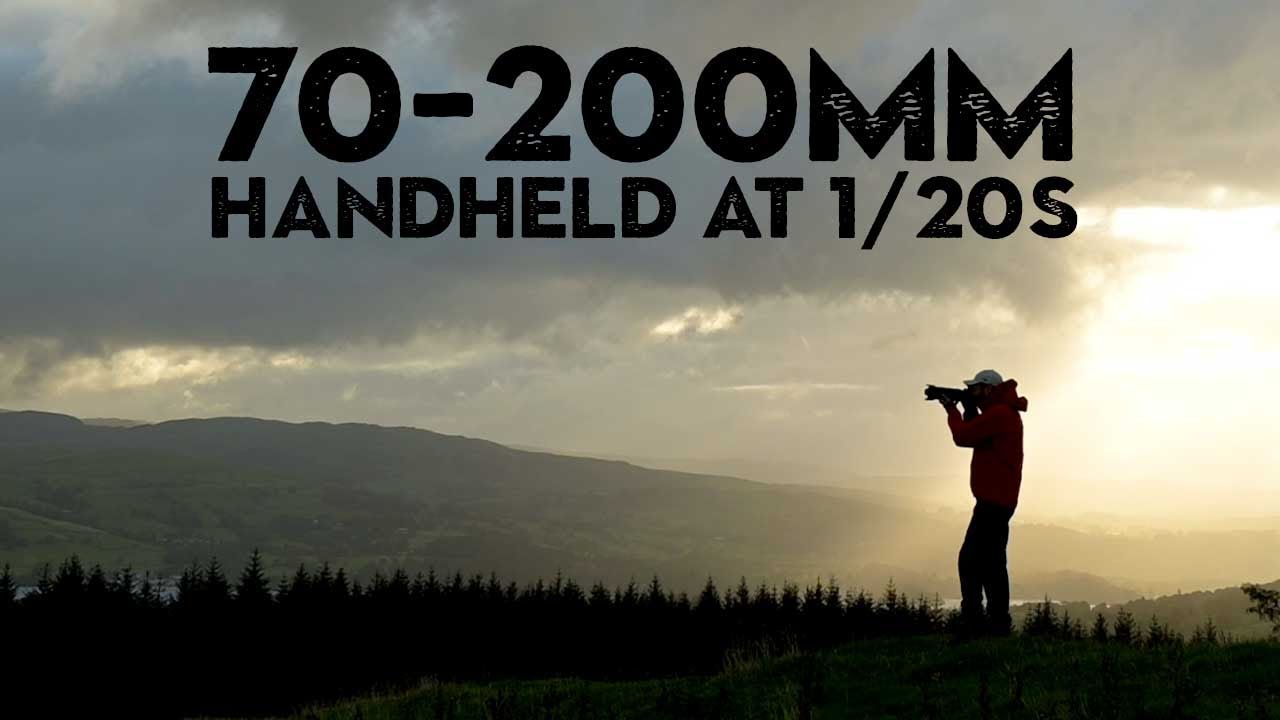
I used to haul a tripod everywhere. Heavy bag, slow setup, missed shots while I was still screwing in the quick-release plate. Then I started questioning whether I actually needed it for every situation, or whether I was just following a rule someone handed me early on and I never stopped to examine. That question got answered pretty decisively when I watched this Nigel Danson tutorial shot on location in the Lake District, where he spends a full morning handholding a 70-200mm lens for landscape work and pulling off shots that look like they came off a tripod-mounted medium format rig.

Canon's Dual-Lens VR Monster: Is 180 VR the Future of Family Memories or Just Expensive Gimmick Bait?

Canon's Dual-Lens VR Monster: Is 180 VR the Future of Family Memories or Just Expensive Gimmick Bait?

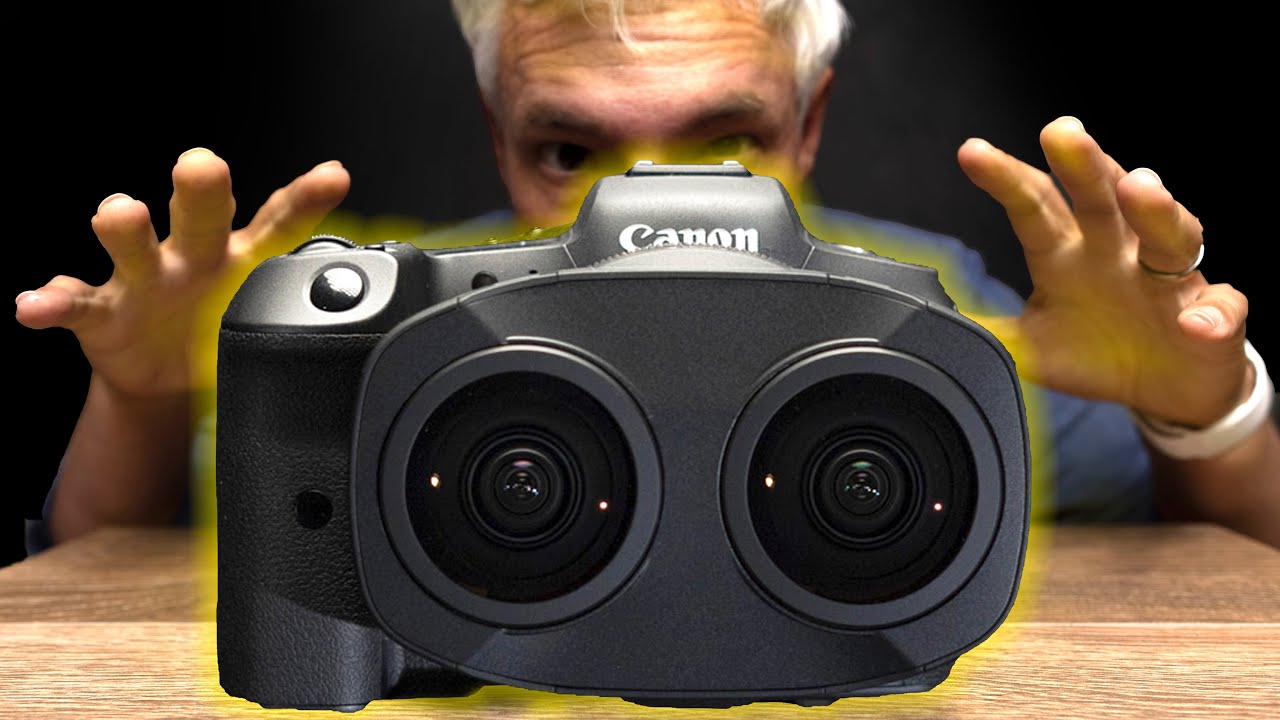
I’ll be honest: when I first heard “5.2mm f/2.8 double lens,” I assumed it was some kind of April Fool’s joke Canon forgot to schedule properly. A dual-lens system for shooting virtual reality content on a mirrorless body? That sounds like something from a trade show floor that never ships. But Canon shipped it. And after watching Tony and Chelsea Northrup dig into it, I came away thinking this is one of those pieces of gear that’s either ten years early or right on time, and the difference matters a lot depending on how you shoot.

Why Design-Focused Photographers Should Care About Kitchen Gear Discounts

Why Design-Focused Photographers Should Care About Kitchen Gear Discounts

The Unexpected Connection Between Kitchen Design and Visual Creativity I’ve noticed something interesting in my years covering gear deals: photographers obsessed with composition and lighting often overlook the everyday objects that deserve the same critical eye we apply to our cameras and lenses. Amazon’s current Prime Big Deals event is offering up to 30% off some genuinely iconic kitchen items, and I’m not talking about throwaway gadgets. These are the pieces that actually matter—design classics that have earned their place in homes and studios precisely because they work beautifully AND functionally.

Tamron 35mm f/1.4 SP Review: Why This Lens Might Be the Only One You Need for Environmental Portraits

Tamron 35mm f/1.4 SP Review: Why This Lens Might Be the Only One You Need for Environmental Portraits

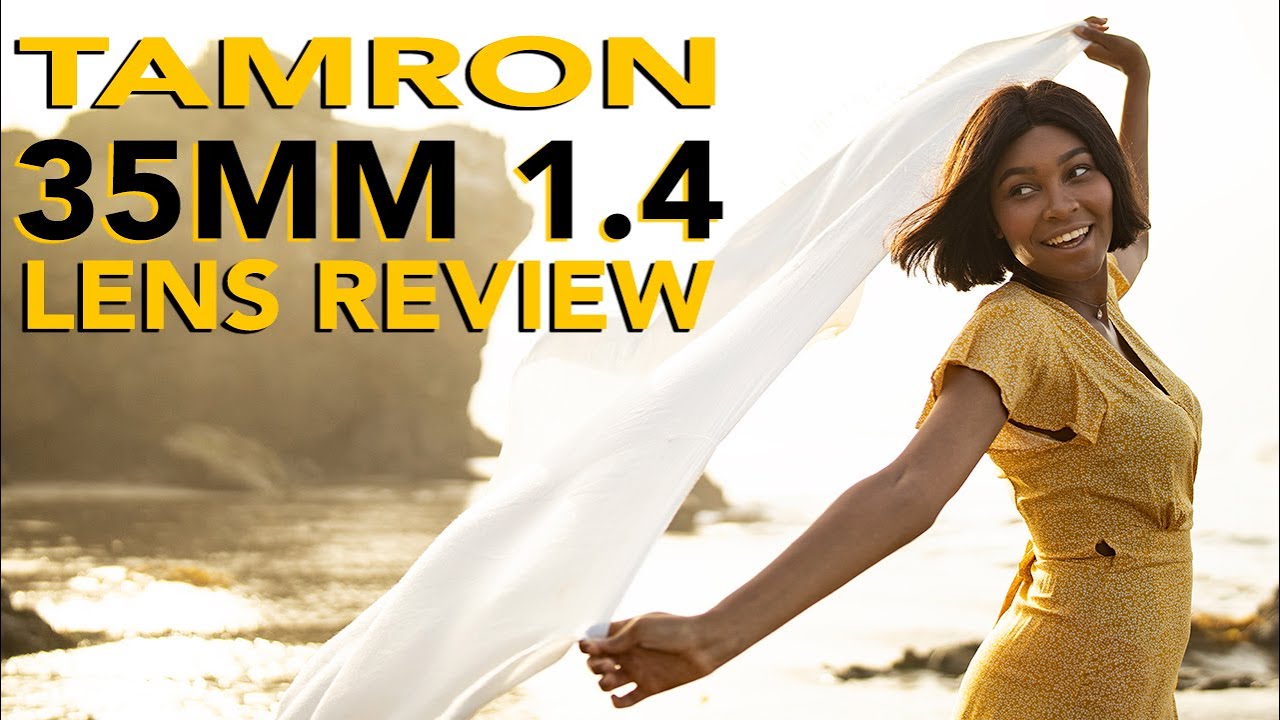
I have a spreadsheet. It has 47 lenses on it. And for a long time, the 35mm focal length column was a mess of compromises: sharp but slow, fast but soft wide open, affordable but plasticky. The 35mm is my go-to for environmental work because it keeps the subject grounded in the scene without the distortion you get from a wider angle. The problem is finding one that performs at f/1.

Fake the Bokeh: How to Add Lens Blur in Lightroom Without a Prime Lens

Fake the Bokeh: How to Add Lens Blur in Lightroom Without a Prime Lens

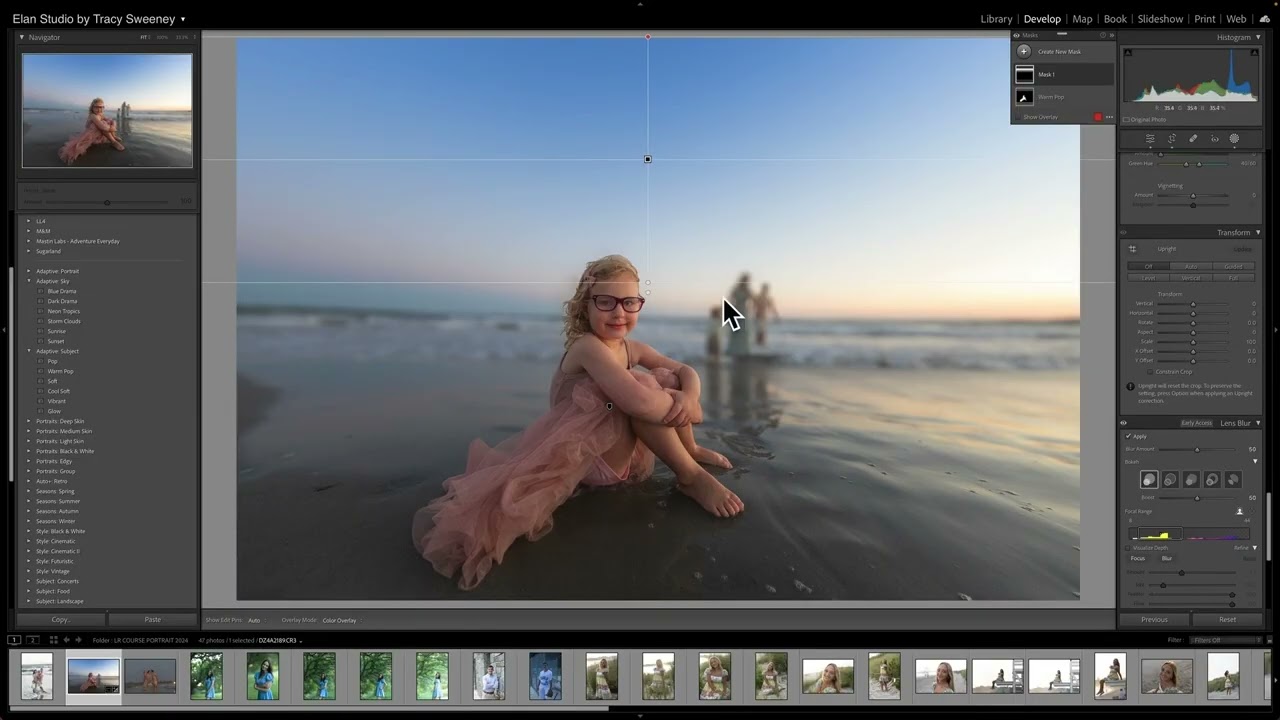
I shoot on a budget. That’s literally my whole thing. And one of the most common complaints I hear from readers who are working with kit lenses or slower zooms is that they can’t get that soft, blurry background that makes portraits look polished and intentional. They think the only answer is to drop $400 on a fast prime. I’ve been there. I still remember agonizing over whether to buy a 50mm f/1.

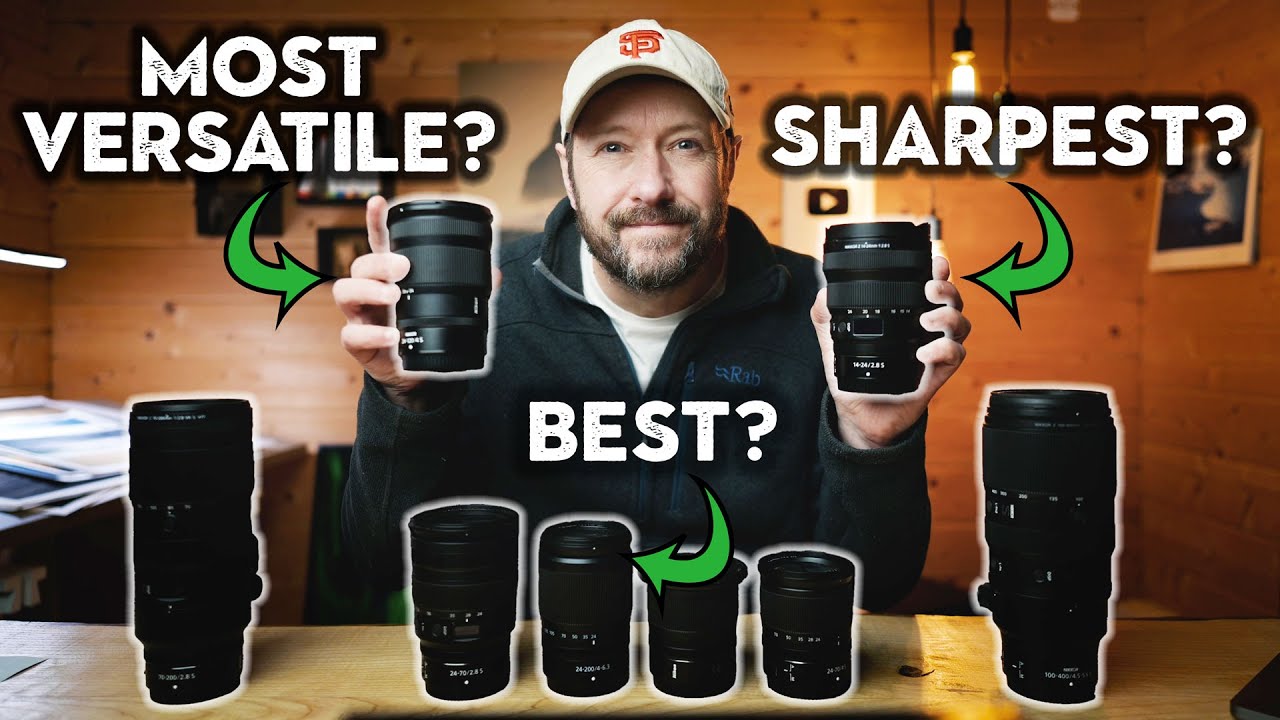
How a Pro Landscape Photographer Uses Lightroom Data to Rank Every Lens He Owns (And What Budget Shooters Can Steal From It)

How a Pro Landscape Photographer Uses Lightroom Data to Rank Every Lens He Owns (And What Budget Shooters Can Steal From It)

I used to make gear decisions based on vibes. A lens felt sharp in the store, or a YouTuber said it was good, so I bought it. It wasn’t until I started actually tracking which lenses I reached for during real shoots that I realized half my kit was collecting dust. That shift in thinking, from spec-sheet shopping to usage-based evaluation, is exactly what Nigel Danson demonstrates in this lens ranking tutorial.