The Nikon Z9 Just Hit a Price Point That Actually Makes Sense

The Nikon Z9 Just Hit a Price Point That Actually Makes Sense

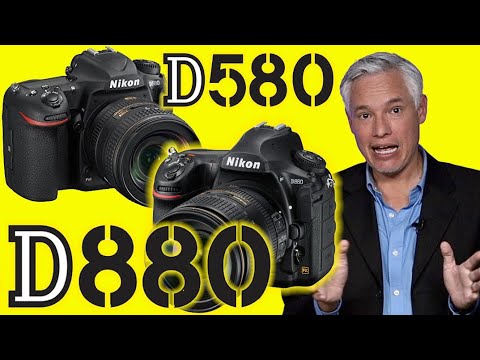
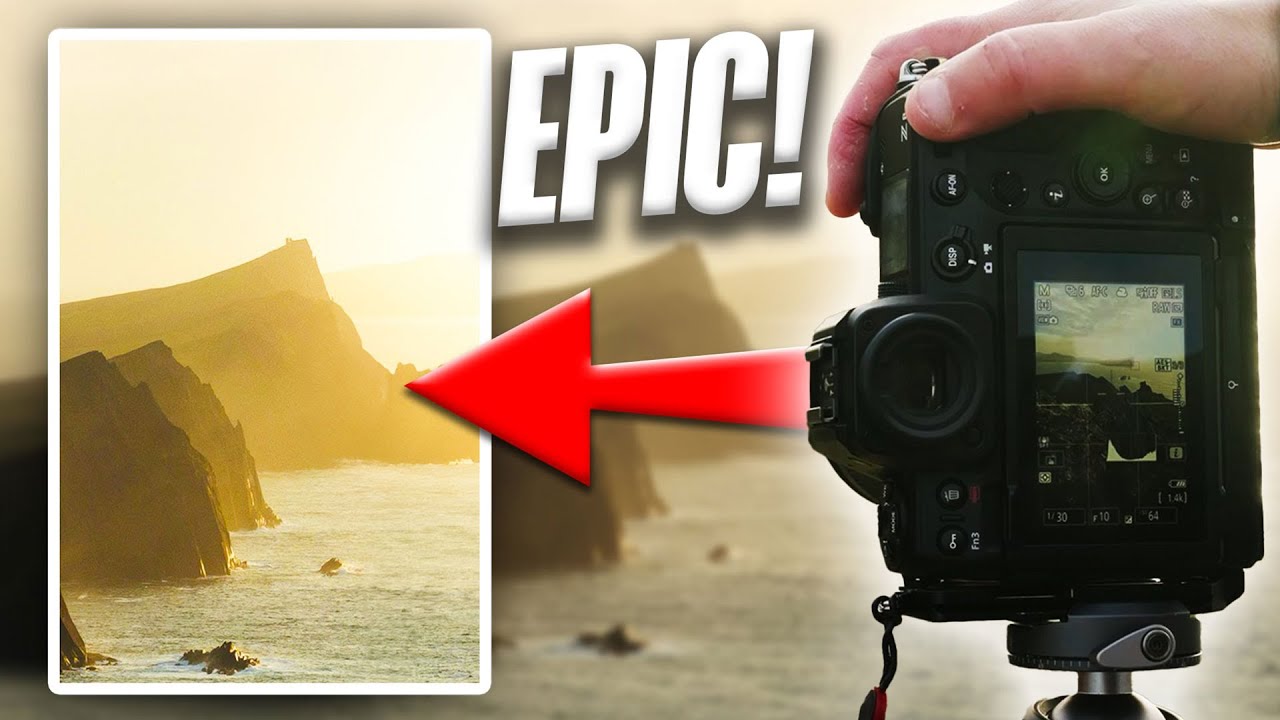
The Nikon Z9 Deal That Caught My Attention I’ll be straight with you: I’m not usually the type to get excited about flagship camera discounts. Most “deals” on pro-level gear are marketing nonsense—$50 off here, a bundled lens there. But when I spotted the Nikon Z9 dropping nearly $750 in price, I had to take a closer look. At its original asking price of around $5,500, the Z9 always felt like a camera designed by bean counters who forgot that actual photographers have actual budgets.

The Best Lighting Kits Under $200

The Best Lighting Kits Under $200

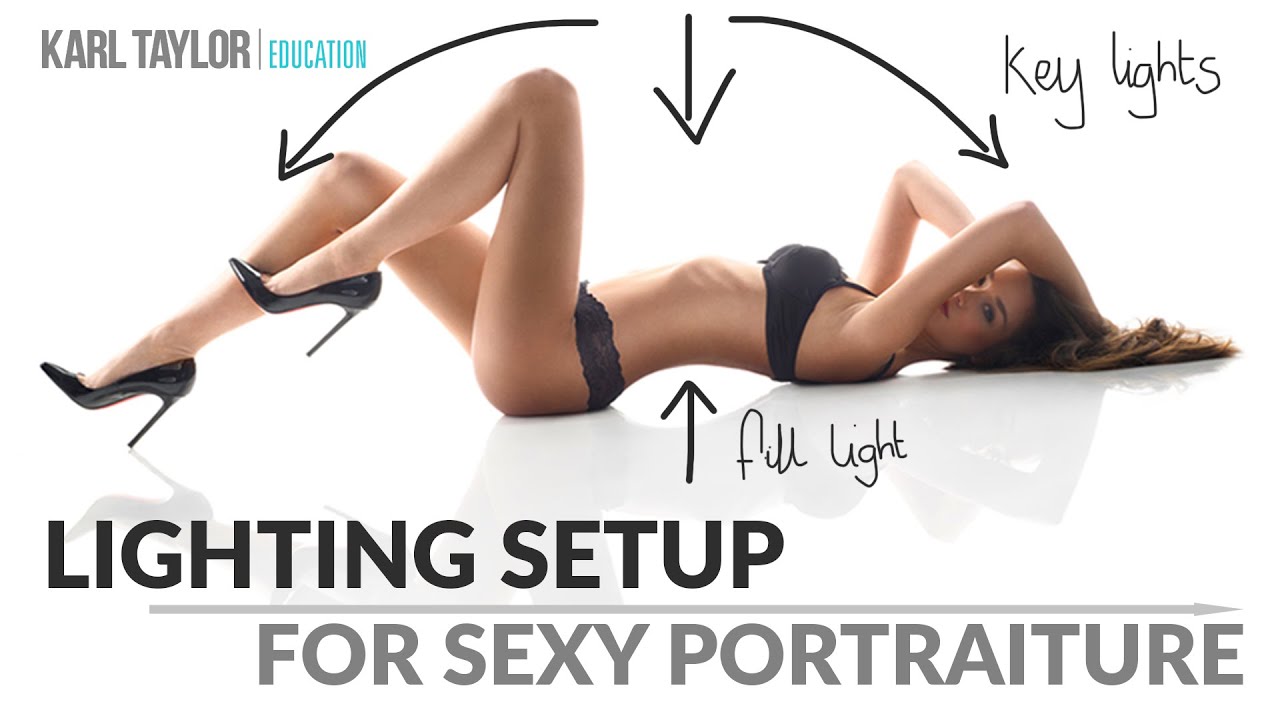
Good lighting transforms photos more than any camera upgrade. The gap between a $200 lighting kit and a $2,000 one is far smaller than the gap between using any intentional lighting and using none at all. Here’s what you can get at the $200 price point and how to choose between options. Continuous LED vs Flash: Which to Buy Continuous LED lights stay on constantly, so you see exactly what the light looks like before you shoot.

The Best Lens Filters and Which Ones You Actually Need

The Best Lens Filters and Which Ones You Actually Need

Lens filters used to be essential for every photographer. In the film and early digital era, you needed filters for effects that couldn’t be replicated in post-processing. Today, many of those effects can be applied digitally with better control and zero optical penalty. So which filters are still worth buying? Filters You Actually Need Circular Polarizer (CPL) This is the one filter that cannot be replicated in post-processing. A polarizer reduces reflections, increases color saturation in skies and foliage, and cuts through haze.

The Best Editing Software for Photographers in 2024—Stop Overpaying for Features You Don't Use

The Best Editing Software for Photographers in 2024—Stop Overpaying for Features You Don't Use

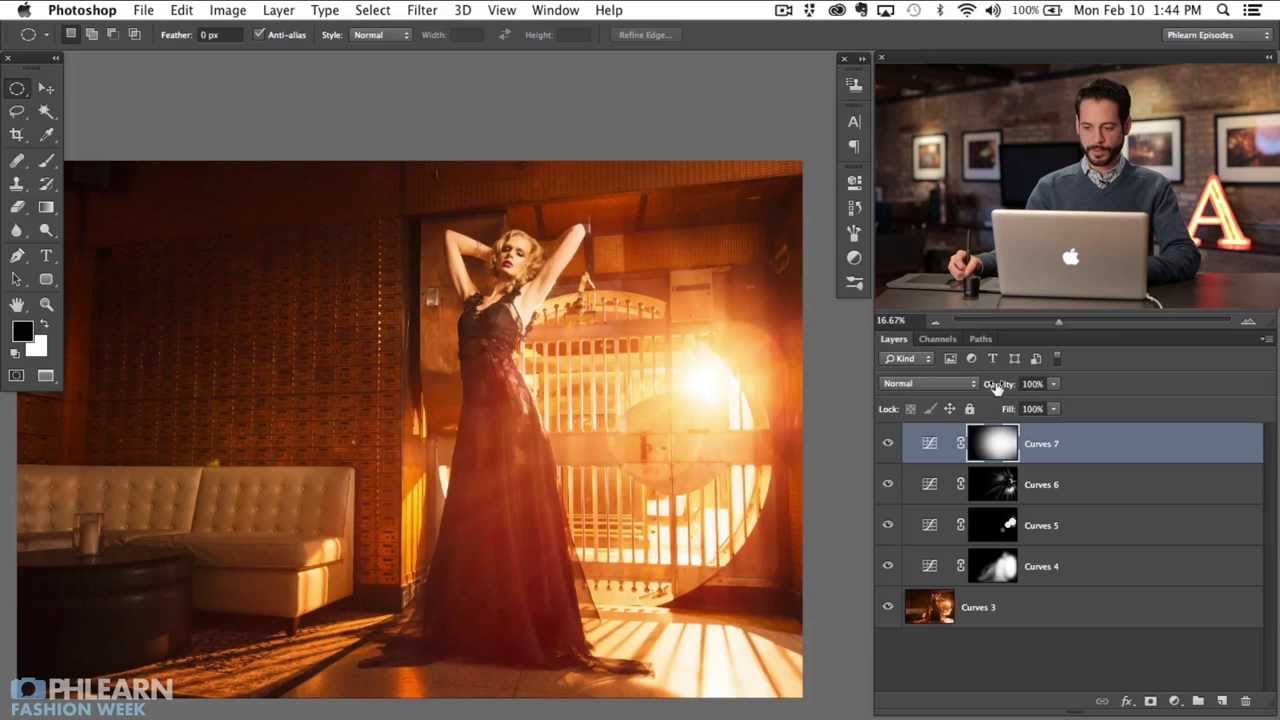
I’ve spent the last decade testing editing software, and I’m tired of watching photographers throw money at Adobe’s subscription while using 10% of Lightroom’s features. Let me cut through the hype and tell you what actually matters. The Adobe Trap Nobody Talks About Look, Adobe makes solid software. Lightroom and Photoshop work well together. But $55 a month for both? That’s $660 a year, and most working photographers don’t need both.

The Best Budget Lenses for Sony Mirrorless in 2026

The Best Budget Lenses for Sony Mirrorless in 2026

Sony’s E-mount ecosystem has exploded with affordable lens options. Between Sony’s own budget line, Tamron, Sigma, and newer players like Viltrox and TTArtisan, you can build a capable lens kit without spending thousands. Here are the lenses that deliver the most value in 2026. Best Overall: Tamron 28-75mm f/2.8 Di III VXD G2 Price: ~$800 This is the lens I recommend to nearly everyone who asks. It covers the most useful focal range for everyday photography, it’s sharp across the frame, and f/2.

Tamron's $899 35-100mm f/2.8 Proves You Don't Need to Sell a Kidney for Fast Zooms

Tamron's $899 35-100mm f/2.8 Proves You Don't Need to Sell a Kidney for Fast Zooms

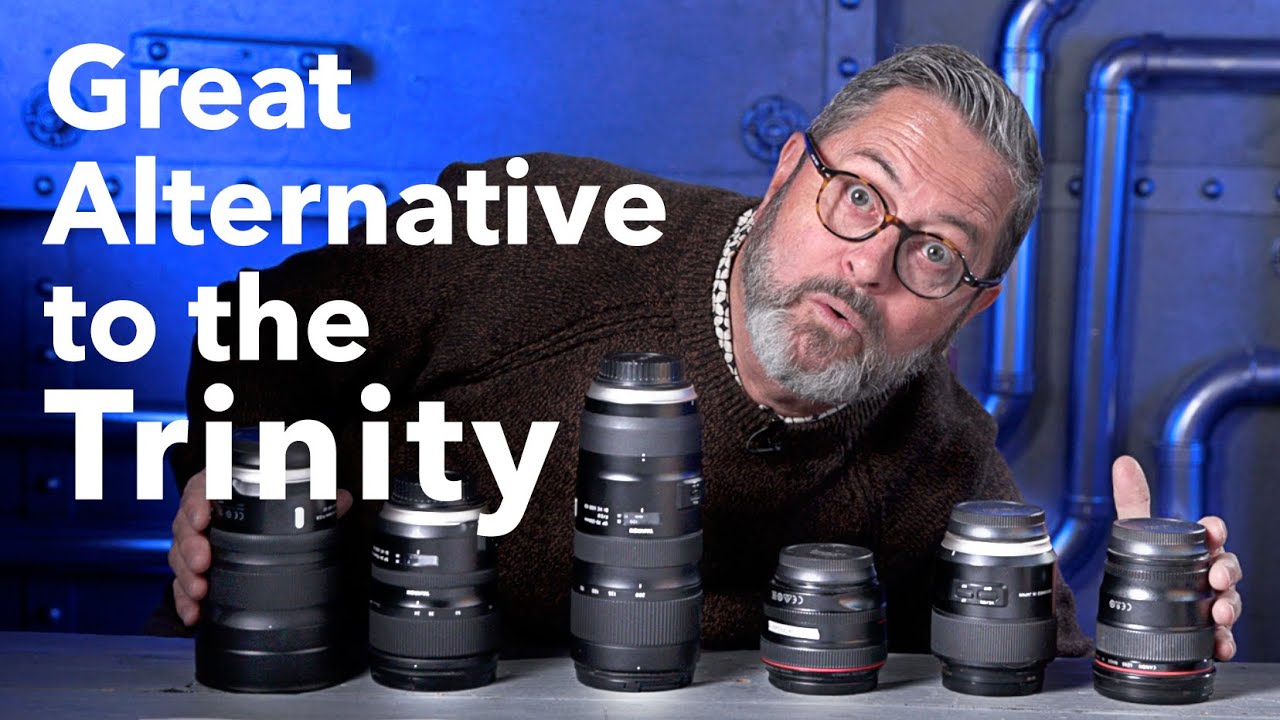
The Gap That Needed Filling I’ve been watching the telephoto zoom market for years, and there’s always been this awkward void in the middle. You’ve got your budget zooms that cost $300-500 but choke in low light, and then suddenly you’re looking at $2,000+ options from the major brands. Tamron just decided to actually do something about it. Their new 35-100mm f/2.8 lands at $899—a price point that feels almost refreshingly normal compared to what Sony, Canon, and Nikon charge for comparable glass.

Tamron vs Sigma: Third-Party Lens Showdown

Tamron vs Sigma: Third-Party Lens Showdown

Ten years ago, “third-party lens” meant “compromised but cheap.” That’s over. Tamron and Sigma now make lenses that compete with — and sometimes beat — Canon, Sony, and Nikon’s own glass. The question isn’t whether to buy third-party. It’s which third-party. The Philosophy Difference Sigma tends to build lenses that match or exceed first-party optical quality, sometimes at the expense of size and weight. Their Art line is legendary for sharpness.

Tamron Is Showing Other Lens Makers How It's Done—And They Need to Pay Attention

Tamron Is Showing Other Lens Makers How It's Done—And They Need to Pay Attention

The Lens Utility App Changes the Game I’ve been testing gear for years, and I’m not easily impressed by feature announcements. But Tamron’s Lens Utility App genuinely caught me off guard. This isn’t your typical firmware update—it’s a thoughtful piece of software that actually solves real problems for working photographers. The standout feature? Pull focus during time lapses. Think about that for a second. You can now rack focus smoothly throughout a time lapse sequence without manual intervention.

Tamron 28-75mm G2 vs Sigma 28-70mm — The Ultimate Budget Zoom Showdown

Tamron 28-75mm G2 vs Sigma 28-70mm — The Ultimate Budget Zoom Showdown

Tamron 28-75mm G2 vs Sigma 28-70mm — The Ultimate Budget Zoom Showdown Look, I’m going to be straight with you: the sub-$1000 f/2.8 zoom space is finally getting interesting. For years, if you wanted a fast standard zoom without dropping $2,000+ on a Sony or Canon native lens, you were basically stuck praying. Now we’ve got serious options, and I’ve spent enough time with both the Tamron 28-75mm f/2.8 Di III VXD G2 and the Sigma 28-70mm f/2.

Stop Wasting Money on Tripods: Here's What Actually Matters

Stop Wasting Money on Tripods: Here's What Actually Matters

I’ve tested enough tripods to fill a storage unit, and here’s what I’ve learned: most photographers are buying the wrong ones for the wrong reasons. They’re chasing brand names and unnecessary features while ignoring what actually keeps their shots sharp. Let me break down what you actually need to know. Stop Paying for Weight You Don’t Need Everyone talks about lightweight tripods like they’re some kind of achievement. But here’s the thing—a tripod that weighs two pounds is useless if it wobbles when you touch the shutter button.

Stop Wasting Money on Professional Monitors — Here's What Actually Matters

Stop Wasting Money on Professional Monitors — Here's What Actually Matters

I’m going to say something that’ll upset the monitor companies: you don’t need to drop $2,000 on a display to edit photos competently. I’ve tested enough screens to know that past a certain price point, you’re paying for brand heritage and marketing, not measurable improvements in color accuracy or usability. Let me be clear—monitor choice matters. A terrible screen will destroy your workflow and tank your edits. But the sweet spot for most photographers sits between $400-$800, and I’m going to explain exactly why, plus what to actually look for when you’re shopping.

Stop Wasting Money on Photography Accessories You Don't Need

Stop Wasting Money on Photography Accessories You Don't Need

Stop Wasting Money on Photography Accessories You Don’t Need I’ve been shooting for fifteen years, and I’ve bought a lot of garbage. Peak-design bags that looked cool but destroyed my back. $200 lens cleaning kits that did nothing a microfiber cloth couldn’t do. RGB ring lights I thought I needed for product photography. None of it made me a better photographer. The accessories industry thrives on making you feel like your gear is incomplete.