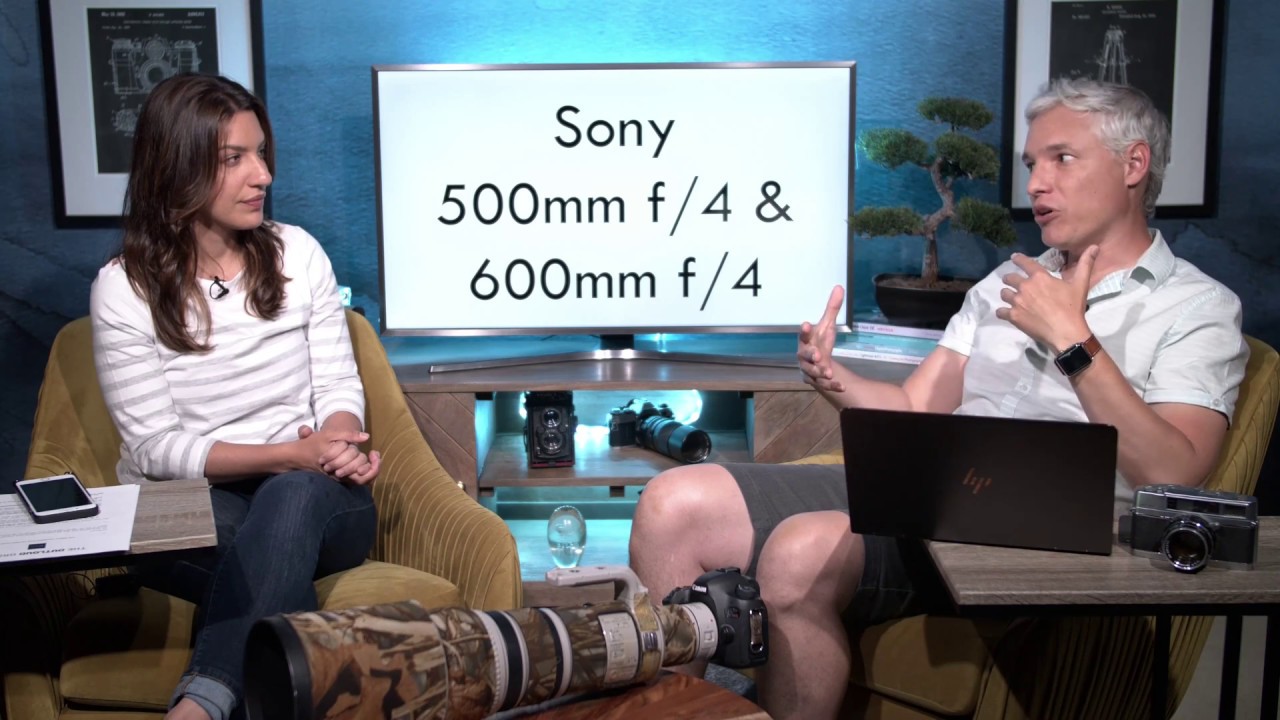
I spend most of my time digging through budget gear and deal alerts, but every once in a while something lands in the news cycle that matters even to someone who flinches at four-figure price tags. Sony’s native glass lineup has been a genuine weak point for anyone who moved to the a9 for sports or wildlife shooting. You’ve got a world-class body with no real long telephoto to put on it - at least nothing made by Sony. That’s the problem this news is starting to solve. In this Tony & Chelsea Northrup tutorial, Watch the full tutorial on YouTube, Tony breaks down a patent filing spotted on Sony Alpha Rumors that points to two major lenses coming to the Sony FE lineup: a 500mm f/4 and a 600mm f/4.
I’ll be straight with you - I’m not the guy dropping $12,000 on a lens. But I track this stuff closely because the arrival of serious native glass at the top end of a system has a ripple effect. It validates the system, attracts pro shooters, and eventually pushes the ecosystem forward in ways that benefit everyone, including people shopping at the other end of the price spectrum. If you shoot wildlife, birds, or sports on Sony, or you’re thinking about making the switch, this breakdown is worth your time.
Step 1: Understand Where the Patent Information Comes From
 Tony introducing the Sony Alpha Rumors patent source
The starting point here is a patent filing surfaced by Sony Alpha Rumors. Tony is careful to frame this correctly: a patent is not an announcement. Companies file patents constantly, and many never become products. But when a patent aligns with an obvious gap in a lineup - which this one absolutely does - it carries real weight. Sony has been building out its G Master series with clear intention, and long super-telephoto primes are the missing piece for working sports and wildlife photographers who moved to the a9.
Tony introducing the Sony Alpha Rumors patent source
The starting point here is a patent filing surfaced by Sony Alpha Rumors. Tony is careful to frame this correctly: a patent is not an announcement. Companies file patents constantly, and many never become products. But when a patent aligns with an obvious gap in a lineup - which this one absolutely does - it carries real weight. Sony has been building out its G Master series with clear intention, and long super-telephoto primes are the missing piece for working sports and wildlife photographers who moved to the a9.
The takeaway from this step is to treat patent news as a strong signal, not a guarantee. Bookmark Sony Alpha Rumors if you’re a Sony shooter. They do the digging so you don’t have to.
Step 2: Recognize Why These Focal Lengths Matter for Action and Wildlife Work
 Tony explaining wildlife and sports shooting use cases
Tony has been shooting with the a9 for over a year at this point, covering his daughter’s sports events and other action scenarios. His honest assessment is that the a9 is the best sports body available - good enough that he sold his Canon 1DX and Nikon D5. But every bit of that shooting has been done at close range, maxing out at a 70-200mm with a teleconverter. For wildlife and field sports, that’s not enough reach.
Tony explaining wildlife and sports shooting use cases
Tony has been shooting with the a9 for over a year at this point, covering his daughter’s sports events and other action scenarios. His honest assessment is that the a9 is the best sports body available - good enough that he sold his Canon 1DX and Nikon D5. But every bit of that shooting has been done at close range, maxing out at a 70-200mm with a teleconverter. For wildlife and field sports, that’s not enough reach.
A 500mm or 600mm f/4 changes the game entirely. These focal lengths give you the compression and subject isolation needed for birds in flight, football sideline work, or wildlife at a safe distance. The f/4 aperture keeps them usable in low light and pairs well with Sony’s autofocus system. Without native options at these lengths, Sony shooters have been stuck using Canon or Nikon glass through adapters - which works, but introduces autofocus latency and reliability compromises that undercut the a9’s biggest strengths.
Step 3: Note the Real Focal Lengths Behind the Marketing Numbers
 Tony reading patent specifications for focal length and aperture
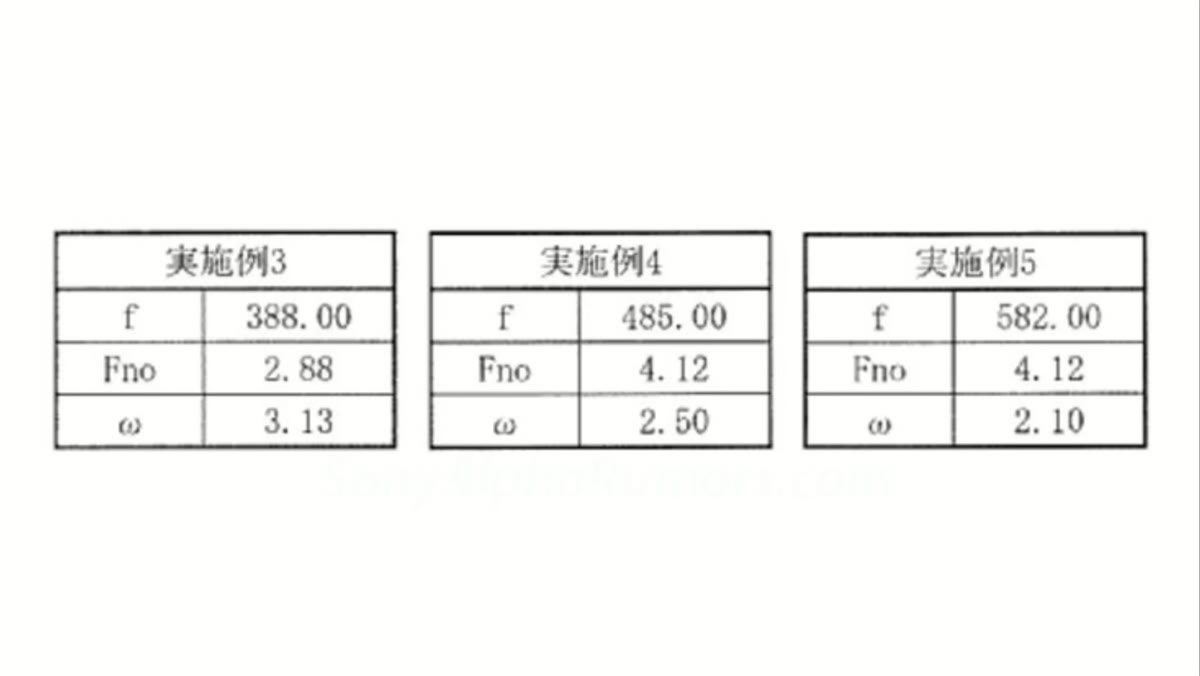
Here’s something most buyers never think about: the numbers on the box aren’t always the exact optical specs inside the lens. Tony pulls the actual figures from the patent filing. The “500mm f/4” is technically 485mm with an aperture of f/4.12. The “600mm f/4” comes in at 582mm at f/4.12 as well.
Tony reading patent specifications for focal length and aperture
Here’s something most buyers never think about: the numbers on the box aren’t always the exact optical specs inside the lens. Tony pulls the actual figures from the patent filing. The “500mm f/4” is technically 485mm with an aperture of f/4.12. The “600mm f/4” comes in at 582mm at f/4.12 as well.
This isn’t Sony being deceptive - it’s standard practice across every major manufacturer. Canon and Nikon do the same thing. Focal lengths and apertures are always rounded to the nearest marketable number, and they’re rounded in the manufacturer’s favor. It doesn’t meaningfully affect real-world performance, but it’s useful context if you ever wonder why your 600mm doesn’t quite match another shooter’s 600mm in side-by-side comparisons.
Step 4: Get Realistic About Pricing
 Tony comparing Sony G Master pricing to Canon and Nikon equivalents
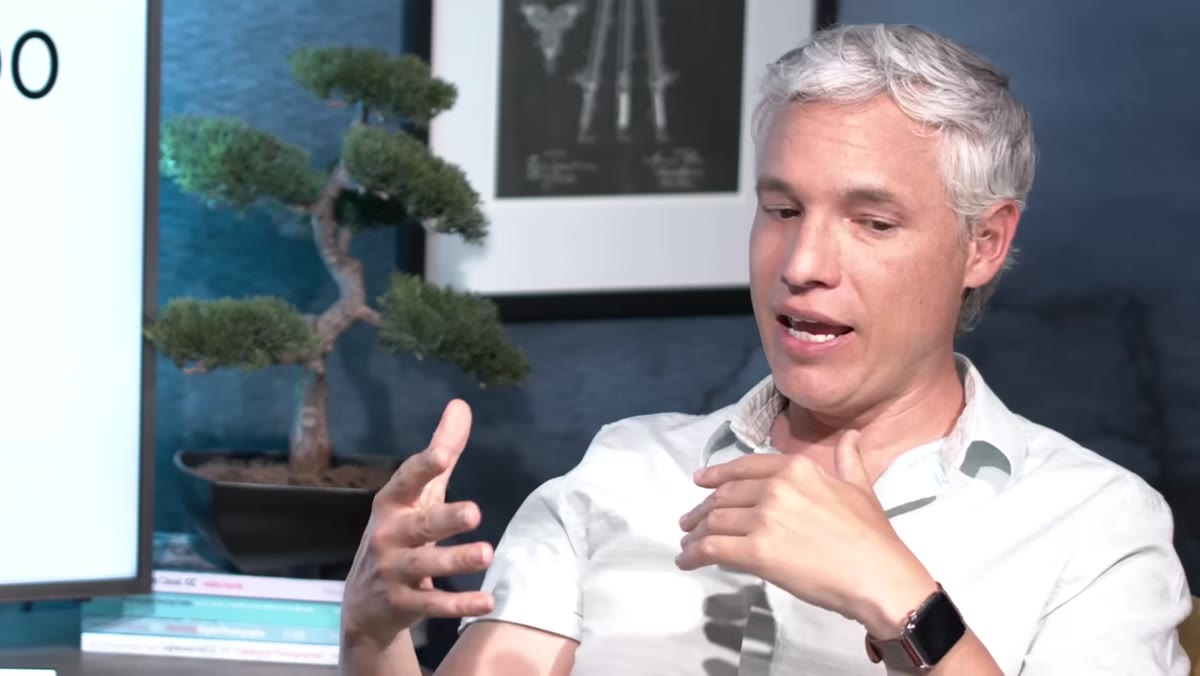
Tony ran the numbers on G Master lens pricing versus comparable Canon and Nikon options and found Sony typically runs about 15% higher. His theory is that Sony prices its bodies slightly below margin to drive adoption, then builds profit back through the glass. It’s a common strategy in systems that are still building market share.
Tony comparing Sony G Master pricing to Canon and Nikon equivalents
Tony ran the numbers on G Master lens pricing versus comparable Canon and Nikon options and found Sony typically runs about 15% higher. His theory is that Sony prices its bodies slightly below margin to drive adoption, then builds profit back through the glass. It’s a common strategy in systems that are still building market share.
Based on that pattern, Tony’s estimates land at roughly $12,000 for the 500mm f/4 and around $14,000 for the 600mm f/4. For context, Canon’s 600mm f/4L IS III runs about $13,000 and Nikon’s equivalent is in the same range. So Sony coming in above that is a real concern for budget-conscious pros. These are not lenses most photographers will ever own outright - but rental and used markets follow retail prices, so even renters will feel the difference.
Step 5: Evaluate Expected Optical Quality Based on the G Master Track Record
 Chelsea and Tony discussing G Master lens quality standards
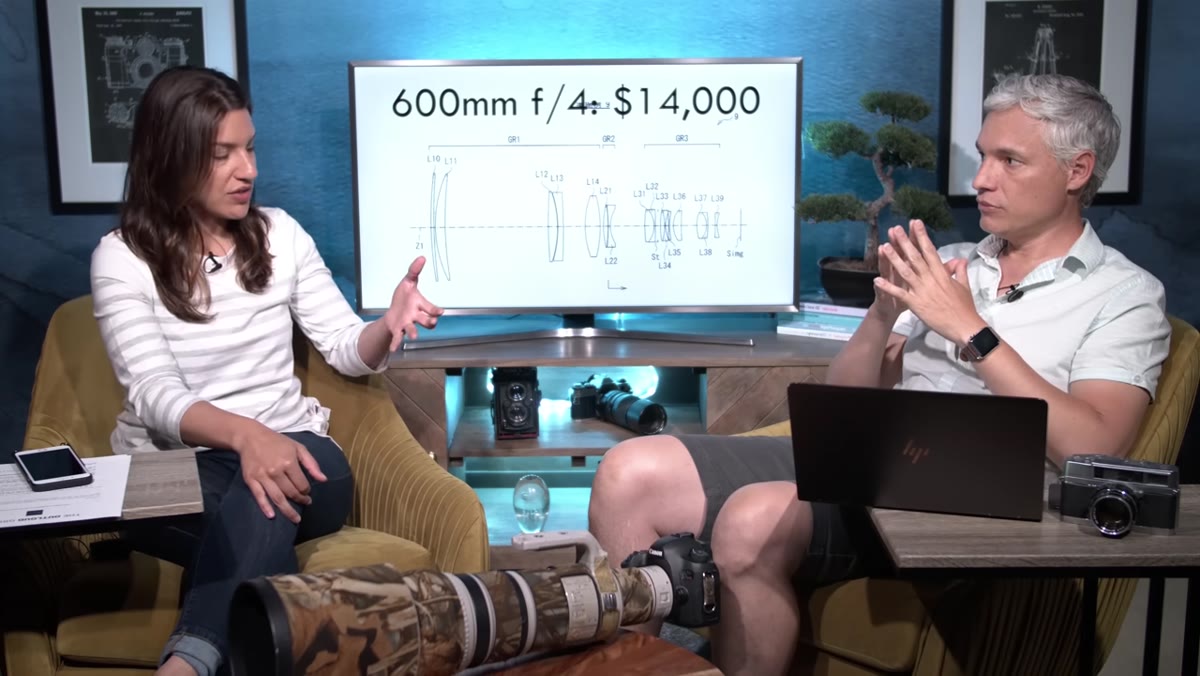
Chelsea makes a strong point here: Sony knows it’s playing catch-up in the long telephoto space, which means these lenses have to be exceptional to earn trust from photographers who have invested years into Canon or Nikon systems. She tested the 70-200mm G Master head-to-head against Canon and Nikon equivalents on comparable bodies, and the Sony came out sharper.
Chelsea and Tony discussing G Master lens quality standards
Chelsea makes a strong point here: Sony knows it’s playing catch-up in the long telephoto space, which means these lenses have to be exceptional to earn trust from photographers who have invested years into Canon or Nikon systems. She tested the 70-200mm G Master head-to-head against Canon and Nikon equivalents on comparable bodies, and the Sony came out sharper.
That’s a meaningful data point. Sony’s G Master lineup has consistently punched above its weight in optical performance, and the incentive to deliver at the 500mm and 600mm level is even higher. Pro wildlife and sports shooters are skeptical, brand-loyal, and vocal. If these lenses ship and they’re not best-in-class sharp, Sony will hear about it loudly. The expectation - which I share - is that Sony will make these lenses genuinely excellent because they have to.
Step 6: Calibrate Your Timeline Expectations
 Tony noting the 400mm f/2.8 announcement timeline delay
Tony uses the 400mm f/2.8 as a cautionary example. Sony announced that lens in October 2017 and it wasn’t shipping until September 2018 at the earliest - with no confirmed price at the time of this video. A patent filing is even further back in the pipeline than an announcement. If you’re waiting on the 500mm or 600mm before committing to Sony, you’re probably waiting at least another year to two years from the patent date, possibly longer.
Tony noting the 400mm f/2.8 announcement timeline delay
Tony uses the 400mm f/2.8 as a cautionary example. Sony announced that lens in October 2017 and it wasn’t shipping until September 2018 at the earliest - with no confirmed price at the time of this video. A patent filing is even further back in the pipeline than an announcement. If you’re waiting on the 500mm or 600mm before committing to Sony, you’re probably waiting at least another year to two years from the patent date, possibly longer.
For working shooters who need reach now, that means exploring the current adapter options, renting when needed, or looking at Sony’s existing telephoto zoom lineup as a bridge.
My Take: Patents Are Worth Tracking Even on a Budget
I don’t cover flagship lenses very often - there’s no deal hunting to be done at $14,000. But I’ve started treating patent filings as part of my system research process, and you should too. When I help someone decide whether to invest in a Sony system today, lens roadmap matters. A system with credible super-telephoto glass on the horizon is a healthier long-term bet than one where the gap might never be filled.
The single most important thing to take away from Tony’s breakdown: the glass gap in Sony’s lineup is closing, but it’s closing slowly and expensively. If you’re a wildlife or sports shooter already on Sony, this is genuinely encouraging news. If you’re on the fence about switching, it’s a reason for optimism - just not a reason to wait indefinitely.
Watch the full tutorial on YouTube for Tony and Chelsea’s complete breakdown and their direct comparisons to Canon and Nikon pricing.
Comments
Leave a Comment