Sony's New 70-200mm f/4 Macro: The Case For Ditching the f/2.8 (And When Not To)

Sony's New 70-200mm f/4 Macro: The Case For Ditching the f/2.8 (And When Not To)

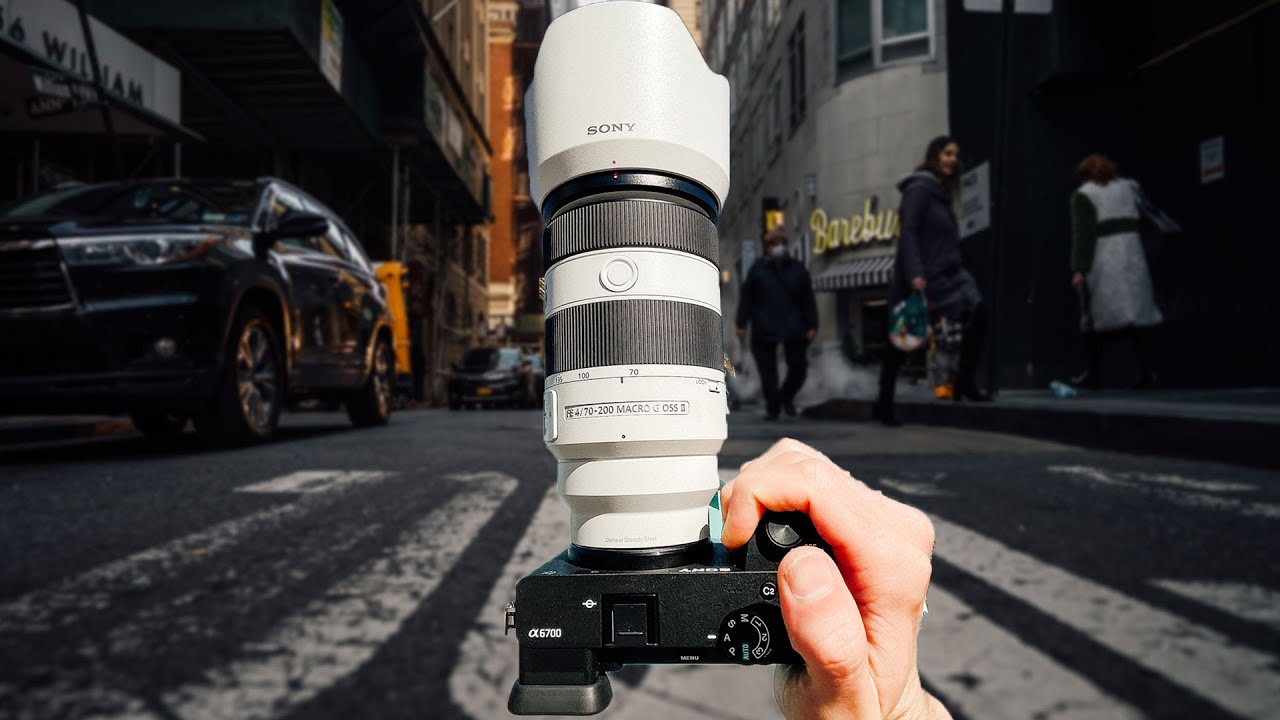
I keep a running spreadsheet of every lens I’ve tested against its price-to-performance ratio. Most of the time, the “Holy Grail” options sit at the top because of reputation, not results. The 70-200mm f/2.8 is the perfect example. It’s the lens everyone points to as the gold standard for telephoto work, and honestly, it earns that reputation. But I’ve been asking myself lately whether that reputation is making photographers overpay for capabilities they don’t actually use.
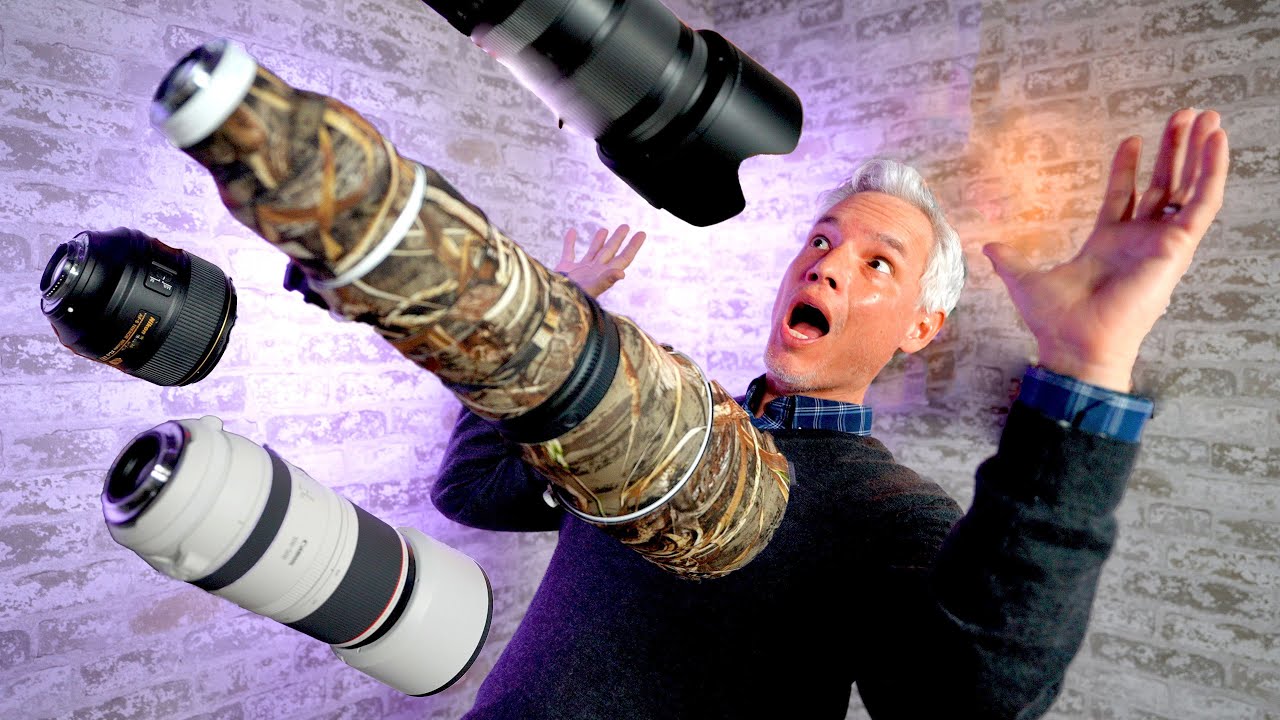
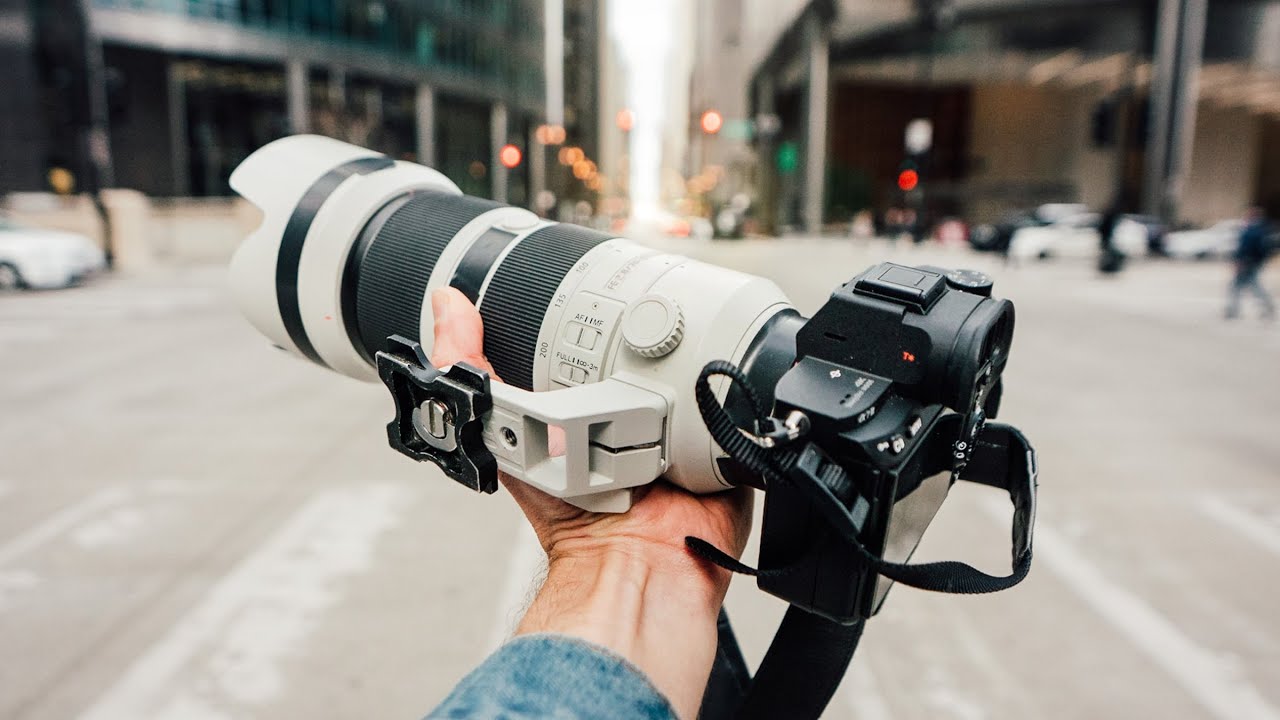
Canon, Nikon, and Sony Are Dropping New Lenses Fast — Here's What's Actually Worth Watching

Canon, Nikon, and Sony Are Dropping New Lenses Fast — Here's What's Actually Worth Watching

Every few months I’ll be deep in my deal-tracking spreadsheet, cross-referencing lens prices across a dozen retailer tabs, and I’ll realize I’ve spent three hours researching gear I might buy instead of actually planning what I want to shoot. That habit did save me once, though. I spotted a price drop on a third-party prime the same week a new first-party lens was announced, and I understood immediately that the announcement had quietly devalued everything adjacent to it.

Why I'd Swap a Heavy Zoom for a Tiny Prime on Any Travel Trip (And You Probably Should Too)

Why I'd Swap a Heavy Zoom for a Tiny Prime on Any Travel Trip (And You Probably Should Too)

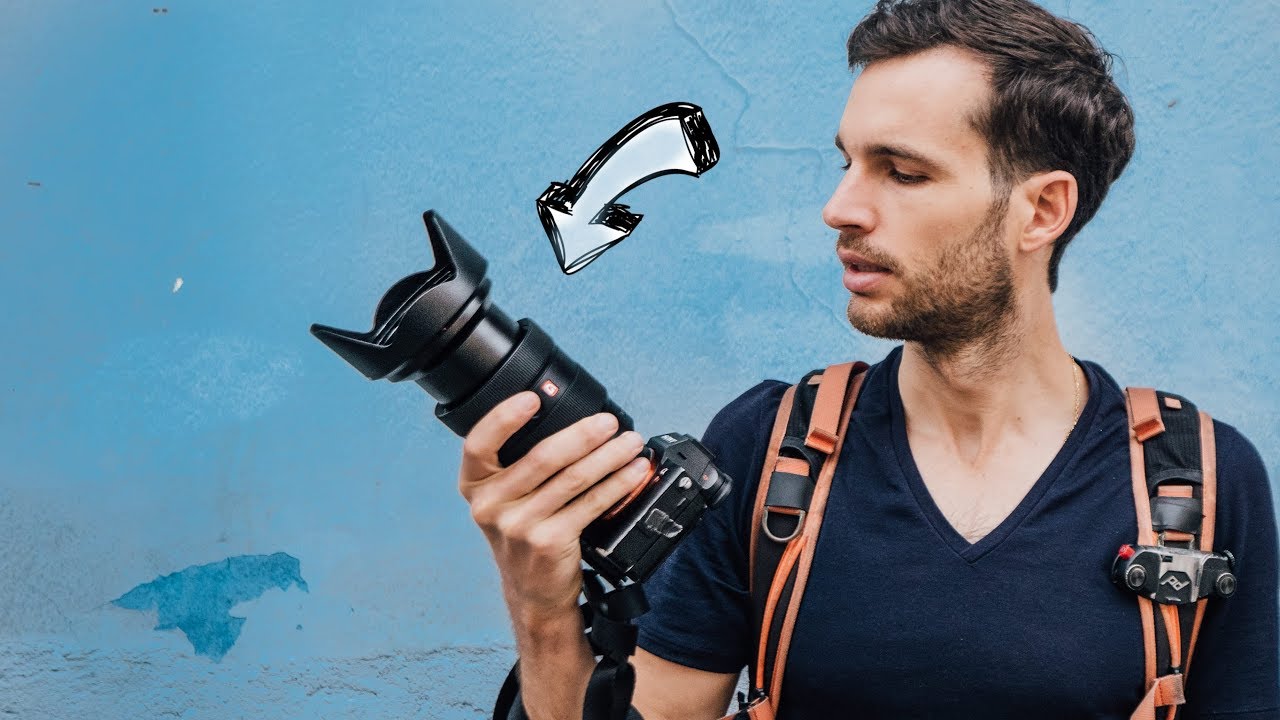
There’s a version of gear ownership where the “best” lens becomes a liability. I’ve watched it happen to shooters who carry a $2,000 zoom to a street market and spend more energy protecting the glass than actually shooting. The lens wins. The photos lose. In this Pierre T. Lambert tutorial, Pierre walks through a decision he’d been wrestling with for over a year: leaving his Sony 70-200mm f/2.8 at home for a trip to Tulum, Mexico, and replacing it with the Sony 85mm f/1.

Sony 20mm f/1.8 vs Sigma 20mm f/2: Which Wide-Angle Actually Wins for Landscape and Astro Work?

Sony 20mm f/1.8 vs Sigma 20mm f/2: Which Wide-Angle Actually Wins for Landscape and Astro Work?

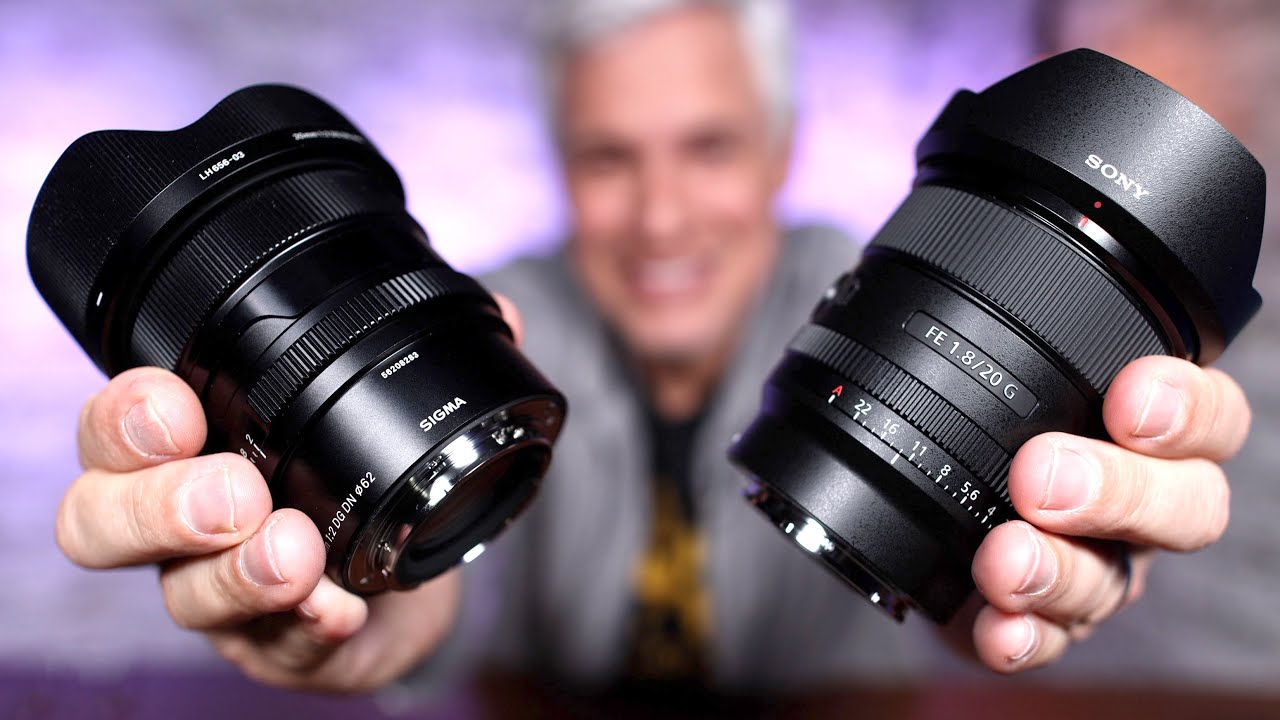
Every time I’m about to pull the trigger on a lens, I end up in the same rabbit hole: spec sheets, forum arguments, and sample images shot under perfect studio conditions that tell me almost nothing about how the thing behaves when I’m freezing at 2 a.m. trying to photograph the Milky Way outside Denver. That’s why I stopped trusting spec sheets and started trusting side-by-side field tests. Tony and Chelsea Northrup do some of the most methodical lens comparisons on YouTube, and their recent shootout between the Sony 20mm f/1.

Sony's 500mm and 600mm f/4 Lenses Are Coming - Here's What Wildlife and Sports Shooters Need to Know

Sony's 500mm and 600mm f/4 Lenses Are Coming - Here's What Wildlife and Sports Shooters Need to Know

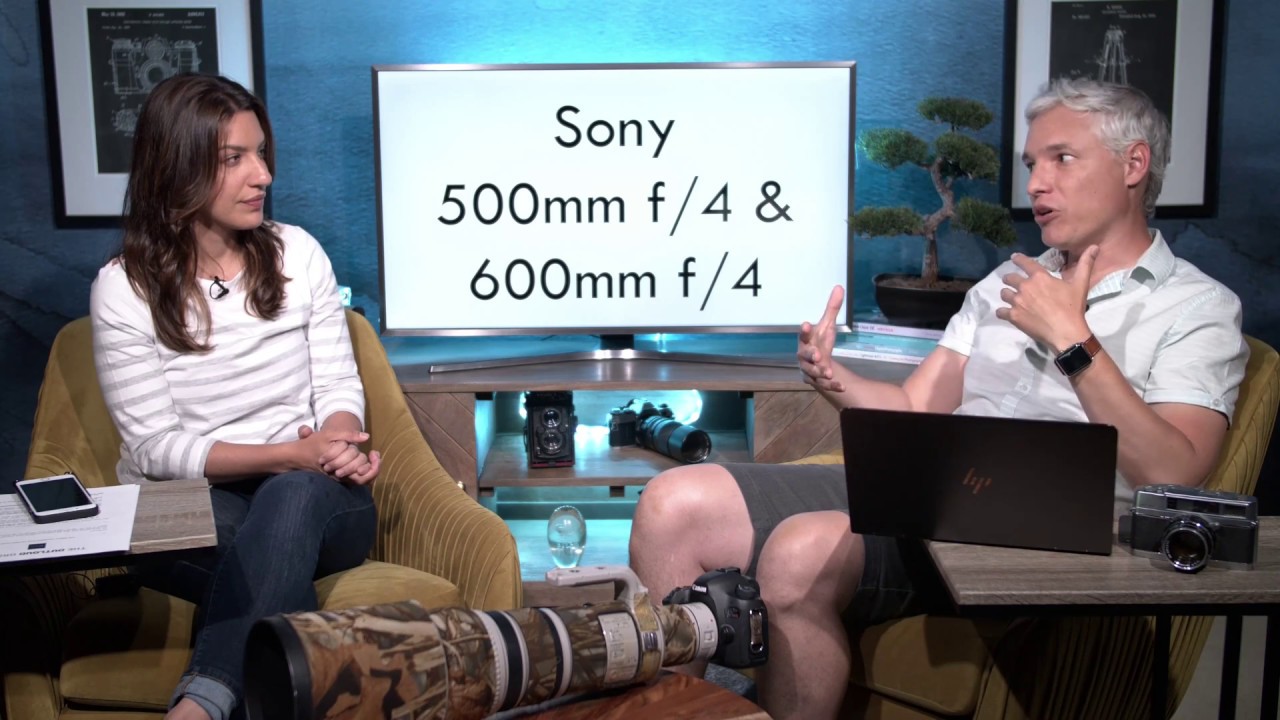
I spend most of my time digging through budget gear and deal alerts, but every once in a while something lands in the news cycle that matters even to someone who flinches at four-figure price tags. Sony’s native glass lineup has been a genuine weak point for anyone who moved to the a9 for sports or wildlife shooting. You’ve got a world-class body with no real long telephoto to put on it - at least nothing made by Sony.

Every Sony 50mm Autofocus Lens Ranked: What a 11-Lens Shootout Actually Taught Me

Every Sony 50mm Autofocus Lens Ranked: What a 11-Lens Shootout Actually Taught Me

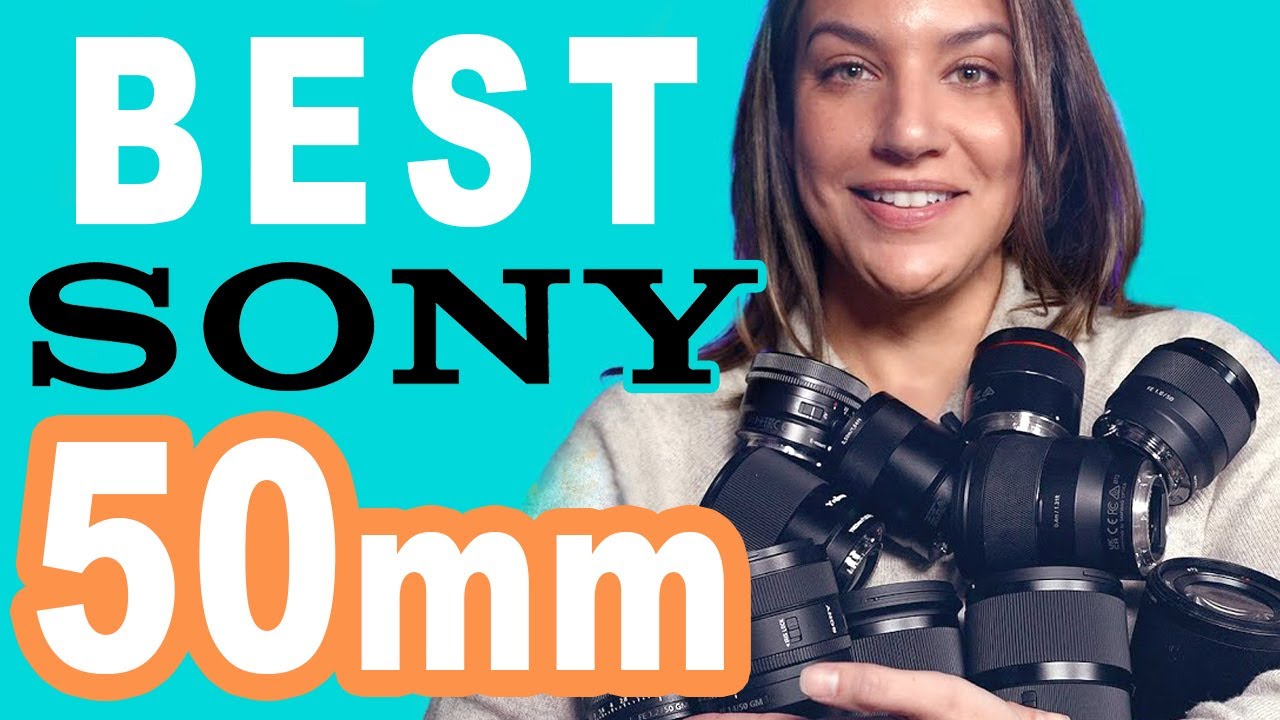
If you’re still shooting on the kit lens that came with your camera, I get it. That’s exactly where I started. But the single upgrade that changed how my images looked wasn’t a new camera body or a fancy flash. It was a fast 50mm prime. The subject separation alone, pulling your subject out of a cluttered background with a wide aperture, makes your photos look intentional rather than accidental. And in low light, a fast 50mm is the difference between a clean, usable shot and something grainy and soft that you’d never post.

Sony 24-105mm f/4 vs Sigma 28-105mm f/2.8: Which Sony Zoom Actually Wins?

Sony 24-105mm f/4 vs Sigma 28-105mm f/2.8: Which Sony Zoom Actually Wins?

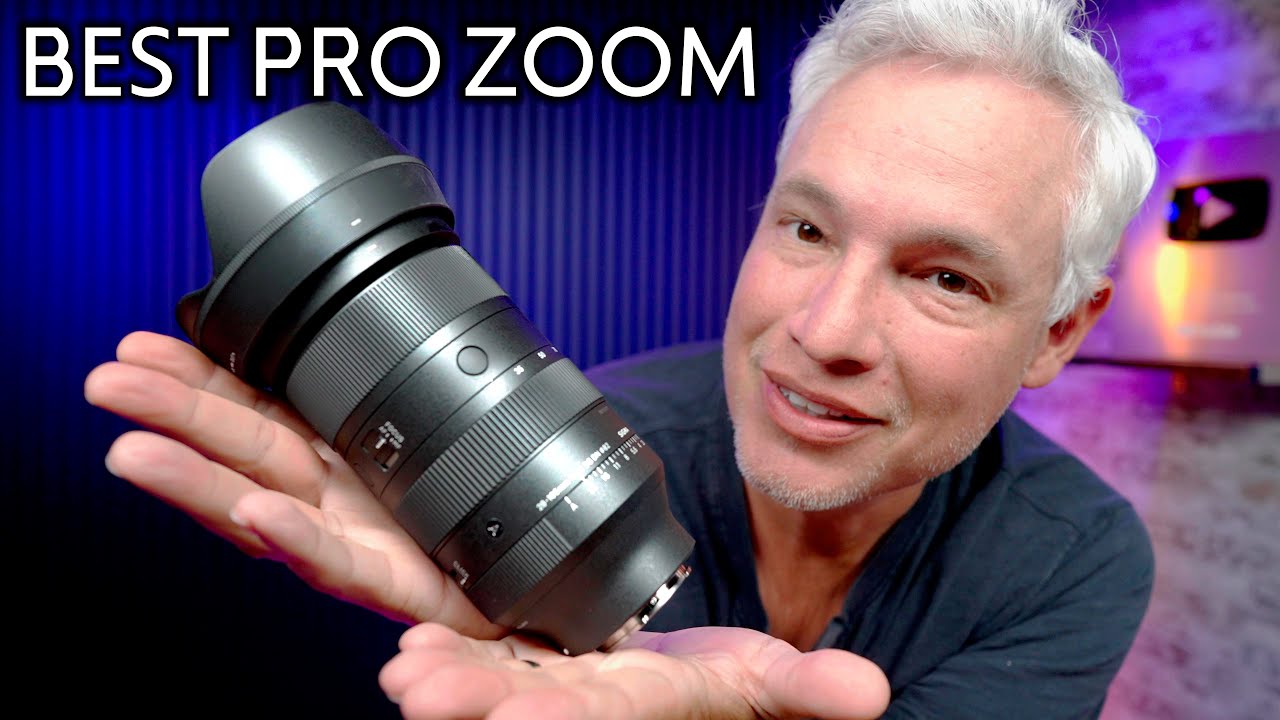
There’s a question I see constantly in Sony shooter communities: do you go with the lighter, more affordable Sony 24-105mm f/4 G OSS, or do you pay up for the beefier Sigma 28-105mm f/2.8? I’ve been watching this debate heat up ever since the Sigma hit the market, and I wanted a comparison grounded in actual test data rather than spec-sheet opinions. That’s exactly what I found in this Tony & Chelsea Northrup tutorial, which puts both lenses through sharpness tests, backlit portrait scenarios, and a real-world usability comparison.

Sony 35mm f/1.8: The Street Lens That Actually Fits in Your Pocket (Pierre T. Lambert Hands-On Breakdown)

Sony 35mm f/1.8: The Street Lens That Actually Fits in Your Pocket (Pierre T. Lambert Hands-On Breakdown)

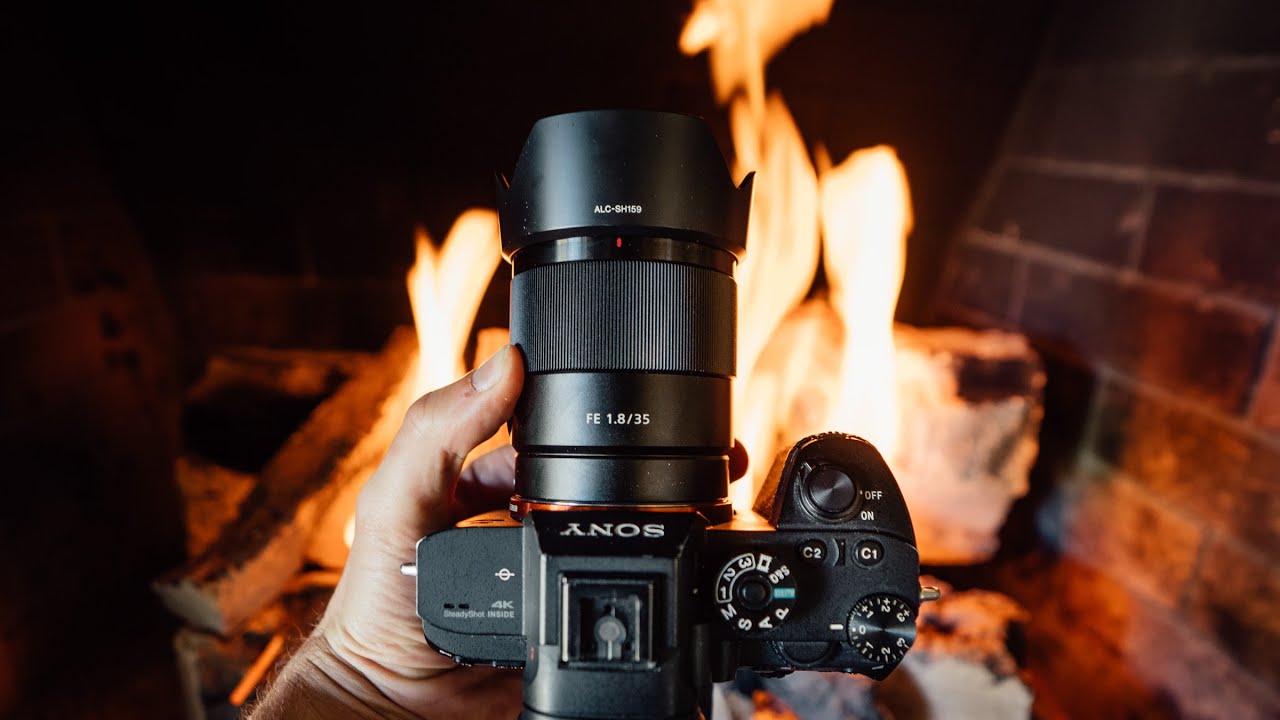
I have a simple test for any lens I’m considering for street work: does it fit in my jacket pocket with the hood on? If it doesn’t, it stays home. That might sound like a weird filter, but after years of reviewing budget gear and hunting down deals, I’ve learned that the best lens is the one you actually carry. Expensive glass sitting in a bag because it’s too bulky is just an expensive paperweight.

Sony 24-70mm f/2.8 for Street Photography: What Pierre T. Lambert's Field Test Actually Tells You

Sony 24-70mm f/2.8 for Street Photography: What Pierre T. Lambert's Field Test Actually Tells You

I’ll be straight with you: I’ve spent more hours than I’d like to admit building spreadsheets comparing prime lenses to zoom lenses for street shooting. The argument always circles back to the same tension. Primes give you a decisive focal length and force discipline. Zooms give you options. For street photography specifically, “options” sounds good on paper until you’re fumbling with a massive lens at 70mm while someone walks past with perfect light.

Sony 12-24mm f/2.8 GM: Is It Actually Worth the Pain of That Price Tag?

Sony 12-24mm f/2.8 GM: Is It Actually Worth the Pain of That Price Tag?

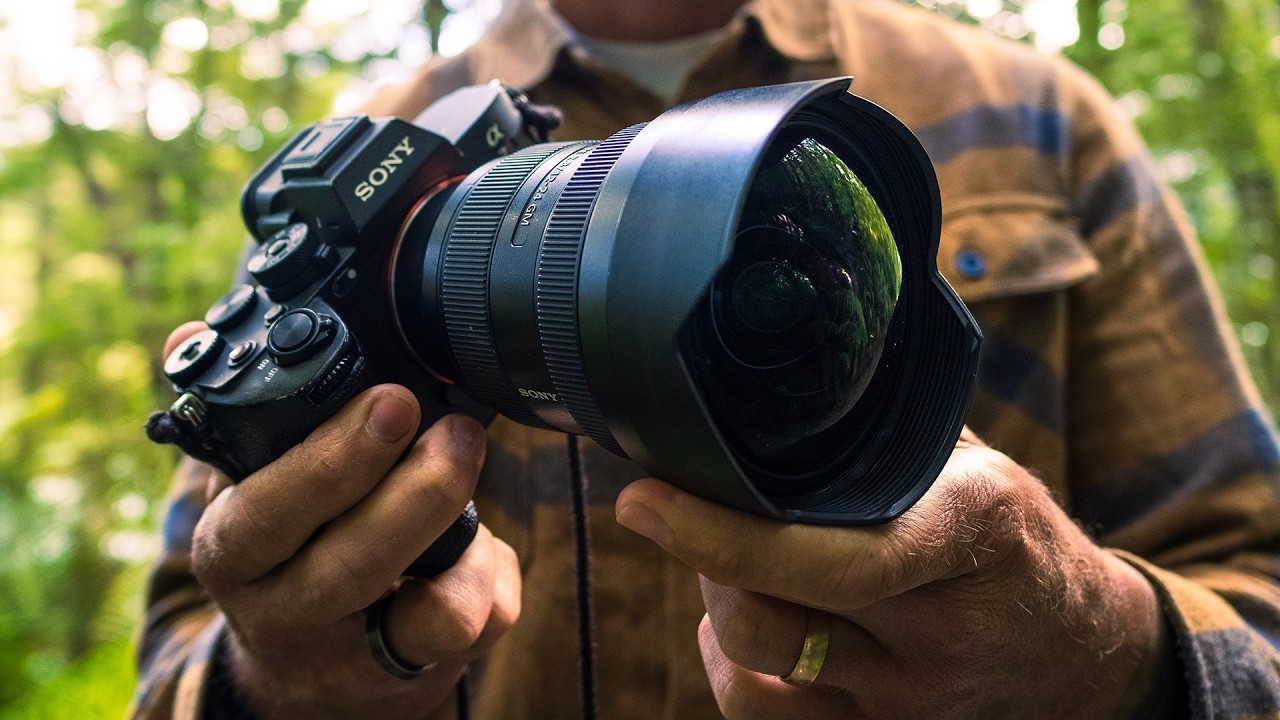
I’ll be upfront: I spend most of my time testing lenses that cost under $400. That’s my lane. But I keep a close eye on what working landscape photographers are actually using in the field, because understanding the top-tier options is the only way to know whether a budget alternative is actually worth your money or whether you’re just kidding yourself. That’s how I landed on this breakdown from William Patino, a landscape photographer who has owned and shot with the Sony 12-24mm f/2.