Nikon's $14K Telephoto Monster: Is This Lens Worth the Jaw-Dropping Price Tag?

Nikon's $14K Telephoto Monster: Is This Lens Worth the Jaw-Dropping Price Tag?

Another Day, Another $14K Lens Nikon officially dropped the Nikkor Z 120-300mm F2.8 TC VR S, and yeah, it costs exactly what you think it does: nearly fourteen grand. When Nikon started teasing this thing earlier this year, I knew we were in for sticker shock. But seeing that actual price printed out? It still hits different. Look, I’m not here to shame anyone buying professional gear. If you’re shooting for major publications, sports franchises, or running a commercial studio, you’ve probably already allocated the budget.

Sigma 200mm f/2 Review: Is a $3,200 Portrait Lens Actually Worth It?

Sigma 200mm f/2 Review: Is a $3,200 Portrait Lens Actually Worth It?

I’ll be straight with you: I spend most of my time hunting deals on glass that costs under $500. My whole thing is proving that expensive gear is rarely the answer. But every once in a while, a lens comes along that makes me stop and actually think through the value proposition instead of just reflexively saying “too expensive, move on.” The Sigma 200mm f/2 is one of those lenses. In this Tony & Chelsea Northrup tutorial, Chelsea walks through a full hands-on breakdown of this lens, and watching it forced me to think seriously about what you’re actually buying when you spend $3,200 on a single piece of glass.

What a $12,000 Telephoto Lens Taught Me About Shooting Portraits (That You Can Apply for Way Less)

What a $12,000 Telephoto Lens Taught Me About Shooting Portraits (That You Can Apply for Way Less)

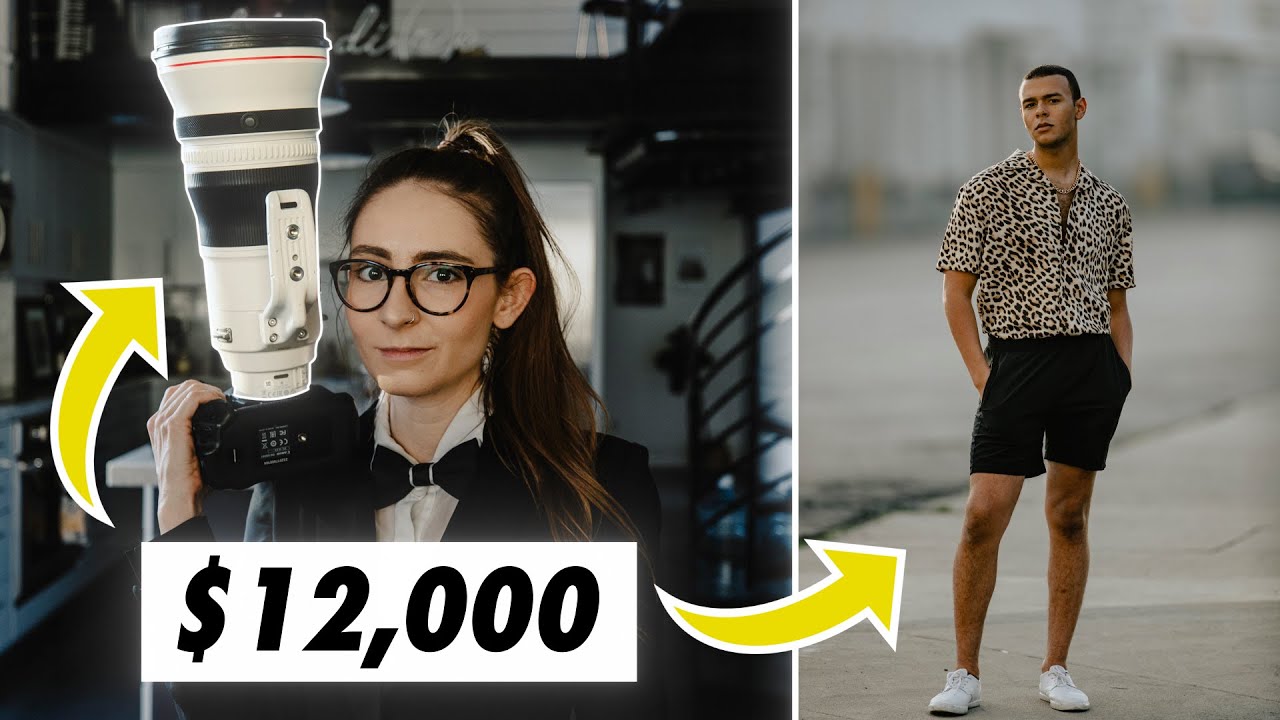
Most portrait photographers top out at 85mm or maybe 135mm and call it a day. I’ve been in that camp for years, and honestly, it makes sense for run-and-gun work. But there’s a whole different look sitting at the long end of the focal length spectrum, and unless you’ve shot with a serious telephoto, it’s hard to picture what you’re actually giving up. That question is exactly what Mango Street set out to answer in Watch the full tutorial on YouTube, when they rented Canon’s 400mm f/2.

The Canon 5DS/5DSR for Wildlife: 50 Megapixels Sounds Amazing Until You Actually Think It Through

The Canon 5DS/5DSR for Wildlife: 50 Megapixels Sounds Amazing Until You Actually Think It Through

I’ll be honest - when Canon dropped the 5DSR with 50 megapixels and no anti-aliasing filter, my first instinct was to add it to a wishlist. More megapixels for wildlife cropping? That sounds like exactly the kind of upgrade that changes everything. But I’ve learned the hard way that specs on paper have a way of falling apart when you’re standing in a field at 5am waiting for an osprey to move.

The Best Telephoto Lens Deals Right Now—And Which Ones Are Actually Worth It

The Best Telephoto Lens Deals Right Now—And Which Ones Are Actually Worth It

The Best Telephoto Lens Deals Right Now—And Which Ones Are Actually Worth It Look, I’m not going to pretend that every telephoto lens on sale right now is a steal. But there’s genuinely solid pricing happening across multiple camera systems, and if you’ve been waiting to upgrade your reach, this is actually worth paying attention to. The telephoto market has exploded for mirrorless shooters. Whether you’re shooting Sony, Canon, Nikon, or any other system, manufacturers are finally delivering the lenses photographers have been asking for.

Olympus's Last Lens Is a $7,500 Mistake (And the Sony FX6 Might Be the Pro Video Camera I've Been Waiting For)

Olympus's Last Lens Is a $7,500 Mistake (And the Sony FX6 Might Be the Pro Video Camera I've Been Waiting For)

I spend a lot of mornings doing something most photographers don’t bother with: running the actual math on gear before I get excited about it. Manufacturer spec sheets are written to make things sound impressive, and that gap between “sounds impressive” and “is actually worth your money” is exactly where bad purchasing decisions live. When I watched the latest Tony & Chelsea Northrup tutorial covering Olympus’s final-ever lens release and the newly announced Sony FX6, I had that familiar feeling of someone else doing the homework I would have done anyway.

Is the Panasonic Lumix 100-500mm the Wildlife Lens Budget Shooters Have Been Waiting For?

Is the Panasonic Lumix 100-500mm the Wildlife Lens Budget Shooters Have Been Waiting For?

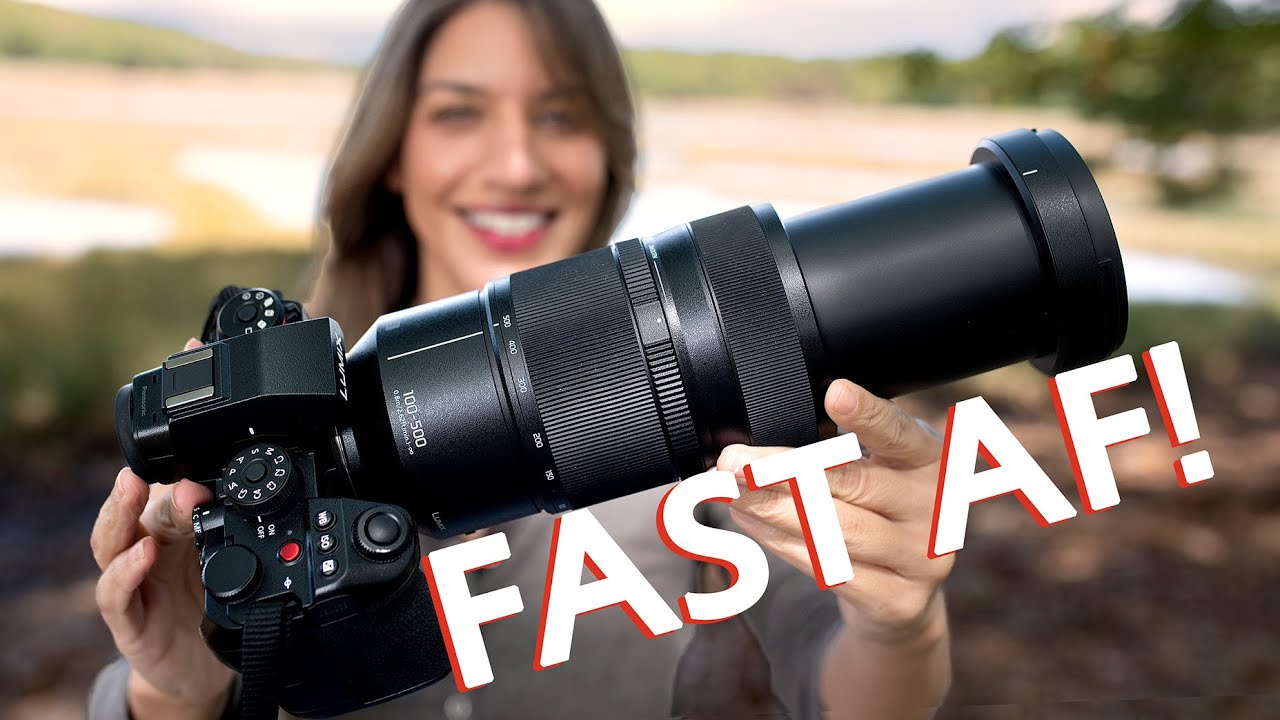
Finding a wildlife lens that won’t destroy your bank account while still delivering usable results is genuinely hard. The sweet spot everyone is hunting for - enough reach, fast enough autofocus, light enough to actually carry - keeps moving just out of reach depending on your budget. I’ve been tracking telephoto options in my lens comparison spreadsheet for a while now, and the $2,100 Panasonic Lumix 100-500mm F5-7.1 recently jumped to the top of my “keep watching” list.

What Happens When You Shoot Portraits With a 600mm f/4 Lens (And What It Actually Teaches You)

What Happens When You Shoot Portraits With a 600mm f/4 Lens (And What It Actually Teaches You)

Most of my work is built around a pretty simple argument: the gear ceiling for great photos is a lot lower than the industry wants you to think. I’ve got a spreadsheet with every budget lens I’ve tested, and the pattern is consistent. Past a certain point, you’re paying for bragging rights, not better pictures. So when I came across this Tony & Chelsea Northrup tutorial where Tony hauls a 600mm f/4 telephoto out into a field to shoot portraits, my first instinct was to roll my eyes.

Sony's 500mm and 600mm f/4 Lenses Are Coming - Here's What Wildlife and Sports Shooters Need to Know

Sony's 500mm and 600mm f/4 Lenses Are Coming - Here's What Wildlife and Sports Shooters Need to Know

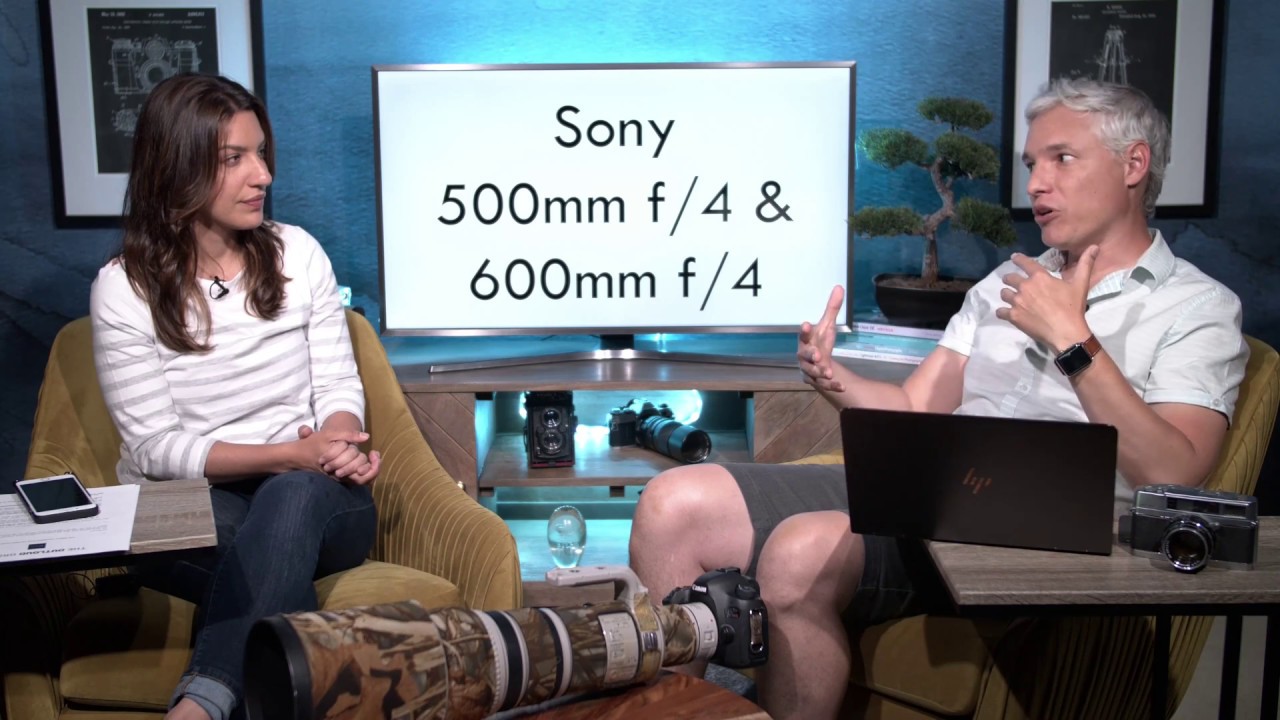
I spend most of my time digging through budget gear and deal alerts, but every once in a while something lands in the news cycle that matters even to someone who flinches at four-figure price tags. Sony’s native glass lineup has been a genuine weak point for anyone who moved to the a9 for sports or wildlife shooting. You’ve got a world-class body with no real long telephoto to put on it - at least nothing made by Sony.