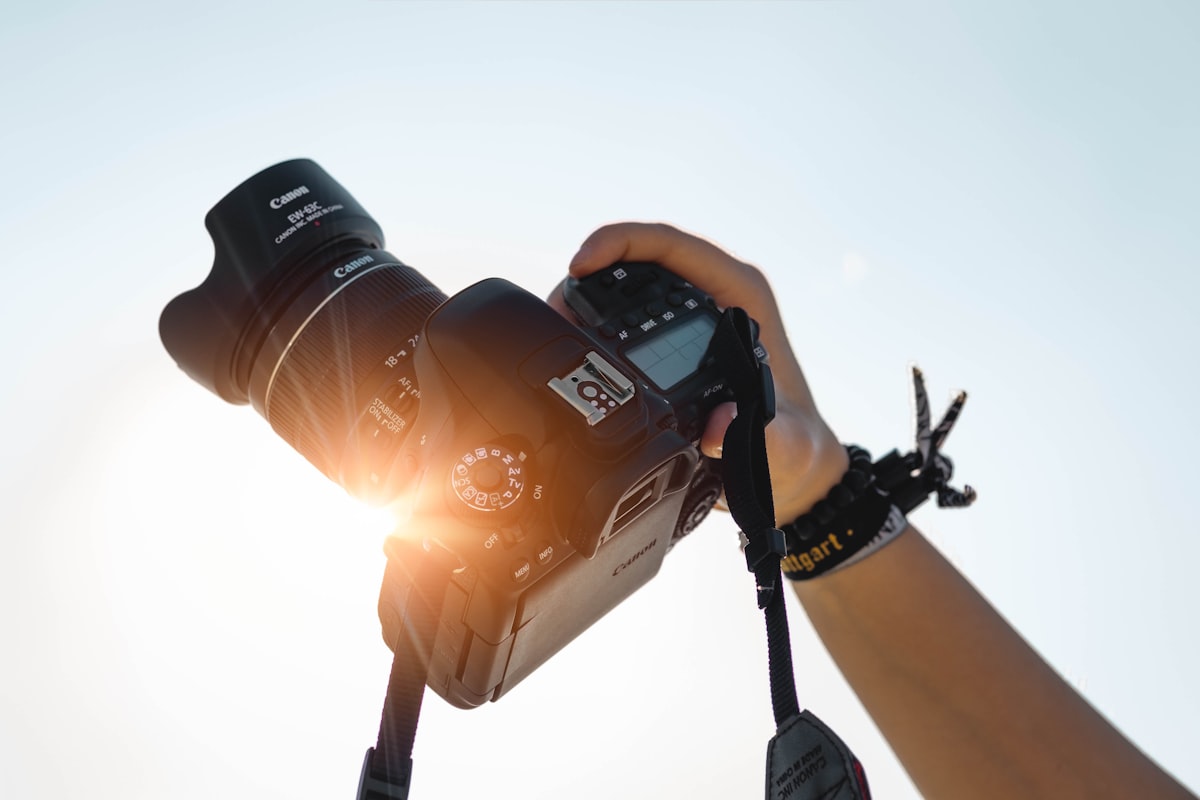
Stop Believing Camera Review Hype — Here’s What Actually Matters
I’ve been reviewing cameras for five years now, and I’m tired of watching photographers drop two grand on a body because some YouTuber with a sponsorship deal said it was “revolutionary.” It’s not. Most of the time, you’re paying for marginal improvements and marketing.
Let me be direct: I don’t care about brand prestige, and neither should you. I care about what a camera actually does and whether it’s worth the money. That’s the only metric that matters.
The Specs Lie — Build Quality Doesn’t
Every camera review site will bombard you with megapixels, autofocus points, and dynamic range numbers. Yawn. Here’s what I actually test: How does this feel in my hands after four hours? Does the viewfinder fog up when I’m shooting in humidity? Will the battery door fall off after six months?
I recently tested two mirrorless bodies in the same price bracket. One had slightly better autofocus specs on paper. The other had a more robust shutter mechanism and didn’t develop focus errors in cold weather. Guess which one I recommended? The second one, obviously. Build quality compounds over years of use. Specs are forgotten after the first month.
When I review a camera, I stress-test it. I shoot in rain. I bang it around. I charge it fifty times. I’m looking for the real-world durability that manufacturers hide in the fine print.
The Megapixel Trap
Stop chasing megapixels. Seriously. A 24MP sensor from five years ago will outperform a 45MP sensor if the older camera has better glass in front of it and better processors behind it.
I see photographers constantly upgrading from 20MP to 42MP bodies, thinking they’ll finally get sharp images. They won’t. The problem is usually the lens, the technique, or both. A high-resolution sensor just makes your mistakes bigger.
Here’s my rule: If you can’t fill your current resolution with intentional content, you don’t need more megapixels. If you’re printing at 11x14 or smaller, or shooting for web, anything over 24MP is honestly overkill. I’ll say it again because it matters: you’re wasting money on resolution you can’t use.
Autofocus Speed Isn’t Everything
Modern cameras have incredible autofocus. Even budget models lock focus faster than you can blink. The obsession with autofocus specs is mostly pointless unless you’re shooting professional sports or wildlife full-time.
What actually matters: Does the autofocus hunting drive you insane? Does it track moving subjects reliably? Does it work with your existing lenses? Test it in person. Video specs mean nothing if the implementation is clunky.
My Review Process — What I Actually Measure
When I test a camera, here’s what gets my attention:
- Battery life under real conditions — not the manufacturer’s claims. I shoot until it dies, then I tell you the truth.
- Menu navigation speed — because you’ll spend more time scrolling than you think.
- Heat performance — does it shut down mid-shoot? How often? For how long?
- Used market value retention — because you’ll likely sell it eventually, and a depreciating camera is an expensive camera.
- Lens ecosystem cost — a cheap body paired with expensive lenses is still expensive.
The Bottom Line
I don’t recommend cameras based on hype cycles or brand loyalty. I recommend them based on what they actually do, how they’re built, and whether they deliver value relative to alternatives.
The best camera isn’t the newest one. It’s usually the one that’s six months to two years old, already discounted, with proven reliability and a growing used market. That’s where real value lives.
Don’t pay for tomorrow’s features. Buy what solves your problems today.
Comments
Leave a Comment