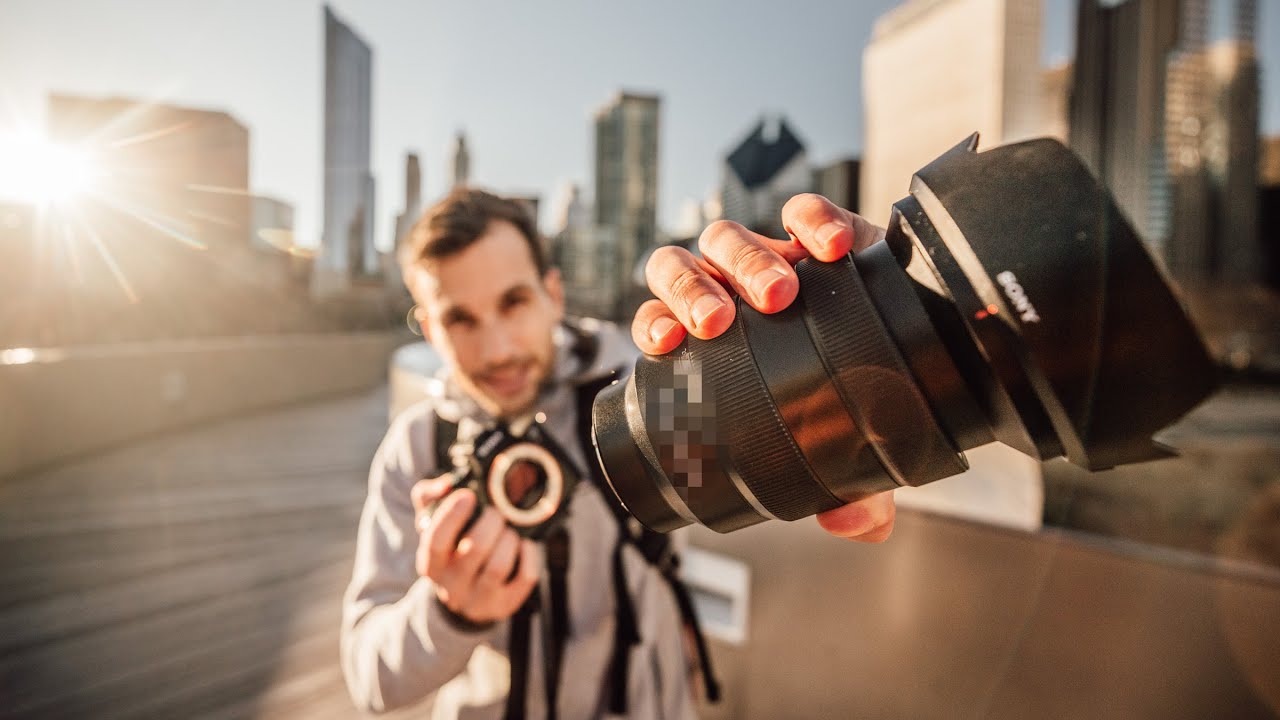
Every few months I get the same message from readers: “Tyler, should I buy the 50mm or the 85mm?” And every time, I want to say the same thing — I have no idea, because I don’t know how you actually shoot. That’s the problem with most lens buying advice, including a lot of what I’ve written. It treats gear decisions like math problems with universal answers, when really the right lens is completely personal to how you work.
That’s why a recent video from photographer Pierre T. Lambert hit differently. Watch the full tutorial on YouTube — it’s casual and shot in the field, but buried inside it is a genuinely useful framework for figuring out which lens you should actually own next. Lambert is a working travel and adventure photographer, and in this tutorial he shares both a “secret” technique for identifying your most-used focal length and his own surprising answer to the one-lens question. His co-shooter Alex gives a second pro perspective that rounds the whole thing out.
The core idea is deceptively simple, but I’ve been thinking about it since I watched it, and it lines up with something I’ve noticed in my own shooting. Here’s how to apply it, step by step.
Step 1: Pose the One-Lens Question to Yourself
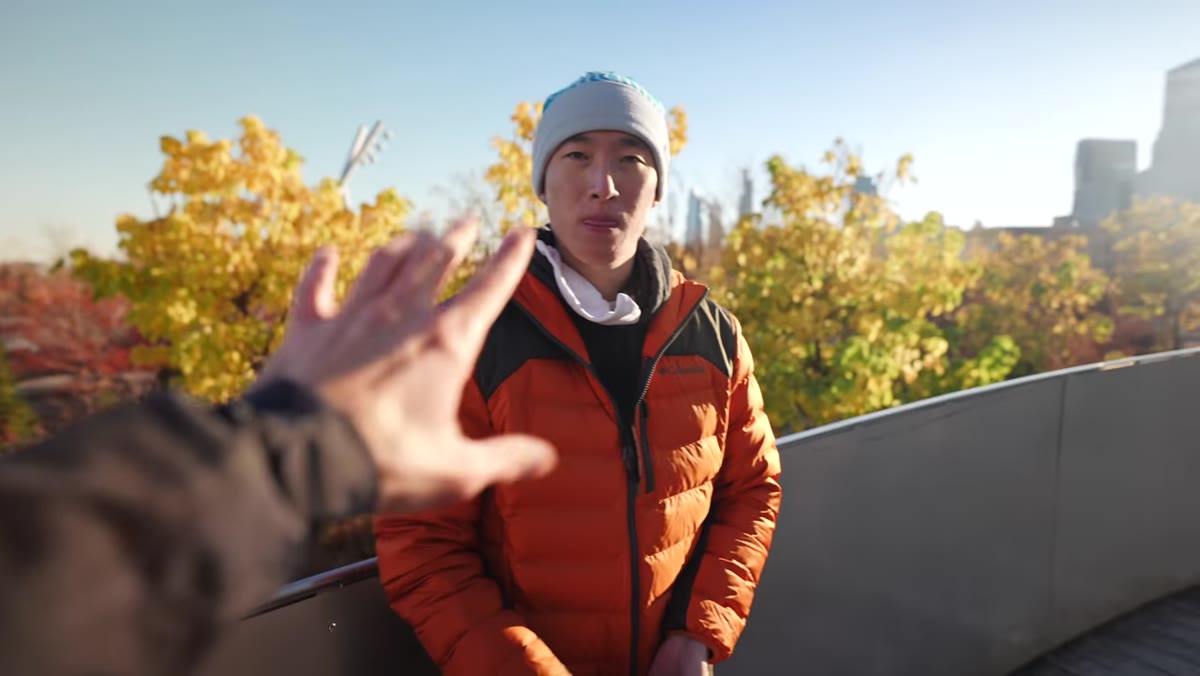 Pierre asking which single lens does everything
Start with a constraint. Ask yourself: if I could only bring one lens to every shoot for the next year, which one would I actually reach for? Not which one you think sounds impressive. Not the lens you spent the most money on. The one you’d genuinely trust to cover your work.
Pierre asking which single lens does everything
Start with a constraint. Ask yourself: if I could only bring one lens to every shoot for the next year, which one would I actually reach for? Not which one you think sounds impressive. Not the lens you spent the most money on. The one you’d genuinely trust to cover your work.
This is harder than it sounds. Most photographers own lenses they feel obligated to justify. The point of the question is to cut through that. Your gut answer, before you start rationalizing, is real data about how you see and what you shoot.
Step 2: Audit What You Actually Use
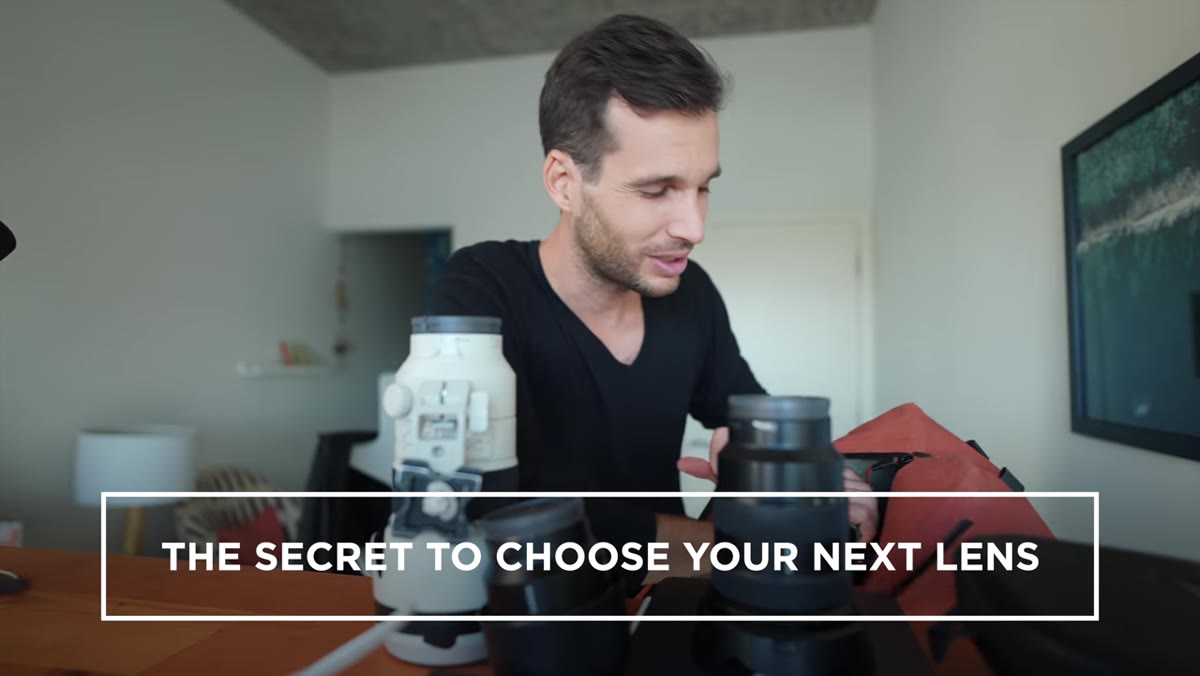 Pierre listing focal lengths he owns and shoots with
Lambert mentions owning everything from ultra-wide to super-telephoto — 16-35, 24, 85, 70-200, 400, 600. Then he makes a point that should stop you in your tracks: despite all of that, he keeps coming back to one specific lens. That pattern is the signal.
Pierre listing focal lengths he owns and shoots with
Lambert mentions owning everything from ultra-wide to super-telephoto — 16-35, 24, 85, 70-200, 400, 600. Then he makes a point that should stop you in your tracks: despite all of that, he keeps coming back to one specific lens. That pattern is the signal.
Go through your recent work. Pull up your last 50 keepers, the shots you actually liked and used. Check the EXIF data on each one and note the focal length. If you’re shooting with a zoom, look at where you were sitting most of the time. I did this with my own archive last spring and found that something like 70 percent of my keepers were shot between 24mm and 35mm. That told me more than any review I’ve ever read.
Step 3: Match Your Most-Used Focal Length to Your Shooting Style
 Alex explaining why the 16-35 fits his travel and landscape work
When Lambert asks Alex the one-lens question on camera, Alex immediately picks the 16-35mm and explains exactly why: he shoots travel, adventure, and landscape, and the wide angle gives scenes a sense of scale. It puts the viewer inside the environment rather than looking at it from a distance. But he’s also direct about the flip side — if you’re a portrait or lifestyle shooter, that lens probably isn’t your answer.
Alex explaining why the 16-35 fits his travel and landscape work
When Lambert asks Alex the one-lens question on camera, Alex immediately picks the 16-35mm and explains exactly why: he shoots travel, adventure, and landscape, and the wide angle gives scenes a sense of scale. It puts the viewer inside the environment rather than looking at it from a distance. But he’s also direct about the flip side — if you’re a portrait or lifestyle shooter, that lens probably isn’t your answer.
This is the part most gear content skips. Matching a focal length to a shooting style isn’t about specs. It’s about what your images are trying to do. Wide angles compress distance and emphasize environment. Longer primes isolate subjects and flatten backgrounds. If your audit from Step 2 shows a clear pattern, ask yourself why you gravitate there — that answer tells you what your photography is actually about, and that should drive every future lens purchase.
Step 4: Evaluate Versatility as a Practical Feature, Not a Compromise
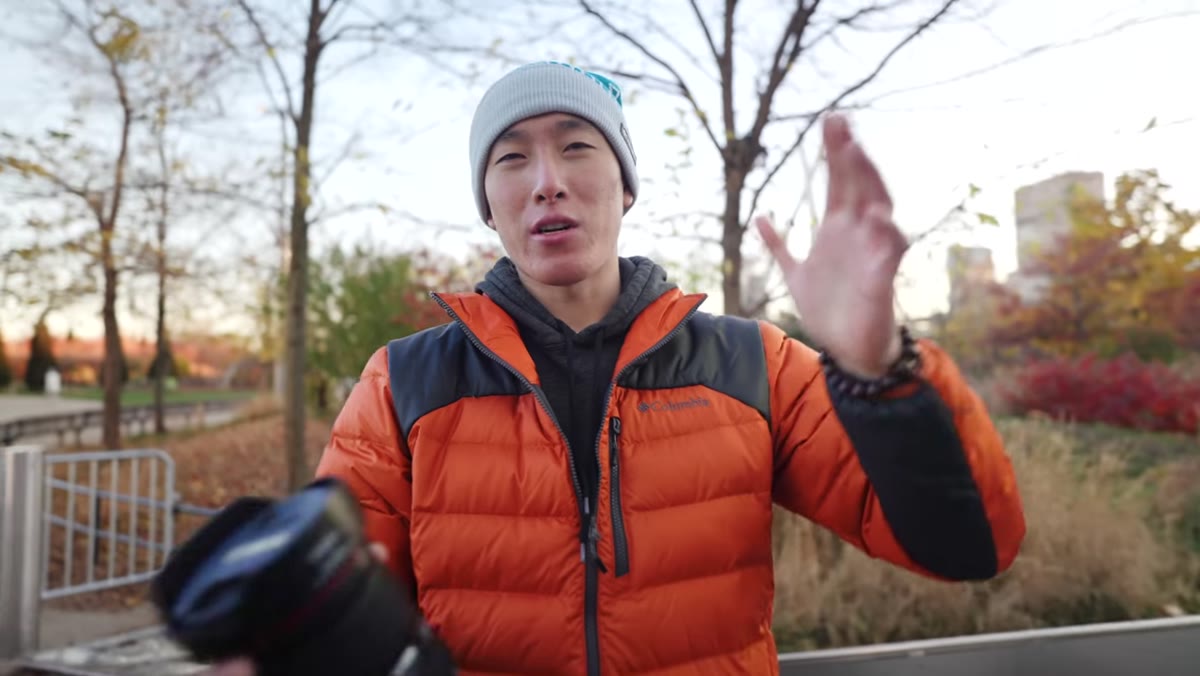
 Pierre holding the 16-35 and calling it versatile in the field
Both Lambert and Alex land on the 16-35mm as their answer, and both use the word “versatile” — not as a consolation prize, but as a genuine reason. Lambert points out he’s shooting with it actively during the video, using it for environmental portraits and wide compositions in the same session without swapping glass.
Pierre holding the 16-35 and calling it versatile in the field
Both Lambert and Alex land on the 16-35mm as their answer, and both use the word “versatile” — not as a consolation prize, but as a genuine reason. Lambert points out he’s shooting with it actively during the video, using it for environmental portraits and wide compositions in the same session without swapping glass.
Versatility gets a bad reputation in photography circles because people assume it means “mediocre at everything.” That’s not always true, especially with modern lenses. The more useful question is: does this lens cover multiple situations I actually encounter, at a quality level I’m satisfied with? If yes, that versatility is real value. If you’re buying a specialty lens for situations you shoot twice a year, the math usually doesn’t work out.
Step 5: Get a Second Opinion From Another Working Shooter
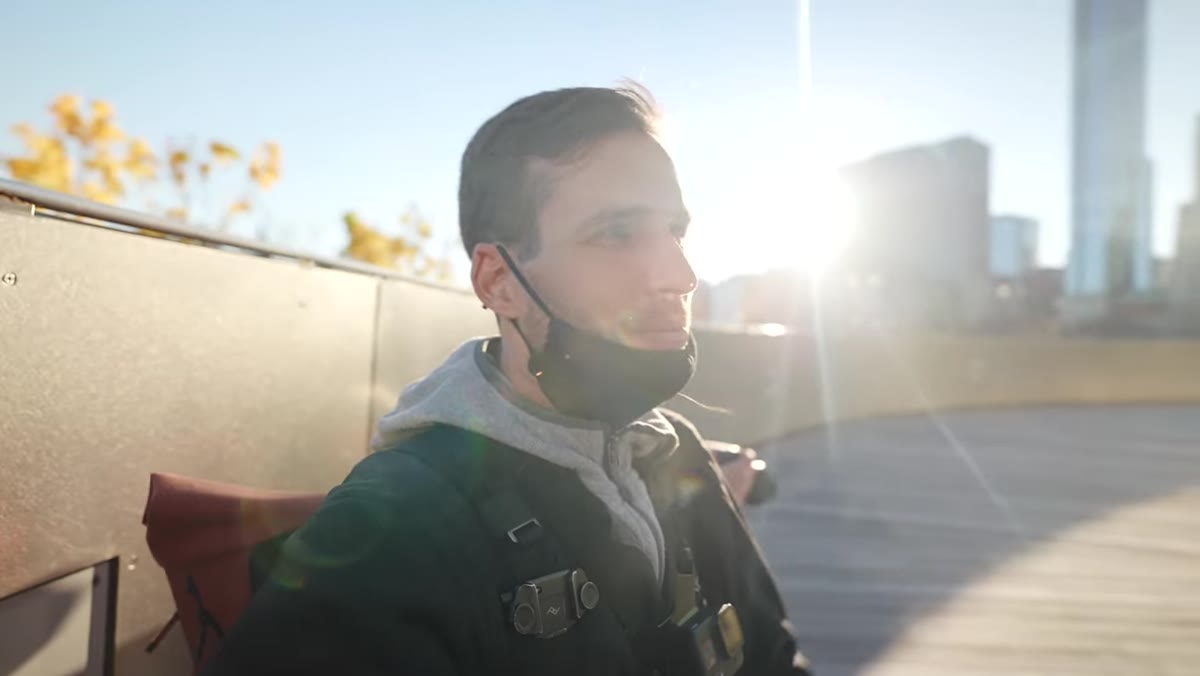
 Pierre asking Alex the one-lens question in the field
Lambert doesn’t just answer the question himself — he puts it to Alex, another professional, and lets him respond independently. They land in the same place, which validates the choice. But the more important thing is the process: asking a peer the same question gives you a reference point outside your own biases.
Pierre asking Alex the one-lens question in the field
Lambert doesn’t just answer the question himself — he puts it to Alex, another professional, and lets him respond independently. They land in the same place, which validates the choice. But the more important thing is the process: asking a peer the same question gives you a reference point outside your own biases.
If you have photographer friends, try this. Ask them what they’d keep if they had to sell everything else. Pay attention to how fast they answer — a quick, confident response usually means it’s a lens they’ve already pressure-tested. A long pause usually means they’re still figuring it out, same as you.
What I’d Add From My Own Experience
I’ve been shooting budget glass almost exclusively for three years, and the one-lens exercise Lambert describes works even better when you’re working with cheaper zooms. With a budget kit zoom, the EXIF audit often reveals you’re stuck at the wide end because the long end is too slow to use in real conditions. That’s information. It tells you whether your next buy should be a faster wide prime or a faster mid-range zoom — not which lens some review site ranked highest.
I’d also push back slightly on the idea that pros and beginners should answer the one-lens question the same way. If you’re still building your eye, the answer might not be obvious yet, and that’s fine. Do the audit anyway. Even if the results are scattered, that scatter tells you something — you’re still experimenting, which means a versatile zoom probably serves you better than committing to a prime right now.
The takeaway from Lambert’s tutorial isn’t a specific lens recommendation. It’s a method: look at what you’ve already done, find the pattern, and let that pattern tell you what to buy next. Stop asking what the best lens is in the abstract. Start asking what lens your actual shooting history is already pointing toward.
Watch the full tutorial on YouTube to see Lambert and Alex work through this in a real shooting session — the field context makes the reasoning a lot more concrete than any gear spec sheet ever will.
Comments
Leave a Comment