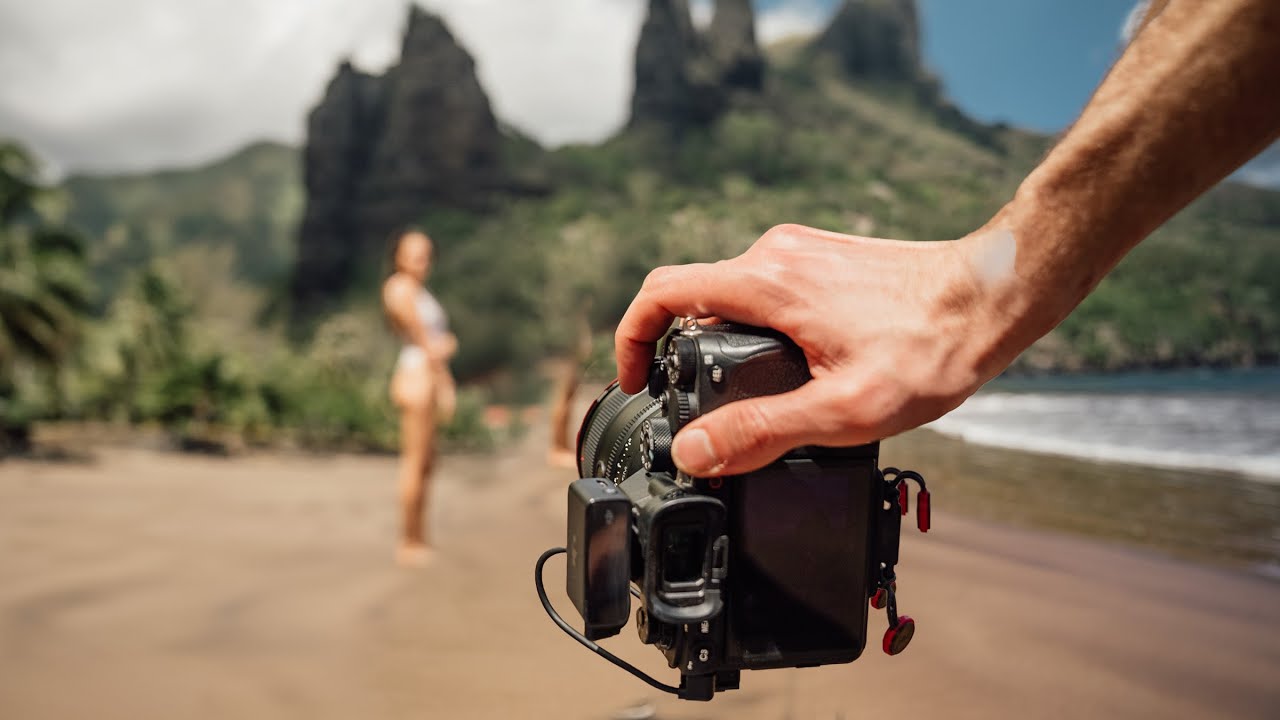
What Pierre T. Lambert's Gear-Losing Day in the Marquesas Actually Teaches You About Field Photography

What Pierre T. Lambert's Gear-Losing Day in the Marquesas Actually Teaches You About Field Photography

There’s a particular kind of photographer ego that gets humbled fast the moment you leave a controlled environment. I’ve shot in plenty of uncomfortable spots around Denver, but nothing strips your workflow down to its essentials like a remote location where the wrong call costs you the whole shoot. That’s exactly what makes this Pierre T. Lambert tutorial so worth dissecting. In it, he documents a full day of travel photography on Ua Pou in the Marquesas Islands, a genuinely hard-to-reach corner of French Polynesia, and things go sideways in almost every way imaginable.
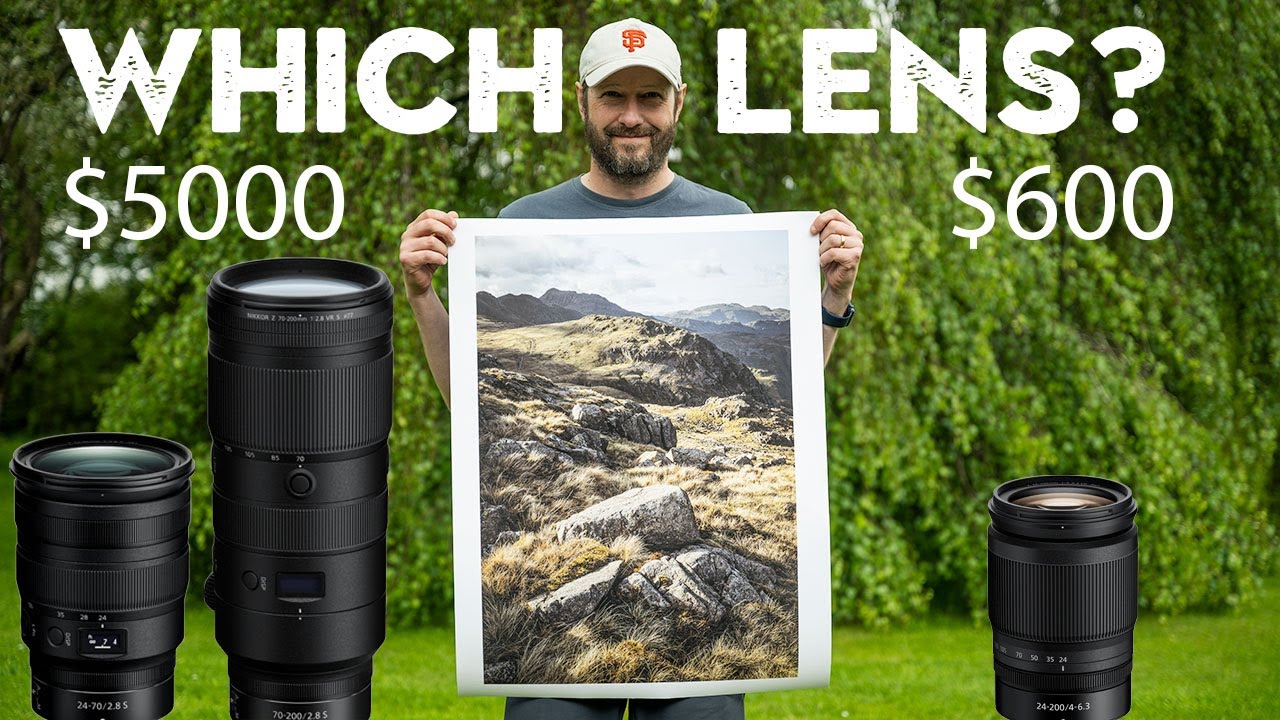
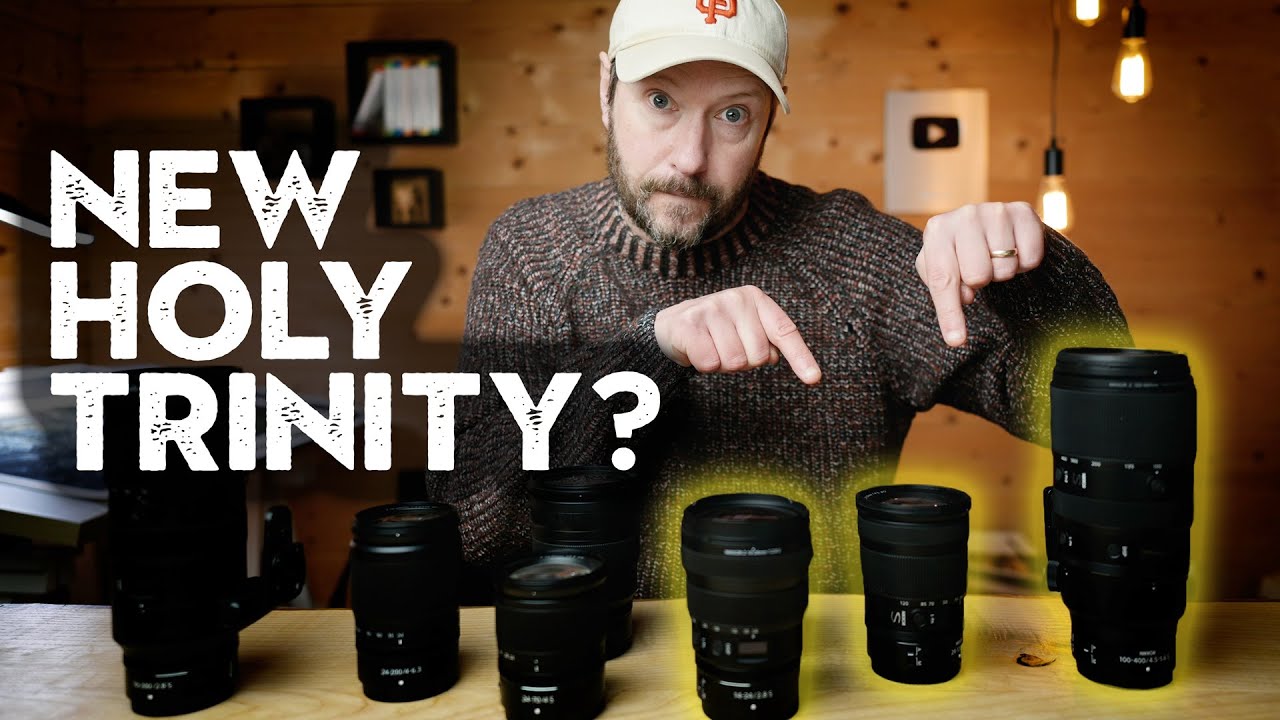
Do You Actually Need Multiple Lenses? How Nigel Danson's 24-200mm Approach Changed My Thinking

Do You Actually Need Multiple Lenses? How Nigel Danson's 24-200mm Approach Changed My Thinking

The question I get more than almost any other from readers is some version of: “Which lens should I buy?” And honestly, for a long time I gave lazy answers. I’d link to whatever had the best specs-to-price ratio on my spreadsheet and call it done. But the real question isn’t which lens is technically best. It’s which lens is best for the situation you’re actually walking into. That reframe is what makes this Nigel Danson tutorial worth your time, even if you’ve never touched a Nikon in your life.

The One-Lens Rule: How Pierre T. Lambert's Secret Technique Will Tell You Exactly What to Buy Next

The One-Lens Rule: How Pierre T. Lambert's Secret Technique Will Tell You Exactly What to Buy Next

Every few months I get the same message from readers: “Tyler, should I buy the 50mm or the 85mm?” And every time, I want to say the same thing — I have no idea, because I don’t know how you actually shoot. That’s the problem with most lens buying advice, including a lot of what I’ve written. It treats gear decisions like math problems with universal answers, when really the right lens is completely personal to how you work.

How Nigel Danson Uses Lightroom Metadata to Audit His Own Lens Habits (And What You'll Find When You Try It)

How Nigel Danson Uses Lightroom Metadata to Audit His Own Lens Habits (And What You'll Find When You Try It)

I’ll be honest: I’ve defended budget lenses so many times that I sometimes forget to question whether the lenses I’m actually reaching for are the right ones at all. Price versus performance is one thing. But what about the lens sitting in your bag that you keep telling yourself you’ll use more? That’s a different problem, and it’s one I hadn’t thought to measure until I watched Nigel Danson work through it on camera.

How to Stop Grabbing the Wrong Lens on Location (Mark Denney's 4-Question Framework)

How to Stop Grabbing the Wrong Lens on Location (Mark Denney's 4-Question Framework)

I used to burn the first 20 minutes of every golden hour just standing there second-guessing myself. Wide or telephoto? Should I move closer? Is this even the right spot? By the time I committed to a composition, the light had already peaked and I’d missed the window. I shoot on a budget, which means I’m usually rocking two lenses max, and somehow that made the paralysis worse, not better. When you have fewer options, you’d think it would be easier to decide.

One Camera, One Lens, No Bag: Scott Kelby's Japan Strategy Proves Minimalism Wins

One Camera, One Lens, No Bag: Scott Kelby's Japan Strategy Proves Minimalism Wins

There’s a version of travel photography that requires a rolling carry-on full of bodies, lenses, filters, and backup batteries. I know that version well because I spent about two years convinced it was the only way to come home with serious images. Then I watched photographers I respected keep showing up with one small bag and leaving with better shots than mine. The math stopped adding up. In this KelbyOne tutorial, Scott Kelby walks through an entire Japan expedition and the gear list is almost offensively short: one mirrorless camera, one lens, and an iPhone.

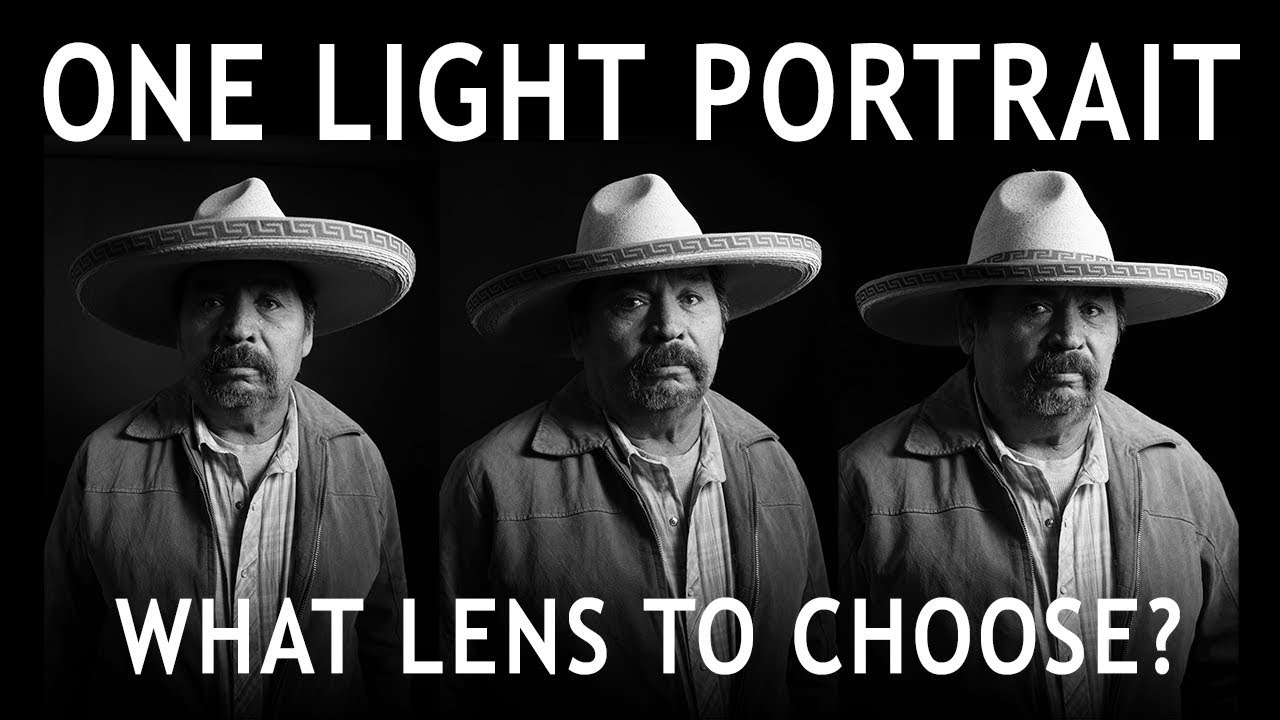
Which Lens Actually Wins for One-Light Portraits? A Breakdown of The Slanted Lens Tutorial

Which Lens Actually Wins for One-Light Portraits? A Breakdown of The Slanted Lens Tutorial

I’ve tested more budget lenses than I care to admit - there’s literally a spreadsheet on my desktop right now with 34 entries. But for a long time, I defaulted to whatever was in my bag without really thinking hard about why a specific focal length was the right call for a portrait session. That changed when I started paying closer attention to how focal length shapes the face, not just the frame.

Why Your Lens Choice Matters More Than Your Light Source (Joel Grimes Explains It Better Than I Did)

Why Your Lens Choice Matters More Than Your Light Source (Joel Grimes Explains It Better Than I Did)

I’ve been shooting portraits on budget glass long enough to have opinions about almost every sub-$300 lens on the market. I’ve got the spreadsheet to prove it. But I kept running into the same problem during outdoor shoots: two lenses, same aperture, same light source, wildly different results. One image had this soft, dimensional quality. The other looked flat. I kept blaming the light. Turns out I was blaming the wrong thing.