How to Actually Use a Wide Angle Lens for Landscapes (Not Just Zoom Out and Hope)

How to Actually Use a Wide Angle Lens for Landscapes (Not Just Zoom Out and Hope)

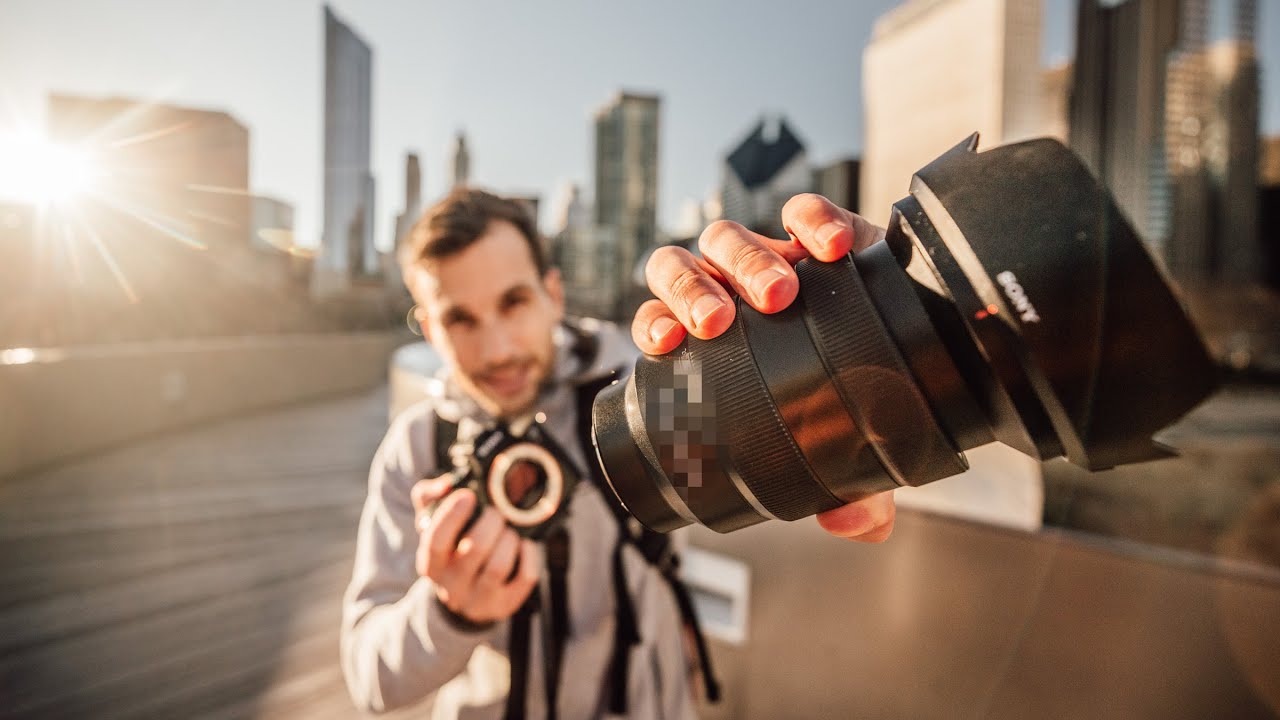
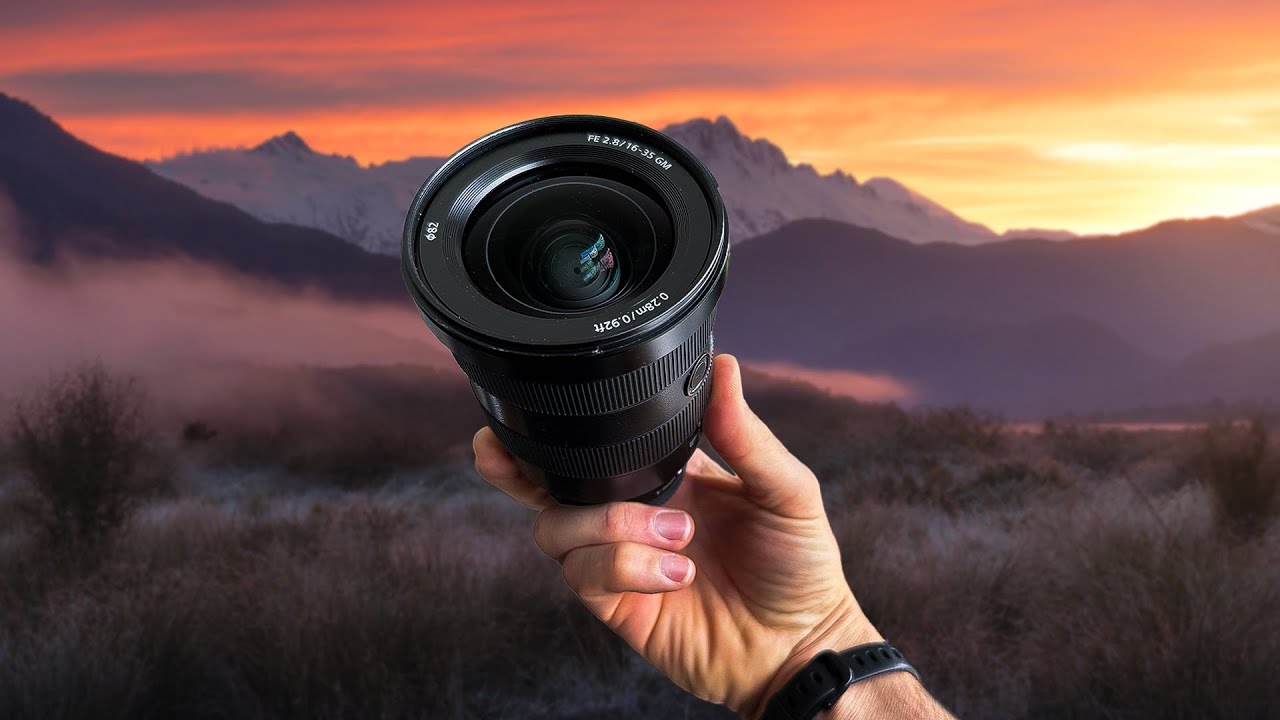
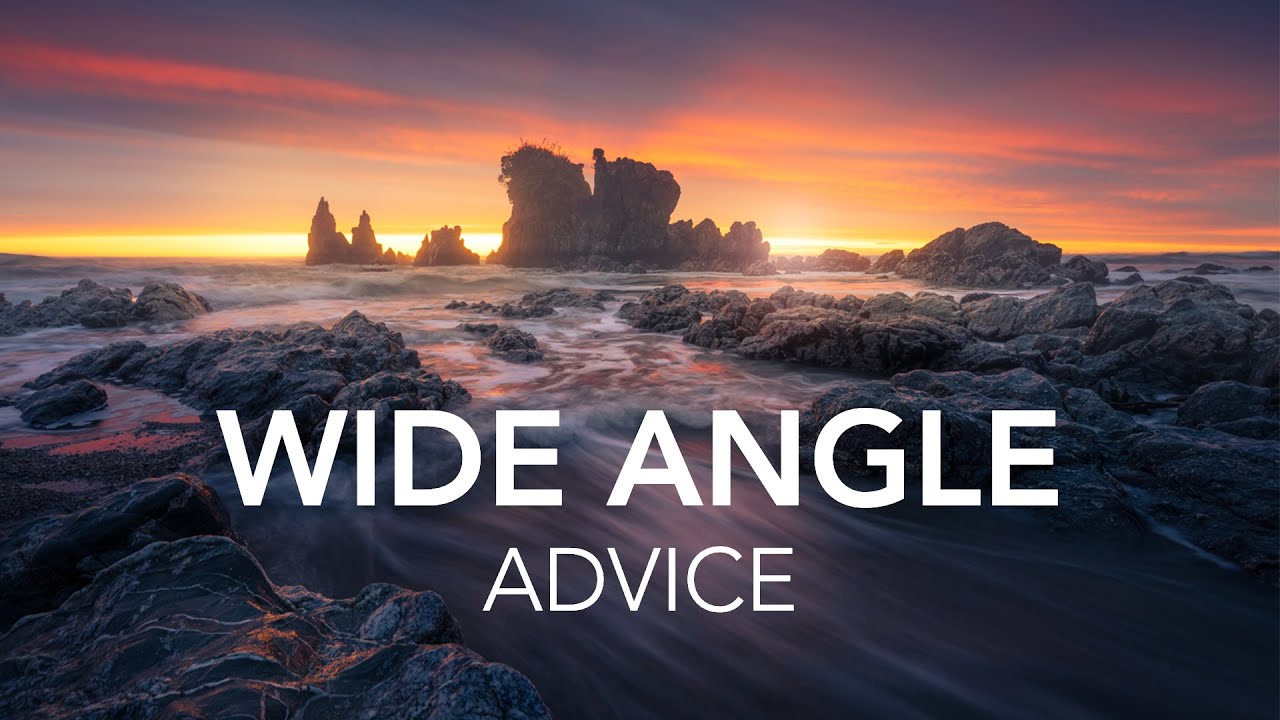
Most of my landscape shots from my first year looked like postcards someone else already made. Nice light, decent subject, totally flat. I kept blaming my gear, which is ironic given what I do for a living. The real problem was simpler: I was using a wide angle lens like a telephoto, just pointing it at the main subject from standing height and calling it done. In this William Patino tutorial on wide angle lenses for landscape photography, he lays out the core habits that actually separate effective wide angle work from lazy snapping.

Wide Lens Landscape Shooting in Snow: What This New Zealand Winter Scene Teaches About Light, Framing, and Patience

Wide Lens Landscape Shooting in Snow: What This New Zealand Winter Scene Teaches About Light, Framing, and Patience

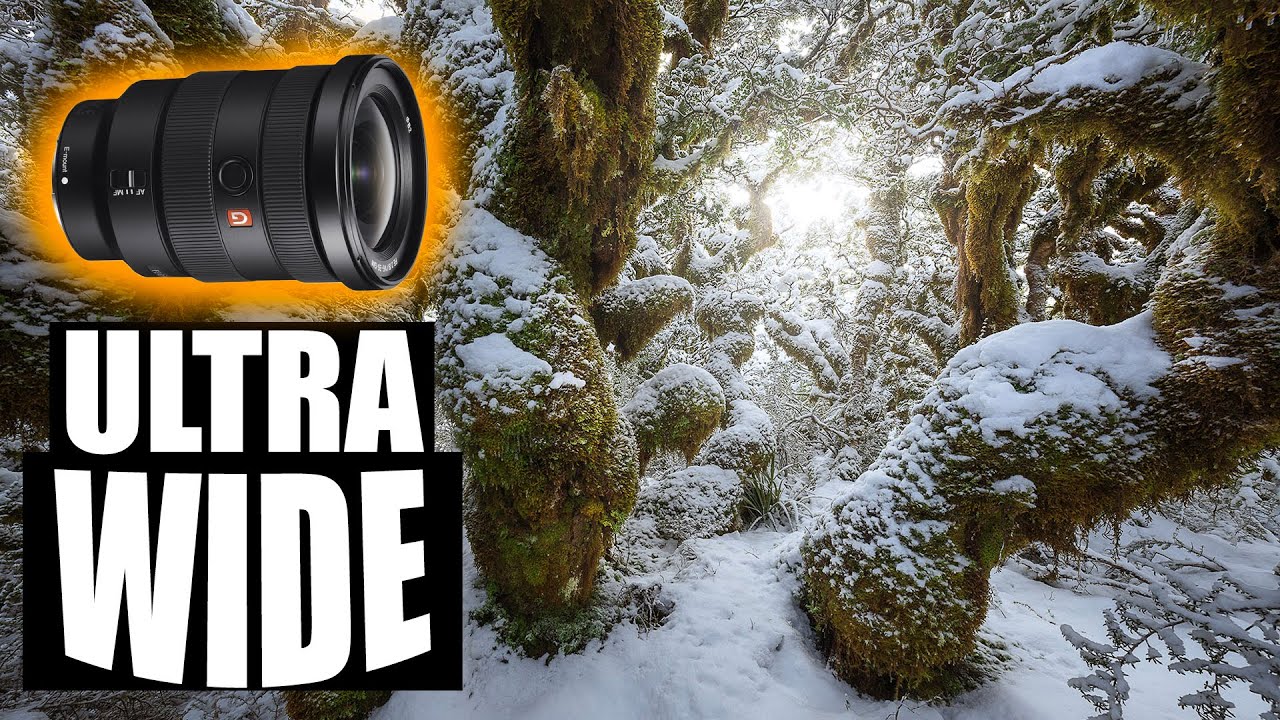
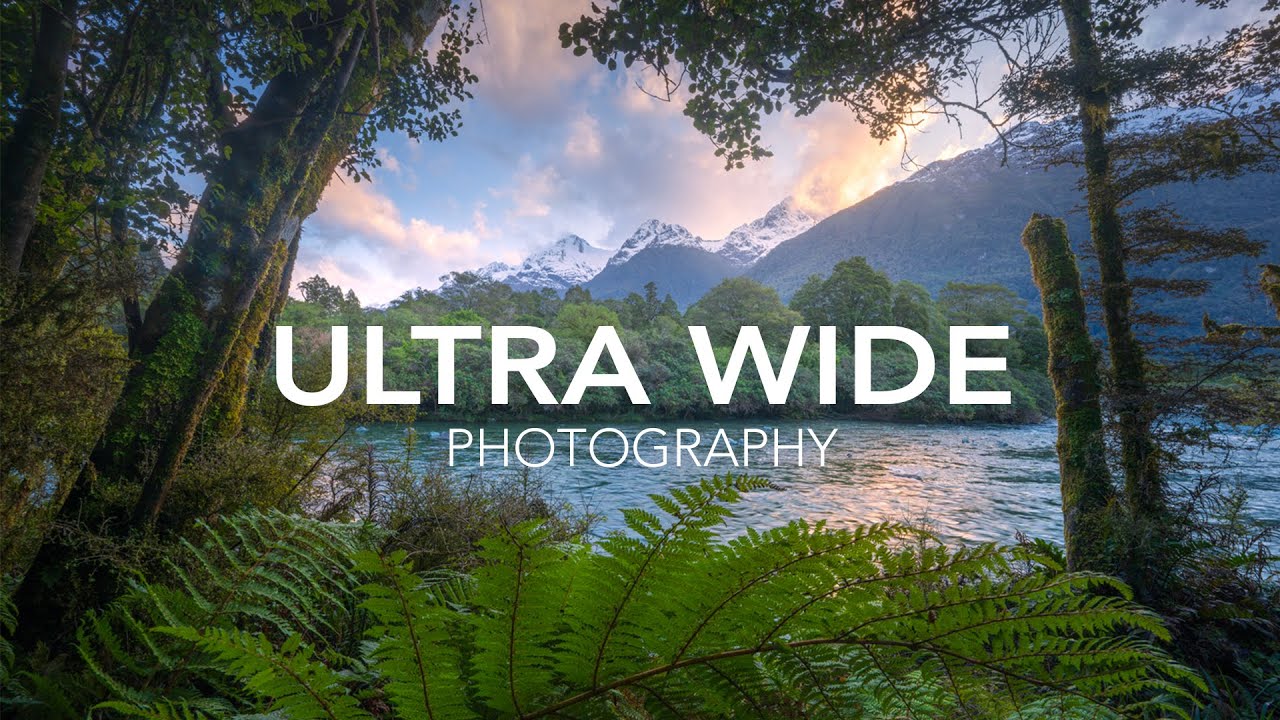
Wide lenses punish lazy composition. That’s the honest truth I’ve had to sit with since I started doing serious landscape work. A telephoto can compress a mediocre scene into something that looks intentional. A wide lens at 16mm in a forest full of snow-covered trees will expose every weak framing decision you make. So when I came across a tutorial that spends real time in a real winter environment showing how to think through wide-angle landscape shots, I paid attention.

Two Tamron Lenses Worth Gifting (Or Buying Yourself): The 15-30 and 28-300 Breakdown

Two Tamron Lenses Worth Gifting (Or Buying Yourself): The 15-30 and 28-300 Breakdown

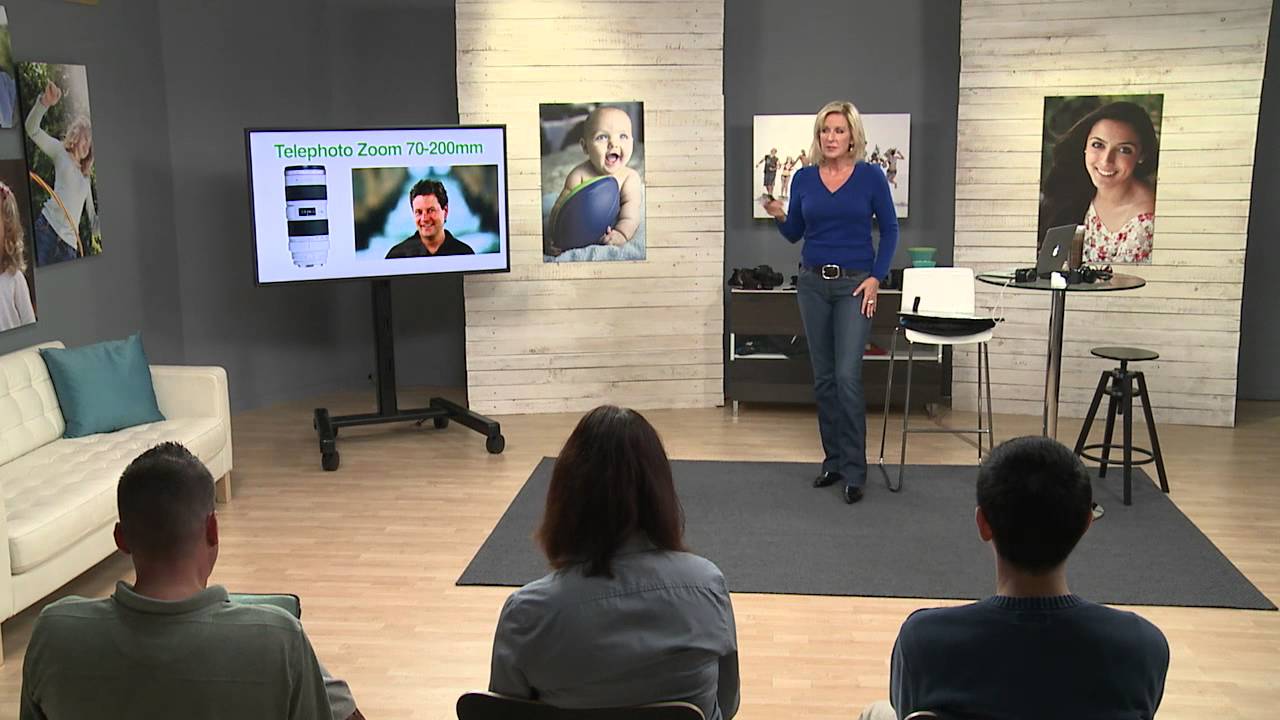
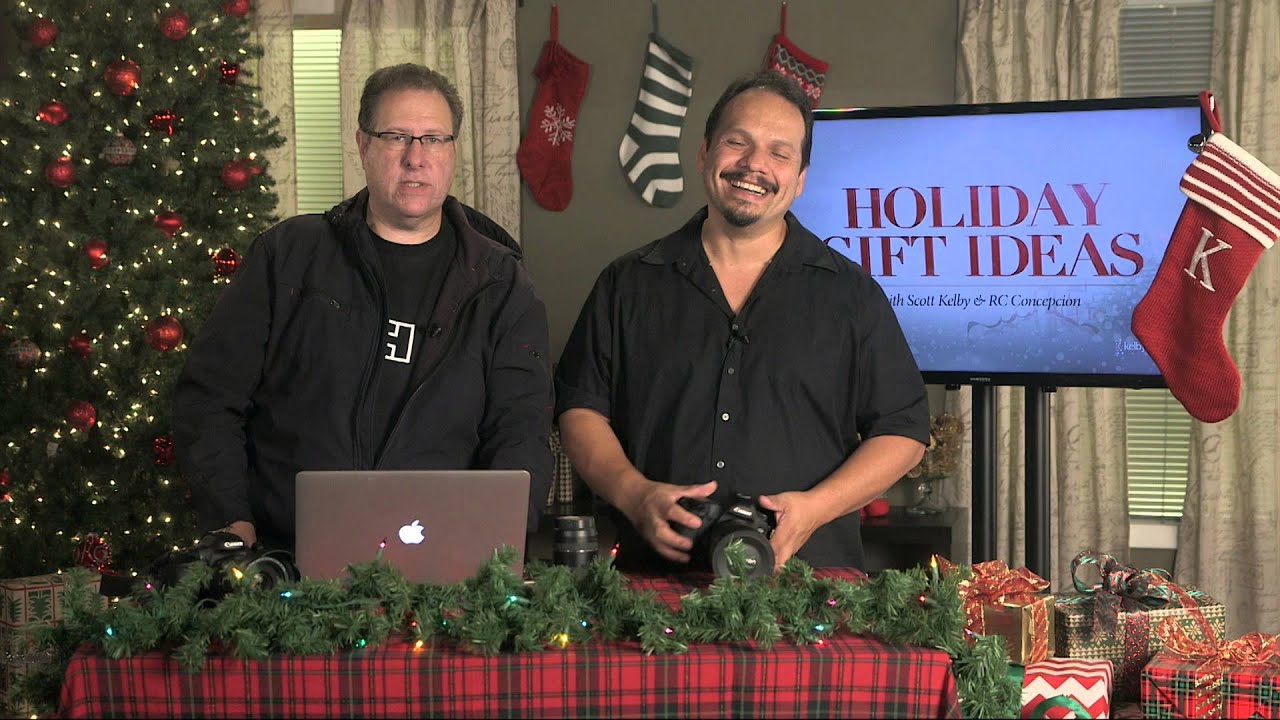
There’s a certain kind of gear recommendation I actually trust: the one that comes from someone who pulled the lens out in the field, not in a studio with controlled lighting and a color chart. When RC Concepcion and Scott Kelby run through holiday lens picks in this KelbyOne segment, the recommendations carry weight because they’re grounded in real shooting situations. RC used the Tamron 15-30mm in Dubai on a workshop trip.

Get More Out of Your Wide Angle Lens: A Step-by-Step Guide to Shooting Like a Landscape Pro

Get More Out of Your Wide Angle Lens: A Step-by-Step Guide to Shooting Like a Landscape Pro

I’ll be honest: wide angle lenses have a reputation for being “easy” because they fit so much in the frame. Point them at a big landscape, click, done. Except that’s exactly the wrong way to use them, and it took me longer than I’d like to admit to figure that out. When I was starting out with a budget ultra-wide zoom, my landscape shots looked flat and lifeless even though I was standing in front of genuinely beautiful scenery.

How to Actually Use a Wide Angle Lens for Landscape Photography (Without Wasting a Shot)

How to Actually Use a Wide Angle Lens for Landscape Photography (Without Wasting a Shot)

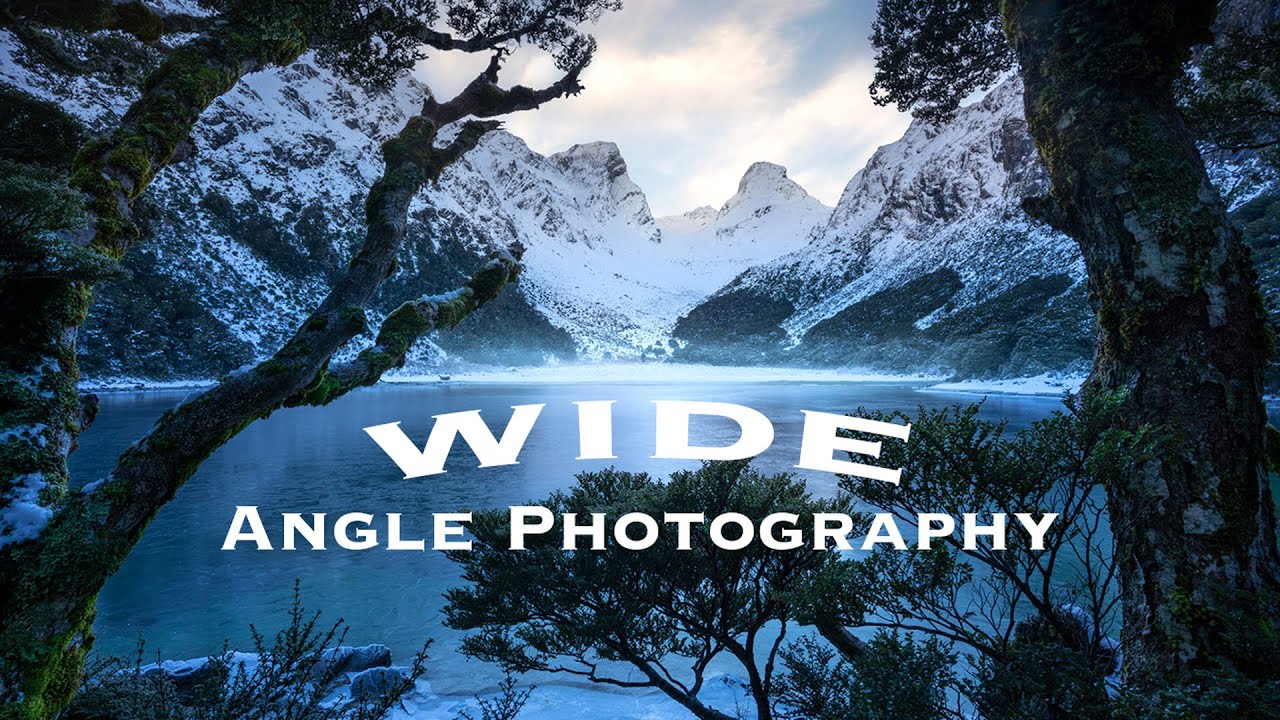
Wide angle lenses are one of those purchases I see people regret constantly. Not because the glass is bad, but because they grab a 12mm or 14mm, point it at a mountain, and wonder why the shot looks flat and uninteresting. The mountain is tiny. The foreground is dead space. Nothing works. I’ve been there. Most of us have. What changed things for me was understanding that a wide angle lens isn’t a “fit more stuff in” tool.

How to Stitch a Super-Wide Pano in Photoshop Using a Single Zoom Lens (No Specialty Gear Required)

How to Stitch a Super-Wide Pano in Photoshop Using a Single Zoom Lens (No Specialty Gear Required)

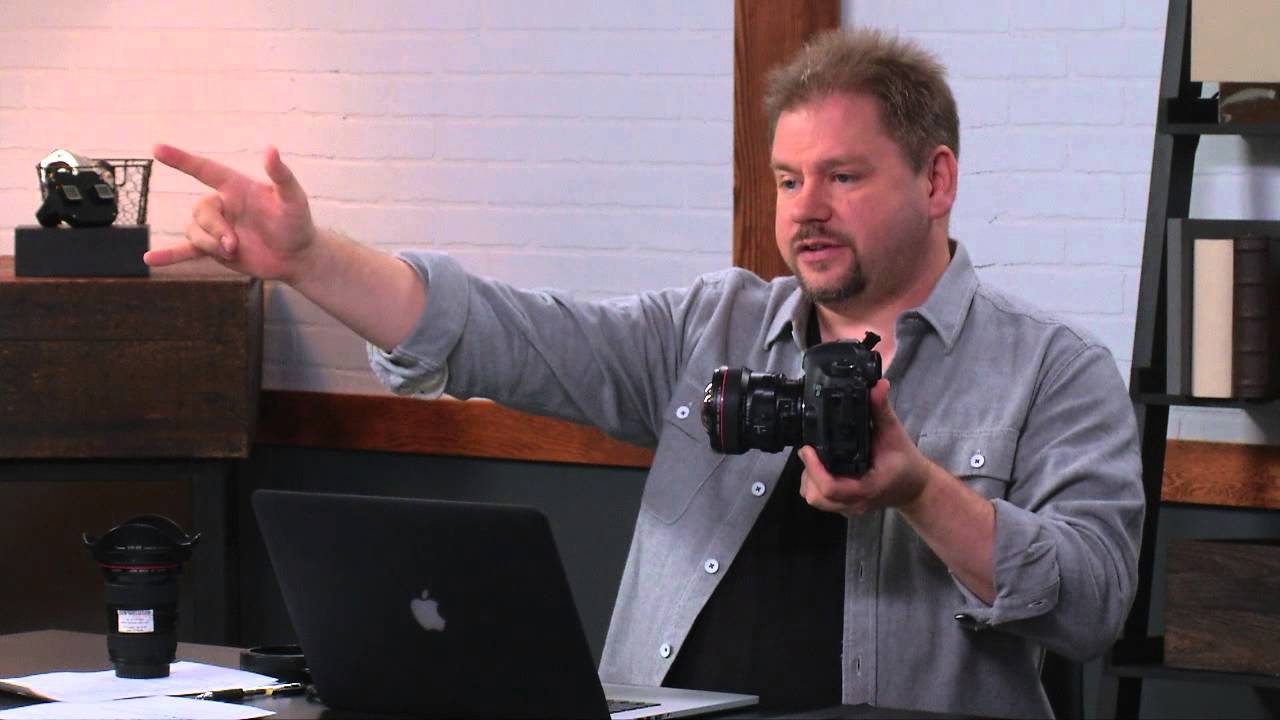
Most of my readers know I’m not the guy who tells you to go buy more glass to solve a compositional problem. So when I came across this KelbyOne tutorial from photographer RC — Watch the full tutorial on YouTube — it immediately clicked with me. The core idea is dead simple: if your widest lens still can’t capture the full scope of a scene, shoot two overlapping frames and stitch them into a single super-wide panorama.