Full-Frame Mirrorless Cameras Drop Up to $1,000—But Should You Actually Buy?

Full-Frame Mirrorless Cameras Drop Up to $1,000—But Should You Actually Buy?

Full-Frame Mirrorless Cameras Drop Up to $1,000—But Should You Actually Buy? Look, I’m going to be straight with you: up to $1,000 off full-frame mirrorless cameras sounds incredible, and honestly? In many cases, it is. But before you start filling your cart, let’s talk about what’s actually happening here and who should care. Why These Deals Exist The mirrorless market is moving fast. Manufacturers need to clear inventory when new models launch, which means last-generation bodies suddenly become bargains.

Full-Frame Lenses on Your Crop Sensor Camera: Why You're Probably Wasting Money

Full-Frame Lenses on Your Crop Sensor Camera: Why You're Probably Wasting Money

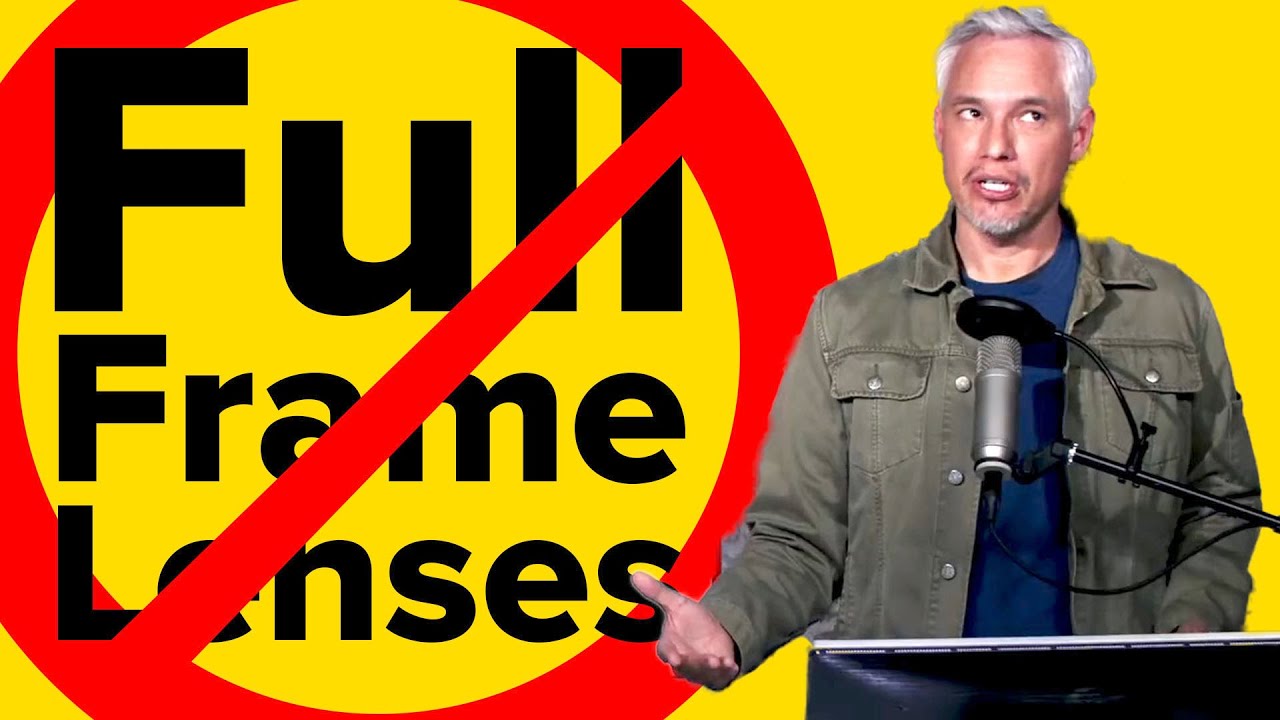
I run a spreadsheet. A real one, with 40-plus lenses sorted by sharpness, price, and sensor compatibility. And the column I’ve had to add more corrections to than any other is the “works on crop body” column, because the answer is almost never a clean yes or no. It’s more like “technically, but…” which is exactly the kind of answer that costs photographers money. In this Tony & Chelsea Northrup tutorial, Watch the full tutorial on YouTube, Tony revisits a question he first tackled back in 2014 and backs it up this time with side-by-side image comparisons that make the argument impossible to dismiss.

The Best Deals on Portrait Lenses for Full-Frame Mirrorless Cameras

The Best Deals on Portrait Lenses for Full-Frame Mirrorless Cameras

The Best Deals on Portrait Lenses for Full-Frame Mirrorless Cameras Look, I’m going to be straight with you: portrait lenses are one of the few categories where you actually need to spend money. There’s no getting around it. A fast aperture—we’re talking f/1.8 or faster—is non-negotiable if you want that beautiful subject separation and low-light performance that makes portraits sing. But here’s the good news: you don’t need to drop $3,000 on a lens to get stellar results.

Pentax K-1 for Landscape Photography: What Tony Northrup's Real-World Test Actually Reveals

Pentax K-1 for Landscape Photography: What Tony Northrup's Real-World Test Actually Reveals

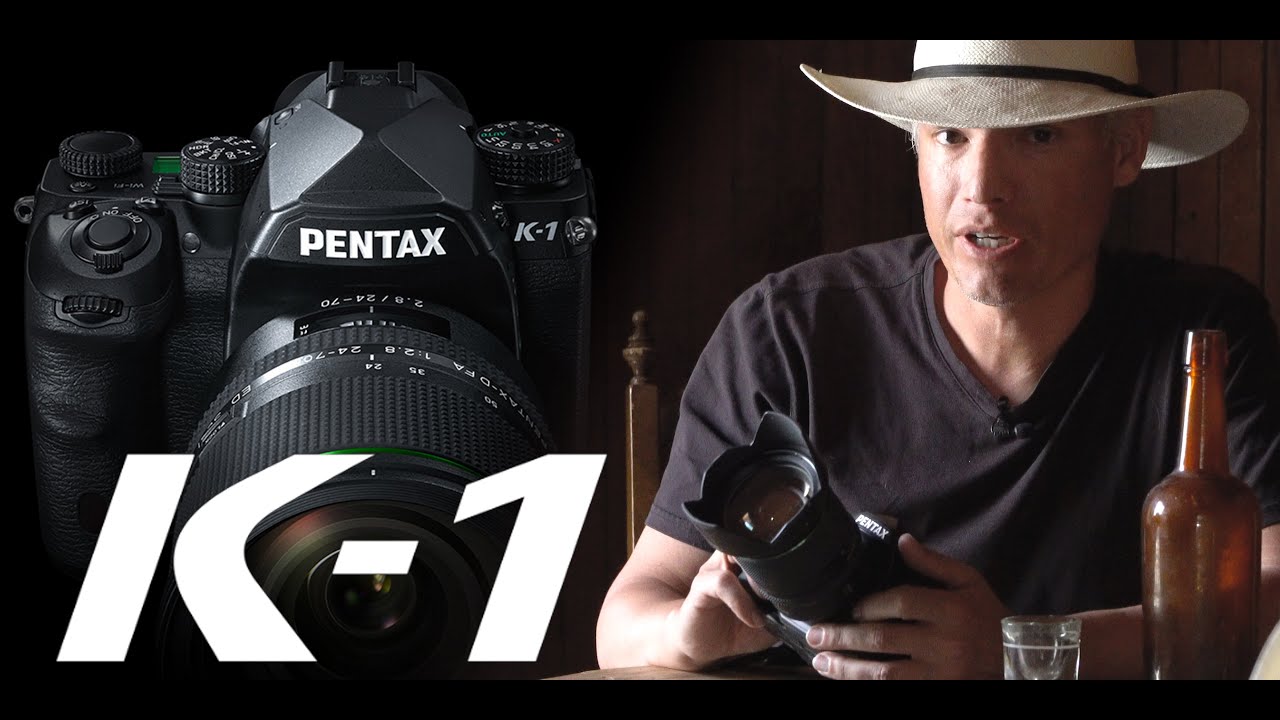
I’ve spent years arguing that the camera matters less than most people think. Then I started paying closer attention to which features actually move the needle in the field, and a pattern emerged: it’s rarely megapixels, and it’s almost never brand name. It’s the small ergonomic stuff that saves you from missing shots or contorting yourself into a pretzel at golden hour. That’s exactly why this Tony & Chelsea Northrup review of the Pentax K-1 caught my attention.

Upgrading from Crop to Full Frame: What to Expect

Upgrading from Crop to Full Frame: What to Expect

You’ve decided to make the jump to full frame. Here’s what will actually change in your photography experience — because some of the improvements are dramatic and some are surprisingly underwhelming. Things That Improve Immediately Low-Light Confidence This is the change you’ll notice first. Where you used to hesitate about pushing past ISO 1600, you’ll comfortably shoot at ISO 3200-6400 and get clean results. Indoor events, dimly lit restaurants, and evening shoots become far less stressful.

Stop Paying $2K for a 35mm Prime — Viltrox is Disrupting the Market

Stop Paying $2K for a 35mm Prime — Viltrox is Disrupting the Market

The 35mm f/1.2 Problem Nobody Wanted to Solve Let’s be honest: the 35mm focal length is having a moment. Street photographers love it. Portraitists swear by it. Content creators are obsessed. But there’s been a massive elephant in the room — if you wanted a fast 35mm prime for Sony or Nikon full-frame cameras, you were looking at dropping between $1,800 and $2,500 on glass alone. That’s a tough pill to swallow, especially when you’re already investing in bodies and other lenses.

Is a Full Frame Camera Worth the Extra Cost?

Is a Full Frame Camera Worth the Extra Cost?

“Should I go full frame?” is the most common gear question I get. The marketing says full frame is better at everything. The reality is more nuanced. What Full Frame Actually Gives You Better Low-Light Performance This is the biggest real-world advantage. A full-frame sensor is roughly 2.5 times larger than an APS-C (crop) sensor. More surface area means more light captured, which means less noise at high ISO settings.