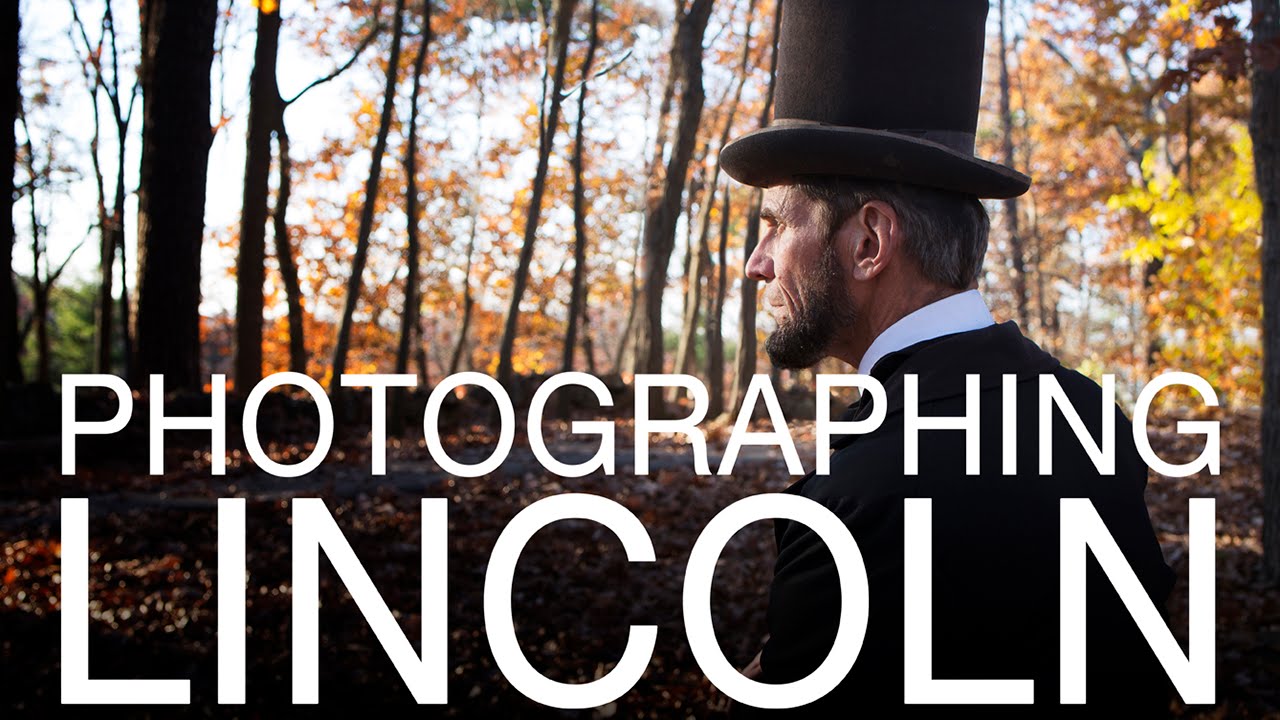
How to Light and Shoot a Historical Portrait on Location (Without a Studio Truck)

How to Light and Shoot a Historical Portrait on Location (Without a Studio Truck)

Most of my work lives in the budget tier. I review $40 speedlights and argue with comment sections about whether a kit lens can hold its own against glass that costs more than my rent. But the techniques that actually make images work? Those come from watching pros solve hard problems in the field — and then figuring out how to apply the same logic with whatever I have in my bag.
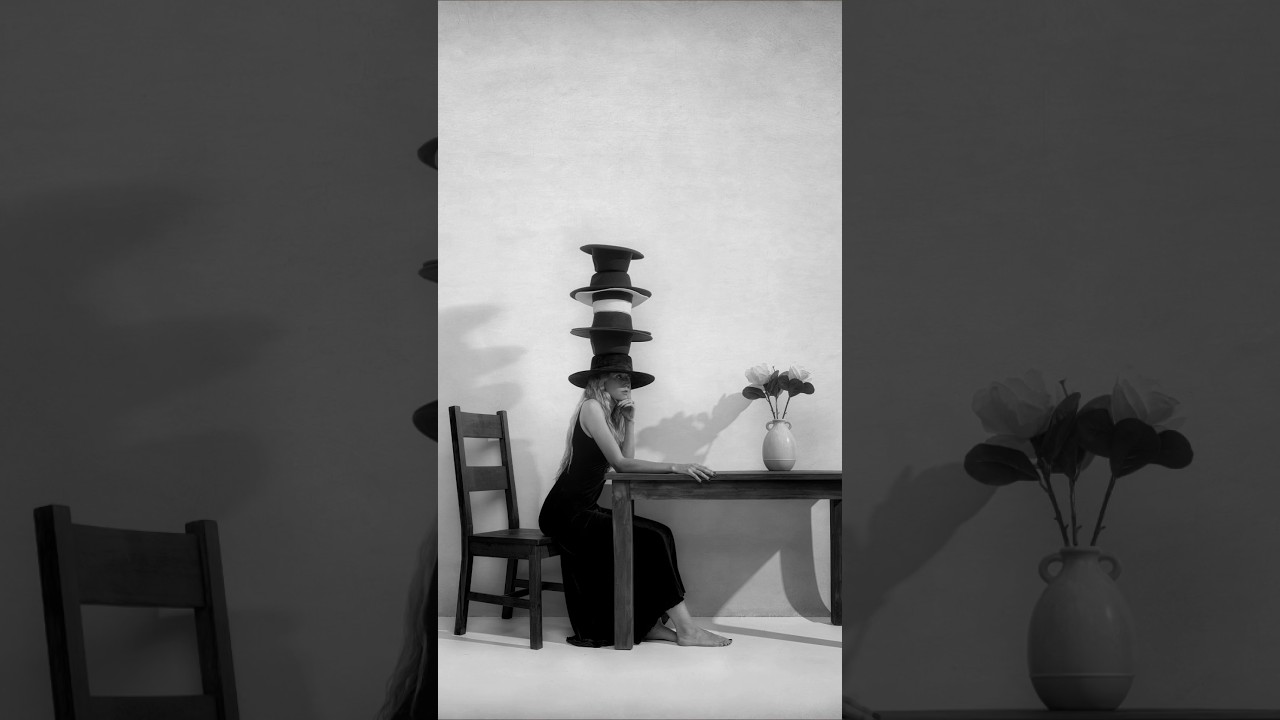
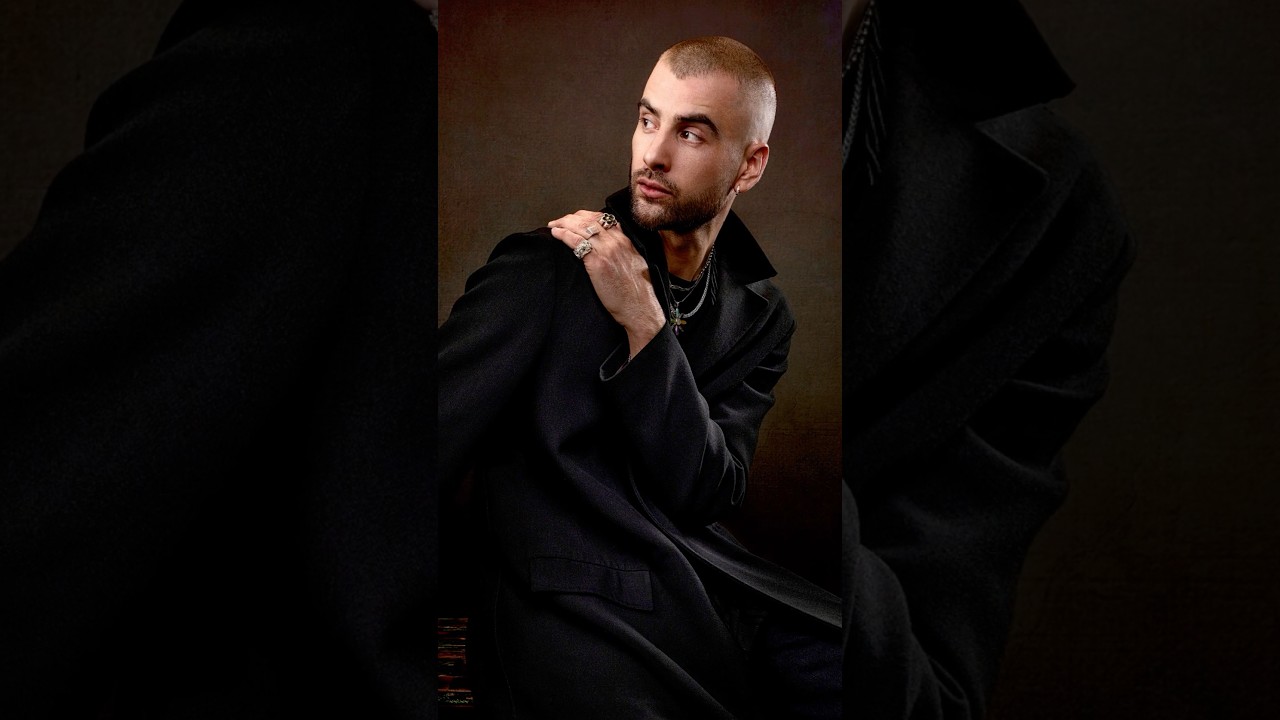
Why Your Lens Choice Matters More Than Your Light Source (Joel Grimes Explains It Better Than I Did)

Why Your Lens Choice Matters More Than Your Light Source (Joel Grimes Explains It Better Than I Did)

I’ve been shooting portraits on budget glass long enough to have opinions about almost every sub-$300 lens on the market. I’ve got the spreadsheet to prove it. But I kept running into the same problem during outdoor shoots: two lenses, same aperture, same light source, wildly different results. One image had this soft, dimensional quality. The other looked flat. I kept blaming the light. Turns out I was blaming the wrong thing.

Joel Grimes' Lighting Breakdown: What I Actually Took Away (And What I'd Change)

Joel Grimes' Lighting Breakdown: What I Actually Took Away (And What I'd Change)

Dramatic portrait lighting is one of those things that looks impossibly complex until someone pulls back the curtain and shows you exactly what’s happening. I’ve spent a lot of time reverse-engineering lighting setups from behind-the-scenes photos, squinting at catch lights in subjects’ eyes, trying to figure out where the photographer put their gear. It’s a frustrating way to learn. So when I came across a breakdown that just tells you directly, I pay attention.