Stop Comparing Lenses Without Doing This One Calculation First

Stop Comparing Lenses Without Doing This One Calculation First

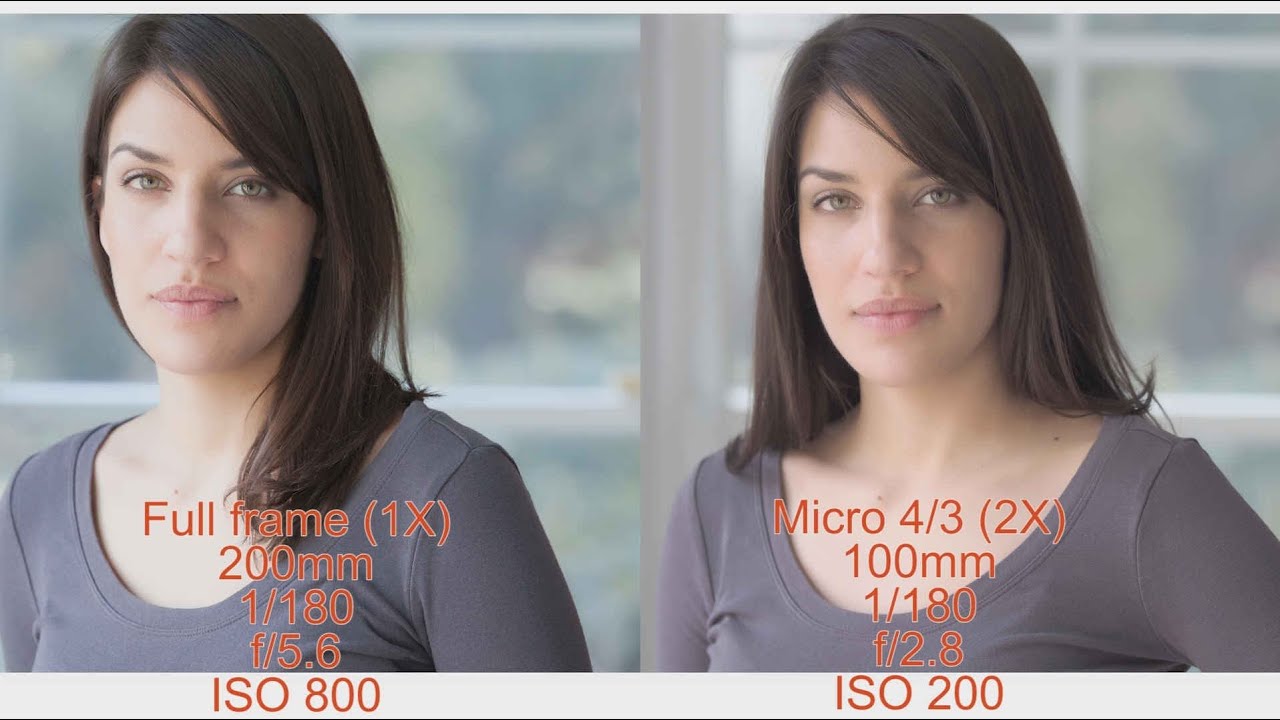
If you’ve ever tried to compare a Micro Four Thirds lens to a full-frame lens and felt like the specs weren’t adding up, you’re not imagining things. The industry has a habit of listing focal length equivalents without mentioning that aperture equivalents matter just as much. I spent an embarrassing amount of time shopping budget lenses before I figured out why two lenses with “equivalent” focal lengths were producing noticeably different background separation.
How to Actually Shoot Lens Flare In-Camera (Aperture Is the Secret Weapon)

How to Actually Shoot Lens Flare In-Camera (Aperture Is the Secret Weapon)

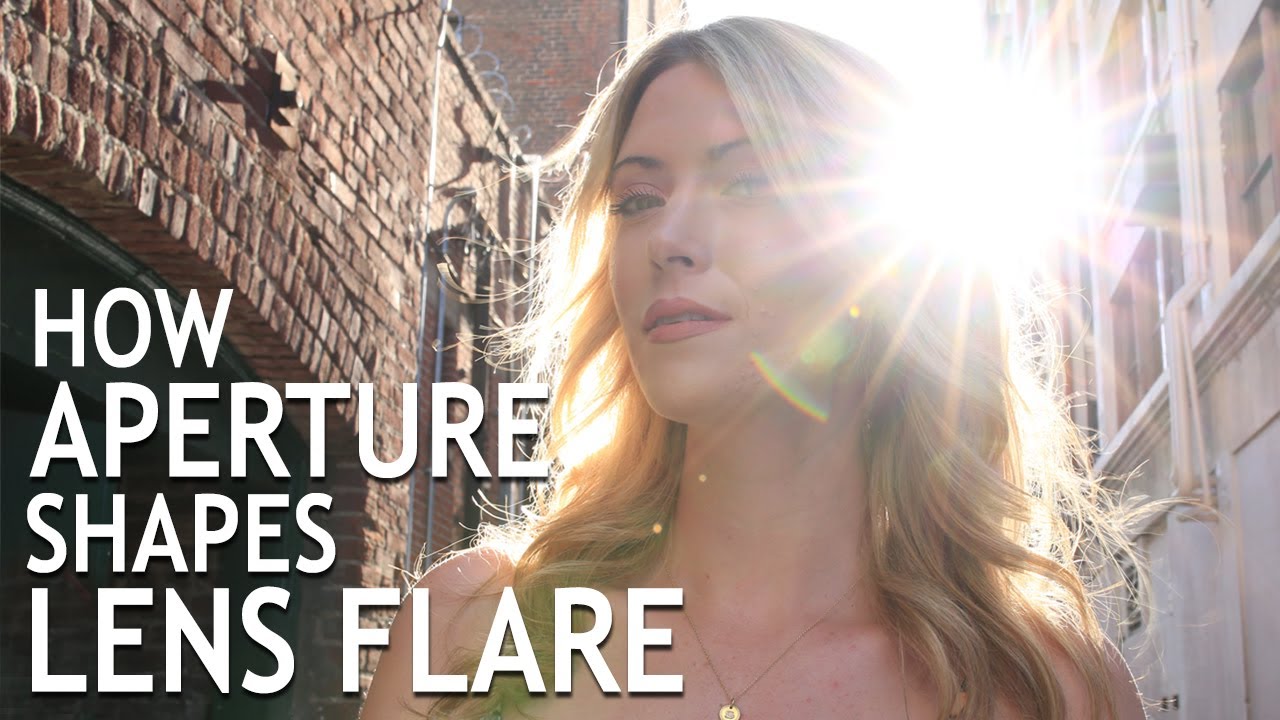
I used to add lens flare in Photoshop like everyone else. Slap on a filter, adjust the opacity, call it a day. It looked fine. It also looked fake in a way I couldn’t quite articulate until I started shooting more backlit portraits and realized the real thing has a quality that no filter fully replicates. The way it interacts with your subject, the way it breathes when you shift the camera slightly - that’s not something a Photoshop preset can fake convincingly.

Find Your Lens's Sweet Spot in 20 Minutes (And Never Wonder Again)

Find Your Lens's Sweet Spot in 20 Minutes (And Never Wonder Again)

I spend an embarrassing amount of time researching lenses before I buy them. Price first, sharpness second — every single time, without fail. I’ve got a spreadsheet with resolution test results, sample image comparisons, and user forum complaints going back three years across probably 40 different lenses. But here’s the thing I kept overlooking: knowing a lens is sharp on paper is not the same as knowing where it’s sharpest on your actual camera, at the focal lengths you actually shoot.

Your Lens Has a Sweet Spot — Here's How to Find It and Why It Changes Everything

Your Lens Has a Sweet Spot — Here's How to Find It and Why It Changes Everything

I used to think my budget lenses were the problem. I’d pixel-peep a shot, see soft corners or muddy detail, and immediately start shopping for something more expensive. Then I started actually learning how optics work, and I realized I’d been fighting my own gear by shooting at the wrong apertures. A lot of photographers, even experienced ones, skip this foundational knowledge because it feels too technical. It isn’t. Once it clicks, it changes how you make every exposure decision.