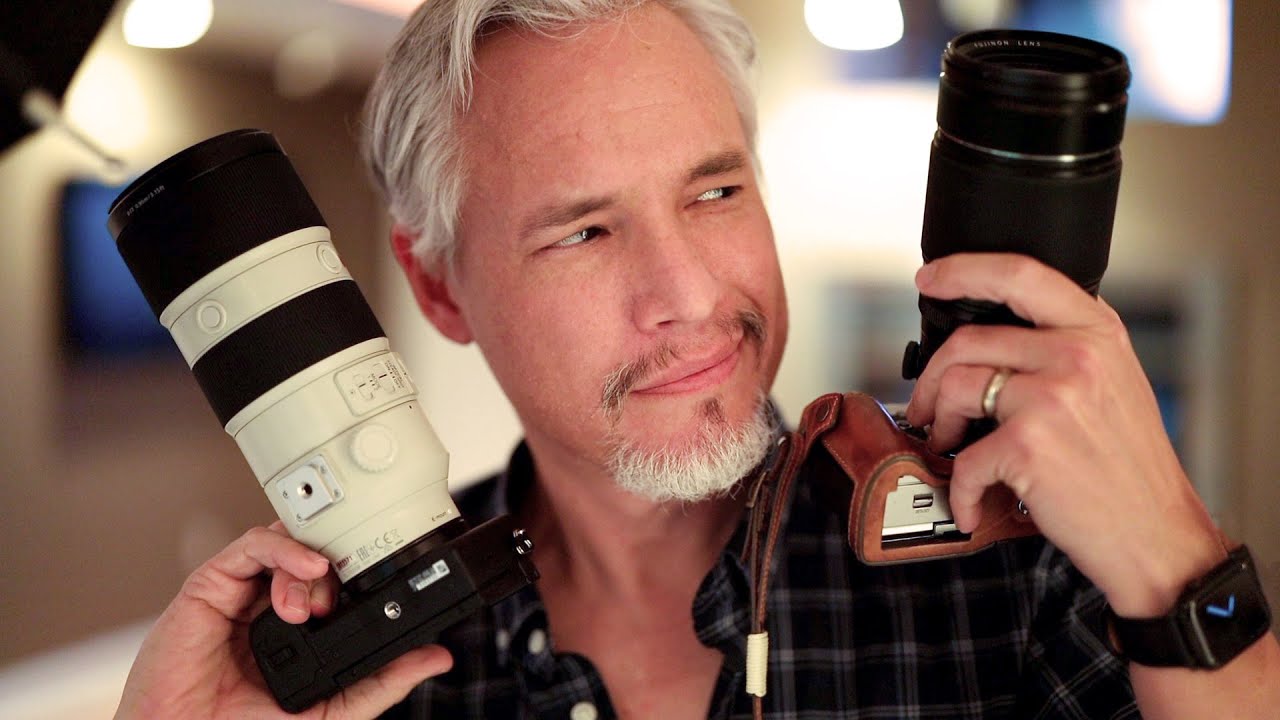
Sony vs. Fuji APS-C Lenses: Which System Actually Delivers Sharper Images?

Sony vs. Fuji APS-C Lenses: Which System Actually Delivers Sharper Images?

Most camera debates stop at the body. People obsess over sensor specs, button layouts, and which brand has the better JPEG rendering, but they never stop to ask: what does the glass actually do to your image? I’ve been down that rabbit hole more times than I can count, and it’s the lens lineup that usually makes or breaks a system decision for me. When I’m helping someone pick their first mirrorless kit, the body is almost secondary to whether that ecosystem can deliver sharp, usable images across a range of focal lengths without demanding a second mortgage.
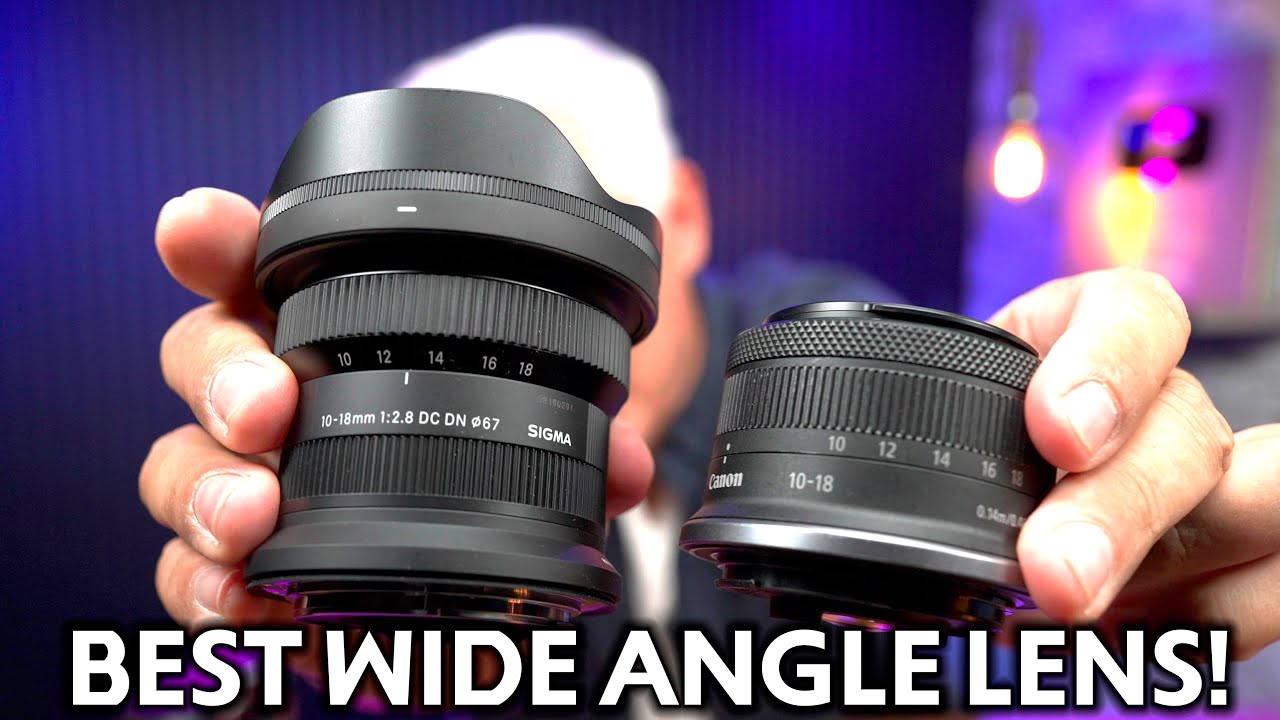

The Sigma 10-18mm f/2.8 Is the Wide Angle Wake-Up Call APS-C Shooters Needed

The Sigma 10-18mm f/2.8 Is the Wide Angle Wake-Up Call APS-C Shooters Needed

I’ve spent an embarrassing number of hours building spreadsheets that compare budget lenses side by side. Fast apertures, corner sharpness, autofocus reliability - I track all of it. So when a single lens shows up that checks nearly every box for APS-C shooters, I pay attention. That lens right now is the Sigma 10-18mm f/2.8, and the clearest breakdown I’ve seen of why it matters comes from Tony and Chelsea Northrup.

The Tamron 17-70mm f/2.8 Is the One Lens I'd Tell APS-C Shooters to Buy First

The Tamron 17-70mm f/2.8 Is the One Lens I'd Tell APS-C Shooters to Buy First

I’ve tested a lot of lenses in the sub-$500 range. I keep a running spreadsheet, which yes, my friends think is unhinged, but it’s saved me from buying garbage more times than I can count. The question I get most often from newer shooters is some version of: “What’s the one lens I should own?” It’s a fair question, and for APS-C users it’s actually answerable. The problem is that most “do-it-all” zoom lenses either sacrifice aperture or image quality to hit a price point, and you end up with something that’s fine but never great.