
What a Tilt-Shift Lens Actually Does (And Whether You Need One)

What a Tilt-Shift Lens Actually Does (And Whether You Need One)

I shoot on a budget. That’s kind of my whole thing. So when a lens exists that costs anywhere from $1,000 to $3,000 depending on the focal length, I want to understand exactly what it does before I ever recommend it or dismiss it. Tilt-shift lenses are one of those pieces of gear that get thrown around in architecture photography conversations without a lot of clear explanation. Most people know the name.
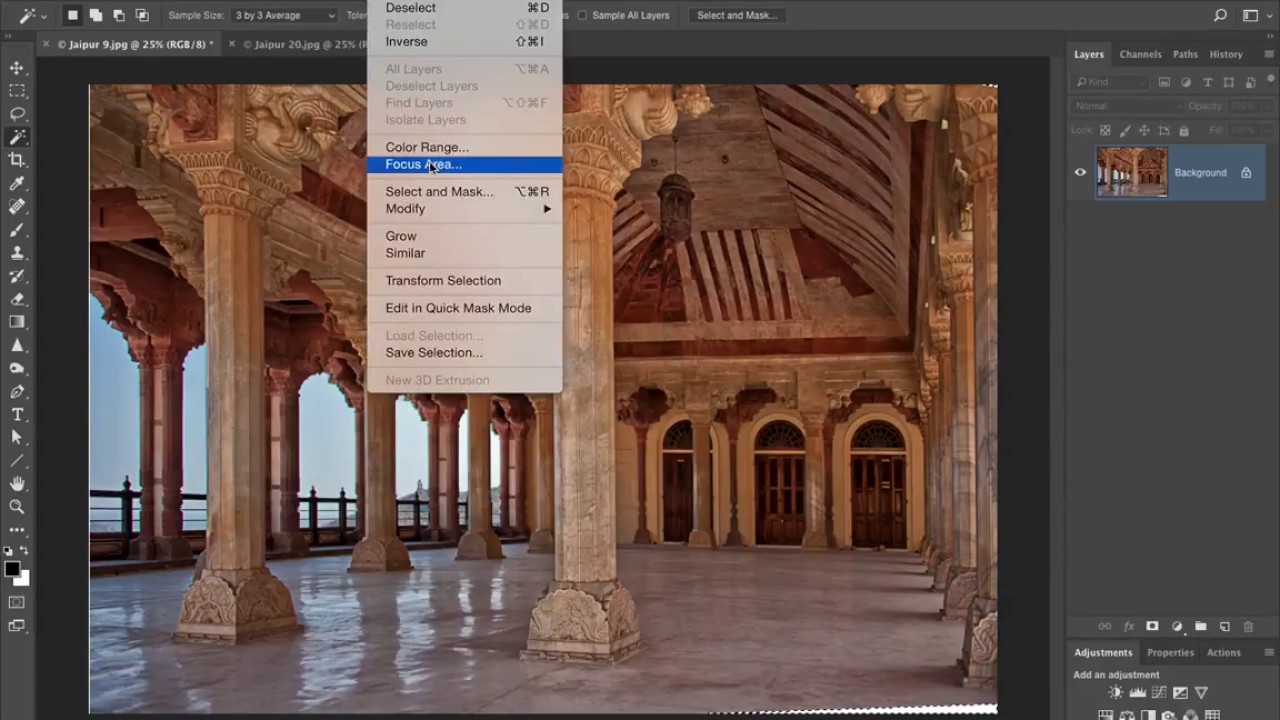
Fix Distorted Architecture Photos in Lightroom: A Step-by-Step Guide Using Lens Corrections and Guided Transforms

Fix Distorted Architecture Photos in Lightroom: A Step-by-Step Guide Using Lens Corrections and Guided Transforms

Wide-angle lenses are some of the best value in photography. A fast, sharp wide-angle prime for a crop sensor camera can run you under $200, and the creative range you get is enormous. But there’s a catch: shoot a building with one and you’ll often come back with something that looks like the structure is either falling over or lunging at the viewer. I’ve run into this constantly, especially shooting street scenes and architecture for local editorial clients.

Stop Fighting Crooked Architecture Photos — Photoshop's Guided Upright Actually Fixes Them

Stop Fighting Crooked Architecture Photos — Photoshop's Guided Upright Actually Fixes Them

Wide-angle lenses are some of the best value in photography. A 28mm prime for a couple hundred bucks will outperform kit glass on architecture, interiors, and street work all day long. But anyone who shoots buildings with a wide lens knows the tax you pay for that field of view: vertical lines that lean, columns that taper, whole walls that look like they’re about to fall over. I’ve shot interiors with a $180 lens that produced images I was genuinely proud of, and every single one needed some geometry work before it was ready to share.