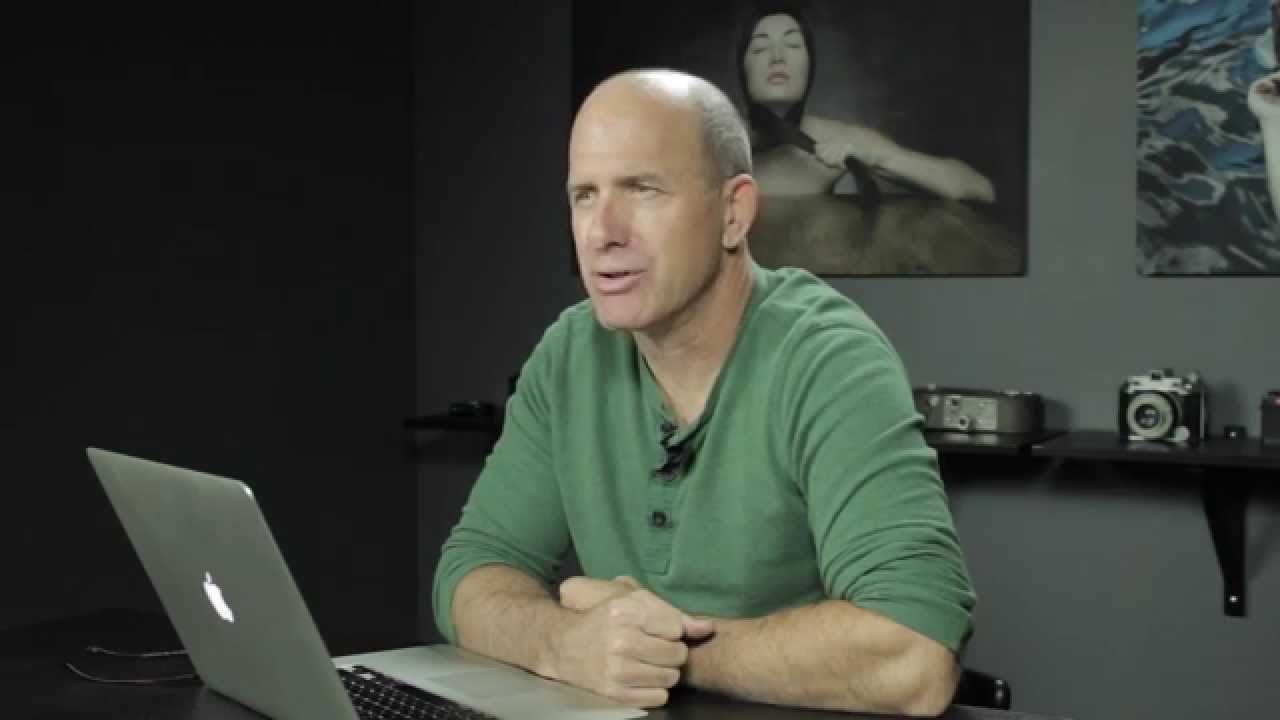
Joel Grimes' 5 Portrait Lenses Ranked — And the One Budget Pick That Outpunches Its Price Tag

Joel Grimes' 5 Portrait Lenses Ranked — And the One Budget Pick That Outpunches Its Price Tag

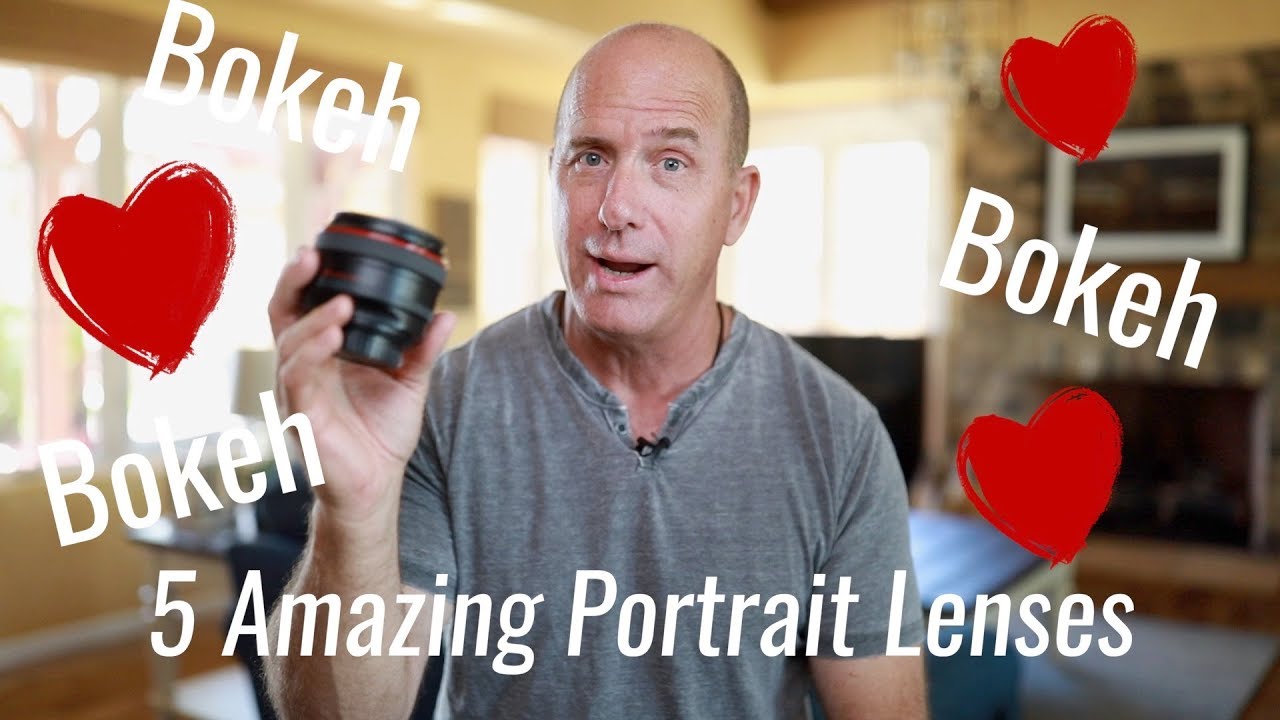
I’ve spent more hours than I care to admit arguing with myself over which lens to mount before a portrait session. The usual internet advice sends you straight toward an 85mm prime and a four-figure price tag, as if that’s the only path to a sharp, beautiful portrait. What actually moved the needle for me was watching working photographers talk through what’s actually sitting in their bags, not what’s on their wish list.

What Should You Charge for Photography? Joel Grimes Breaks Down the Math Nobody Teaches You

What Should You Charge for Photography? Joel Grimes Breaks Down the Math Nobody Teaches You

Pricing is where most photographers either undersell themselves into burnout or overbid themselves out of work entirely. I know this firsthand. When I shot my first paid wedding, I charged $400, lost a Saturday, spent three days editing, and walked away feeling like I’d done something wrong even though the client was thrilled. The problem wasn’t my camera or my skill. It was that I had no framework for what my time and gear were actually worth.

Your Lens Has a Sweet Spot — Here's How to Find It and Why It Changes Everything

Your Lens Has a Sweet Spot — Here's How to Find It and Why It Changes Everything

I used to think my budget lenses were the problem. I’d pixel-peep a shot, see soft corners or muddy detail, and immediately start shopping for something more expensive. Then I started actually learning how optics work, and I realized I’d been fighting my own gear by shooting at the wrong apertures. A lot of photographers, even experienced ones, skip this foundational knowledge because it feels too technical. It isn’t. Once it clicks, it changes how you make every exposure decision.

One Self-Assignment a Week Changed How I Think About Building a Photography Portfolio

One Self-Assignment a Week Changed How I Think About Building a Photography Portfolio

I got into deals content because I was spending more time researching prices than actually shooting. That’s a real problem, and I’ll own it. But there’s a second problem I didn’t talk about as much: even when I was shooting, most of it was reactive. Someone needed a headshot, a friend wanted product photos, a local business needed something quick. I was getting reps in, sure, but my portfolio looked like a grab bag of other people’s ideas.

Why Your Lens Choice Matters More Than Your Light Source (Joel Grimes Explains It Better Than I Did)

Why Your Lens Choice Matters More Than Your Light Source (Joel Grimes Explains It Better Than I Did)

I’ve been shooting portraits on budget glass long enough to have opinions about almost every sub-$300 lens on the market. I’ve got the spreadsheet to prove it. But I kept running into the same problem during outdoor shoots: two lenses, same aperture, same light source, wildly different results. One image had this soft, dimensional quality. The other looked flat. I kept blaming the light. Turns out I was blaming the wrong thing.

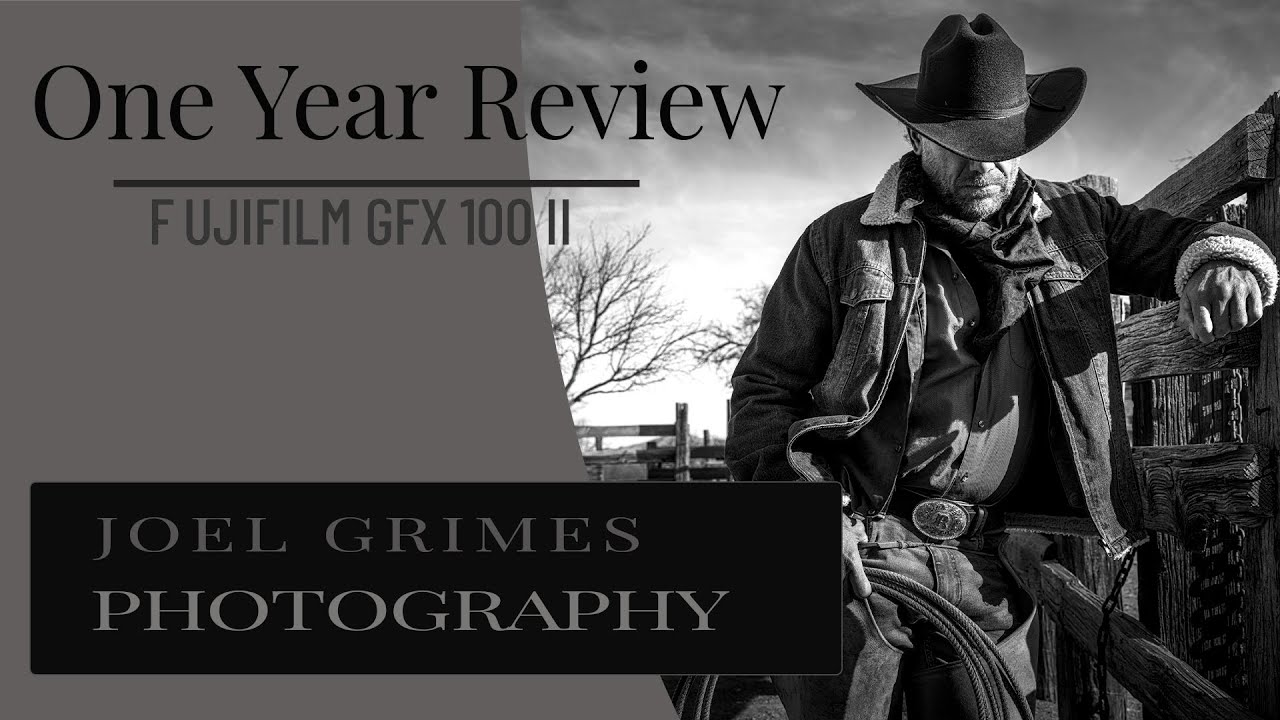
What a Year With the Fujifilm GFX 100 II Actually Teaches You (According to Joel Grimes)

What a Year With the Fujifilm GFX 100 II Actually Teaches You (According to Joel Grimes)

I’ll be straight with you: a $7,000+ medium format camera is not something I’m buying anytime soon. My whole thing is proving that great images don’t require a second mortgage. But I watch a lot of content from photographers who work at the top end of the market, because understanding what the ceiling looks like helps me explain what you’re actually giving up when you buy a $600 body instead. That context matters when I’m testing gear.

Joel Grimes' 10-Step Lighting Formula: What It Actually Teaches You About Light Ratios

Joel Grimes' 10-Step Lighting Formula: What It Actually Teaches You About Light Ratios

I’ve been shooting portraits on a tight budget for years, and the single thing that separated my early work from anything worth showing was not the camera or the lens. It was having no real system for light. I’d move a softbox around until something looked “pretty good,” chimp the screen, adjust again. It worked sometimes. But I couldn’t repeat it, and I definitely couldn’t explain what I’d done after the fact.

Joel Grimes' Lighting Breakdown: What I Actually Took Away (And What I'd Change)

Joel Grimes' Lighting Breakdown: What I Actually Took Away (And What I'd Change)

Dramatic portrait lighting is one of those things that looks impossibly complex until someone pulls back the curtain and shows you exactly what’s happening. I’ve spent a lot of time reverse-engineering lighting setups from behind-the-scenes photos, squinting at catch lights in subjects’ eyes, trying to figure out where the photographer put their gear. It’s a frustrating way to learn. So when I came across a breakdown that just tells you directly, I pay attention.