How Different Focal Lengths Actually Change Your Shot (A Visual Breakdown)

How Different Focal Lengths Actually Change Your Shot (A Visual Breakdown)

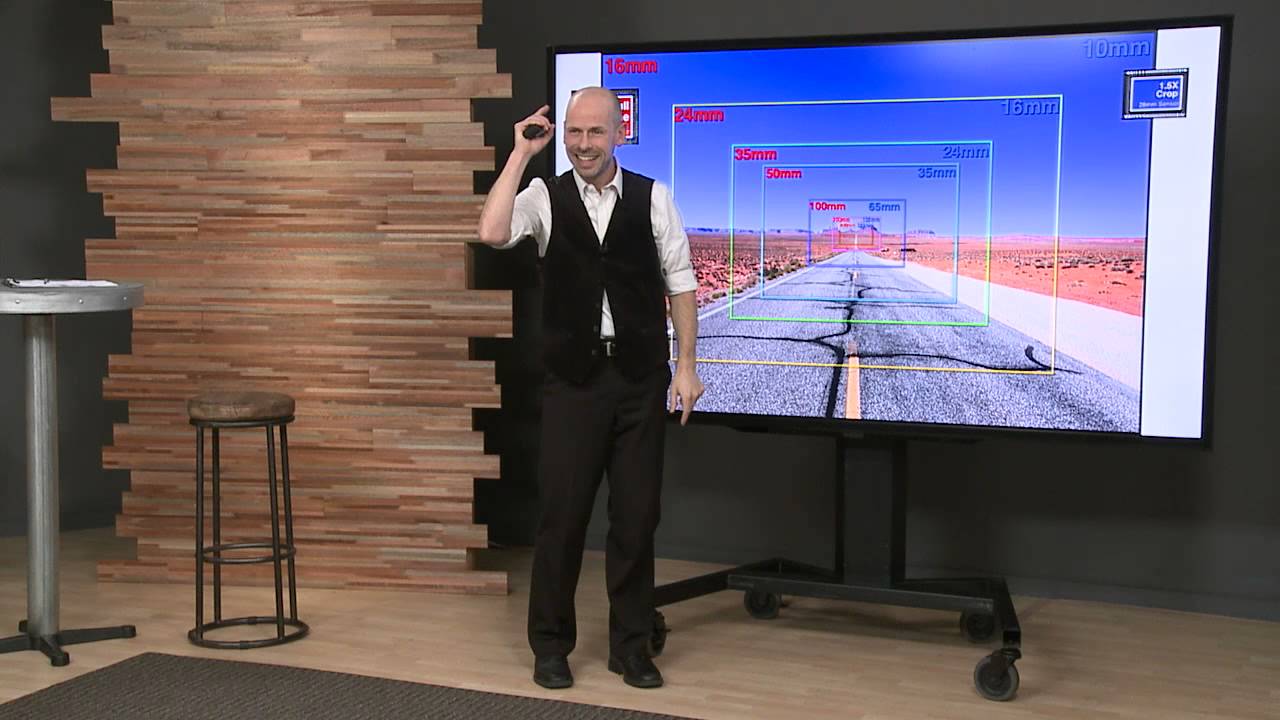
Most photographers buy lenses based on specs and reviews. I used to do the same thing, cross-referencing MTF charts and pixel-peeping sample images before I’d even thought about what I actually needed the lens to do. What changed my thinking wasn’t a spec sheet. It was watching a photographer stand in the same spot and shoot the same scene across a full range of focal lengths, from ultra-wide to 400mm telephoto, so you could see exactly how the image transforms with each swap.
The Lens Range Explained: What a 25-Year Pro Actually Sees Through Each Focal Length

The Lens Range Explained: What a 25-Year Pro Actually Sees Through Each Focal Length

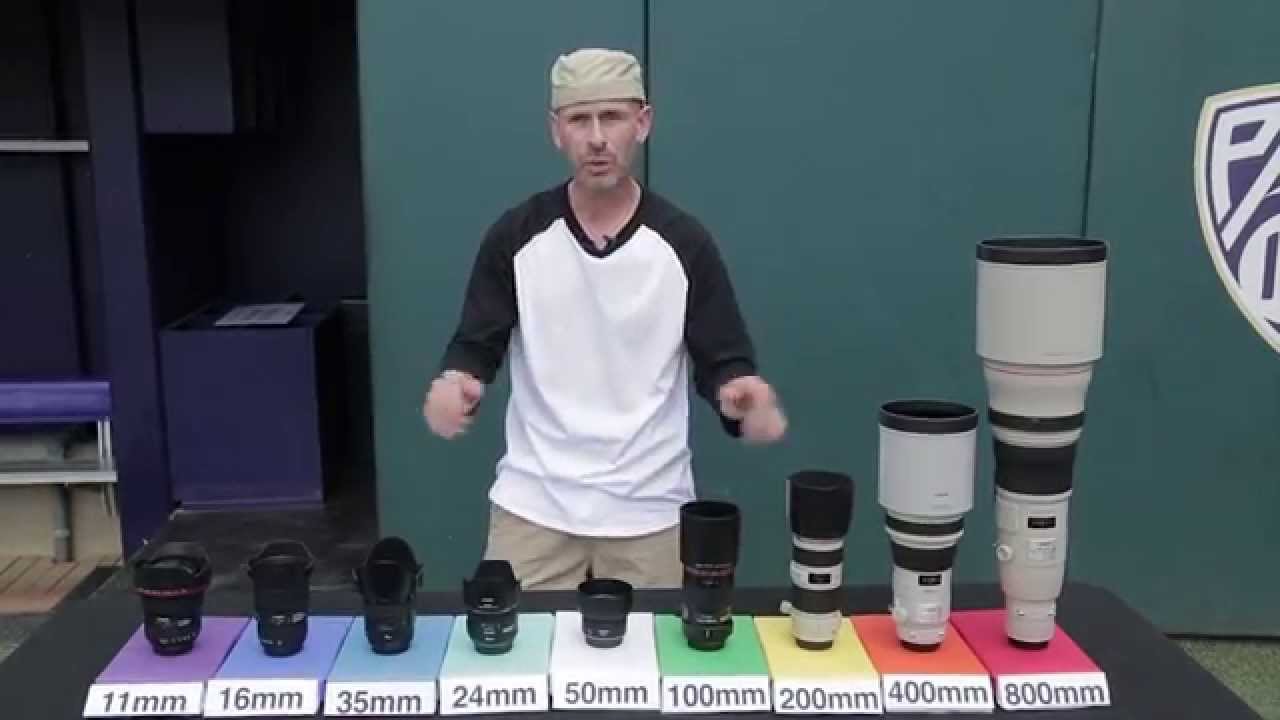
Most photographers I know built their lens collection backwards. They bought what was on sale, what a friend recommended, or whatever came bundled with their first camera body. I was no different. My first kit lens covered 18-55mm and I genuinely had no idea what that range meant in practice until I went out and shot with it enough to feel it. The problem is that feeling takes time, and most tutorials skip the intuitive, visual explanation in favor of specs and charts.

Your Lens Has a Sweet Spot — Here's How to Find It and Why It Changes Everything

Your Lens Has a Sweet Spot — Here's How to Find It and Why It Changes Everything

I used to think my budget lenses were the problem. I’d pixel-peep a shot, see soft corners or muddy detail, and immediately start shopping for something more expensive. Then I started actually learning how optics work, and I realized I’d been fighting my own gear by shooting at the wrong apertures. A lot of photographers, even experienced ones, skip this foundational knowledge because it feels too technical. It isn’t. Once it clicks, it changes how you make every exposure decision.